Zurich Riots Leave Officer Injured.

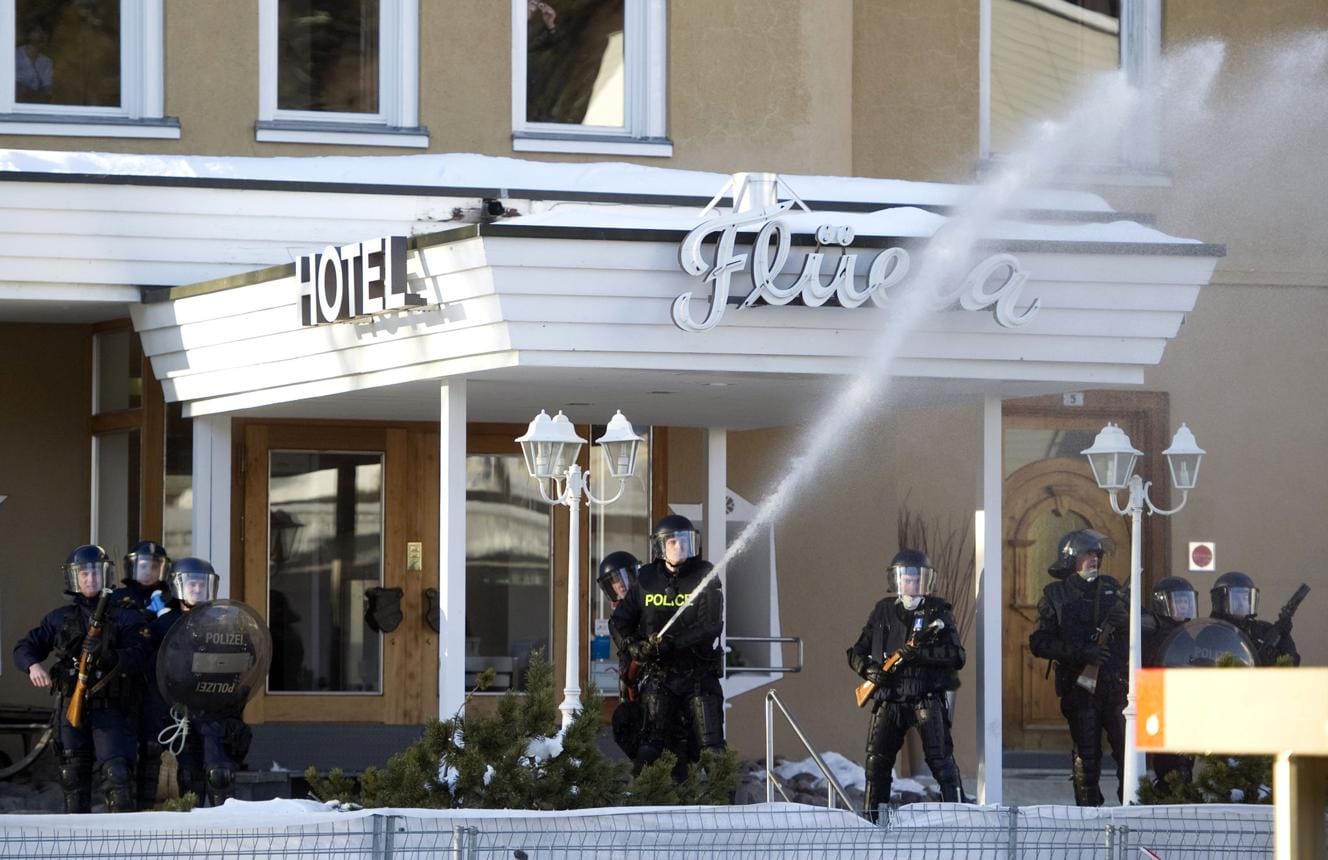
A violent disturbance erupted in the city of Zurich in Zurich over the weekend, leaving a police officer slightly injured after clashes with a large group of rioters.

According to police reports, officers were initially called to the scene following complaints of a noise disturbance in the early hours of Sunday morning. A patrol arrived shortly after 2:30 a.m., but was immediately met with aggression as a group of individuals began throwing bottles and stones at police vehicles.

As the situation escalated, officers were forced to withdraw from the area and request reinforcements. Law enforcement then responded with crowd-control measures, including rubber bullets and chemical sprays, in an attempt to disperse the group.

Additional police units were deployed, including a water cannon and police dogs, to regain control of the situation and contain the unrest.

During the confrontation, one officer was struck by an object and sustained minor injuries. A police vehicle was also damaged in the incident before the crowd eventually dispersed.

Authorities have launched an investigation into the unrest and are working to identify those involved in the violence.

University Hospital Zurich Faces Criminal Investigation Over Heart Surgery Cases.

University Hospital Zurich is facing a major criminal investigation after authorities opened inquiries into deaths and medical device incidents linked to its cardiac surgery clinic.

The hospital’s board has filed multiple criminal complaints involving 11 patient deaths and 13 separate cases connected to the use of medical devices. Prosecutors are now examining whether negligence or misconduct contributed to the incidents.

An investigative team from the Zurich public prosecutor’s office has launched formal proceedings focusing on suspected involuntary manslaughter, grievous bodily harm through negligence, and forgery of documents.

The case has intensified public scrutiny over patient safety standards and oversight within one of Switzerland’s leading medical institutions.

Authorities have not yet disclosed detailed information about the specific surgeries or devices involved. However, investigators are reviewing medical records, operational procedures, and documentation linked to the cases.

The scandal has raised concerns about accountability, transparency, and quality control in highly specialized cardiac procedures. Legal experts say the investigation could become one of the country’s most significant healthcare-related criminal cases in recent years.

The University Hospital Zurich has stated that it is cooperating fully with prosecutors as investigations continue.

Several Injured After Refrigerant Leak on Zurich’s Bahnhofstrasse.

A refrigerant leak triggered a major emergency response in central Zurich on Tuesday afternoon, injuring multiple people and forcing the evacuation of hundreds from the busy Bahnhofstrasse area.

Emergency services transported four people to hospital after they reported dizziness and feeling unwell. Another 12 individuals received treatment at the scene, according to officials from Zurich Protection and Rescue.

The incident occurred at the Coop City Annahof shopping centre, which authorities evacuated along with nearby areas. Around 300 people were moved to safety as firefighters, police officers, and ambulance crews responded in large numbers.

Witnesses reported seeing white and black smoke coming from the building shortly after 3pm, while alarm systems also alerted emergency responders.

Investigators later confirmed that approximately 30 kilograms of refrigerant leaked from a refrigeration system located inside a sealed technical room within the building.

Firefighters managed to stop the leak and declared the building safe after roughly two hours of emergency operations. Nearby public transport services were temporarily suspended during the response.

Authorities continue to examine the exact cause of the leak, while emphasizing that the rapid evacuation helped prevent more serious injuries.

Cruise Crew Member Quarantined in Switzerland After Hantavirus Exposure

A crew member from the MV Hondius has been placed in quarantine in Aargau after possible exposure to hantavirus during a cruise ship outbreak.

Health officials confirmed that the cantonal medical officer ordered a 42-day quarantine as a precautionary measure. Authorities stated that the individual currently shows no symptoms.

Hantavirus is a rare but potentially serious viral infection that can spread through contact with infected rodents or contaminated environments. Symptoms may include fever, fatigue, respiratory problems, and muscle pain, though severity varies depending on the strain.

Swiss health authorities are monitoring the situation closely to prevent any possible spread and to ensure public safety. Officials emphasized that the quarantine is preventive and follows established health protocols.

The incident has drawn attention because outbreaks involving cruise ship crews can pose challenges for international health monitoring and travel safety.

At this stage, authorities have not reported additional suspected cases in Switzerland linked to the exposure.

Fourteenth Suspect Charged in Crans-Montana Fire Investigation.

Swiss investigators have charged another individual in connection with the deadly Crans-Montana fire case, expanding the ongoing criminal investigation into one of the country’s worst recent tragedies.

According to reports from RTS, a municipal employee from Crans-Montana was formally placed under investigation during police questioning in the city of Sion on Tuesday.

The employee initially appeared before authorities as a person asked to provide information, a legal status positioned between witness and suspect. However, investigators reportedly interrupted the hearing and consulted prosecutors overseeing the case before changing the individual’s status to that of a formal defendant.

After being informed of the new status, the employee declined to continue the interrogation, which then ended.

Authorities believe the suspect may have had knowledge linked to renovation work carried out in 2015 at the Le Constellation bar, the site of the deadly fire. At the time, the employee worked in the Construction Department of the former municipality of Chermignon and currently remains active in the construction sector for the municipality of Crans-Montana.

The latest development brings the total number of individuals under investigation to 14. Those being investigated now include the bar owners, elected or former public officials, and several municipal employees.

The tragedy triggered widespread scrutiny over fire safety standards, renovation oversight, and administrative accountability in Switzerland. Investigators continue examining whether violations of construction regulations or oversight failures contributed to the disaster.

Israel Detains Swiss Activists on Gaza Flotilla Near Cyprus

Israeli armed forces intercepted a Gaza-bound flotilla near the coast of Cyprus and arrested several activists, including four Swiss nationals, according to videos shared online by participants.

The flotilla was part of a humanitarian mission organized by Global Sumud, aiming to reach Gaza by sea. Videos posted on Instagram confirmed the detention of members of the Swiss delegation, including Lausanne-based artist Anne Rochat. Reports indicate that eight Swiss citizens had joined the mission.

The Federal Department of Foreign Affairs stated that the Swiss embassy in Tel Aviv is currently in contact with Israeli authorities regarding the situation. However, officials said they had not yet received detailed information about the condition of the detained Swiss citizens.

Swiss authorities called on Israel to respect the fundamental rights of those involved in the flotilla and to comply with international maritime law. The FDFA emphasized that any intervention at sea must follow the principle of proportionality.

The Swiss government also revealed that it had warned organizers in April about the “considerable risks” associated with joining naval expeditions toward Gaza. Authorities stressed that participants acted under their own responsibility.

According to Swiss law, consular support may be limited in cases where citizens knowingly enter high-risk situations despite official warnings. The FDFA added that any assistance provided could also be billed to the individuals involved.

The incident has drawn international attention as tensions surrounding humanitarian missions to Gaza continue to increase across the region.

Swiss Crowdfunding Market Grows for First Time Since 2021 Driven by Crowdlending Surge

Switzerland’s crowdfunding sector has returned to growth in 2025 after three consecutive years of decline, signaling renewed investor confidence in digital financing platforms. According to the latest “Crowdfunding Monitor Switzerland” report by Lucerne University of Applied Sciences and Arts (HSLU), the total volume of funds raised through online platforms increased by 14% to CHF629 million (around $800 million).

The market had previously peaked at nearly CHF792 million in 2021 before experiencing a steady decline. The recent recovery is mainly driven by strong performance in the crowdlending segment, which now accounts for approximately 75% of the total crowdfunding volume in Switzerland.

CHF 629 million = 629000000 CHFCHF\ 629\ million\ =\ 629\,000\,000\ CHFCHF 629 million = 629000000 CHF

Experts explain that stricter banking regulations introduced in 2025 played a key role in boosting alternative financing channels. Swiss banks are now required to hold more capital against riskier property loans, making traditional lending more expensive and less flexible. As a result, businesses and individuals are increasingly turning to crowdlending platforms for faster and more accessible financing options.

The report also highlights a broader recovery across other crowdfunding segments. Crowdsupporting and crowddonating platforms recorded growth for the first time since 2020. Crowddonating, which supports charitable, cultural, and social initiatives, and crowdsupporting, where contributors receive rewards such as products or services, together increased significantly in 2025.

Sports and health-related projects were among the most successful categories, contributing to a total combined volume increase of 30% to CHF35 million. Meanwhile, real estate crowdlending showed particularly strong expansion, rising by 38% to CHF275 million, making it one of the most important growth drivers in the sector.

Researchers from HSLU noted that the annual “Crowdfunding Monitor Switzerland” plays a key role in tracking market trends and improving transparency within the financial ecosystem. The study helps identify emerging investment behaviors and highlights how regulatory changes continue to shape Switzerland’s digital finance landscape.

Swiss Economy Records Strong Growth in Early 2026 Despite Global Challenges

Switzerland’s economy showed stronger-than-expected growth during the first quarter of 2026 despite rising oil prices and ongoing global trade uncertainties. According to the latest flash estimate released by the Swiss State Secretariat for Economic Affairs (SECO), the country’s real seasonally adjusted gross domestic product (GDP) increased by 0.5% compared to the previous quarter.

The positive economic performance came from growth in both the industrial and service sectors. Economists had predicted a lower increase of between 0.3% and 0.4%, making the latest figures a positive surprise for the Swiss economy. During the final quarter of 2025, Switzerland’s GDP had grown by only 0.2%, while the previous quarter experienced a 0.5% decline due to international tariff disputes and trade tensions.

GDP Growth=0.5%GDP\ Growth = 0.5\%GDP Growth=0.5%

SECO economic expert Felicitas Kemeny explained that confidence in the economy has improved in recent months. She stated that reduced tariffs and slight economic recovery in Germany helped support Swiss economic activity. Several economic indicators also pointed toward stronger business confidence and stable consumer activity across Switzerland.

Although oil prices increased significantly during March, analysts noted that confidence indicators remained relatively stable. This has created optimism that Switzerland may maintain positive economic momentum in the short term. However, uncertainty still exists because global energy prices and international trade conditions continue to affect economic forecasts worldwide.

The Swiss government currently expects economic growth of around 1.0% for 2026 under its main scenario. If oil prices remain elevated for a longer period, experts believe growth could slow slightly to around 0.8%. SECO will release the detailed GDP report on June 1, which will provide more information about the performance of individual sectors within the Swiss economy.

Switzerland continues to demonstrate resilience despite global economic pressure, inflation concerns, and international market instability. Economists believe the country’s diversified economy, stable financial system, and strong industrial base continue to support steady economic growth during uncertain times.

Switzerland Praises WHO for Strong Hantavirus Management.

Switzerland has praised the role of the Geneva-based World Health Organization (WHO) for leading the global response to the hantavirus outbreak. During the opening of the World Health Assembly in Geneva, Swiss Interior Minister Elisabeth Baume-Schneider emphasized the importance of international cooperation and transparent health communication during future global health emergencies.

Baume-Schneider stated that the WHO remains an essential institution for global public health despite growing political pressure and financial challenges. She called for a realistic and efficient international system that allows countries to share pathogen information and medical countermeasures quickly during pandemics. Switzerland strongly believes that global cooperation is necessary to prevent future health crises and protect millions of lives worldwide.

The minister also highlighted the WHO’s active response to both hantavirus and Ebola outbreaks. She acknowledged that the organization continues to perform its responsibilities effectively even after facing a budget reduction of nearly $1 billion and the loss of approximately 1,300 staff members. Switzerland reaffirmed its support for the WHO and stressed that the organization plays a critical role in global disease monitoring, emergency response, and healthcare coordination.

Recent criticism from countries such as the United States and Argentina has created uncertainty around the WHO’s future funding and leadership. However, Switzerland continues to support the Geneva-based organization and recognizes its contribution to international health security. Swiss officials believe that strengthening the WHO will improve global preparedness for future pandemics and emerging infectious diseases.

Experts say hantavirus infections remain a serious public health concern in several regions worldwide. The disease spreads mainly through contact with infected rodents and can cause severe respiratory complications. Health authorities continue to monitor the situation closely while encouraging countries to improve disease surveillance and emergency response systems.

Swiss Glaciers Record Major Snow Deficit Across Regions

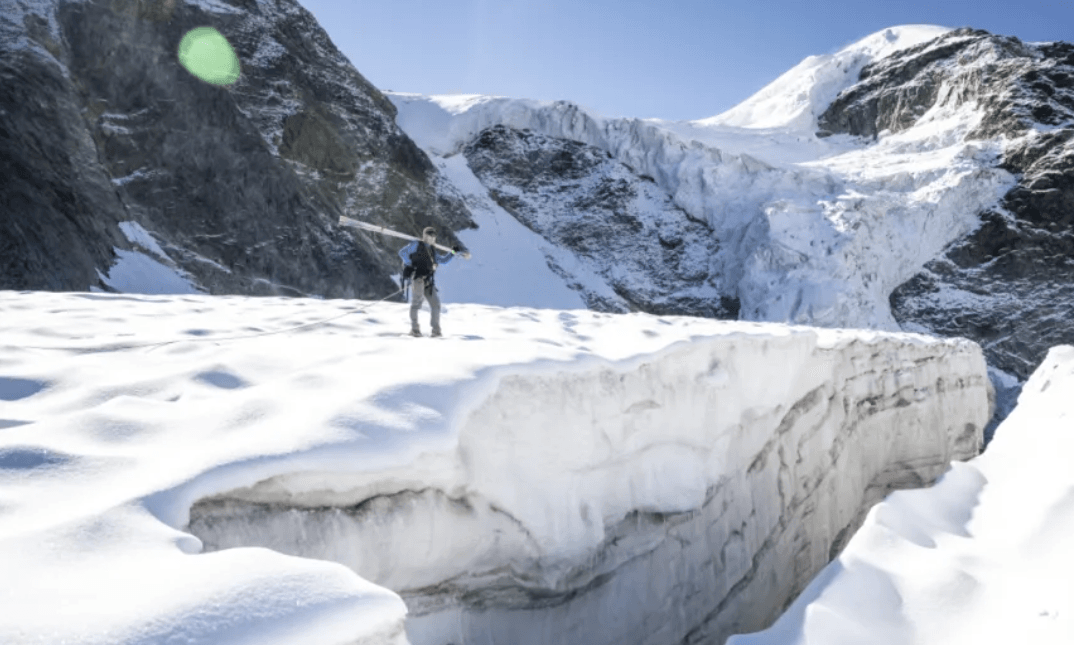
Glaciers across Switzerland are experiencing a significant snow deficit this winter, raising concerns about accelerated melting during the upcoming summer season.

According to the Swiss Glacier Monitoring Network, snowfall levels were substantially below average across several key regions, including Upper Valais, Ticino, and Graubünden.

The monitoring organization reported that winter 2025–26 shows an average 25% snow deficit compared to the 2010–2020 baseline.

GLAMOS collected measurements from 25 glaciers across Switzerland during April, revealing that a warm and unusually dry spring contributed heavily to reduced snow accumulation.

Some regions, such as the Bernese Oberland and central Valais, were less affected and remain closer to long-term seasonal averages. However, other glacier zones show clear signs of reduced snowpack.

Experts warn that low winter snow cover is critical because it acts as a protective layer that slows glacier melt during warmer months. Without sufficient snow insulation, glaciers absorb more heat and lose mass more rapidly.

Scientists now expect that the reduced snow cover could intensify glacier retreat in 2026, continuing the long-term trend of ice loss observed across the Swiss Alps.

Switzerland’s glaciers have already been shrinking for decades due to rising temperatures, and this winter’s deficit may further accelerate the process.

Climate researchers emphasize that continued monitoring is essential to understand how extreme weather patterns are impacting alpine ice reserves.