
Influential Swiss Intellectual Jean Ziegler Dies at 92
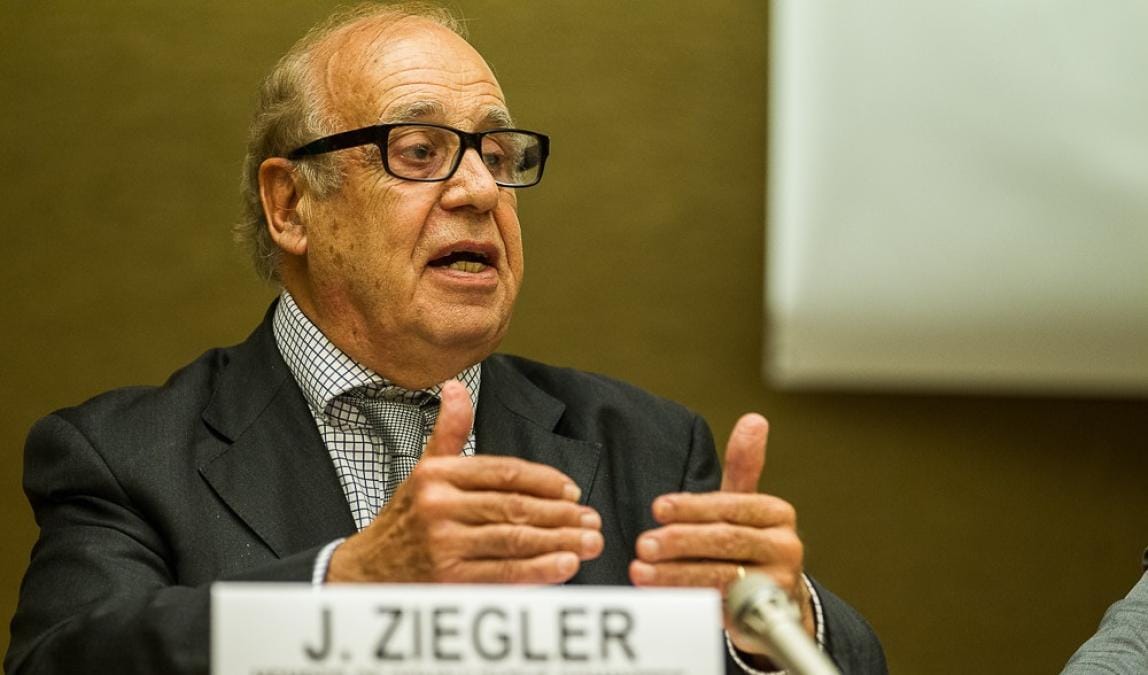
Jean Ziegler, one of Switzerland’s most influential sociologists, authors, and political figures, has died in Geneva at the age of 92. According to his family, the former politician passed away on Wednesday due to complications related to Parkinson’s disease.
For more than five decades, Ziegler played a prominent role in Swiss political and academic life. He became internationally known for his criticism of global inequality, neoliberal economic policies, and the concentration of wealth and power in global institutions.
A committed left-wing thinker, Jean Ziegler spent much of his life advocating for social justice and human rights. His writings and public speeches challenged political and economic systems that he believed contributed to poverty, hunger, and inequality around the world.
Even in his later years, Ziegler remained active in public debate. At the age of 90, he published the book “Where is Hope?”, a work that encouraged resistance against war, famine, injustice, and growing social divisions. The book reflected his lifelong belief that citizens should actively work toward creating a fairer society.
A defining moment in his life came in 1964 when he met revolutionary leader Che Guevara in Geneva. Ziegler later recalled how Guevara advised him not to leave Switzerland to join revolutionary movements abroad, but instead to challenge injustice from within the heart of the system. That encounter shaped his political philosophy and influenced his future career.
Throughout his life, Ziegler remained a controversial figure. Supporters praised him for speaking out against injustice and defending the rights of vulnerable communities. Critics, however, often challenged his political views and strong statements on international affairs.
One of his most debated works was the 1997 book “Switzerland, Gold and the Dead,” in which he criticized the role of Swiss financial institutions during the Second World War. The publication sparked significant public discussion both within Switzerland and internationally.
In 2016, filmmaker Nicolas Wadimoff released a documentary exploring Ziegler’s life and ideas. The film examined both his influence and the controversies that surrounded him, presenting a complex portrait of a man who remained committed to his beliefs throughout his life.
Jean Ziegler leaves behind an extensive body of work, including books, academic contributions, and political activism. His influence on debates surrounding inequality, globalization, and social justice will continue to be discussed long after his passing.
His death marks the end of an era for Swiss intellectual life and for a generation of political thinkers who sought to challenge the established order and inspire social change.