Swiss Government Covers Security Costs for Donald Trump Jr.’s Zurich Visit

The Swiss federal government has confirmed that it covered the security costs associated with Donald Trump Jr.’s private visit to Zurich in early June, although officials have declined to reveal the exact amount spent on the operation.

Donald Trump Jr., the son of US President Donald Trump, attended a private business gathering held at the historic Zunfthaus zur Saffran in Zurich. The closed-door event brought together around 70 guests from the worlds of business and politics and was followed by a private dinner.

The meeting was organized by the Davos Lodge networking platform and attracted significant attention due to the extensive police presence deployed around the venue.

Large Security Operation in Zurich

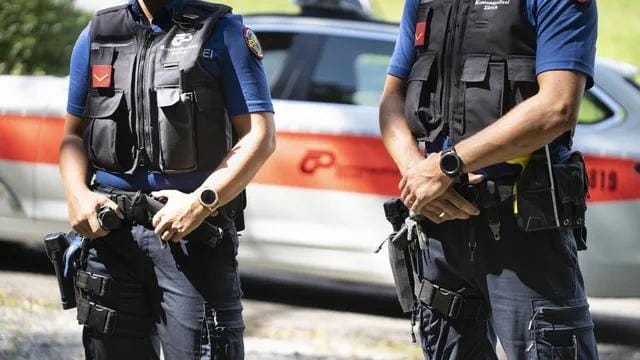
According to Zurich City Police, the entire cost of the security operation was charged to the Federal Office of Police (Fedpol). Authorities confirmed that the city police acted under instructions from Fedpol and served as the operational force responsible for implementing the security measures.

The scale of the police deployment has raised public questions about who should bear the costs of protecting high-profile visitors attending private events in Switzerland.

Who Pays for Security?

Fedpol explained that, in principle, private organizers are generally responsible for covering security costs when they invite individuals who require special protection.

However, exceptions can be made when an event is considered to have significant importance for Switzerland’s international relations or economic interests. In such cases, cantonal authorities may apply for reimbursement from the federal government.

Officials did not clarify under which specific criteria the Zurich event qualified for federal funding.

Cost Remains Confidential

Neither Fedpol nor Zurich City Police have disclosed the total cost of the operation. Authorities stated that releasing detailed figures could reveal sensitive information about security planning and operational procedures.

As a result, the exact amount paid by Swiss taxpayers for the security arrangements remains unknown.

Political and Public Interest

The visit has sparked debate over public funding for security at private events involving internationally prominent figures. Supporters argue that ensuring safety for high-profile guests is necessary, while critics question whether public resources should be used for privately organized meetings.

The issue is likely to continue attracting attention as Switzerland balances security obligations, public transparency, and the hosting of influential international visitors.
Switzerland Advances Hezbollah Ban as Hamas Restrictions Expand.

Switzerland is moving forward with plans to ban the Lebanese group Hezbollah while also extending its existing ban on Hamas from five years to ten years. The latest measures mark a significant development in Swiss security and counterterrorism policy.

The Swiss government announced on Friday that it has launched a consultation process on a draft law that would officially prohibit Hezbollah activities in Switzerland. The move follows a directive from parliament, which approved motions targeting both Hamas and Hezbollah at the end of 2024.

The consultation period will remain open until October 5, allowing political parties, organizations, and other stakeholders to provide feedback before the legislation moves forward.

Hamas Ban Set for Extension

The ban on Hamas has been in force in Switzerland for the past year. Under the new proposal, the duration of the restriction would be extended from five years to ten years.

Swiss authorities previously justified the Hamas ban by citing the unprecedented terrorist attacks carried out against Israel on October 7, 2023. The government described the measure as an exceptional response to extraordinary circumstances.

Switzerland Balances Security and Neutrality

The Swiss government has repeatedly stated that organization bans should remain rare exceptions. Officials have expressed concerns that creating formal lists of prohibited groups could affect Switzerland’s traditional role as a neutral mediator in international conflicts.

Switzerland has long been known for facilitating dialogue between opposing parties and hosting peace negotiations. According to the government, maintaining that diplomatic role remains an important consideration when introducing such measures.

Parliament Calls for Action Against Hezbollah

Despite reservations about expanding organizational bans, the government stated that it is legally required to implement parliament’s decision regarding Hezbollah.

Lawmakers voted in favor of banning the Lebanese group alongside Hamas, arguing that stronger legal tools are necessary to address security concerns and prevent support activities linked to militant organizations.

The outcome of the consultation process will determine the final structure of the legislation before it is presented for formal approval.

Why This Matters

The proposed Hezbollah ban and extension of the Hamas prohibition reflect Switzerland’s evolving approach to national security while attempting to preserve its international reputation for neutrality and mediation. The decisions could have implications for Swiss foreign policy, security cooperation, and future counterterrorism measures.

Swiss Government Ministers Spent More Time in the Air During 2025

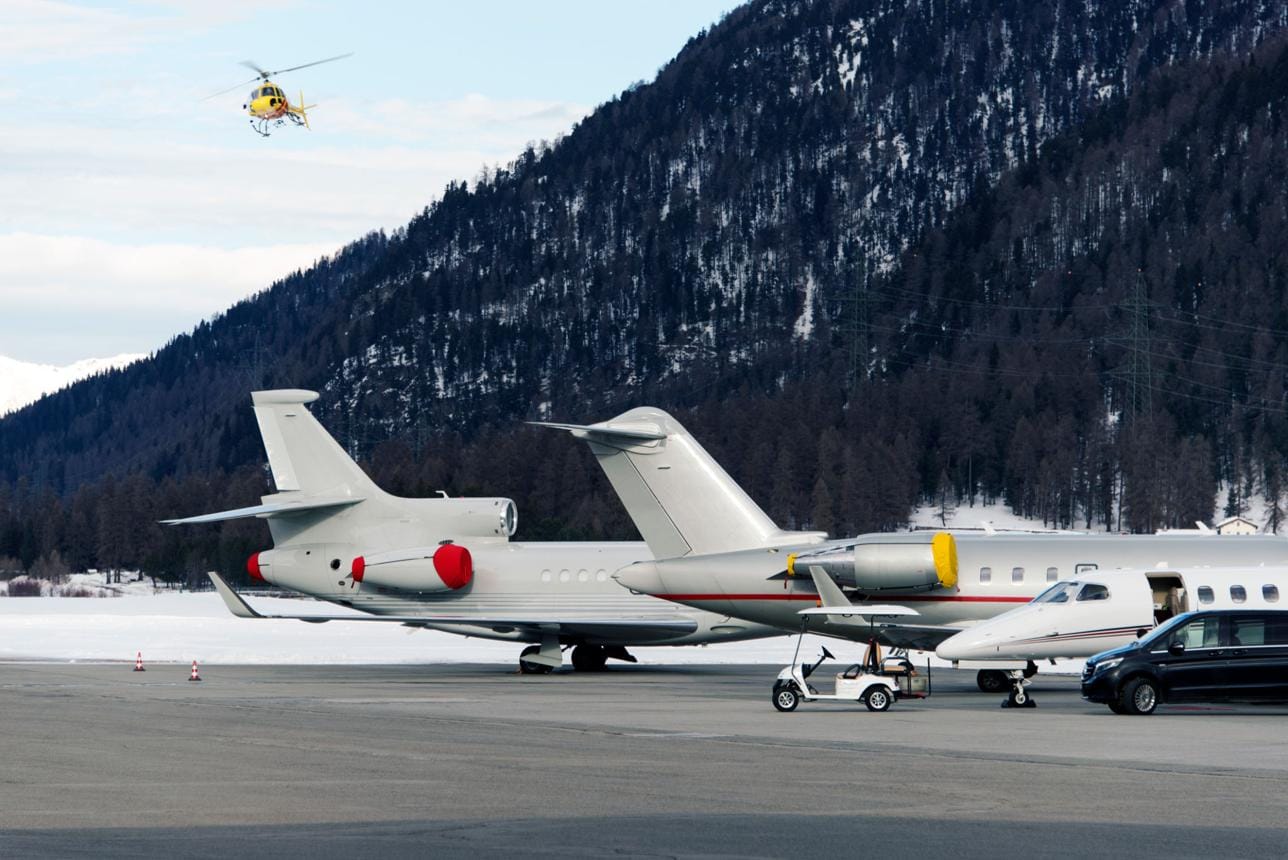
Members of the Swiss government increased their use of aircraft and helicopters in 2025, recording significantly more flight hours than the previous year.

According to figures released by the Federal Air Transport Service, the seven members of the Federal Council accumulated a total of 704 flight hours during 2025. This represents an increase of 104 hours compared with 2024, when government ministers spent approximately 600 hours in the air.

The latest data shows that flight activity rose by around 17.5% year-on-year. Of the total flight time recorded in 2025, approximately 39 hours were classified as empty flights.

Most official journeys were completed using airplanes, while helicopter operations accounted for less than 14% of total flight hours. Helicopter usage increased only slightly compared with the previous year.

Foreign Minister Ignazio Cassis recorded the highest number of flight hours among government members. He spent approximately 212 hours travelling by air as part of his diplomatic responsibilities, which require frequent international visits and meetings with foreign leaders.

Economics Minister Guy Parmelin ranked second, with more than 146 hours of official air travel throughout the year.

Finance Minister Karin Keller-Sutter came third with 128 flight hours. During 2025, she also served as Switzerland’s rotating president, a role that involved additional international engagements and official duties.

The increase in flight activity comes despite ongoing discussions in Switzerland regarding sustainable travel and efforts to reduce environmental impacts associated with official government transport.

Swiss authorities continue to balance the need for international diplomacy, economic cooperation, and governmental responsibilities with broader environmental and sustainability goals.

The figures highlight the significant travel demands placed on senior Swiss officials, particularly those responsible for foreign affairs, economic relations, and international representation.

Swiss Women Trust Public Institutions Less Than Men, Study Finds

Women in Switzerland show significantly lower levels of trust in public institutions compared to men, according to a new study commissioned by the Federal Office for Gender Equality (FOGE) and conducted by the OECD.

The research, which analysed institutional trust across 30 countries, reveals that although Switzerland performs relatively well in international comparisons, a notable gender gap persists within the country.

One of the key findings shows that 45% of women express confidence in their ability to participate in politics, compared to 65% of men. This indicates a substantial difference in perceived political empowerment between genders.

The study also highlights disparities in political engagement. Around 26% of women in Switzerland do not participate in any political activity, compared to 17% of men. According to FOGE, this gap is nearly twice as large as the average gender difference observed across OECD countries.

Researchers also identified differences in satisfaction with public services, suggesting that women may evaluate state institutions more critically than men.

Despite these gaps, overall institutional trust in Switzerland remains high compared to many other countries. However, the findings underline ongoing challenges related to gender equality in political participation and civic engagement.

The report suggests that addressing these disparities could strengthen democratic participation and improve confidence in public institutions among women in Switzerland.

Switzerland Reacts to New US Tariff Proposal.

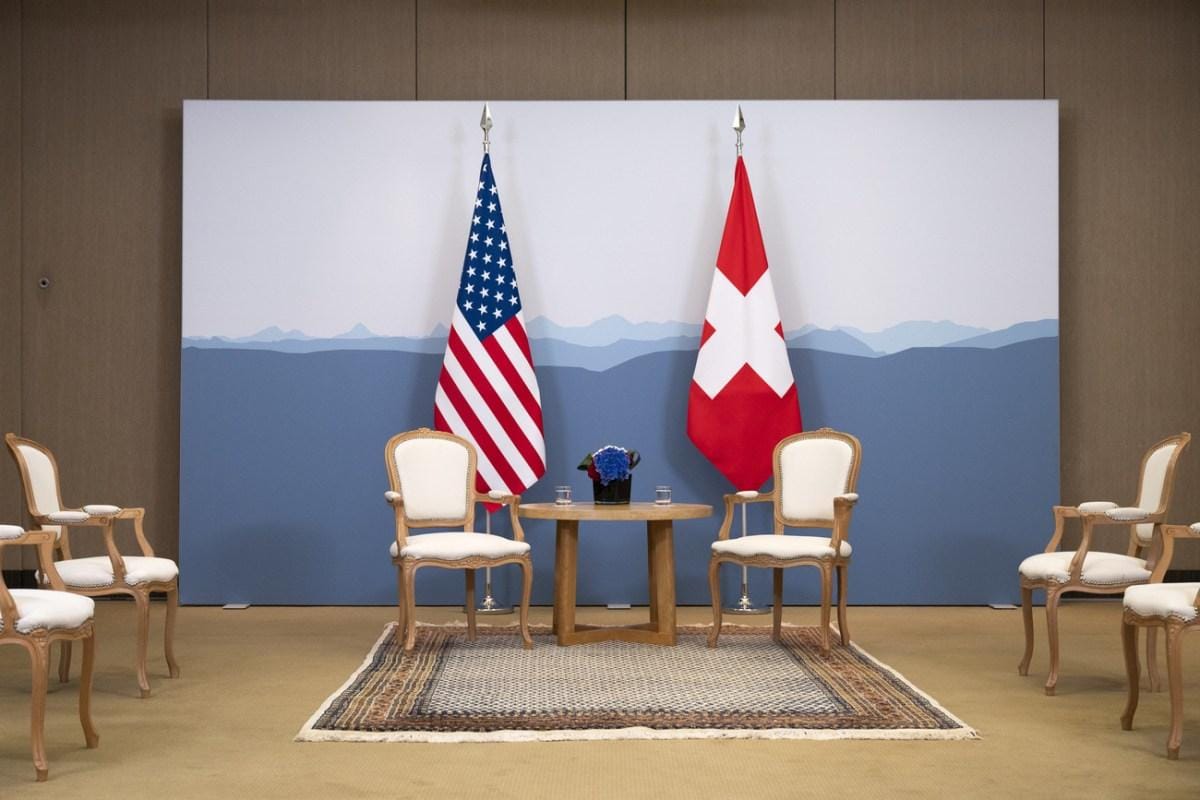
Swiss President Guy Parmelin has stated that the Swiss government was not surprised by the United States’ proposal to introduce new tariffs of 12.5% on Swiss goods. He confirmed that Switzerland is currently engaged in ongoing negotiations with Washington to reach a balanced trade agreement.

Speaking at the Swiss Economic Forum (SEF) in Interlaken, Parmelin explained that Swiss authorities were already aware of investigations under Section 301 of the US Trade Act. He noted that the government had anticipated a decision regarding potential trade measures from the United States.

Parmelin, who also serves as Switzerland’s economics minister, emphasized that the Swiss government firmly rejects the criticisms made by the US in relation to its trade practices. He added that Switzerland has already responded to these concerns in written form as part of official diplomatic communication.

Despite the proposed tariffs, Swiss officials are continuing discussions with US representatives, aiming to protect key export sectors and maintain stable economic relations between the two countries. The negotiations are expected to focus on ensuring fair trade conditions and minimizing potential impacts on Swiss industries.

The announcement comes at a sensitive time for global trade relations, as countries continue to navigate economic uncertainty and shifting tariff policies. Switzerland, a highly export-oriented economy, is closely monitoring developments to safeguard its economic interests.

Authorities have reiterated their commitment to dialogue and diplomatic engagement, signaling that discussions with the United States will continue in the coming months.

Swiss Parliament Rejects Return to Joint Taxation of Married Couples.

The Swiss Senate has rejected a proposal aimed at reintroducing joint taxation for married couples, following a closely contested vote that ended 24 to 21 in opposition.

The initiative, put forward by the Centre Party, sought to challenge the outcome of a nationwide referendum held in March, where Swiss voters supported a shift toward individual taxation by a 54.2% majority. That decision marked a major change in Switzerland’s tax system, ending the joint taxation model that has been in place since 1984.

Supporters of the Centre Party initiative argued that the current individual taxation system could disadvantage single-income households within marriages. They proposed an alternative model allowing couples to choose between joint or individual taxation, with tax authorities automatically applying the more favorable option.

The proposal also included a transitional framework giving parliament up to three years to implement a practical system. If no solution was reached within that timeframe, authorities would apply the alternative calculation method by default.

However, a majority in the Senate opposed the initiative, arguing that it would create unnecessary administrative complexity and significantly increase bureaucratic costs. Lawmakers also emphasized the importance of respecting the outcome of the recent popular vote, which clearly supported individual taxation.

Critics of the proposal, including members of the centre-right Radical-Liberal Party, stated that the system would be more expensive and difficult to administer compared to the newly approved tax model.

The rejection in the Senate follows a similar decision in the House of Representatives, reinforcing Switzerland’s move toward a fully individual taxation system for spouses.

Swiss GMO-Free Food Initiative Files Complaint Over Missing Signatures.

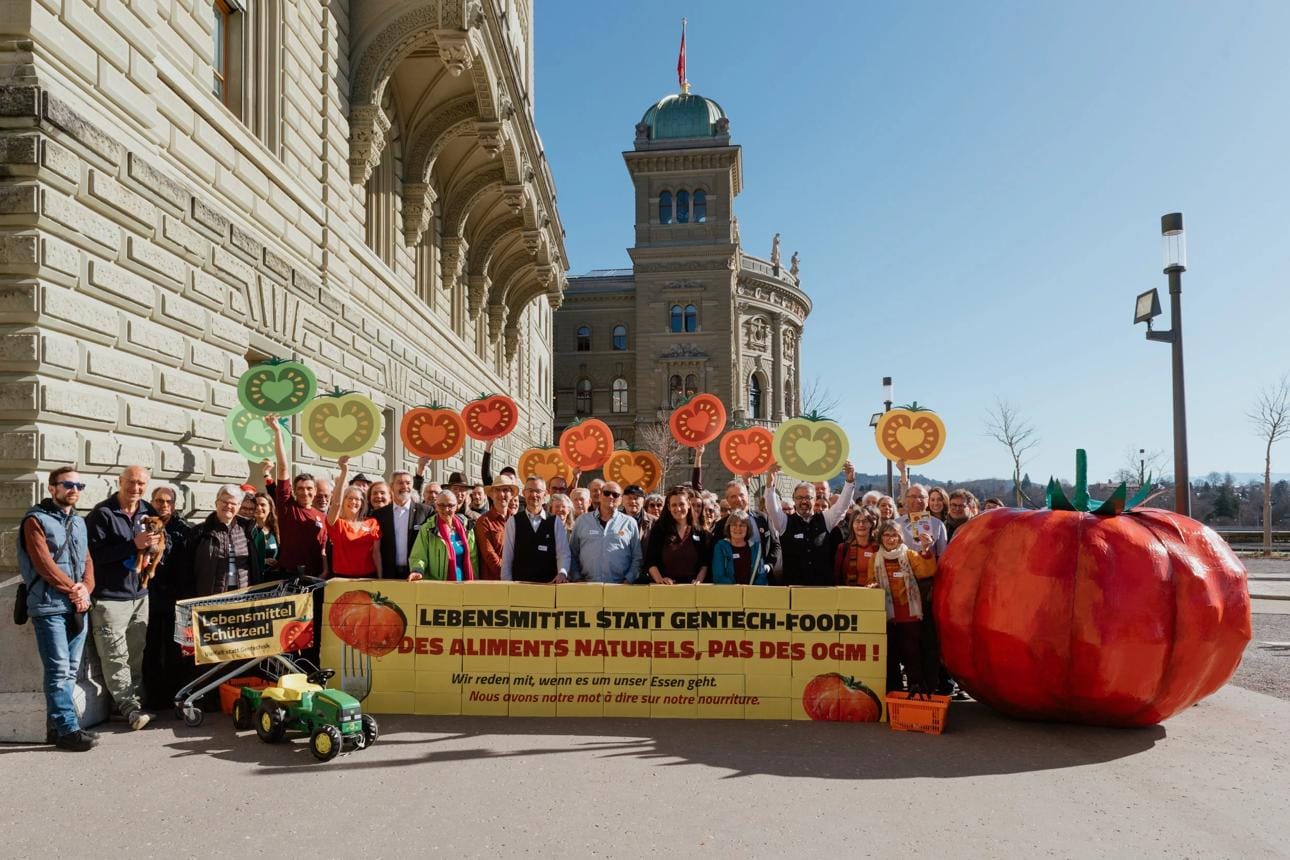
The association behind Switzerland’s GMO-free food initiative has announced plans to file a criminal complaint against unknown persons after claiming that at least 5,000 signatures went missing during an official recount process.

According to the Association for GMO-free Food, signatures that were previously validated by local municipalities were not found during a recount conducted by the Federal Chancellery. The group says it based its findings on a survey of around 240 municipalities and believes the actual number of missing signatures could be even higher.

The missing signatures are considered crucial for the initiative to reach the required threshold of 100,000 valid signatures needed to trigger a national vote. The association argues that if the disputed signatures were included, the initiative would likely have qualified for a popular referendum on extending control over genetically modified organisms beyond the current moratorium, which is set to expire in 2030.

Due to the narrow margin in the initial verification process, a recount of signatures was ordered at the end of March. Swiss authorities typically conduct additional checks when initiatives fall within a close range of 95,000 to 101,000 valid signatures to ensure accuracy and transparency.

The Federal Chancellery has stated that multiple departments were involved in the recount process as part of standard procedure. However, the GMO-free food association is demanding a full investigation to determine what happened to the missing signatures and to ensure public trust in the initiative system.

The dispute highlights ongoing tensions around Switzerland’s direct democracy system, where citizen initiatives play a key role in shaping national policy. Authorities have not yet commented on the allegations in detail, and the case is expected to attract further legal and political attention.

Bern Parliament Approves Feminicide Category in Crime Statistics.

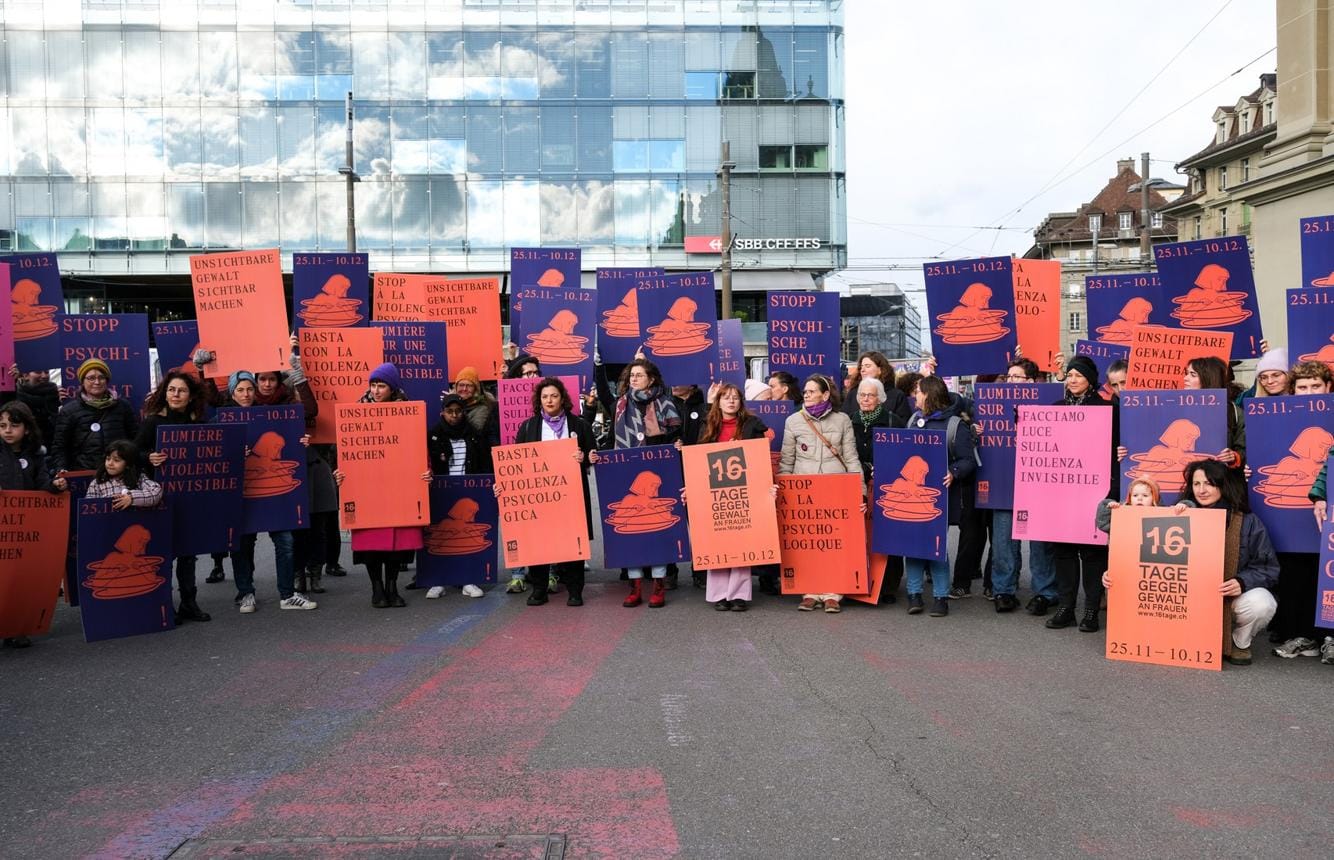
The parliament of the Swiss canton of Bern has approved a proposal to include feminicide as a separate category in official crime statistics, marking a significant step in how violence against women is recorded in Switzerland.

The motion was passed on Wednesday evening with a clear majority of 117 votes to 30. It was introduced by Green Party member Manuel C. Widmer and supported by politicians from multiple parties, including the Social Democrats and some members of the centre-right Radical-Liberals.

Supporters of the measure argue that violence against women is often underreported or treated as a private matter, leading to gaps in official data. By introducing feminicide as a distinct category, they aim to improve transparency and better understand the scale and nature of gender-based killings.

Under the definition proposed in the motion, feminicide refers to the killing of women or girls in the context of patriarchal gender-based violence. Advocates say that clear statistical recognition is essential for developing effective prevention policies and improving victim protection.

However, the decision has also sparked political debate. Members of the Swiss People’s Party (SVP) have criticized the term feminicide, describing it as a politically charged concept that should not be included in official state statistics.

The cantonal government had previously expressed conditional support for the idea, stating that a standardized national definition is necessary before implementation. Authorities also noted that discussions are already underway at the federal level to harmonize data collection on violent crime.

The decision in Bern is seen as part of a broader European trend to improve the documentation of gender-based violence and strengthen policy responses to protect women and girls.

Do Language Tests in Europe Aid Integration or Politics?

Across Europe, governments are increasingly tightening citizenship and residency requirements by introducing or strengthening language and civic knowledge tests. These measures are officially presented as tools to support integration, but they are also generating debate about their real political purpose.

In countries across the continent, applicants for citizenship are often required to demonstrate proficiency in the national language and show understanding of local laws, history, and cultural norms. Policymakers argue that these requirements help newcomers integrate more effectively into society and improve long-term social cohesion.

However, critics question whether these policies are primarily about integration or political positioning. They argue that stricter testing frameworks may be designed to appeal to domestic voters concerned about immigration, rather than to meaningfully improve integration outcomes.

Supporters of the policies claim that language competence is essential for employment, education, and civic participation. They also argue that shared linguistic and civic understanding strengthens national unity and reduces social fragmentation.

Opponents, however, point out that integration is a complex, long-term process that cannot be fully measured through standardized tests. They warn that overly strict requirements may exclude qualified applicants and create additional barriers for migrants seeking legal status.

The debate reflects a broader tension in European migration policy, where governments must balance public opinion, labor market needs, and social integration goals.

As immigration continues to shape political discourse across Europe, language and knowledge tests remain at the center of a larger question: are they genuinely integration tools, or increasingly instruments of domestic political messaging?

Jordan Refuses Full Cooperation in Swiss Weapons Inspection

Jordan has refused to fully cooperate with Swiss inspectors conducting checks on weapons exported from Switzerland, raising concerns over compliance with international arms agreements.

According to a report from State Secretariat for Economic Affairs (Seco), Swiss officials visited Jordan in February 2025 as part of a post-shipment verification (PSV) process. These inspections ensure that Swiss-made weapons remain in the importing country and are not transferred without authorization.

The report revealed that Jordan prevented inspectors from examining certain weapons during the visit. Swiss authorities also reported that some individual weapons could not be located, increasing concerns about transparency and accountability.

Switzerland requires importing countries to follow strict rules regarding the resale or transfer of military equipment. Swiss officials say on-site inspections are essential for verifying whether countries respect these obligations.

The issue has sparked political debate in Switzerland as parliament recently approved changes to relax parts of the War Materiel Act. Under the revised law, importing countries may no longer need to provide guarantees against transferring Swiss weapons to third parties in every case.

Critics argue that loosening export controls could weaken oversight and reduce Switzerland’s ability to monitor how its military equipment is used abroad. Supporters, however, claim the reforms would simplify export procedures and improve the competitiveness of Swiss defense industries.

The law change now faces a national referendum after campaigners submitted more than 75,000 signatures demanding a public vote. Swiss voters are expected to decide on the issue no earlier than September 2026.

The debate highlights growing international concern over arms exports, military accountability, and the monitoring of defense agreements between countries.