Historic Bern Steam Tram Receives Heritage Protection Status

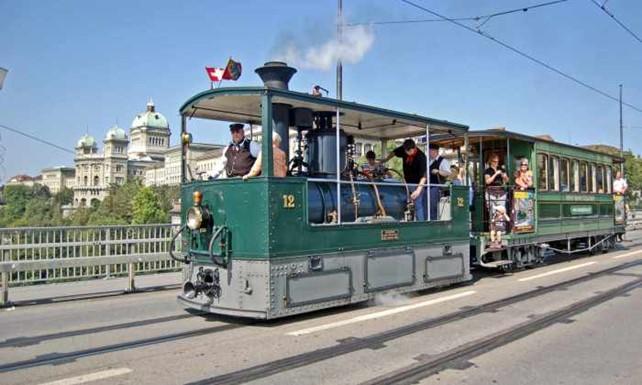
A historic steam tram in the Swiss capital of Bern has officially received heritage protection status, becoming the first vehicle of its kind in Switzerland to gain such recognition. The decision highlights the tram’s exceptional historical, cultural, and technical importance.

The protected tram, which dates back more than 130 years, recently returned to service following a major restoration project carried out by dedicated volunteers and railway specialists.

A Unique Piece of Swiss Transport History

The steam tram originally operated in the city of Bern between 1894 and 1902, serving residents during the early years of urban public transportation. Today, it stands as one of Switzerland’s most remarkable transport heritage assets, offering visitors a glimpse into the country’s industrial and engineering history. The Bern Historic Preservation Authority granted the official protected status after recognizing the tram’s unique contribution to Swiss public transport development.

Major Restoration Brings Tram Back to Life

Before receiving heritage protection, the 132-year-old vehicle underwent an extensive restoration programme. The overhaul included significant work on the steam locomotive’s engine and mechanical systems. Volunteers from the Bernmobil Historical Foundation played a key role in the project, while specialized components were restored with support from railway engineering experts. The successful restoration has ensured that future generations can continue to experience this rare piece of Swiss history.

Heritage Recognition Marks Historic Milestone

According to the Bernmobil Historical Foundation, the new protected status is both an honour and a responsibility. The recognition confirms the steam tram’s importance as a cultural landmark and strengthens efforts to preserve Switzerland’s transportation heritage. The tram is now officially considered a protected monument, safeguarding its future for years to come.

Available for Public Rides and Special Events

The historic tram continues to operate for public journeys and special occasions throughout Bern. Residents and tourists can experience a unique ride through the city aboard one of Switzerland’s oldest preserved public transport vehicles. The tram is also available for private bookings and heritage-themed events, making it a popular attraction among transport enthusiasts and visitors.

Preserving Bern’s Transport Legacy

The Bernmobil Historical Foundation manages an extensive collection of historic public transport vehicles. Its collection includes around ten historic trams and ten vintage buses, all maintained to preserve Bern’s rich transportation history. The foundation remains committed to protecting these important pieces of Swiss heritage and ensuring they remain operational whenever possible.
Thousands Gather for 550th Anniversary of Battle of Murten

Thousands of people gathered in the Swiss town of Murten to commemorate the 550th anniversary of the historic Battle of Murten, one of the most significant events in Swiss history. The celebrations attracted around 5,000 participants and visitors from across the country.

The Battle of Murten took place on June 22, 1476, and remains an important symbol of Swiss heritage and unity. To mark the milestone anniversary, the town hosted a series of official ceremonies, cultural events, and historical activities.

Representatives from several Swiss cantons attended the celebrations, alongside Swiss Defence Minister Martin Pfister and local political leaders. Despite extremely warm weather conditions, organisers reported that the event proceeded smoothly without major disruptions.

The commemorative programme began with a prayer service at the Pantschau meadow on the shores of Lake Murten. Participants then took part in a wreath-laying ceremony to honour those connected to the historic battle.

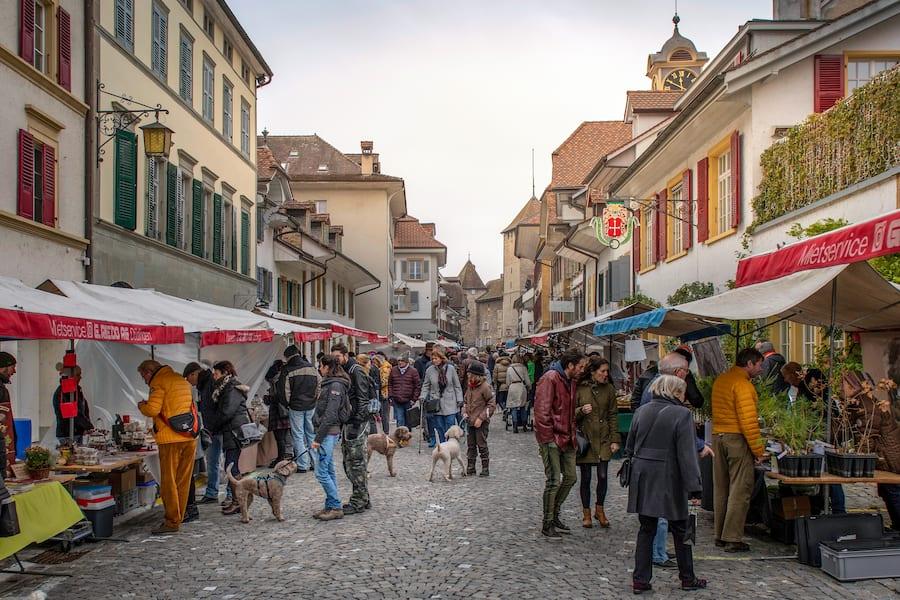
A large procession through the medieval streets of Murten followed, featuring speeches from national and regional leaders. Officials highlighted the historical significance of the battle and its lasting impact on Swiss identity.

The cantons of Fribourg, Vaud, and Bern were given special recognition during the event due to their historical connection to the Battle of Murten and other major conflicts of the same period, including the Battle of Grandson.

The celebrations also included a variety of public activities. A special “White Brunch & Party” organized by Murten Tourism attracted more than 600 guests dressed entirely in white, creating a unique visual spectacle.

Visitors were also able to explore a medieval camp, historical market, and entertainment areas designed to recreate elements of 15th-century life. Traditional shooting competitions and youth festivals are scheduled to continue as part of the wider anniversary programme.

The commemorative events are being coordinated by the Grandson-Murten 2026 Association, which has planned 42 projects and activities running through October to celebrate the region’s rich historical heritage.

Swiss Town Renames Street to Honor Black Domestic Worker

The municipality of Yverdon-les-Bains in western Switzerland has decided to rename Rue de l’Ancien-Stand as Rue Pauline-Buisson, honoring a black domestic worker born into slavery in Saint-Domingue.

The decision is described by local authorities as a symbolic act of reparation aimed at acknowledging a life that remained largely unrecognized during her time in Switzerland.

A Life Marked by Colonial History

Pauline Buisson was brought to Yverdon in 1776 from Saint-Domingue, present-day Haiti, by David-Philippe de Treytorrens after his return from the Caribbean. She arrived alongside another servant, François Midal.

Despite living in Yverdon for decades, Buisson was never granted legal recognition or social status.

In 1790, she gave birth to a son, Samuel Hypolite Buisson, whose paternity was attributed to a Frenchman passing through the region. The child later became central to a prolonged legal dispute between the de Treytorrens family and local authorities due to his lack of official status.

Both mother and son remained stateless throughout their lives, with authorities refusing to grant citizenship or legal recognition.

Historical Research Brings Forgotten Story to Light

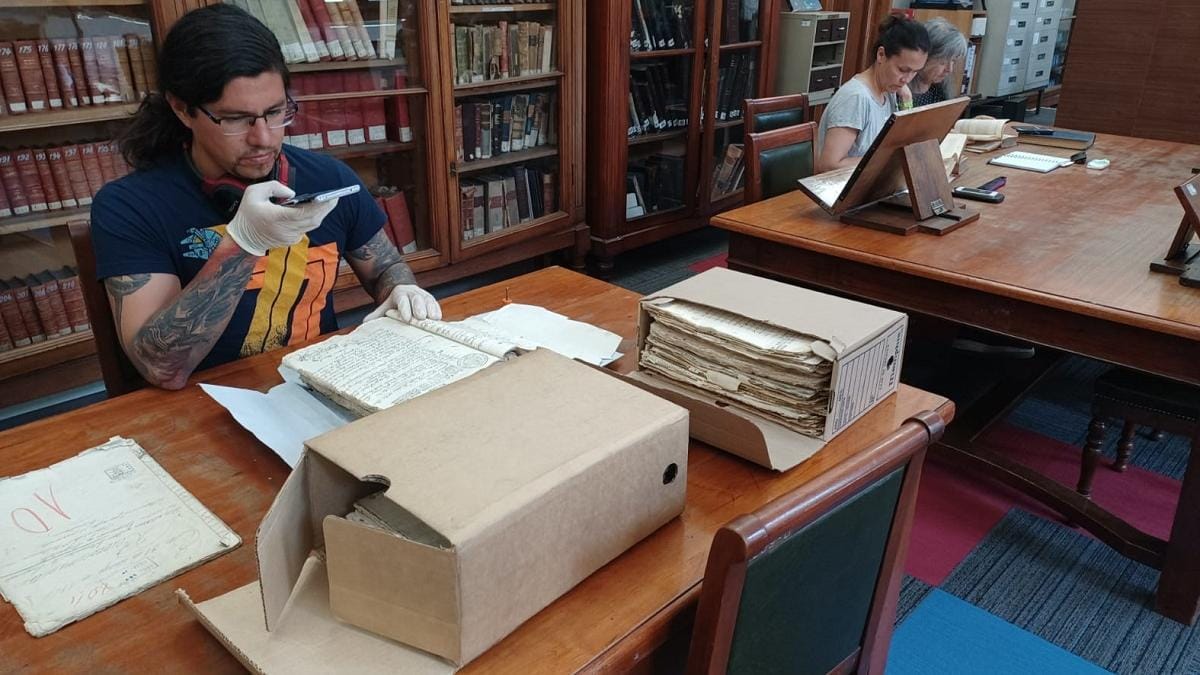
The story was uncovered through archival research conducted by the city of Yverdon, particularly the work of historian Catherine Guanzini. The findings highlight the presence and struggles of people of African origin in 18th-century Switzerland, a subject often overlooked in historical records.

City archives contain detailed legal documents from disputes between 1826 and 1835, offering rare insight into the lives of formerly enslaved individuals brought to Europe during the colonial era.

To improve accessibility, the city has published these documents online for researchers and the public.

Symbolic Recognition and Street Renaming

Local authorities describe the street renaming as a “gesture of symbolic reparation.” The decision follows the posthumous honorary citizenship granted to Pauline Buisson, her son, and François Midal.

The new name, Rue Pauline-Buisson, will officially come into effect on October 3, marking the birthday of Samuel Hypolite Buisson.

Officials say the move is intended to restore visibility to individuals whose histories were long excluded from public memory and urban space.

Historic Organ Restored at Geneva’s Saint Peter’s Cathedral.

Visitors in Geneva will soon be able to experience the newly restored Metzler organ at Saint Pierre Cathedral as part of celebrations marking the 490th anniversary of the Reformation in Geneva.

The restoration project highlights the importance of preserving Switzerland’s religious and cultural heritage while bringing new life to one of the cathedral’s iconic musical instruments.

According to the Protestant Church of Geneva, special inauguration concerts are scheduled for May 29 and May 31, with an additional performance planned the following week.

The celebrations will also include several cultural events linked to the Church Assembly. On May 30, audiences will experience a performance titled “Black Church,” combining music and public discussion around cultural and spiritual themes.

Another artistic event will feature a theatrical adaptation of the book The Walking Man, exploring themes of movement, stillness, and human experience through live performance.

The restored Metzler organ is expected to become a major attraction for music lovers, tourists, and cultural visitors interested in Geneva’s historical and religious landmarks.

Saint Peter’s Cathedral remains one of Switzerland’s most significant historic churches and played a central role during the Protestant Reformation led by John Calvin in the 16th century.

Amit Dutta Explores Swiss Scholar’s Life and Friendship Through Film

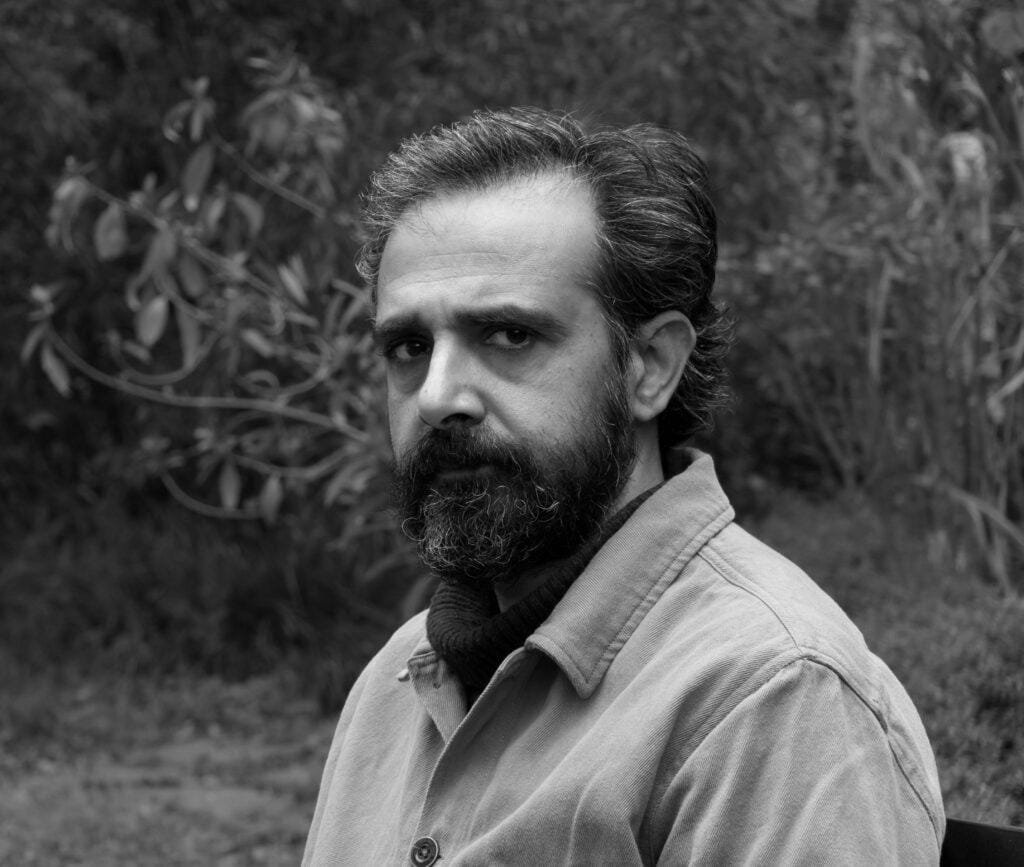
A unique cultural and artistic friendship between Indian filmmaker Amit Dutta and Swiss-based ethnographer and art historian Eberhard Fischer has come to life through a new documentary film exploring history, art, and human connection.

The film, titled Eberhard As Seen By Amit, was recently screened at the Cinéma du Réel festival in Paris. The documentary reflects on Fischer’s life and career while examining deeper themes connected to ethnographic research, colonial history, and India’s artistic traditions.

Eberhard Fischer is widely recognized for his work at the Rietberg Museum in Zurich, where he became known for his contributions to the study of Asian art and culture. Through the documentary, Amit Dutta presents Fischer not only as a scholar but also as a deeply disciplined and reflective individual whose work influenced generations of researchers and artists.

During the special screening in Paris, Fischer emotionally introduced Amit Dutta as an independent filmmaker living in the Himalayan region of northern India. He described Dutta as a poetic and deeply thoughtful artist who prefers a quiet life away from the international spotlight.

According to emails shared during the event, Dutta explained that he creates films to understand and preserve lives that inspire him. He wrote that Fischer represented a life built on education, patience, discipline, and intense intellectual focus.

Their artistic collaboration dates back many years. Dutta previously worked with Fischer on the 2010 film Nainsukh, which explored the life and work of the celebrated 18th-century Indian miniature painter.

The documentary also highlights ongoing conversations surrounding colonial-era ethnographic research and the challenge of presenting non-Western cultures through fair and respectful perspectives. By focusing on friendship and shared curiosity, the film attempts to bridge cultures through art and cinema.

Film critics and cultural observers have praised the project for its quiet storytelling style and thoughtful exploration of identity, history, and artistic legacy.