

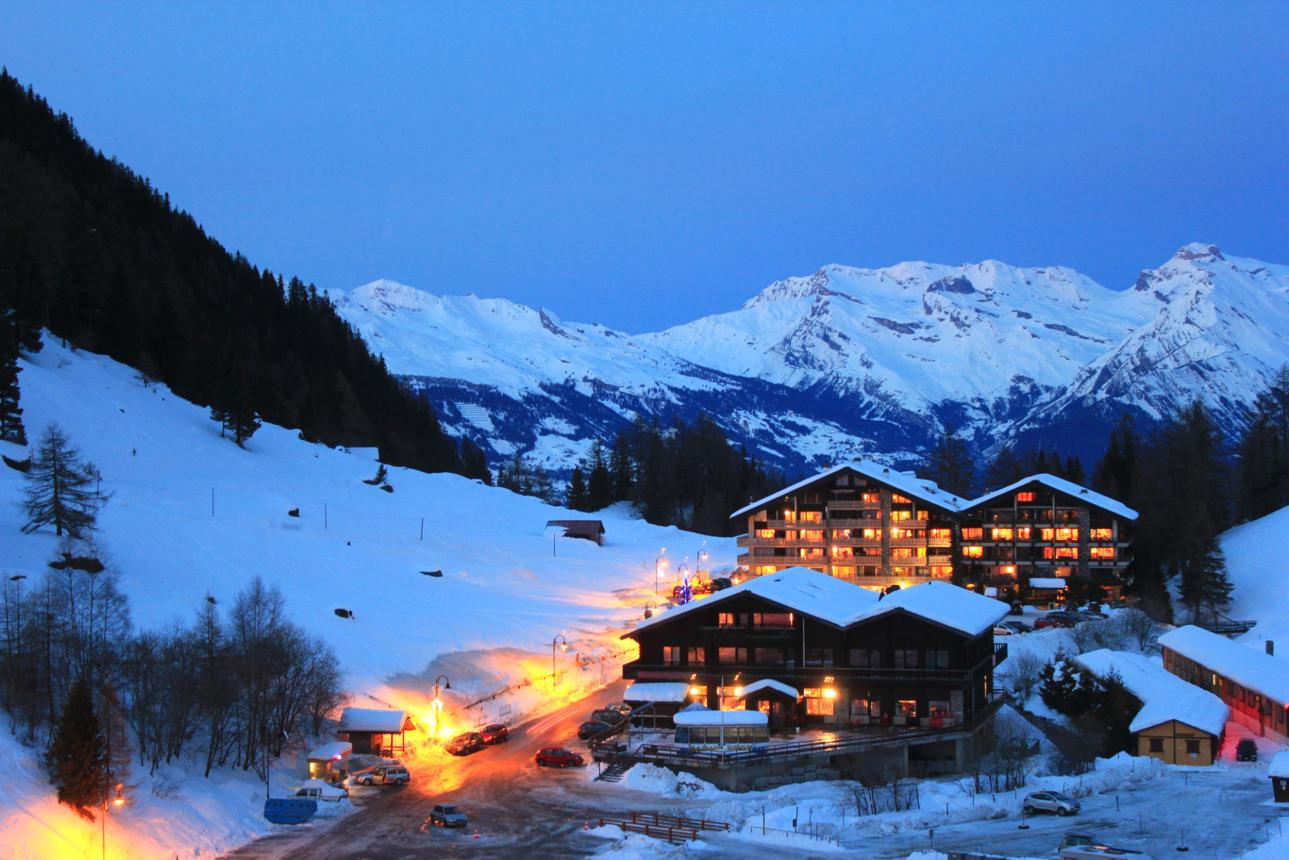

Swiss Hotels Report Strong Winter Season Growth
Switzerland’s hotel industry experienced an exceptionally strong winter season, with record levels of overnight stays recorded despite a slight slowdown at the end of the period. The latest figures from the Federal Statistical Office (FSO) highlight continued resilience in the country’s tourism sector.
Between November and April, Swiss hotels recorded a total of 18.7 million overnight stays, representing a 1.1% increase compared to the previous year. The growth was mainly supported by strong domestic tourism, while international demand showed only modest gains.
Domestic guests accounted for 9.5 million overnight stays, an increase of 1.6%, while foreign visitors contributed 9.3 million stays, rising slightly by 0.5%. This balance shows that Swiss residents played a key role in driving the winter tourism industry.
The months of December, January, and February were particularly strong, with occupancy rates rising by 6.8%, 2.6%, and 2.9% respectively. Popular ski destinations and alpine resorts benefited from favorable winter conditions and steady visitor interest during peak holiday periods.
However, the season ended on a weaker note due to global geopolitical tensions. The outbreak of conflict in the Middle East led to a decline in international travel demand, particularly from Asian markets. Foreign overnight stays fell by 4.8% in March and 5.7% in April, impacting overall momentum toward the end of the season.
Despite this slowdown, Switzerland’s hospitality sector demonstrated strong overall performance, supported by domestic travel and stable winter tourism activity. The results underline the importance of local tourism in maintaining hotel occupancy levels during uncertain global conditions.
Industry experts suggest that Switzerland’s appeal as a premium winter destination continues to remain strong, with alpine resorts and urban hotels both contributing to the country’s tourism success.
The latest figures confirm that Switzerland’s hotel industry remains one of the most stable and attractive sectors in the national economy, even in the face of global challenges affecting travel patterns.