


WHO Warns Ebola Outbreak Is Spreading Rapidly in DRC.

The World Health Organization has issued a strong warning that the Ebola outbreak in the Democratic Republic of Congo is spreading rapidly, with a growing number of suspected cases and deaths reported across affected regions.

According to WHO Director-General Tedros Adhanom Ghebreyesus, nearly 750 suspected cases and 177 suspected deaths have been recorded so far, while 82 infections have been laboratory confirmed. He stated that the situation in the DRC is “much more serious” than initially understood.

The outbreak continues to raise international concern as health authorities struggle to contain the spread in conflict-affected areas. Violence and insecurity in eastern Democratic Republic of the Congo are significantly hampering response efforts, making it difficult for medical teams to reach affected communities.

In neighboring Uganda, officials report a more stable situation, with only two confirmed cases and one death so far.

Global attention has also increased after reports that an American citizen tested positive for Ebola, while another high-risk contact was transferred to the Czech Republic for monitoring and treatment.

The International Federation of Red Cross and Red Crescent Societies (IFRC) stated that while the outbreak could still be contained, the coming days will be critical in determining whether it can be controlled or escalates further.

Health experts continue to emphasize the importance of rapid response, contact tracing, and safe medical support to prevent further spread of the virus.

Weight Loss Drugs May Impact Brain Reward System.

Researchers have raised concerns that new-generation weight loss medications may directly affect the brain’s pleasure and reward system in addition to reducing appetite.

Recent studies on GLP-1 based weight loss drugs suggest that these medications may influence dopamine activity in the brain. Dopamine is a chemical linked to pleasure, motivation, reward, and addictive behavior.

The research, supported by the National Institutes of Health and conducted by scientists at University of Virginia, found that GLP-1 medications may alter how the brain responds to food cravings and reward signals.

Experts say these medicines not only reduce hunger but also decrease cravings for high-calorie foods by affecting brain pathways related to pleasure and satisfaction. Scientists believe this could help people better control overeating and manage obesity more effectively.

However, researchers also warn that altering dopamine-related brain activity could potentially influence emotional responses, addictive behaviors, and feelings of enjoyment. Medical experts stress that further long-term studies are needed to fully understand the neurological impact of these drugs.

Health specialists recommend that people use weight loss medications only under professional medical supervision. Doctors say careful monitoring is important because these treatments may affect both physical and mental health.

GLP-1 based medicines have become increasingly popular worldwide for obesity treatment and diabetes management, but scientists continue to study their broader effects on the human brain and behavior.

Rare Hearing Disorder Prevents Woman From Hearing Male Voices in China

Doctors in China were surprised after a young woman reportedly developed a rare hearing condition that prevented her from hearing male voices clearly while still being able to hear female voices.

The unusual medical case was reported in Xiamen, China, where the woman woke up one morning and discovered that she could not properly hear her boyfriend speaking. She later realized that male voices around her sounded unclear or completely inaudible.

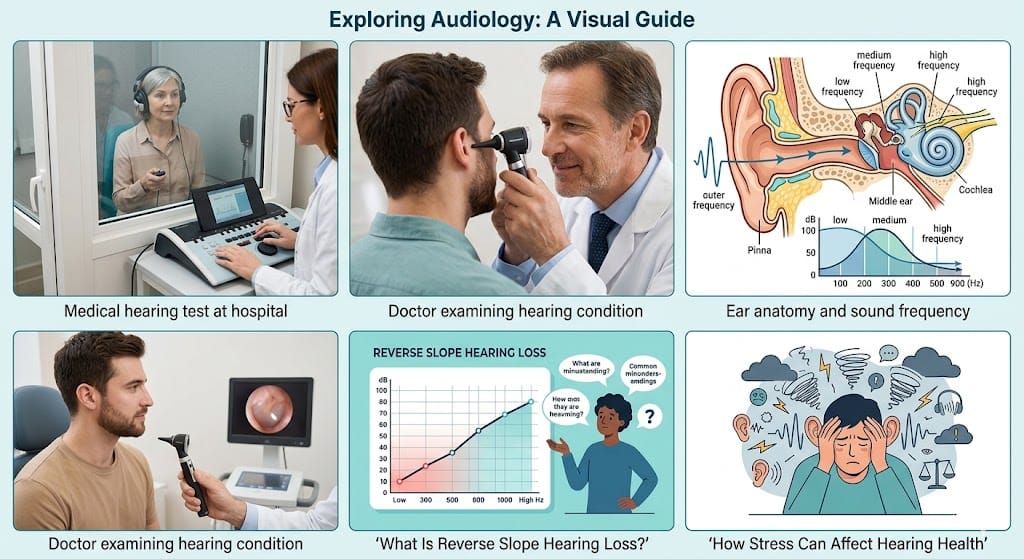
Medical experts diagnosed the condition as “Reverse Slope Hearing Loss,” a rare form of hearing impairment that affects the ability to hear low-frequency sounds. Since male voices generally have lower sound frequencies compared to female voices, the woman struggled to hear conversations involving men.

Doctors explained that the condition may have been triggered by severe stress, emotional exhaustion, and lack of sleep. According to reports, the woman had recently experienced high stress levels and sleep deprivation before the symptoms appeared.

When she visited the hospital, she reportedly heard female nurses speaking without difficulty, while male voices remained difficult to understand. The unusual case quickly attracted public attention and sparked discussions about hearing health and stress-related medical conditions.

Medical professionals say Reverse Slope Hearing Loss is extremely rare compared to common hearing disorders. Experts also warn that chronic stress and poor sleep can negatively affect both mental and physical health, including hearing ability in some cases.

Doctors recommend seeking medical attention immediately if sudden hearing changes or unusual auditory symptoms appear.