Switzerland Set to Forge Closer Strategic Ties With Vietnam

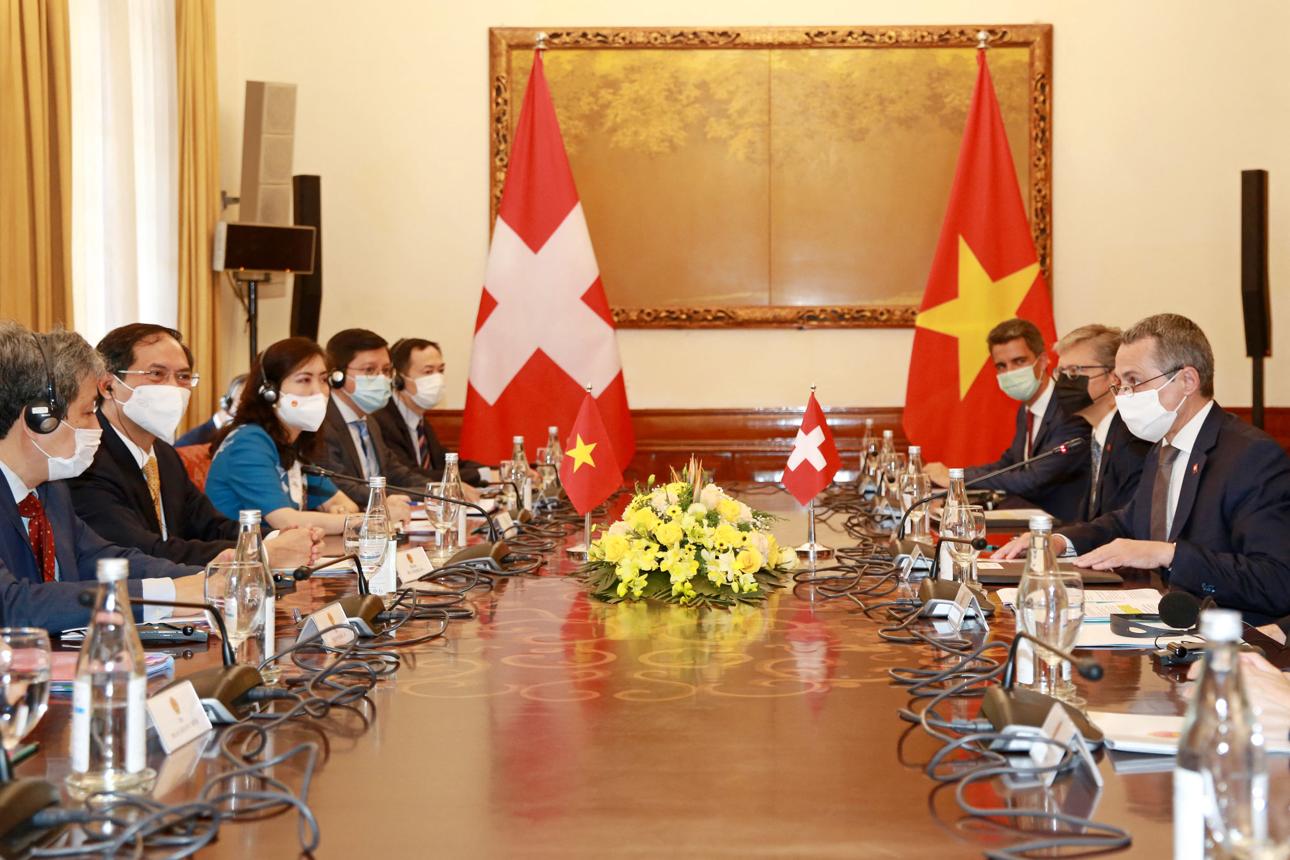
The Swiss government is moving to strengthen its relationship with Vietnam through a broad partnership covering politics, trade, research, and innovation.

According to an official statement released on Friday, Switzerland intends to place cooperation with Vietnam on a more structured and long-term footing under its Southeast Asia Strategy 2023–2026. As part of this strategy, Vietnam has been designated as a “priority partner country” in the region.

Expanding Political and Economic Cooperation

The new partnership aims to deepen political dialogue and expand economic relations between the two countries in a sustainable and coordinated manner. Swiss authorities emphasized that the initiative reflects Vietnam’s growing international importance and the increasing volume of trade between the two nations.

A key element of the strategy is support for ongoing negotiations between the European Free Trade Association (EFTA) and Vietnam. Switzerland also aims to modernize its existing investment protection agreement with the Southeast Asian nation to improve legal and economic frameworks for businesses.

Focus on Innovation and Sustainability

Beyond trade, Switzerland plans to enhance cooperation with Vietnam in education, science, research, innovation, and technology. The partnership will also promote collaboration in areas such as digital transformation, intellectual property, sustainable finance, renewable energy, and infrastructure development.

Swiss officials highlighted that these sectors are central to both countries’ long-term development goals and economic competitiveness.

Strengthening Global Cooperation

The declaration also outlines increased cooperation at multilateral and regional levels, including within the United Nations, ASEAN, and La Francophonie. Both Switzerland and Vietnam reaffirmed their commitment to a rules-based international order and stronger global multilateralism.

The two countries also plan to work together on shared global challenges, including regional security, economic resilience, and sustainable development.

Strategic Importance of the Partnership

The Swiss government stated that this enhanced cooperation reflects Vietnam’s rising economic significance and Switzerland’s interest in strengthening its presence in Southeast Asia.

Regular high-level political consultations are expected to maintain momentum and ensure continued progress across all areas of cooperation.

Hitachi Energy to Build New Swiss Headquarters Near Zurich

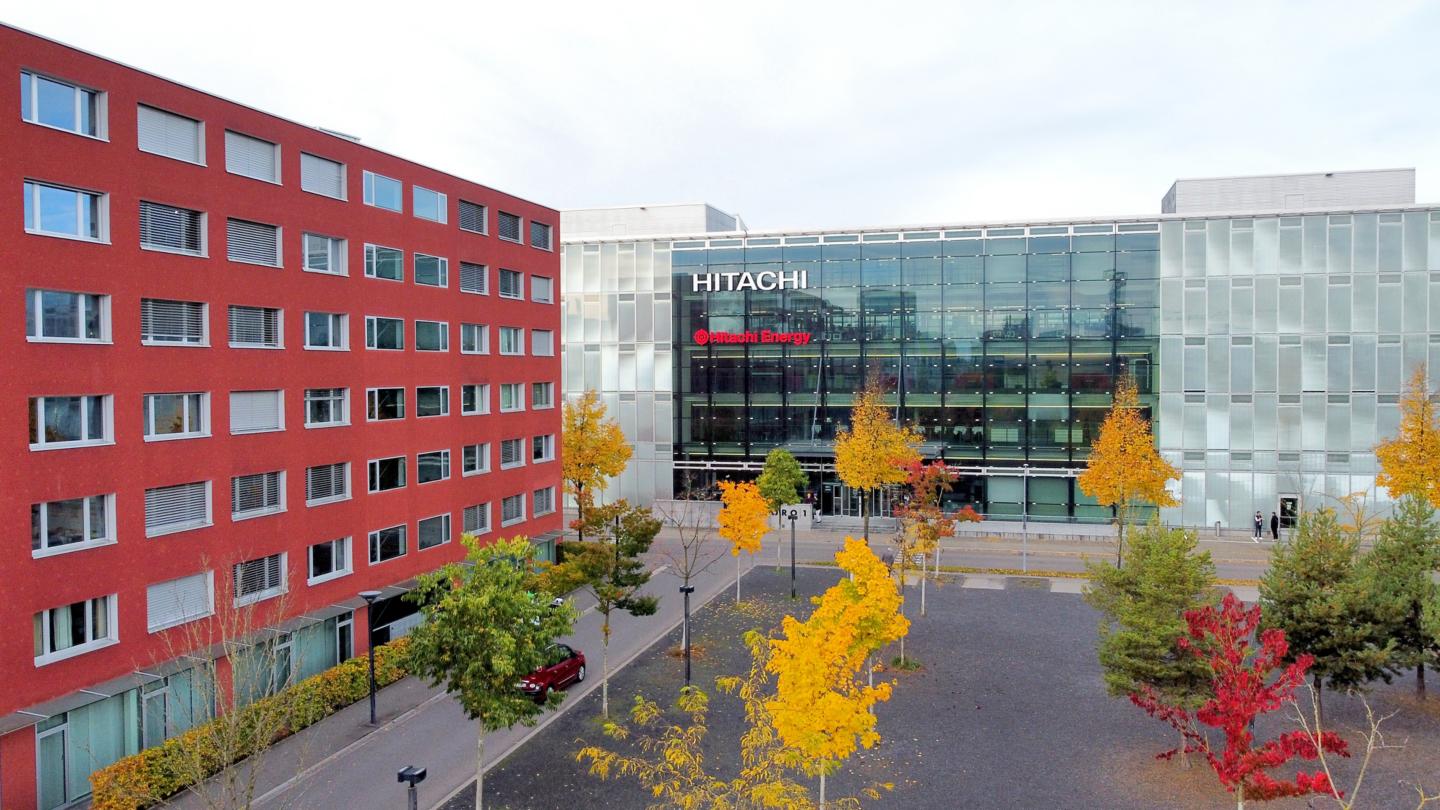
The technology group Hitachi Energy is set to establish its new Swiss headquarters in Otelfingen, located in the canton of Zurich, marking a significant investment in Switzerland’s industrial and technology sector.

According to a statement from the Otelfingen municipal council, the decision has been warmly welcomed locally, as the project is expected to bring substantial economic benefits to the region.

The new headquarters will be developed on the site of the former Jelmoli distribution centre and surrounding areas, covering approximately 11 hectares of land. The large-scale development highlights Hitachi’s long-term commitment to expanding its operations in Switzerland.

A key feature of the project is the creation of up to 3,000 jobs, which is expected to strengthen the local labor market and attract skilled professionals to the region. This development is seen as a major boost for the Zurich metropolitan area.

The municipality of Wettingen in the canton of Aargau had also competed for the project, hoping to secure the investment and associated tax revenues. However, Hitachi ultimately chose Otelfingen, meaning the economic benefits will now flow into the canton of Zurich instead.

Officials view the project as a strategic win for the region, reinforcing Zurich’s position as a key hub for international technology and energy companies.

The development also reflects Switzerland’s continued attractiveness for global corporations seeking stable infrastructure, skilled labor, and strong economic conditions.

Swiss Asset Management Industry Becomes Third Largest in Europe

Switzerland’s asset management industry has reached a new record high in 2025, strengthening its position as the third largest in Europe after the United Kingdom and France.

According to the Asset Management Association Switzerland (AMAS), total assets under administration rose by 8% year-on-year to CHF3.73 trillion (around $4.67 trillion). The growth highlights the continued strength and international relevance of Switzerland’s financial sector.

AMAS director Adrian Schatzmann stated that the industry remains resilient and strategically important for the Swiss financial centre. He emphasized that Switzerland continues to play a key role in global investment flows despite increasing international competition.

A recent study conducted with consulting firm Zeb identifies several key drivers behind the sector’s growth. These include the expansion of private markets, financial innovation, and improved access to international investors.

One notable trend is the increasing role of foreign clients in Switzerland’s asset management industry. According to the report, approximately one-third of all assets under management in the country originate from international investors, underlining Switzerland’s strong global appeal.

Experts suggest that continued innovation and diversification will be essential for maintaining competitiveness in the evolving European financial landscape. The rise of private markets and cross-border investment opportunities is expected to further strengthen Switzerland’s position in the coming years.

With steady growth and strong international participation, Switzerland’s asset management sector continues to solidify its reputation as a leading global financial hub.

Swiss Sustainable Investments Climb to CHF1.94 Trillion in 2025.

Switzerland’s sustainable investment market continued its impressive growth in 2025, reinforcing the country’s position as a global leader in responsible and environmentally conscious finance. Despite challenges faced by sustainable investment markets in several other countries, Switzerland maintained strong momentum throughout the year.

According to a new study published by Swiss Sustainable Finance (SSF), the total value of sustainable investments in Switzerland increased by 3% and reached an impressive CHF1.94 trillion by the end of 2025.

The report highlights a significant shift in the financial industry. Sustainability considerations are no longer limited to specialized investment products. Instead, environmental, social, and governance (ESG) principles are increasingly being integrated into standard investment and business processes, making sustainable finance a mainstream practice across the Swiss market.

Financial institutions are also paying closer attention to climate-related risks. Extreme weather events are now considered one of the most significant threats to financial performance. Investors recognize that natural disasters can affect company profits, reduce asset values, and disrupt global supply chains.

At the same time, the transition toward a greener economy is creating new opportunities. Demand for resilient infrastructure, renewable energy projects, and climate-friendly business models is attracting growing investment from both institutional and private investors.

The study also reveals a rapid increase in the use of artificial intelligence across the financial sector. Many AI-powered tools have moved beyond the testing stage and are now actively supporting investment analysis, risk assessment, portfolio management, and the development of innovative financial products.

Industry experts believe that the combination of sustainable finance and advanced technologies will play a crucial role in shaping the future of Switzerland’s financial sector. As investors increasingly seek long-term value and resilience, sustainable investments are expected to remain a key growth area in the years ahead.

The latest figures demonstrate that Switzerland continues to strengthen its reputation as a leading hub for sustainable finance, innovation, and responsible investment strategies in Europe and beyond.

Bern Remains the Biggest Winner in Switzerland’s Financial Equalisation System

Switzerland’s financial equalisation system will continue to redistribute billions of francs between cantons in 2027, ensuring balanced development across the country. According to new calculations by the Federal Finance Administration, approximately CHF 4.6 billion will be transferred from wealthier cantons to those with fewer financial resources.

Although the total amount is lower than the previous year by around CHF 1.8 billion, the system remains a key pillar of Swiss federal solidarity. The mechanism aims to reduce financial disparities and help all cantons provide comparable public services.

Once again, Bern will be the largest beneficiary of the scheme. The canton is expected to receive approximately CHF 1.71 billion in net compensation payments during 2027, maintaining its position as the biggest recipient of support.

Other cantons benefiting significantly from the redistribution include Valais, which is expected to receive CHF 897 million, followed by Aargau with CHF 709 million and Fribourg with CHF 593 million. Additional beneficiaries include Neuchâtel, Jura, and Vaud.

On the contributor side, Zug and Geneva remain Switzerland’s largest financial supporters. Zug is expected to contribute approximately CHF 529 million, while Geneva will provide around CHF 497 million. Other contributing cantons include Zurich, Schwyz, Basel City, Nidwalden, Schaffhausen, and Appenzell Innerrhoden.

The Swiss equalisation system reflects the country’s commitment to economic balance and cooperation among cantons. By sharing financial resources, Switzerland seeks to maintain high-quality public services and economic stability throughout the nation, regardless of regional wealth differences.

As economic conditions evolve, the equalisation framework continues to play a vital role in strengthening national cohesion and supporting less financially advantaged regions.

Switzerland Reacts to New US Tariff Proposal.

Swiss President Guy Parmelin has stated that the Swiss government was not surprised by the United States’ proposal to introduce new tariffs of 12.5% on Swiss goods. He confirmed that Switzerland is currently engaged in ongoing negotiations with Washington to reach a balanced trade agreement.

Speaking at the Swiss Economic Forum (SEF) in Interlaken, Parmelin explained that Swiss authorities were already aware of investigations under Section 301 of the US Trade Act. He noted that the government had anticipated a decision regarding potential trade measures from the United States.

Parmelin, who also serves as Switzerland’s economics minister, emphasized that the Swiss government firmly rejects the criticisms made by the US in relation to its trade practices. He added that Switzerland has already responded to these concerns in written form as part of official diplomatic communication.

Despite the proposed tariffs, Swiss officials are continuing discussions with US representatives, aiming to protect key export sectors and maintain stable economic relations between the two countries. The negotiations are expected to focus on ensuring fair trade conditions and minimizing potential impacts on Swiss industries.

The announcement comes at a sensitive time for global trade relations, as countries continue to navigate economic uncertainty and shifting tariff policies. Switzerland, a highly export-oriented economy, is closely monitoring developments to safeguard its economic interests.

Authorities have reiterated their commitment to dialogue and diplomatic engagement, signaling that discussions with the United States will continue in the coming months.

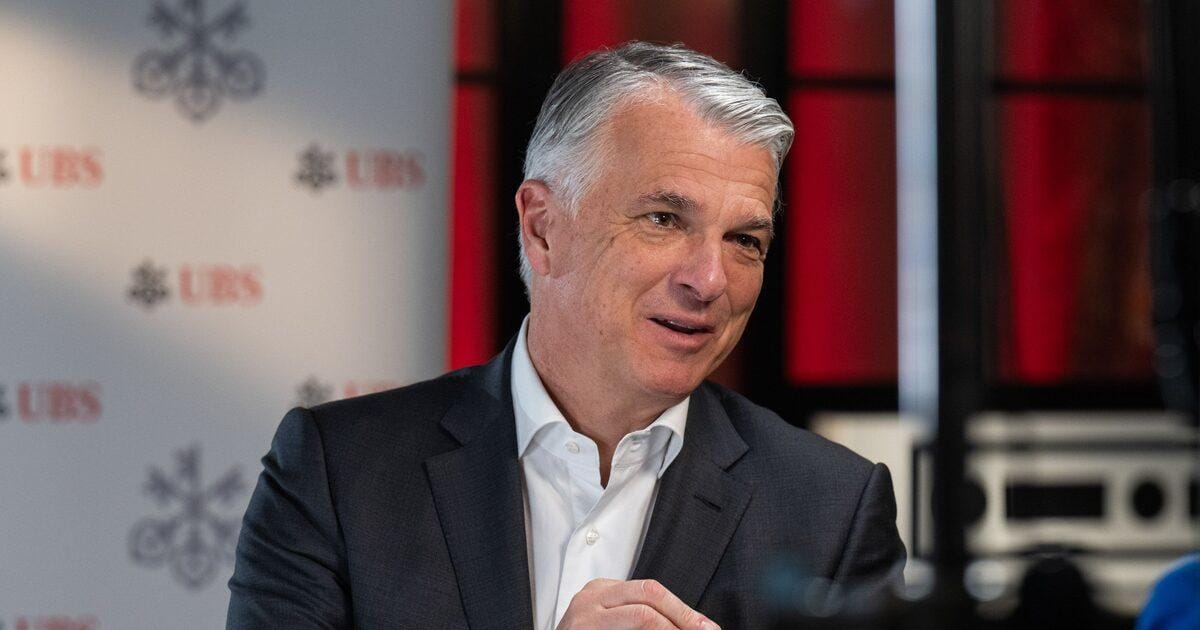
UBS CEO Sergio Ermotti Dismisses Relocation Rumours, Reaffirms Swiss HQ.

UBS Chief Executive Officer Sergio Ermotti has reaffirmed the bank’s long-term commitment to Switzerland, dismissing ongoing speculation about a possible relocation of its headquarters.

Speaking amid renewed debate over Swiss banking regulations, Ermotti stressed that UBS remains firmly anchored in Switzerland, despite tensions with the federal government over proposed changes to capital requirements.

The dispute centres on a plan by the Federal Council to require UBS’s foreign subsidiaries to be fully backed by equity capital. The measure is intended to strengthen financial stability and reduce systemic risk in the banking sector.

UBS has opposed the proposal, arguing that stricter capital rules could weaken its global competitiveness and limit its operational flexibility in international markets.

The disagreement has repeatedly triggered speculation that UBS might consider shifting parts of its operations abroad. However, Ermotti has consistently rejected such rumours, emphasizing that Switzerland remains the bank’s strategic and operational base.

The Swiss government maintains that stronger capital buffers are necessary given UBS’s size and global exposure, particularly following its takeover of Credit Suisse, which significantly expanded its balance sheet.

Despite regulatory tensions, UBS leadership continues to highlight the importance of Switzerland as a stable financial hub and key location for global banking operations.

The latest remarks from Ermotti aim to reassure markets and policymakers that UBS intends to maintain its headquarters in Switzerland while continuing discussions with regulators on future capital rules.

Roche Criticizes US and China Protectionism, Calls Tariff Policy “Blackmail”.

Roche Chair Severin Schwan has strongly criticized rising protectionist trade policies in the United States and China, describing US tariff strategies as a form of “blackmail” during remarks at the Swiss Economic Forum in Interlaken.

Schwan warned that the world’s two largest pharmaceutical markets are increasingly using their economic dominance to force companies to shift value creation within their borders. He said this trend is significantly disrupting the global structure of the pharmaceutical industry.

According to Schwan, both the United States and China are pursuing policies that prioritize domestic production and investment, creating pressure on international pharmaceutical firms to adapt their supply chains and operational strategies.

The comments come after Roche, alongside other major pharmaceutical companies including Novartis, reached an agreement with the US government in late 2025. The deal includes price reductions for certain medicines produced by Roche subsidiary Genentech, in exchange for a temporary exemption from US pharmaceutical tariffs.

Roche has also committed to large-scale investment in the United States, reportedly totaling around $50 billion, as part of efforts to maintain market access and regulatory stability.

However, Schwan argued that such arrangements are not genuine partnerships but rather one-sided pressures imposed by powerful markets. He stated that companies are effectively forced into compliance under the “law of the strongest.”

In response to ongoing uncertainty, Roche has increased short-term exports to the United States while accelerating long-term plans to restructure its global supply chains. The company aims to reduce its dependence on politically sensitive markets, although Schwan acknowledged that such shifts could have negative consequences for other countries, including Switzerland.

The remarks highlight growing tensions between global pharmaceutical firms and major economic powers as trade policy becomes increasingly intertwined with industrial strategy.

Nestlé Acquires Full Ownership of Germany’s yfood Labs.

Swiss food and beverage giant Nestlé has agreed to acquire full ownership of Germany-based yfood Labs, a company known for its liquid meals, powdered nutrition products, and snack bars.

Nestlé previously held a 49% stake in the Munich-based company since 2023. With this new agreement, the multinational will take complete control of the business, further expanding its presence in the growing functional food and meal-replacement market.

Although financial details of the transaction were not disclosed due to a confidentiality agreement, Nestlé confirmed that yfood Labs generated approximately €150 million (CHF 137.5 million) in revenue last year, highlighting the company’s strong performance in its sector.

The transfer of shares from the founders is expected to take place on July 3, pending the necessary regulatory approvals. Once completed, the acquisition will allow Nestlé to fully integrate yfood Labs into its broader global portfolio.

Industry analysts view the deal as part of Nestlé’s ongoing strategy to strengthen its position in innovative nutrition products that target modern consumer lifestyles, including on-the-go meals and health-focused alternatives.

The acquisition also reflects the continued consolidation trend in the European food and beverage sector, where major corporations are expanding through strategic investments in fast-growing niche brands.

Switzerland Expected to See Moderate Economic Growth: OECD Report.

The Organisation for Economic Co-operation and Development (OECD) has projected that Switzerland will experience moderate economic growth in the coming years, supported mainly by strong domestic demand despite global economic uncertainties.

According to the latest report published on Tuesday, Switzerland’s real GDP is expected to grow by 1.1% in 2026 and rise to 1.5% in 2027. The outlook suggests that the Swiss economy will remain relatively stable even as global energy prices and geopolitical tensions continue to impact international markets.

The OECD notes that higher energy costs and weaker external demand may slightly affect exports in the short term. However, Switzerland’s strong domestic market and low dependence on fossil fuels are helping to cushion the impact. The country’s limited reliance on Middle Eastern energy imports also reduces its vulnerability compared to many other OECD economies.

Export performance is expected to recover in 2027 as key trading partners rebound from the energy shock. This recovery is likely to support Swiss industries, particularly export-driven sectors such as pharmaceuticals and high-value manufacturing.

Inflation in Switzerland is projected to remain within the Swiss National Bank’s (SNB) target range of 0–2%, despite short-term pressure from rising energy prices. The Swiss franc’s strength, driven by its safe-haven status, continues to influence monetary policy decisions and help control inflation levels.

The OECD also highlights potential risks, including prolonged energy market instability, supply chain disruptions, and possible new trade tariffs. However, a faster-than-expected recovery in Europe and other major markets could further improve Switzerland’s growth outlook.

Overall, the Swiss economy is expected to remain stable, with gradual growth supported by domestic resilience, cautious monetary policy, and a strong financial system.