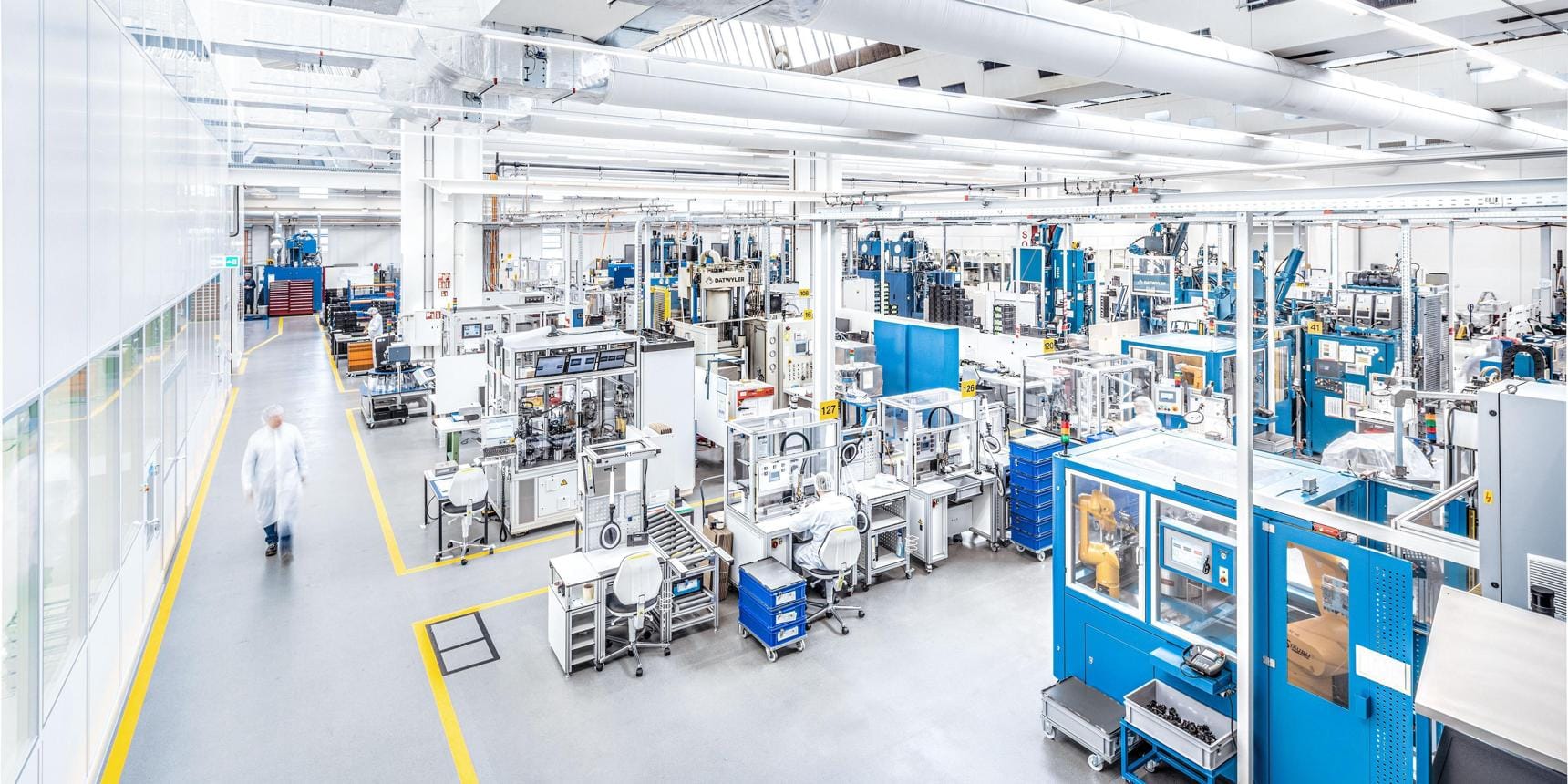
Swiss Technology SMEs Struggle Under Economic Pressure.

Small and medium-sized enterprises in Switzerland’s technology sector are facing growing economic pressure due to weak demand, currency challenges, and rising operating costs. According to the latest survey released by Swissmechanic, business confidence among SMEs in the machinery, electrical equipment, and metals industries remains deeply negative.

The business climate index for Swiss MEM industry SMEs stood at around minus 30 points in April 2026, continuing a prolonged downturn that has persisted since the end of 2023. Many companies report ongoing uncertainty and reduced customer demand across key industrial sectors.

The lack of incoming orders remains the biggest challenge, with 60% of surveyed companies identifying it as their main concern. Businesses are also struggling with the impact of the strong Swiss franc, which affects export competitiveness and profitability in international markets.

Around 41% of companies highlighted exchange rate fluctuations as a major issue, while 23% pointed to rising energy costs. These pressures have intensified since the beginning of 2026 and continue to affect operating margins across the industry.

Financial performance has weakened for many businesses. During the first quarter of 2026, approximately four out of ten SMEs reported a decline in EBIT margins, reflecting increasing cost pressure and reduced profitability.

Despite the difficult environment, some companies are attempting to protect jobs through short-time work programmes and internal efficiency measures. Around 18% of SMEs said they are maintaining their workforce despite declining earnings.

Investment activity also remains limited. Nearly one-quarter of surveyed companies stated they are unable to invest due to financial constraints, especially limited equity capital. Many firms are choosing to maintain current production capacity rather than expand operations during uncertain market conditions.

However, there are small signs of improvement in the Swiss technology industry. Exports from the MEM sector have increased for three consecutive quarters, and Switzerland’s purchasing managers’ index recently moved above the growth threshold for the first time since late 2022.

Even so, industry experts warn that a stable and long-term recovery has not yet been secured, and many SMEs continue to face significant economic uncertainty in 2026.

Swiss Health Insurance Premiums to Rise 5% in Autumn.

Health insurance premiums in Switzerland are set to increase by around 5% in autumn 2026, according to new projections from the Federal Office of Public Health. The announcement was made during a media briefing in Bern on Tuesday, where officials highlighted the continued rise in healthcare costs across the country.

Swiss healthcare spending has increased significantly, with costs rising by an additional CHF247 per capita last year. Authorities confirm that this upward trend is expected to continue, driven by multiple long-term factors affecting the healthcare system.

Officials from the Federal Office of Public Health stated that premium increases are closely linked to overall cost growth in the healthcare sector. On average, insurers expect costs to rise by nearly 5% in 2026, which directly influences the adjustment of monthly premiums paid by residents.

Experts explain that the rise in healthcare expenses is due to several structural factors, including an ageing population, advances in medical technology, and increasing demand for healthcare services. These elements continue to place pressure on Switzerland’s insurance-based healthcare model.

Cost growth in the first quarter of the current year was recorded at approximately 2.9%, confirming that medical spending remains on an upward trajectory. Authorities have stressed that controlling costs remains a long-term challenge for policymakers and insurers alike.

The Federal Office of Public Health emphasized that while the Swiss healthcare system remains high-quality and efficient, sustained efforts are needed to manage expenditure growth and ensure long-term affordability for citizens.

As premiums continue to rise, public debate in Switzerland is expected to intensify around healthcare reform, insurance affordability, and cost control measures in the coming years.

Asian Tourist Drop Slows Swiss Summer Tourism Growth.

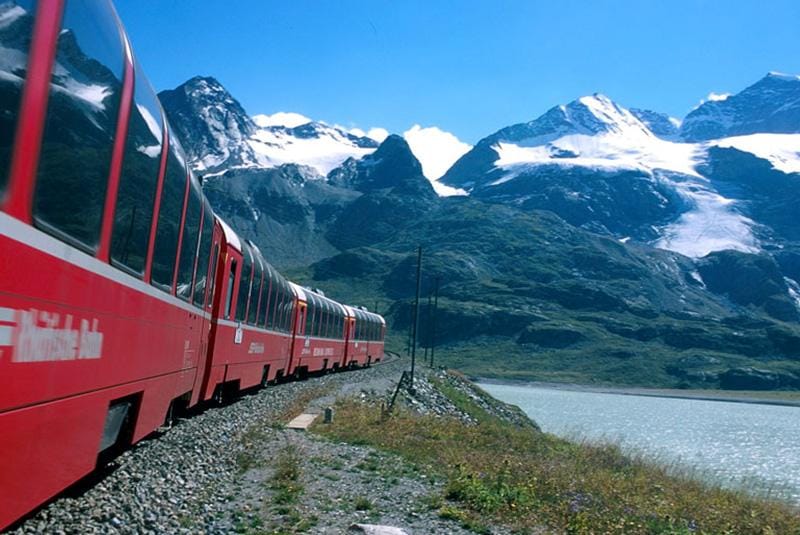
Switzerland’s summer tourism sector is expected to slow down in 2026, mainly due to a sharp decline in visitors from Asia. According to the latest forecast from the KOF Swiss Economic Institute at ETH Zurich, overnight hotel stays are projected to fall by 1.6% to around 24.8 million.

Researchers highlight that the ongoing Iran conflict is having a significant impact on global travel patterns, particularly long-haul flights. Rising fuel costs, higher airfares, and longer or less secure flight routes are discouraging many international tourists from travelling to Switzerland this summer.

The study shows that foreign guest overnight stays are expected to decline by 2.9% to 13 million. The biggest drop is predicted in visitors from Asia, which could fall by around 10% to 1.5 million overnight stays. Chinese tourists are expected to see an even sharper decline of approximately 25.7%, reducing their total to 0.4 million.

Asian visitors play an important role in Switzerland’s tourism economy, especially in major cities where long-distance tourism supports hotels, retail, and guided services. Their share of foreign overnight stays is expected to drop from 12.4% in summer 2025 to about 11.5% this year.

While international tourism is weakening, domestic demand is showing slight growth. Swiss residents are expected to generate around 11.8 million overnight stays, marking a modest increase of 0.2%. European visitors are also expected to remain relatively stable at 6.7 million overnight stays, a slight decrease of 0.4%.

Experts explain that European travellers are less affected because they can still reach Switzerland easily by car, train, or short-haul flights. In contrast, long-distance travel markets are more sensitive to fuel prices and geopolitical uncertainty.

Looking ahead, the winter season 2026/27 is expected to remain stable, with around 18.7 million overnight stays forecast. Unlike the summer season, winter tourism relies more on regional visitors and Swiss residents, making it less vulnerable to global disruptions.

The KOF also noted that the previous winter season was strong overall, although momentum slowed towards the end due to weaker snow conditions and early effects of global conflict.

Swiss Old-Age Pension Payments Hit Record High.

Switzerland has reported a record rise in old-age pension payments, reflecting the country’s steadily ageing population. According to the Federal Social Insurance Office, a total of 2.64 million old-age pensions were paid out last year, marking a 1.6% increase compared to the previous year.

The data shows that Switzerland continues to experience a consistent rise in pension recipients. In the previous year, the number of beneficiaries had already increased by around 1.8%, adding approximately 44,000 new pensioners. In the latest reporting period, a further net increase of about 40,400 people was recorded.

By the end of 2025, the Swiss pension system was paying out a total of around 2.91 million pensions, including old-age pensions as well as widows’, widowers’, and orphans’ benefits. Notably, around one-third of these pensions are being paid to individuals living outside Switzerland, highlighting the global nature of Swiss retirement distribution.

Despite the growing number of beneficiaries, the Swiss pension system remained financially stable. It closed the year with a surplus, as total income exceeded expenditure by CHF1.8 billion. When investment income is included, the overall operating result reached CHF4.4 billion, although this was lower than the CHF5.6 billion recorded the previous year.

The continued growth in pension payouts reflects demographic changes in Switzerland, where an ageing population is placing increasing pressure on long-term social insurance systems. Policymakers continue to monitor sustainability measures to ensure that future generations receive stable retirement support.

The report has sparked renewed discussion about retirement planning, cost of living for pensioners, and the financial balance of Switzerland’s public pension system.

Swiss Home Ownership Dream Faces Housing Crisis.

The dream of owning a home in Switzerland remains difficult for many residents due to rising property prices and limited housing supply, according to a new survey published by MoneyPark and Helvetia.

The study found that nearly 70% of people aged between 25 and 40 want to own their own property, especially detached houses located in quieter rural areas. However, only 16% of current homeowners said they are considering selling their homes, creating major supply pressure in the market.

The survey also highlighted differences in housing satisfaction across Switzerland. Only one-third of tenants reported being satisfied with their current homes, compared to 54% of apartment owners and 89% of detached house owners.

According to MoneyPark CEO Lukas Vogt, many Swiss residents would prefer to live in rural environments but continue moving toward cities due to better job opportunities, infrastructure, and social connections.

This trend is contributing to continued urbanisation across the country rather than a movement back toward rural living.

Housing affordability has also become a major political issue. On June 14, voters in Zurich will vote on initiatives aimed at improving tenant protections and increasing the supply of affordable housing.

The ongoing housing shortage remains one of the biggest economic and social challenges in Switzerland, especially for younger generations trying to enter the property market.