

Man Caught With 50kg of Marijuana at Swiss-German Border Claims “Personal Use”

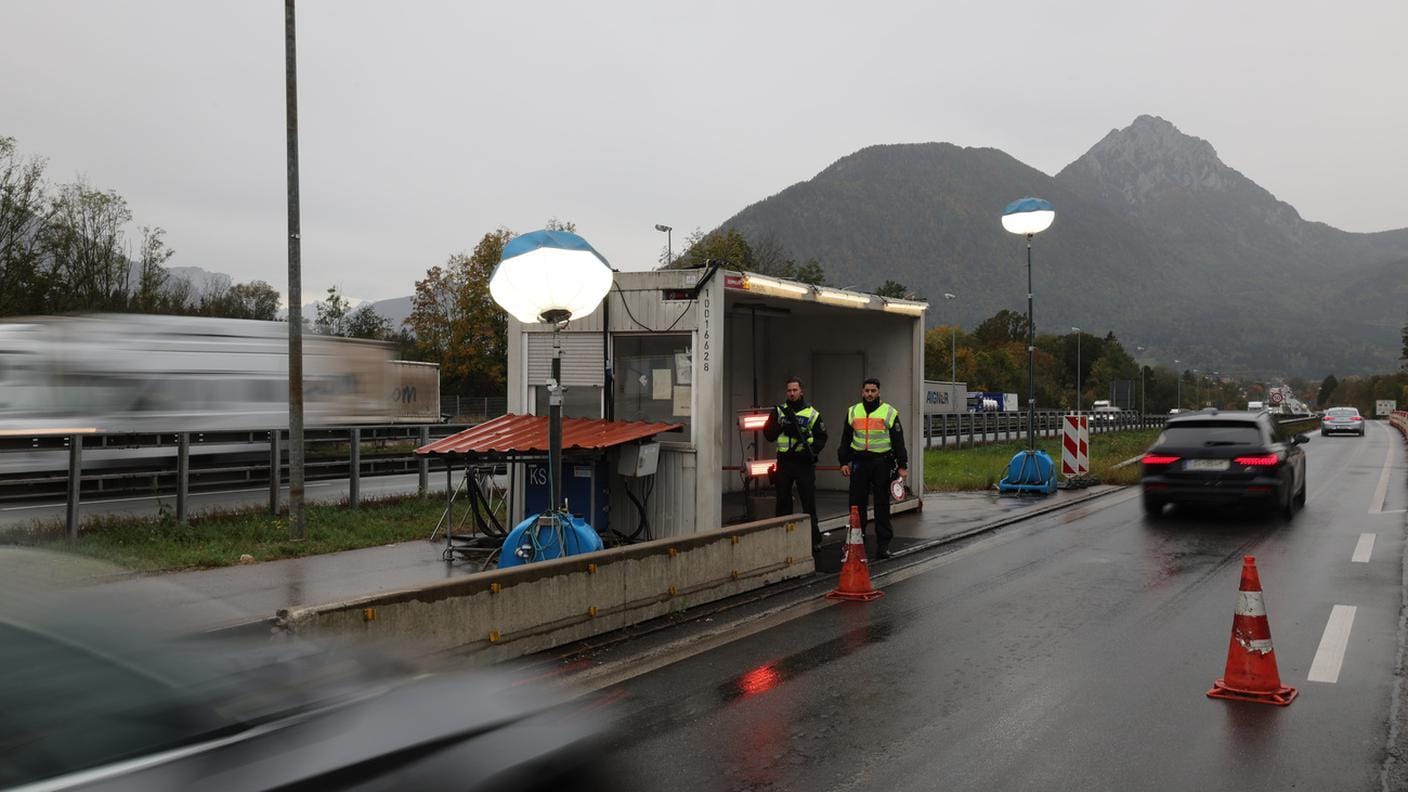
A 24-year-old Polish man has been arrested at the Switzerland–Germany border after German customs officers discovered 50 kilograms of marijuana hidden inside his vehicle.

The incident took place in Blumberg, near the border of the Swiss canton of Schaffhausen. Authorities from German customs in Singen reported that the suspect claimed the drugs were purchased in Switzerland for “personal use.”

However, officials quickly dismissed the claim, stating that the import, export, and transit of cannabis remain strictly prohibited under German law, even when claimed for personal consumption.

The seizure occurred at the end of April but was officially reported this week. Customs officers found the drugs carefully concealed in multiple locations inside a Mercedes vehicle registered in Germany.

According to investigators, the cannabis was packed into 47 separate bags and hidden in the boot, spare wheel compartment, and footwell area behind the rear seats.

German authorities confirmed that criminal proceedings are now underway against the suspect as they continue to investigate the origin and intended destination of the large drug shipment.

Officials highlighted that cross-border drug trafficking remains a serious concern in the region due to the proximity of Switzerland and Germany, where vehicle inspections and customs checks frequently uncover illegal transport attempts.

The case adds to a growing number of drug-related arrests along European border routes, where organized smuggling networks often exploit busy transit corridors.
Geneva Prepares Special Security Measures Ahead of G7 Summit in Evian

Authorities in Switzerland are preparing extensive security measures ahead of the upcoming G7 Summit scheduled to take place in Evian, France, near the Swiss border.

The Geneva Public Prosecutor’s Office has announced a large-scale operational plan to handle potential incidents during the summit, which will run from June 15 to June 17 on the French side of Lake Geneva.

Geneva public prosecutor Olivier Jornot said authorities are preparing for the “most dangerous scenario,” including possible mass arrests linked to protests or security incidents.

To manage the expected pressure, the prosecutor’s office plans to double or even triple its usual staffing levels during the summit period. Up to six prosecutors per day will reportedly be placed on standby to handle urgent legal procedures.

Officials also confirmed that routine hearings involving detainees will be significantly reduced during the summit in order to prioritize emergency response and security-related cases.

Security planning has identified two main risk areas. The first involves potential threats against heads of state and delegations, which falls under federal-level Swiss security responsibility. The second concerns civil disturbances, including protests, vandalism, and property damage, which will be handled by Geneva authorities.

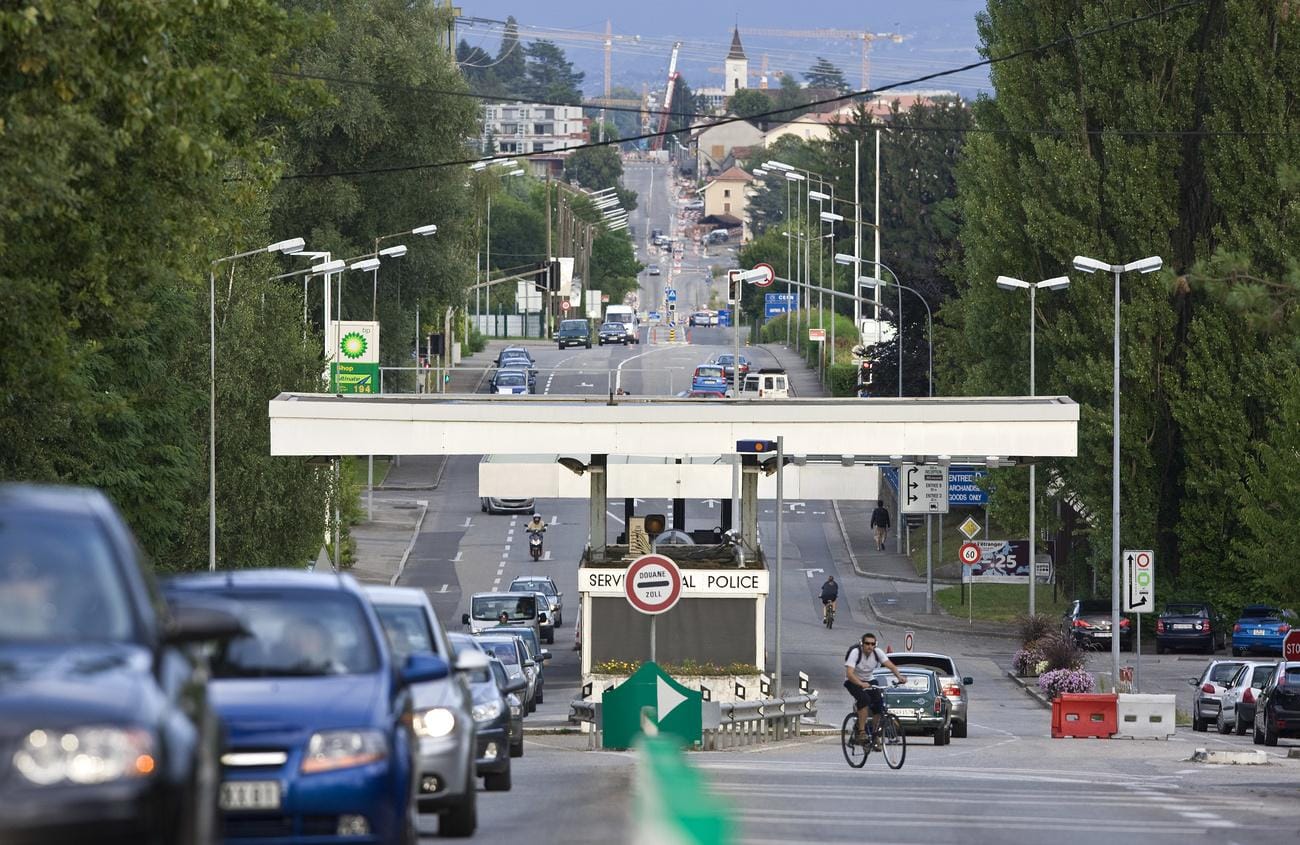
In response to these risks, Geneva will also tighten border controls during the summit period. Between June 12 and June 18, only seven of the canton’s 35 border crossings will remain open to regulate movement and strengthen security monitoring.

Authorities have cited lessons learned from the 2003 G8 summit in Evian, when protests led to significant damage on the Swiss side of the border.

The coordinated Swiss-French security strategy highlights the importance of cross-border cooperation during major international political events held in the Lake Geneva region.

Bern Police Launch ‘Super-Recogniser’ Pilot Project to Identify Criminals.

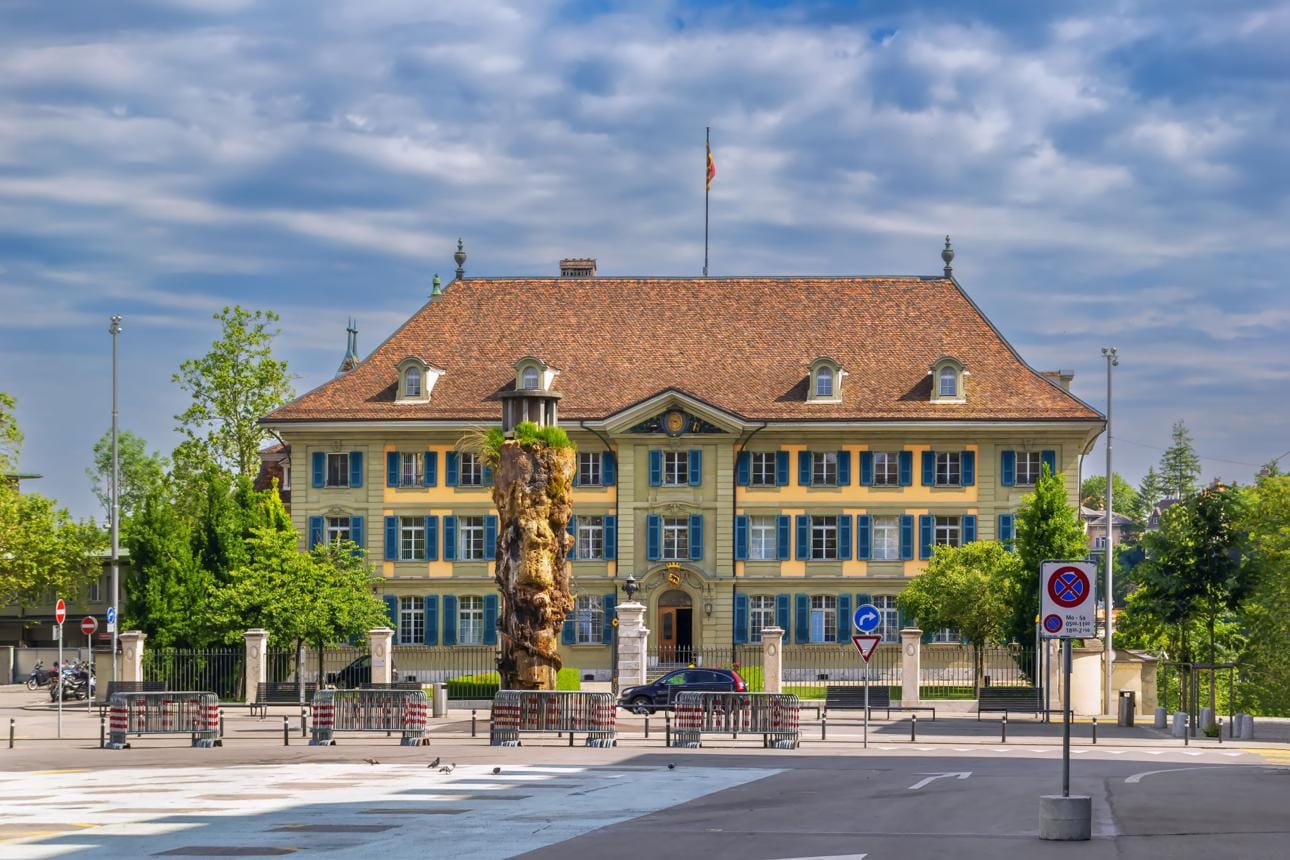
Bern Cantonal Police is launching a pilot project that uses officers with exceptional face-recognition abilities, known as “super-recognisers,” to support criminal investigations.

The initiative follows internal testing within the police force, where around 30 officers were identified as having above-average facial recognition skills. According to a police spokesperson, roughly 10% of participants in the screening demonstrated these enhanced abilities.

Super-recognisers have the rare capacity to accurately remember and identify faces even after brief or indirect encounters. Authorities say this capability can significantly assist in locating violent offenders and improving public safety operations.

The project development was already underway when the Canton of Bern parliament approved a motion from the Centre Party in March calling for the use of super-recognisers to strengthen policing capabilities.

Officials noted that recent public order challenges, including escalated demonstrations in the canton last October, contributed to political support for the initiative.

The Bern Cantonal Police confirmed that detailed planning for the pilot is now complete and implementation is scheduled for the summer. Officers selected for the program will be deployed to support investigations where facial identification is critical.

The pilot reflects a broader trend in European policing strategies that combine human cognitive skills with modern investigative methods to improve identification accuracy and response times.

Authorities will evaluate the effectiveness of the program after its initial rollout before deciding whether to expand it across the canton.