Indian Tourist Fined in Switzerland for Traffic Violation.

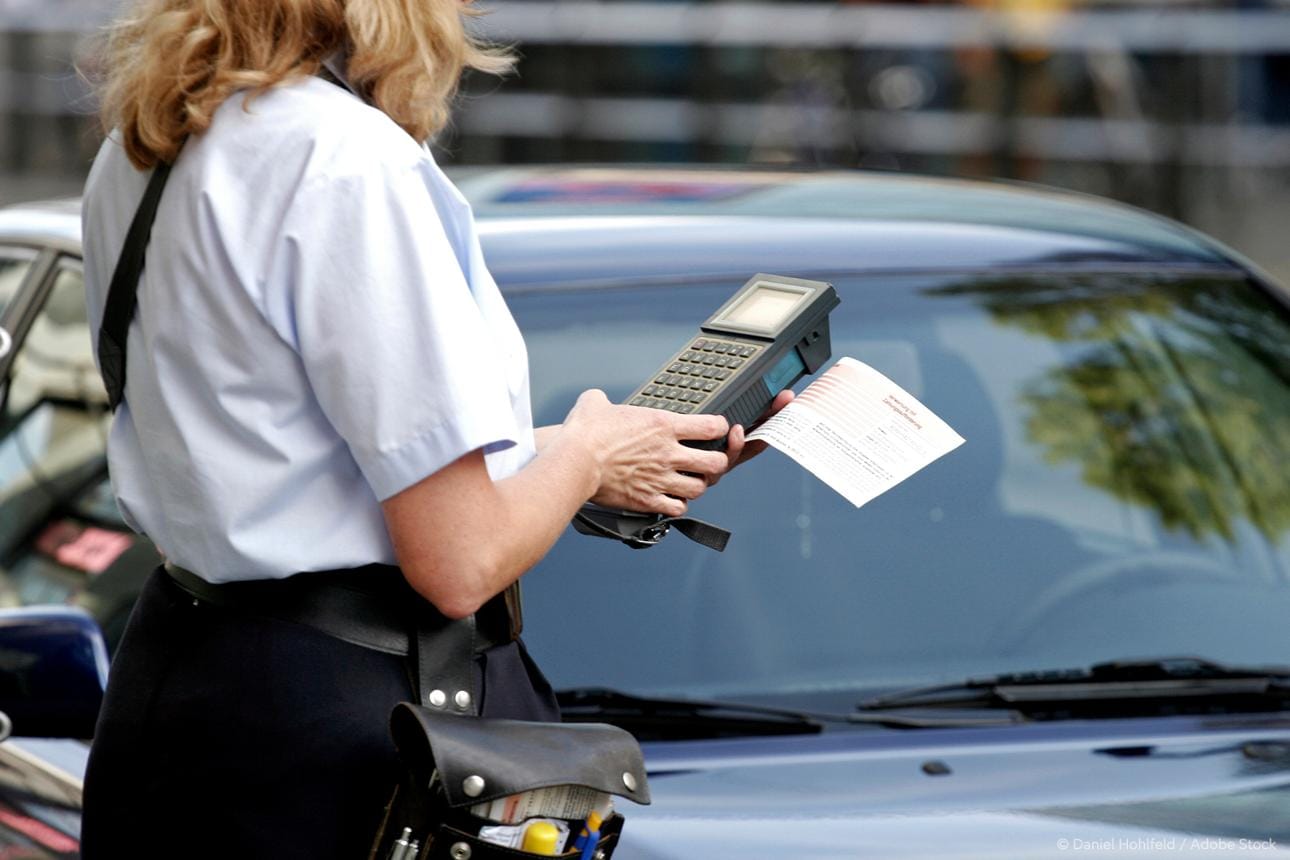
An Indian tourist has reportedly received a substantial traffic violation fine after visiting Switzerland nearly a year ago, highlighting the strict enforcement of road laws in the country.

According to reports shared on social media, the young woman traveled to Switzerland for tourism and later received a notice alleging that she had violated traffic regulations during her stay. The fine demanded is estimated to be around ₹1.5 lakh in Indian currency.

The incident gained attention after the tourist posted about it online, asking whether others had experienced similar situations. Several users responded, stating that such delayed fines are not uncommon in Switzerland and other European countries, including Germany and Italy.

Some travelers shared similar experiences where they received penalty notices months after returning from their trips abroad. In some cases, fines were significantly lower, while others reported unexpected charges linked to rental vehicles or road violations.

However, many users noted that Switzerland is known for its strict traffic laws and consistent enforcement. Authorities in European countries often track violations through automated systems such as speed cameras, toll systems, and rental car agreements, which can result in delayed notices being sent internationally.

Reports also suggest that such fines are typically non-negotiable once issued. Failure to pay may lead to increased penalties over time or legal complications in future travel within the region. Some users advised that installment payment options may sometimes be available depending on the issuing authority.

The incident serves as a reminder for international travelers to carefully follow local traffic rules when visiting foreign countries, especially in Europe where enforcement systems are highly automated and strictly regulated.

Swiss authorities are known for maintaining strong road safety standards, and penalties are often enforced without exceptions, reinforcing the importance of compliance for all visitors.


How to Withdraw Remaining Pension Funds in Switzerland (2nd Pillar Guide)

In Switzerland, the occupational pension system (commonly known as the 2nd pillar or BVG/Pensionskasse) allows individuals to access their retirement savings under specific legal conditions. Many residents who have already withdrawn part of their pension funds often ask whether they can withdraw the remaining balance again.

Can You Withdraw Pension Funds Again?

Yes, in certain situations, individuals who have previously withdrawn part of their pension funds—such as for buying a home or leaving Switzerland—may still be able to access remaining funds.

However, eligibility depends on the reason for the first withdrawal and current legal conditions.

Key Rule: Waiting Period and Conditions

If you have withdrawn pension funds more than 5 years ago, you may still be eligible to withdraw remaining balances, depending on your current pension status and contribution history.

The pension fund institution will review:

  • Your employment status
  • Remaining accumulated pension savings
  • Reason for previous withdrawal
  • Current residence and insurance status

Common Reasons for Pension Withdrawal

Swiss law allows pension withdrawal in cases such as:

  • Purchasing a primary home (EPL/WEF scheme)
  • Leaving Switzerland permanently
  • Starting self-employment
  • Retirement age eligibility

How Much Can You Withdraw?

The amount depends on your accumulated 2nd pillar savings. If only part of the pension was previously withdrawn, the remaining balance continues to grow through contributions and investment returns.

Important Conditions

Before approving a new withdrawal, pension authorities check:

  • Whether you are still insured under BVG
  • Whether legal conditions for withdrawal are met
  • Whether previous withdrawals were partial or full

Where to Apply

Requests must be submitted directly to your pension fund provider (Pensionskasse). Each institution has its own rules, forms, and verification process.

Important Advice

Incorrect or incomplete applications can delay approval. It is important to contact your pension fund office directly for accurate calculation and eligibility confirmation.

Swiss pension rules are strict but flexible depending on personal financial and employment circumstances.

Important Swiss Divorce Rules Everyone Must Know (2026 Guide)

Divorce in Switzerland is regulated under the Swiss Civil Code (ZGB/CC), which ensures a structured legal process for separating couples. The law focuses on fairness, especially regarding children, finances, and long-term financial security.

Mutual Consent Divorce

When both spouses agree to divorce and its conditions, they can file a joint application in court. This is the fastest and most cost-effective process. Key decisions include child custody, child support, spousal maintenance, pension sharing, and division of assets and debts.

Unilateral Divorce

If only one partner wants a divorce, Swiss law generally requires a separation period of two years before filing. However, in serious cases such as domestic violence or severe conflict, immediate divorce proceedings may be allowed.

Child Custody Rules

Since 2014, joint parental responsibility is the default rule in Switzerland. Both parents remain involved in major decisions affecting the child. Courts always prioritize the “best interest of the child” when deciding custody arrangements.

Maintenance and Alimony

Child support is mandatory in all cases. Spousal maintenance may be granted depending on financial differences, marriage duration, and career sacrifices. Courts assess income, lifestyle, and childcare responsibilities before deciding alimony.

Property Division

Swiss law follows a marital property system where:

  • Assets owned before marriage remain personal
  • Inheritances and gifts usually remain personal
  • Assets acquired during marriage are generally shared equally

Pension (2nd Pillar) Sharing

One of the most important aspects of Swiss divorce law is pension division. Retirement savings accumulated during marriage are typically split between both spouses.

Legal Separation Options

Couples can also choose legal separation instead of immediate divorce. Courts may issue temporary arrangements for custody, maintenance, and living expenses while the couple lives apart.

Swiss divorce laws aim to ensure fairness, protect children, and provide financial stability during and after separation.

Prison Population in Switzerland Reaches Record High in 2026

Switzerland has recorded its highest-ever prison population at the beginning of 2026, according to newly released figures from the Federal Statistical Office (FSO).

As of January 31, 2026, a total of 7,119 people were being held in Swiss correctional facilities, marking the highest number since official records began. The sharp increase pushed the nationwide prison occupancy rate to 97%, raising concerns about pressure on the country’s detention system.

Among the inmates, around 63% were serving prison sentences or court-ordered measures, while 31% were being held in pretrial detention or for security-related reasons. The remaining 6% were imprisoned under other legal circumstances.

The latest data also revealed that the number of short-term unsuspended prison sentences has dropped to an all-time low, showing a shift in Switzerland’s criminal justice approach toward alternative penalties and legal measures.

According to the Federal Statistical Office, 111,962 adult criminal convictions were entered into the Swiss criminal record system last year. More than half of these convictions were related to road traffic violations.

Legal experts say the growing prison population may increase discussions about prison capacity, rehabilitation programs, and long-term criminal justice reforms in Switzerland.

Switzerland Plans Health Insurance Franchise Increase.

Switzerland is currently discussing a new proposal to increase the minimum health insurance franchise amount from CHF 300 to CHF 400.

The proposed change has sparked nationwide attention as healthcare costs continue to rise across the country.

In Switzerland, the franchise system requires individuals to pay a fixed amount of their medical expenses each year before health insurance coverage begins.

At present, the minimum franchise stands at CHF 300. Under the new proposal, the minimum contribution could increase to CHF 400.

Swiss authorities say the planned change aims to encourage people to reduce unnecessary medical visits and healthcare expenses.

Officials believe the increase may help lower pressure on the national healthcare system and reduce overall insurance costs in the long term.

However, the proposal has also raised concerns among residents, especially middle-income families and elderly citizens who already face rising living expenses.

Critics argue that increasing the franchise amount could create additional financial pressure for people who regularly require medical treatment.

Government discussions and public consultations regarding the proposed law are currently ongoing. According to reports, the final decision is expected later this year depending on public response and political support.

The healthcare insurance system remains one of the most important economic and social topics in Switzerland, with many residents closely following any possible changes that may affect their monthly expenses and medical access.