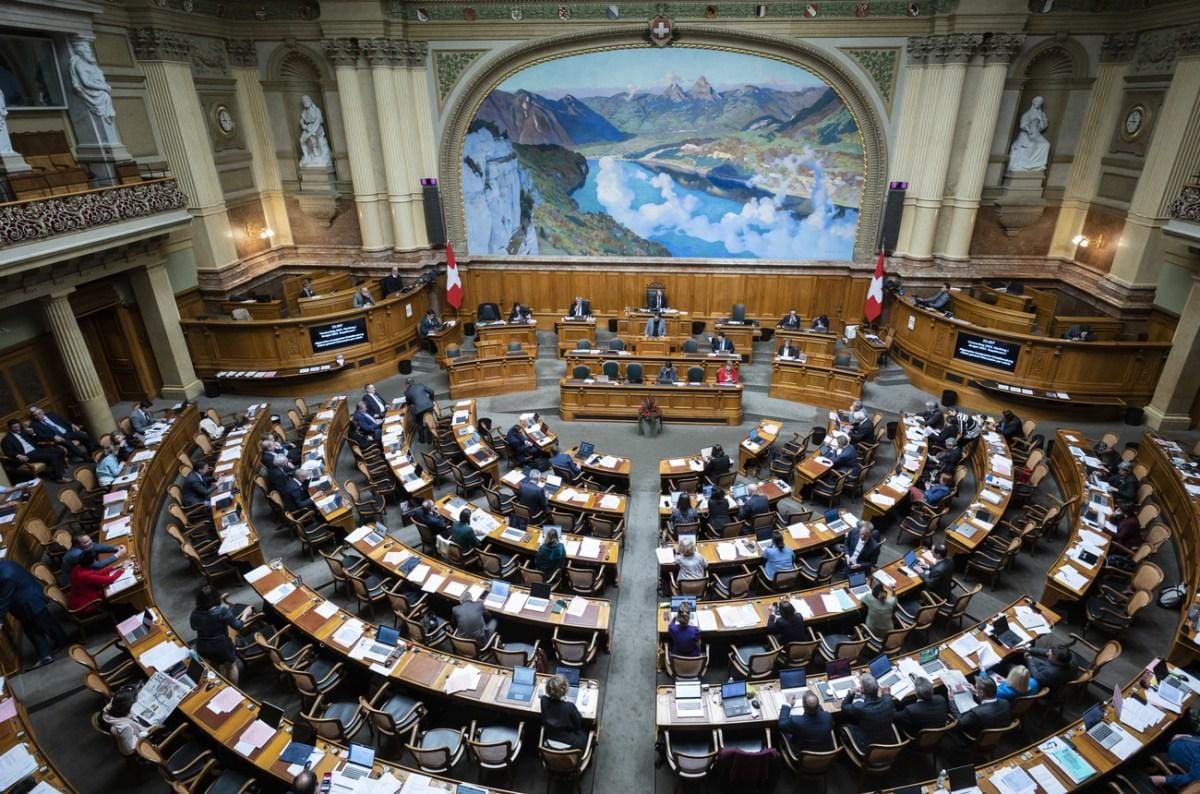
Influential Swiss Intellectual Jean Ziegler Dies at 92

Jean Ziegler, one of Switzerland’s most influential sociologists, authors, and political figures, has died in Geneva at the age of 92. According to his family, the former politician passed away on Wednesday due to complications related to Parkinson’s disease.

For more than five decades, Ziegler played a prominent role in Swiss political and academic life. He became internationally known for his criticism of global inequality, neoliberal economic policies, and the concentration of wealth and power in global institutions.

A committed left-wing thinker, Jean Ziegler spent much of his life advocating for social justice and human rights. His writings and public speeches challenged political and economic systems that he believed contributed to poverty, hunger, and inequality around the world.

Even in his later years, Ziegler remained active in public debate. At the age of 90, he published the book “Where is Hope?”, a work that encouraged resistance against war, famine, injustice, and growing social divisions. The book reflected his lifelong belief that citizens should actively work toward creating a fairer society.

A defining moment in his life came in 1964 when he met revolutionary leader Che Guevara in Geneva. Ziegler later recalled how Guevara advised him not to leave Switzerland to join revolutionary movements abroad, but instead to challenge injustice from within the heart of the system. That encounter shaped his political philosophy and influenced his future career.

Throughout his life, Ziegler remained a controversial figure. Supporters praised him for speaking out against injustice and defending the rights of vulnerable communities. Critics, however, often challenged his political views and strong statements on international affairs.

One of his most debated works was the 1997 book “Switzerland, Gold and the Dead,” in which he criticized the role of Swiss financial institutions during the Second World War. The publication sparked significant public discussion both within Switzerland and internationally.

In 2016, filmmaker Nicolas Wadimoff released a documentary exploring Ziegler’s life and ideas. The film examined both his influence and the controversies that surrounded him, presenting a complex portrait of a man who remained committed to his beliefs throughout his life.

Jean Ziegler leaves behind an extensive body of work, including books, academic contributions, and political activism. His influence on debates surrounding inequality, globalization, and social justice will continue to be discussed long after his passing.

His death marks the end of an era for Swiss intellectual life and for a generation of political thinkers who sought to challenge the established order and inspire social change.

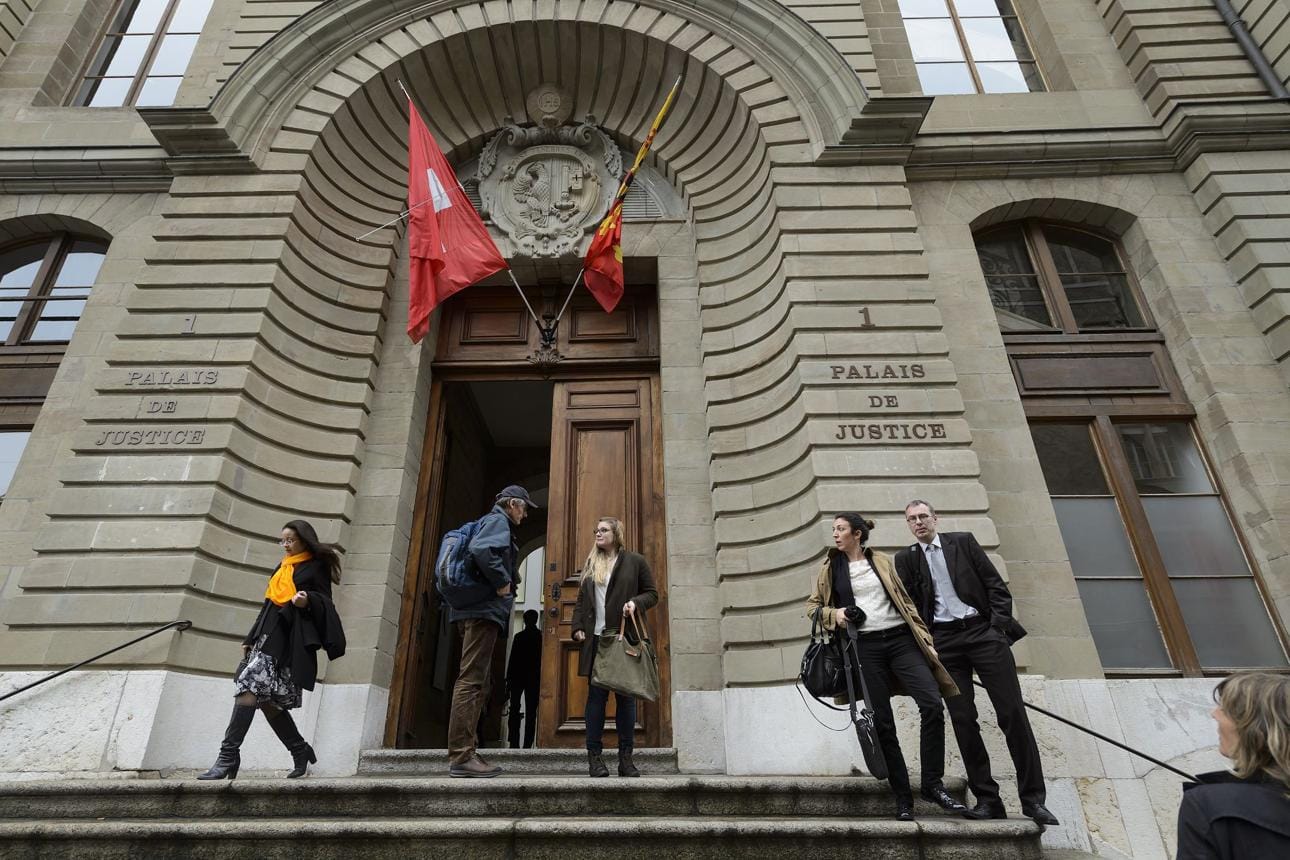
St Gallen Approves Headscarf Ban for Female Teachers

The Swiss canton of St Gallen has taken a significant step toward introducing a ban on headscarves for female teachers in public schools. The cantonal council approved a cross-party motion that will lead to new regulations regarding the wearing of headscarves by teaching staff.

The debate began following a controversial case in the municipality of Eschenbach. During the summer of 2025, several parents objected to the hiring of a young teacher who wished to teach while wearing a headscarf.

The issue sparked public discussion and raised questions about the role of religious symbols in educational institutions. Following the objections, the local school ultimately decided not to employ the teacher.

The incident quickly attracted political attention across the canton. Soon after, members from all four parliamentary groups in the St Gallen cantonal council jointly submitted a motion seeking legal clarification and a clear policy on the matter.

After extensive discussions, the cantonal council approved the proposal, paving the way for a ban on headscarves for female teachers in public schools. Supporters argue that the measure will help maintain religious neutrality within educational settings and provide clear guidelines for schools.

The decision has also generated debate among legal experts, education professionals, and community groups. Critics question whether such restrictions are compatible with individual religious freedoms and equal employment opportunities.

The approved motion marks an important development in Switzerland’s ongoing discussions surrounding religious symbols in public institutions. Further legal and administrative steps are expected before the policy is fully implemented across the canton.

As the issue continues to attract national attention, the St Gallen decision is likely to influence future debates on education policy, religious expression, and public service regulations in Switzerland.

Geneva Court Rejects ‘No G7’ Coalition Challenges.

The “No G7” coalition has suffered a legal setback after Geneva’s courts rejected its challenges against decisions taken by the cantonal government regarding planned demonstrations linked to the upcoming G7 summit.

On Wednesday, Geneva authorities confirmed that the courts dismissed claims that the cantonal government had denied justice. The rulings also upheld the government’s decision to limit a planned protest to the right bank of the city.

Carole-Anne Kast, a member of Geneva’s cantonal government, welcomed the verdict and stated that the court had supported the authorities’ position. According to Kast, judges confirmed that the government had made a clear and lawful decision when it refused permission for a protest village to be established in Parc des Bastions.

The coalition had also challenged an order issued two weeks earlier that restricted the demonstration area. However, the Administrative Chamber of the Court of Justice rejected the request to suspend the measure while the case was being reviewed.

As a result, the restrictions imposed by the cantonal authorities remain in force. Organizers of the demonstration will be required to comply with the designated protest area and the conditions set by local officials.

The ruling comes as Swiss authorities continue preparations for the G7 summit, with security and public order remaining key priorities. Officials have emphasized the importance of balancing the right to peaceful protest with the need to ensure safety during high-profile international events.

The court decision marks an important development in Geneva’s preparations for the summit and clarifies the legal framework governing demonstrations during the event.

Switzerland’s 10 Million Population Vote: Impact on Tamils?

Switzerland is preparing for an important national vote on a proposal known as “No to 10 Million Switzerland,” which aims to limit the country’s population growth. The initiative, introduced by the Swiss People’s Party (SVP), seeks to prevent Switzerland’s population from exceeding 10 million by introducing stricter controls on immigration.

Supporters of the proposal argue that rapid population growth places increasing pressure on housing, transportation, public services, infrastructure, and environmental resources. They believe Switzerland should take stronger measures to manage migration and maintain the country’s quality of life.

Opponents, however, warn that the proposal could negatively affect Switzerland’s economy, labour market, and international competitiveness. Most major political parties, along with the Swiss Federal Government, have rejected the initiative and are encouraging voters to oppose it. Critics argue that Switzerland relies heavily on skilled foreign workers and international talent to support economic growth.

Speaking on the issue, Socialist Democratic Party member Siri Rasamanickam urged Swiss citizens to study the proposal carefully before casting their vote. He emphasized the importance of making informed decisions based on official information rather than opinions shared on social media.

The proposal has also attracted attention among migrant communities, including Swiss Tamils, who are closely following the debate. While the initiative primarily focuses on future population growth and immigration policies, many observers believe the outcome could influence Switzerland’s long-term approach to migration and integration.

Political analysts note that the proposal faces significant opposition from major parties and government institutions. Nevertheless, the final decision rests with Swiss voters, making the upcoming referendum an important event for the country’s future migration policies.

The vote is expected to generate widespread discussion across Switzerland as citizens consider the balance between population growth, economic needs, and social development.+

93-Year-Old Chinese Widow Ordered to Leave Switzerland.

A 93-year-old Chinese woman has been ordered to leave Switzerland despite receiving intensive care from her daughter living in the country.

The decision was confirmed by the Bern Administrative Court after authorities ruled that the legal requirements for residency based on family dependency had not been sufficiently proven.

The elderly woman’s daughter, who holds a Swiss passport, lives with her family in the Bern region. In 2018, she travelled to China to care for her seriously ill father.

Following his death, she brought her mother to Switzerland in late 2021 on a visa and later applied for a residence permit on humanitarian and family grounds.

According to the appeal documents, the 93-year-old widow suffers from mild dementia and several age-related health conditions.

Her legal representatives argued that she was emotionally and psychologically dependent on her daughter for daily support and care.

However, the Bern Administrative Court ruled that Swiss immigration law requires proof of an “indispensable dependency” to justify a right to remain in the country for family reasons.

The judges concluded that this level of dependency had not been clearly established in the case.

The court also stated that medical diagnoses such as mild dementia do not automatically guarantee residency rights in Switzerland. Judges further argued that appropriate care could still be arranged in the woman’s hometown of Nanjing in China.

Additionally, the court found that the woman lacked sufficiently strong ties to Switzerland to qualify for a pensioner residence permit.

Authorities also rejected claims of humanitarian hardship, stating that there was insufficient evidence proving that returning to China would result in a premature death.

The woman has been ordered to leave Switzerland before June 17, 2026. However, the case may still be appealed to the Swiss Federal Court, leaving a final legal decision pending.

The ruling has sparked discussion among immigration observers and human rights advocates regarding elderly care, family reunification policies, and humanitarian considerations within the Swiss legal system.

Swiss Immigration Vote Sparks Nationwide Debate Ahead of Referendum

A major political debate is gaining momentum in Switzerland as the country prepares for a crucial national referendum on immigration. The proposal, widely known as “No to 10 Million Switzerland,” aims to limit the country’s population growth by introducing stricter immigration controls. The referendum is scheduled to take place on June 14 and has already attracted nationwide attention unlike any recent public vote in the country.

The proposal was introduced by the Swiss People’s Party, a political group known for its strong stance against large-scale immigration. Supporters of the initiative argue that rapid population growth is increasing pressure on housing, transportation, healthcare, and public infrastructure across Switzerland. They believe tighter immigration policies are necessary to protect the country’s long-term stability and quality of life.

However, strong opposition to the proposal is also growing across the country. Business leaders, economists, and several political groups warn that reducing immigration could create serious labor shortages in key sectors. Industries including healthcare, construction, hospitality, and technology heavily depend on foreign workers to maintain daily operations and economic growth.

Critics of the proposal argue that immigration plays a vital role in strengthening the Swiss economy. They say limiting the number of immigrants could slow economic development, reduce workforce availability, and negatively impact Switzerland’s international competitiveness. Many experts also point out that skilled migrants contribute significantly to innovation, productivity, and tax revenue.

As the referendum date approaches, both supporters and opponents are spending heavily on nationwide campaigns to influence voters. Political advertisements, public debates, social media campaigns, and television discussions have intensified in recent weeks, turning the immigration referendum into one of the most talked-about political issues in Switzerland this year.

The outcome of the vote could shape the future of immigration policy in Switzerland and influence debates across Europe. With public opinion sharply divided, the referendum is expected to become a defining political moment for the country.