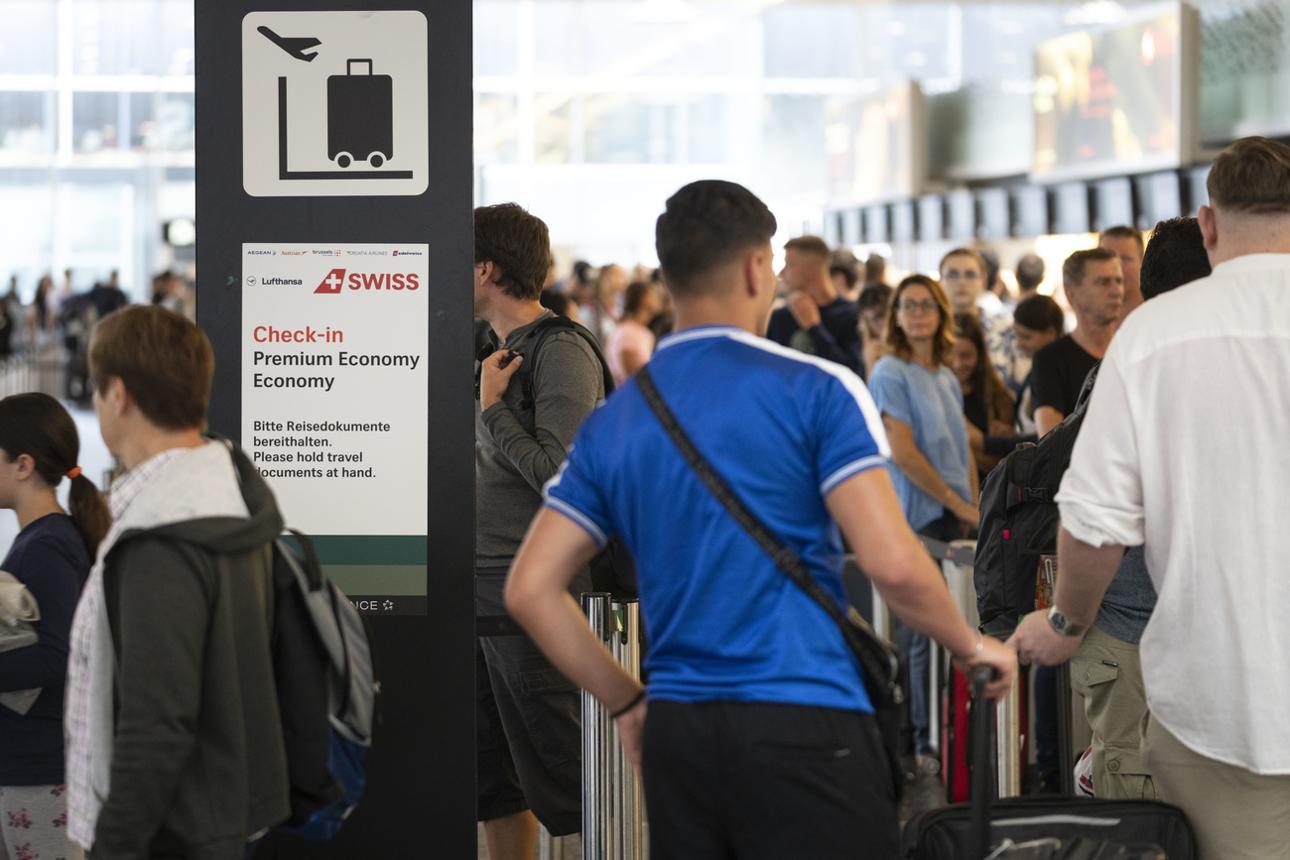
Swiss Travel Agency Business Under Pressure but Still Offers Opportunities

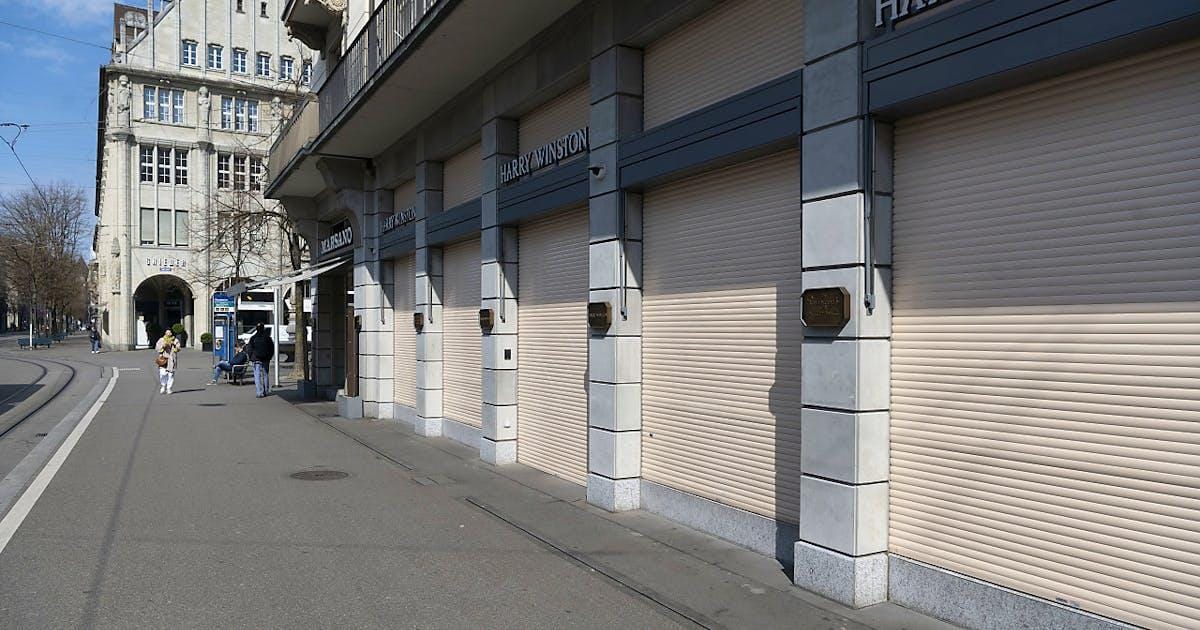
The travel agency and ticket office business in Switzerland is undergoing major changes due to the rapid growth of online booking platforms and shifting customer behaviour. While the traditional model of selling flight tickets through physical offices has become more challenging, opportunities still exist for well-positioned businesses.

Decline in traditional ticket sales

In Switzerland, many customers now prefer booking flights directly through airline websites or global online platforms. This shift has significantly reduced the demand for physical ticket offices, making it harder for agencies that rely only on airline ticket sales.

Low commission and high operating costs

Another challenge for travel agencies is the low commission earned on ticket sales. Combined with high operational expenses such as rent, salaries, insurance, and utilities, small agencies often face financial pressure.

Shift toward digital travel services

The Swiss travel market has increasingly moved toward online booking systems. Major companies such as DER Touristik Suisse AG and other established brands have expanded their digital platforms, focusing on online sales and automated booking systems.

Opportunities in niche services

Despite these challenges, travel agencies can still succeed by offering value-added services such as:

  • Visa assistance
  • Holiday package planning (flight + hotel)
  • Group travel arrangements
  • Business travel management
  • Support for elderly customers and communities who prefer offline services

These segments continue to generate demand, especially among families, diaspora communities, and corporate clients.

Overall, the Swiss travel agency business is no longer as easy or profitable as it once was. However, agencies that adapt to digital trends and focus on personalized services can still remain competitive in the evolving travel market.
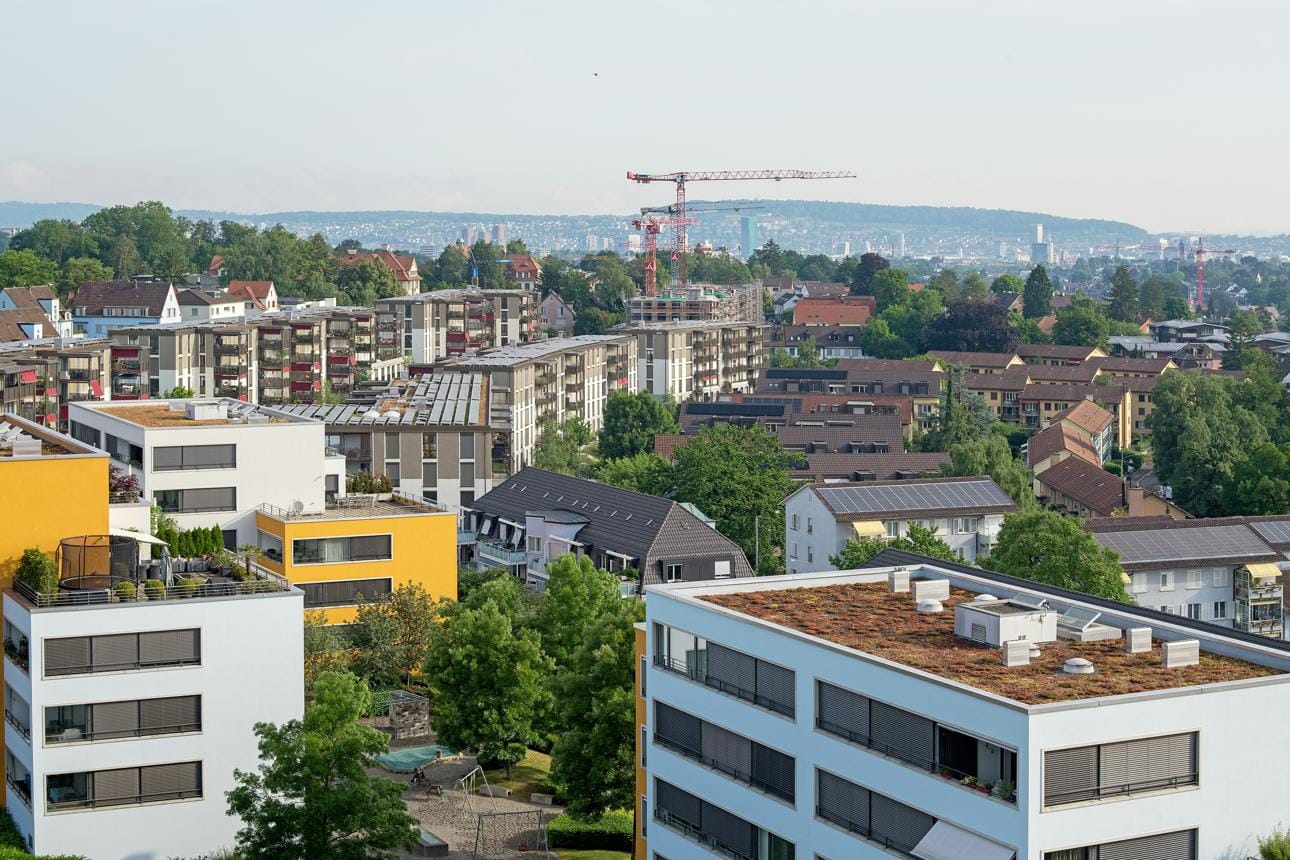

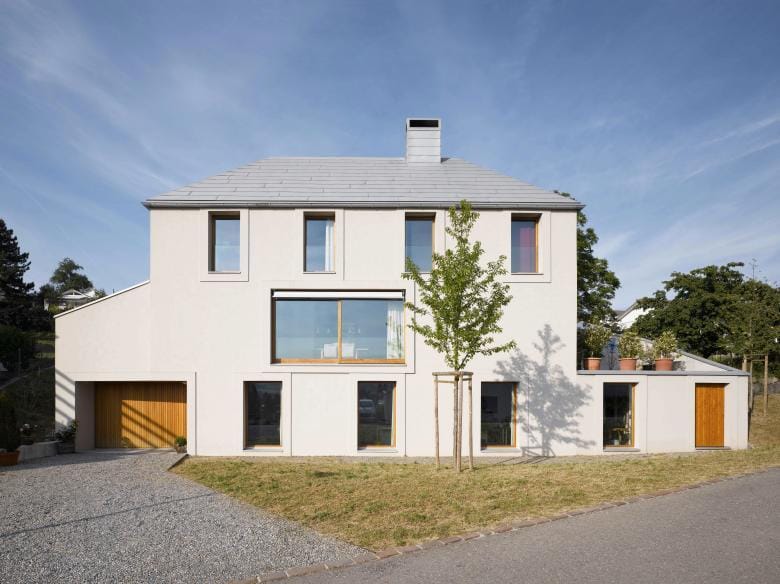
Zurich Introduces New Building Law Changes for 2025–2026

The canton of Zurich is implementing significant updates to its construction and land-use regulations between 2025 and 2026. These changes aim to control urban development, protect green spaces, and improve housing availability across the region.

Stricter rules outside construction zones (RPG 2)

A major change comes from the revised Swiss federal spatial planning law, known as RPG 2, which will take effect from 2026. Under this reform, strict limitations will be imposed on new construction outside designated building zones (Ausserhalb Bauzone). This means that new developments in rural or protected areas will face stronger approval restrictions.

The canton of Zurich is currently adjusting its Planning and Building Law (PBG) to align with these federal requirements.

Zurich city revises zoning regulations (BZO)

Zurich city is also undergoing a full revision of its Building and Zoning Ordinance (BZO). The main objectives include:

  • Increasing housing supply
  • Expanding affordable housing
  • Protecting green and open spaces
  • Managing urban densification more effectively

Although the new rules are still being finalized, they are already influencing how building applications are evaluated by authorities.

Cantonal PBG amendments in effect from 2026

In addition, the Zurich cantonal council approved several amendments to the Planning and Building Law (PBG) in early 2026. Some of these changes will officially take effect from August 1, 2026.

These adjustments include technical updates to construction limits, approval procedures, and regulatory definitions that impact how building permits are processed. Overall, Zurich is moving toward a more controlled and structured urban development model. While these reforms aim to support sustainable housing growth, they also introduce stricter requirements for developers and private builders, especially outside official construction zones.

Swiss Restaurant Industry Faces Mixed Financial Pressure in 2025

The restaurant and gastronomy sector in Switzerland is currently experiencing a mixed and challenging business environment. While some restaurants continue to perform well, many smaller establishments are struggling to maintain profitability due to rising operational costs and changing customer behaviour.

According to industry data from GastroSuisse and KOF, restaurant revenues in early 2025 show a decline compared to the previous year, highlighting ongoing pressure across the sector.

Rising operational costs impact profitability

One of the main challenges for Swiss restaurants is the continuous increase in operating expenses. Costs for rent, employee salaries, insurance, electricity, and raw materials have all risen significantly. As a result, profit margins have become tighter, especially for small and medium-sized businesses.

Changing customer behaviour

Consumer habits have also shifted. Many people are dining out less frequently or choosing more affordable options. This trend has directly affected mid-range and fine dining restaurants, particularly in urban areas where competition and costs are high.

Restaurant closures in high-cost areas

Some restaurants have been forced to close, especially in city locations with high rental prices. Fine dining establishments are also facing increased financial pressure due to higher operational requirements and reduced customer spending.

Opportunities still exist in the market

Despite the challenges, opportunities remain for well-planned businesses. Restaurants that succeed often focus on:

  • Prime location selection
  • Efficient and affordable menu concepts (such as Asian, Indian, or takeaway models)
  • Strict cost management
  • Active involvement of the owner in daily operations

These factors help certain restaurants remain profitable even in a competitive environment.Overall, the Swiss gastronomy sector does not offer easy profits at the moment. Success depends heavily on management efficiency, location choice, and customer targeting. New investors are advised to carefully evaluate rent, competition, and customer demographics before starting a restaurant business in Switzerland.

Important Guide for Buying or Building a House in Switzerland

Buying or building a home in Switzerland involves strict financial planning and several legal and banking procedures. Residents often use a combination of savings, pension funds, and bank mortgages to secure property ownership.

Pension fund usage for home purchase

In Switzerland, individuals can often use up to 10% of their pension savings (Pillar 2) for buying a home. If the remaining amount is insufficient, buyers may need to arrange additional financing through banks or private loans. Some people also use additional pension withdrawals depending on eligibility and financial structure.

Mortgage repayment and insurance options

Homebuyers in Switzerland are usually required to repay mortgage interest rather than fully paying off the loan immediately. Many borrowers also take life insurance policies and assign them to the bank as security. This can provide additional benefits such as potential tax advantages and financial protection for the family.

Buying vs building a home

Experts often suggest that buying an already constructed home is safer than building a new one. This is because construction projects can face delays, cost overruns, and regulatory challenges. Ready-built homes reduce such risks and provide faster occupancy.

Age-based mortgage planning

For individuals above 50 years of age, a 10-year mortgage contract is often considered more practical. Shorter loan terms help reduce long-term financial risk and ensure that repayment aligns better with retirement planning.

Overall, the Swiss housing system offers flexibility but requires careful financial planning. Pension funds, insurance structures, and mortgage terms all play an important role in determining affordability and long-term stability for homeowners.

Swiss Women Prioritise Financial Security Over Investment Returns, Study Finds.

A new study has revealed that women in Switzerland place a stronger emphasis on financial security than on high investment returns or wealth accumulation when managing their money.

The findings come from the “Women’s Perspectives 2026” study conducted by UBS in collaboration with the research institute gfs.bern. According to the report, an overwhelming 94% of women say that money provides them with a sense of security in daily life.

When it comes to investing, 57% of women prioritise financial stability, while only 34% focus on wealth accumulation and 21% prioritise high returns. The results highlight a clear preference for lower-risk financial decisions.

More than half of the women surveyed (56%) also reported that they occasionally worry about whether they are making enough financial provision for the future. Researchers note that financial concerns play a significant role in everyday decision-making.

Cloé Jans, Senior Project Manager at gfs.bern, explained that many women still feel they lack sufficient funds to begin investing. She noted that while financial awareness is present, active investment behaviour remains limited for many respondents.

The study also found that almost 30% of women do not actively seek information about investments. Among those who do, bank advisors are the most trusted source, cited by 40% of respondents. However, there are generational differences: older women prefer professional advisors, while younger women rely more on friends and social networks.

Despite these concerns, the majority of women (82%) rate their personal financial management as good or very good.

Healthcare costs were identified as the biggest financial burden, with 46% of respondents naming health insurance premiums among their top financial concerns. These costs ranked higher than taxes and housing expenses in household budgeting.

The study surveyed 2,037 people across Switzerland, including 1,014 women, between December 2025 and January 2026, and is considered representative of the Swiss population.

Overall, the findings highlight how financial security, rather than aggressive investment strategies, continues to shape women’s financial behaviour in Switzerland.

Swiss Senate Rejects Proposal to Expand Sunday Shop Openings

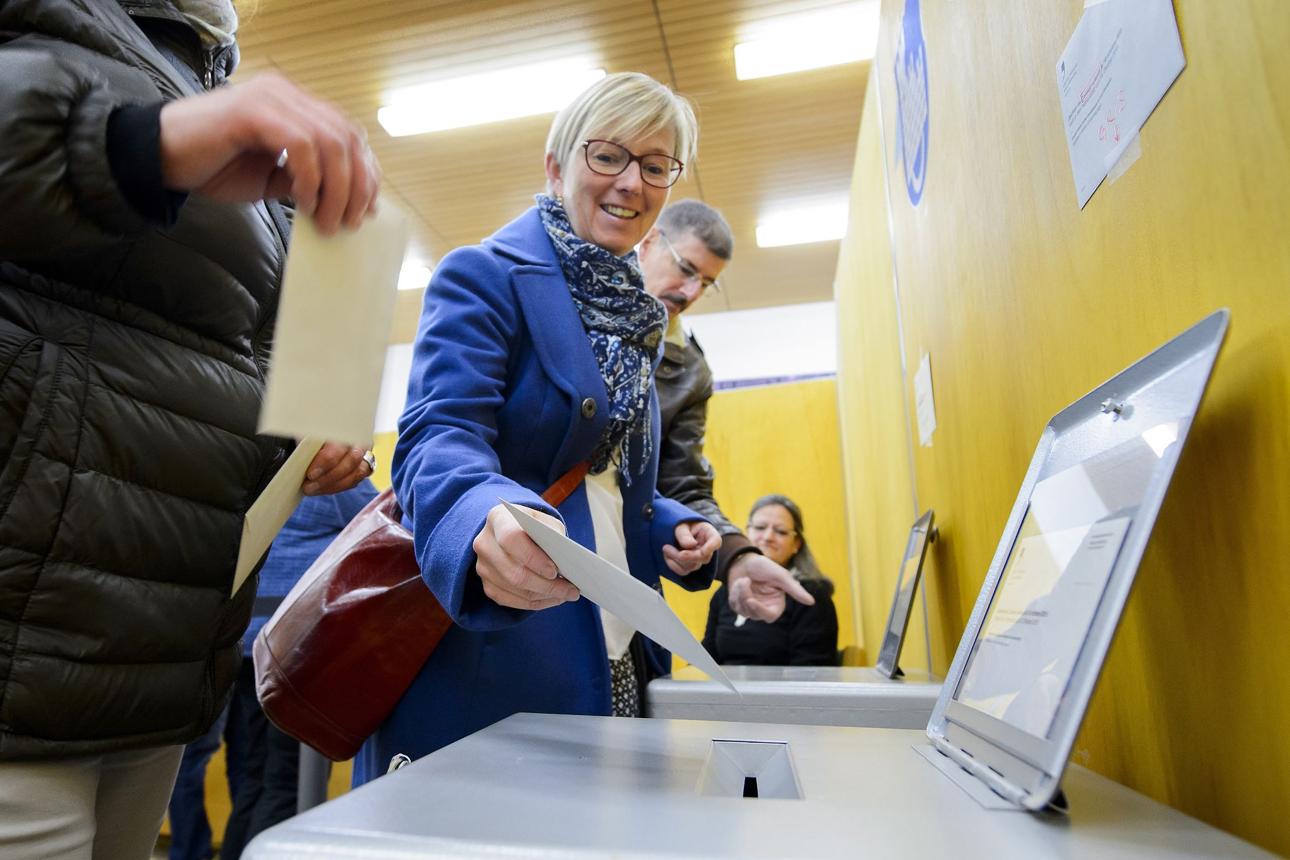
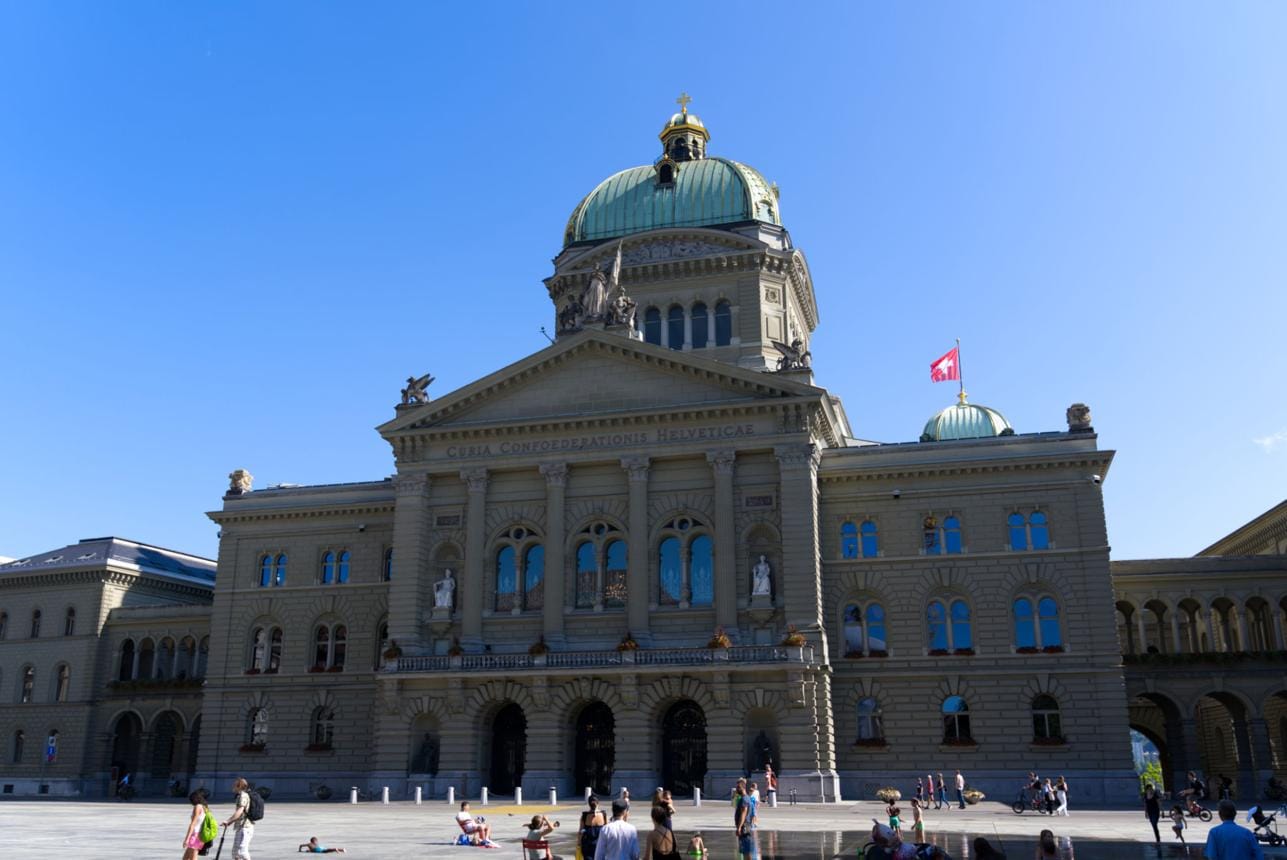
Switzerland will continue to restrict Sunday shopping after the Senate voted against a proposal that aimed to increase the number of permitted Sunday openings for stores.

On Tuesday, lawmakers rejected the draft plan by a narrow margin of 22 votes to 21, with one abstention. The proposal would have allowed shops to open on up to 12 Sundays per year, compared to the current limit of four Sundays annually.

A cross-party “Sunday alliance,” including members from the Social Democratic Party, the Green Party, the Centre Party, and the Swiss People’s Party, successfully opposed the initiative. As a result, the current rules remain unchanged.

Under existing Swiss regulations, retail opening hours from Monday to Saturday are primarily governed at the cantonal level. However, Sunday trading is strictly regulated under federal law, particularly the Labour Act, which limits exceptions nationwide.

Municipalities and cantons are currently allowed to authorize a maximum of four Sunday openings per year without special permits. This framework will remain in force following the Senate’s decision.

The proposal will now move to the House of Representatives for further debate, where lawmakers may revisit the issue of retail flexibility and economic competitiveness.

Supporters of extended Sunday openings argue that increased flexibility could boost retail activity and improve urban attractiveness. Critics, however, warn that expanding Sunday trading could negatively impact workers’ rights and traditional rest periods.

The decision reflects Switzerland’s ongoing balance between economic liberalization and strong labor protections, a debate that continues to divide political parties and cantons.

Swiss Women Trust Public Institutions Less Than Men, Study Finds

Women in Switzerland show significantly lower levels of trust in public institutions compared to men, according to a new study commissioned by the Federal Office for Gender Equality (FOGE) and conducted by the OECD.

The research, which analysed institutional trust across 30 countries, reveals that although Switzerland performs relatively well in international comparisons, a notable gender gap persists within the country.

One of the key findings shows that 45% of women express confidence in their ability to participate in politics, compared to 65% of men. This indicates a substantial difference in perceived political empowerment between genders.

The study also highlights disparities in political engagement. Around 26% of women in Switzerland do not participate in any political activity, compared to 17% of men. According to FOGE, this gap is nearly twice as large as the average gender difference observed across OECD countries.

Researchers also identified differences in satisfaction with public services, suggesting that women may evaluate state institutions more critically than men.

Despite these gaps, overall institutional trust in Switzerland remains high compared to many other countries. However, the findings underline ongoing challenges related to gender equality in political participation and civic engagement.

The report suggests that addressing these disparities could strengthen democratic participation and improve confidence in public institutions among women in Switzerland.

Switzerland Joins NATO Digital Defence Exercise.

The Swiss Armed Forces have begun participation in a major NATO digital defence exercise in Poland, starting Wednesday, as part of efforts to strengthen cyber security capabilities and improve international military cooperation.

The three-week exercise brings together specialists from Switzerland and 40 participating nations, focusing on improving networking systems, secure communication, and technical standards across international defence structures.

Swiss units from Cyber Command and Operations Command, along with experts from Armasuisse and other defence and IT sectors, are actively involved in the training activities held in Bydgoszcz, Poland.

A key objective of the exercise is to enhance the exchange of information between allied and partner countries. Participants are testing secure communication systems designed to support coordinated military operations across different national infrastructures.

The Swiss Armed Forces emphasized the growing importance of digital connectivity in modern defence strategies, particularly the integration of satellite-based real-time situational awareness systems, which help improve operational decision-making in joint missions.

According to the Armed Forces, the exercise also highlights the increasing relevance of space-based data and advanced communication networks in military planning and coordination.

Switzerland regularly participates in NATO cyber and digital defence exercises as part of its broader commitment to international security cooperation and interoperability with allied forces.

The results of the current exercise will be reviewed in the coming months and are expected to contribute to ongoing digital transformation projects within the Swiss military, particularly in cybersecurity and defence networking systems.

Victim Counselling and Financial Support Increase in Switzerland

Switzerland has recorded a noticeable rise in victim support services, according to new data published by the Federal Statistical Office (FSO). In 2025, victim counselling sessions increased by 7% compared to the previous year, reflecting growing demand for psychological and legal assistance.

At the same time, financial support for victims also increased. Compensation and reparation payments rose by 10%, reaching a total of CHF 7.3 million (USD 9.15 million).

The report shows that victim support centres provided 55,260 counselling sessions in total. A significant majority of those seeking help were women, accounting for 72% of cases, while 17% of clients were minors at the time of counselling. Additionally, just over 40% of individuals were Swiss nationals, highlighting the international nature of support services in the country.

The most common issues reported in counselling sessions were related to bodily harm and assault. Around one-third of cases involved blackmail, coercion, or threats, while a further 28% were linked to sexual offences.

Authorities note that these figures highlight both the ongoing need for victim support services and the importance of accessible assistance structures across Switzerland. The data suggests that awareness of support systems is increasing, encouraging more victims to seek help.

Swiss victim support centres continue to play a crucial role in providing counselling, legal guidance, and financial assistance to individuals affected by crime, ensuring that victims receive structured help during recovery and legal processes.

Bern Remains the Biggest Winner in Switzerland’s Financial Equalisation System

Switzerland’s financial equalisation system will continue to redistribute billions of francs between cantons in 2027, ensuring balanced development across the country. According to new calculations by the Federal Finance Administration, approximately CHF 4.6 billion will be transferred from wealthier cantons to those with fewer financial resources.

Although the total amount is lower than the previous year by around CHF 1.8 billion, the system remains a key pillar of Swiss federal solidarity. The mechanism aims to reduce financial disparities and help all cantons provide comparable public services.

Once again, Bern will be the largest beneficiary of the scheme. The canton is expected to receive approximately CHF 1.71 billion in net compensation payments during 2027, maintaining its position as the biggest recipient of support.

Other cantons benefiting significantly from the redistribution include Valais, which is expected to receive CHF 897 million, followed by Aargau with CHF 709 million and Fribourg with CHF 593 million. Additional beneficiaries include Neuchâtel, Jura, and Vaud.

On the contributor side, Zug and Geneva remain Switzerland’s largest financial supporters. Zug is expected to contribute approximately CHF 529 million, while Geneva will provide around CHF 497 million. Other contributing cantons include Zurich, Schwyz, Basel City, Nidwalden, Schaffhausen, and Appenzell Innerrhoden.

The Swiss equalisation system reflects the country’s commitment to economic balance and cooperation among cantons. By sharing financial resources, Switzerland seeks to maintain high-quality public services and economic stability throughout the nation, regardless of regional wealth differences.

As economic conditions evolve, the equalisation framework continues to play a vital role in strengthening national cohesion and supporting less financially advantaged regions.