India Introduces AI App for Newborn Health Monitoring.

The state government of Andhra Pradesh in India has launched a new artificial intelligence-based mobile application designed to assess the health of newborn babies more efficiently and accurately.

The app, named “Shishu Maapan,” uses advanced AI technology to measure key health indicators of infants without requiring direct physical contact. Health workers can record a simple mobile video, which the system then analyzes to estimate important measurements.

Through this video-based assessment system, the app can calculate a newborn’s weight, height, head circumference, and chest circumference with high precision. Officials say this reduces manual measurement errors and improves data accuracy in healthcare reporting.

The initiative is aimed at strengthening child healthcare services, especially in rural and remote regions where access to medical equipment and specialists may be limited. The AI-powered system allows healthcare workers to quickly evaluate newborn health conditions in the field.

Authorities believe the application will play a significant role in monitoring early childhood development and maintaining accurate digital health records. It is also expected to support long-term healthcare planning and early intervention strategies.

Officials further stated that “Shishu Maapan” is part of a broader effort to integrate artificial intelligence into public healthcare systems. The goal is to improve efficiency, reduce workload for medical staff, and ensure faster health assessments for newborns.

By combining mobile technology with AI-driven analytics, the system represents a significant step forward in digital healthcare innovation in India.


Will AI Cause a Global Water Crisis? Shocking New UN Warning.

A new report has raised serious concerns about the environmental impact of rapidly expanding artificial intelligence infrastructure, warning that AI data centres could place extreme pressure on global water and energy resources.

According to the United Nations University Institute for Water, Environment and Health (UNU-INWEH), the growth of AI technologies is driving massive investments in data centres worldwide. These facilities, which power large-scale AI systems, require vast amounts of electricity and water for cooling operations.

The report warns that by 2030, water consumption from AI-related data centres could reach approximately 9.3 trillion litres annually. This amount is comparable to the minimum yearly household water needs of around 1.3 billion people living in sub-Saharan Africa.

AI data centres rely heavily on water-based cooling systems, particularly in warmer regions, where continuous heat management is essential to maintain server performance. As a result, their environmental footprint is expanding alongside global demand for AI services.

In addition to water usage, the report highlights a sharp rise in electricity consumption. Global data centres are estimated to have used around 448 terawatt-hours (TWh) of electricity in 2025 alone. By 2030, this figure could rise to 945 TWh, nearly three times the combined annual electricity consumption of countries such as Pakistan, Bangladesh, and Nigeria.

The UNU-INWEH report also warns that AI infrastructure may contribute to local temperature increases. Data centres can raise surrounding land temperatures by an average of 2°C, creating so-called “heat island” effects that impact nearby communities. In extreme cases, temperature increases of up to 9°C have been recorded, affecting areas within several kilometres of large facilities.

Experts caution that while AI is transforming industries and economies, its rapid expansion could intensify environmental stress unless more sustainable energy and cooling solutions are developed.

The findings highlight the growing need for governments and technology companies to balance innovation with environmental responsibility as AI infrastructure continues to scale globally.

Amit Dutta Explores Swiss Scholar’s Life and Friendship Through Film

A unique cultural and artistic friendship between Indian filmmaker Amit Dutta and Swiss-based ethnographer and art historian Eberhard Fischer has come to life through a new documentary film exploring history, art, and human connection.

The film, titled Eberhard As Seen By Amit, was recently screened at the Cinéma du Réel festival in Paris. The documentary reflects on Fischer’s life and career while examining deeper themes connected to ethnographic research, colonial history, and India’s artistic traditions.

Eberhard Fischer is widely recognized for his work at the Rietberg Museum in Zurich, where he became known for his contributions to the study of Asian art and culture. Through the documentary, Amit Dutta presents Fischer not only as a scholar but also as a deeply disciplined and reflective individual whose work influenced generations of researchers and artists.

During the special screening in Paris, Fischer emotionally introduced Amit Dutta as an independent filmmaker living in the Himalayan region of northern India. He described Dutta as a poetic and deeply thoughtful artist who prefers a quiet life away from the international spotlight.

According to emails shared during the event, Dutta explained that he creates films to understand and preserve lives that inspire him. He wrote that Fischer represented a life built on education, patience, discipline, and intense intellectual focus.

Their artistic collaboration dates back many years. Dutta previously worked with Fischer on the 2010 film Nainsukh, which explored the life and work of the celebrated 18th-century Indian miniature painter.

The documentary also highlights ongoing conversations surrounding colonial-era ethnographic research and the challenge of presenting non-Western cultures through fair and respectful perspectives. By focusing on friendship and shared curiosity, the film attempts to bridge cultures through art and cinema.

Film critics and cultural observers have praised the project for its quiet storytelling style and thoughtful exploration of identity, history, and artistic legacy.

Sri Lanka Thanks India for Emergency Fuel Support.

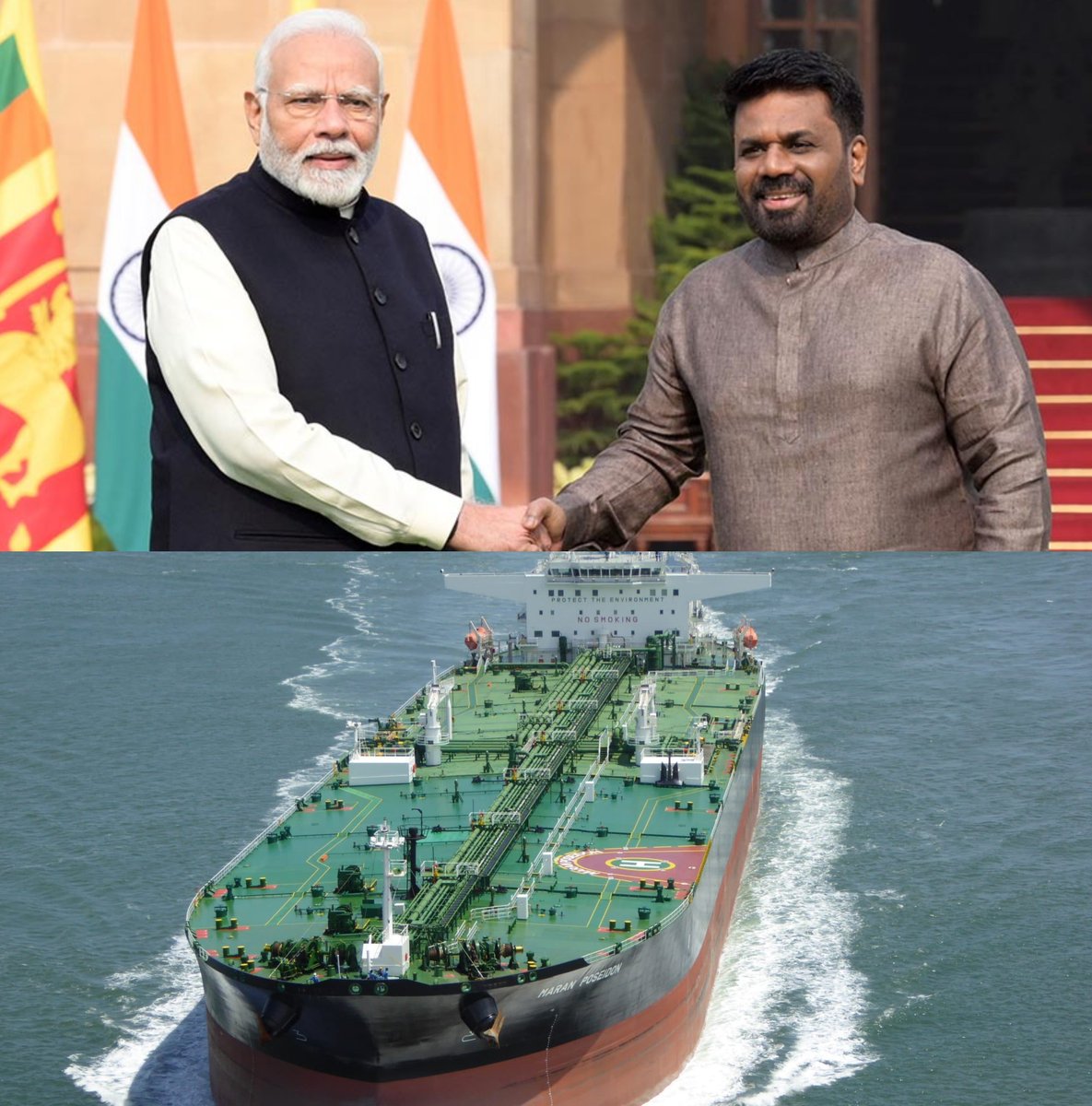
Sri Lankan President Anura Kumara Dissanayake has officially thanked Indian Prime Minister Narendra Modi for providing urgent fuel support during the country’s ongoing supply challenges. The assistance comes at a crucial time as Sri Lanka continues to face disruptions caused by geopolitical tensions in the Middle East.

The President shared his gratitude through his official X (Twitter) account, highlighting India’s swift and timely response. He emphasized that the support played a key role in stabilizing the fuel supply situation and preventing further economic strain.

Earlier discussions between the two leaders focused on addressing Sri Lanka’s fuel distribution issues. Following these talks, India acted quickly and dispatched a fuel shipment to Colombo. As a result, approximately 38,000 metric tons of fuel successfully arrived in the country, providing immediate relief.

In addition, President Dissanayake extended his appreciation to Indian External Affairs Minister S. Jaishankar for coordinating the effort. He noted that strong diplomatic cooperation between Sri Lanka and India continues to play an important role in overcoming economic challenges.

Furthermore, this development highlights the growing regional partnership and reinforces India’s role as a key ally in times of crisis. It also reflects the importance of international cooperation in ensuring energy security and economic stability.

India’s Luxury Market Faces Mall Shortage

India’s luxury market is expanding rapidly, driven by rising disposable income and growing demand for premium products. However, the country faces a major challenge — a shortage of world-class luxury shopping malls. This infrastructure gap is slowing down the growth of the high-end retail sector.

Global brands such as Louis Vuitton, Gucci, and Dior are ready to expand their presence in India. They see strong potential in cities like Delhi, Mumbai, and Bengaluru. Yet, these brands struggle to find suitable retail spaces that meet international luxury standards.

Currently, most premium shopping malls in major Indian cities operate at full capacity. Retail spaces designed specifically for luxury brands remain limited. As a result, many international brands delay their entry or expansion plans in the Indian market.

The construction of new luxury malls has not kept pace with demand. High land costs and rising construction expenses have slowed down development projects. Developers also face regulatory challenges, which further delay new investments in premium retail infrastructure.

This shortage has created a clear infrastructure gap in India’s luxury ecosystem. Without sufficient high-end retail spaces, the country cannot fully benefit from its growing luxury market. Experts believe that improving infrastructure will unlock significant economic opportunities.

If India addresses this issue, it can attract more global brands, increase foreign investment, and strengthen its position in the global luxury market. The future of India’s luxury sector depends heavily on how quickly it can build world-class retail environments.