
Cassis Says EU Agreements Are a Strategic Necessity for Switzerland.

Ignazio Cassis has described Switzerland’s relationship with the European Union as a “strategic necessity,” emphasizing the importance of a stable and structured partnership with the EU.

He made the remarks during the general assembly of European Movement Switzerland, where he served as guest of honour on Saturday.

In his speech, Cassis stated that Switzerland’s relationship with the EU goes far beyond technical negotiations and institutional frameworks, calling it a key strategic issue for the country’s future.

He highlighted that Switzerland and its European neighbours are closely connected in areas such as security, economic prosperity, innovation, rule of law, and institutional stability.

Cassis also referred to the recently negotiated package of agreements with Brussels, explaining that it involves mutual concessions from both sides.

He warned that long-term stability in relations with the EU is not guaranteed automatically but must be actively maintained through continuous cooperation.

According to the foreign minister, stable relations with the EU are the result of joint effort and shared responsibility between Switzerland and its European partners.

The speech reflects ongoing Swiss political debate about how the country should manage its relationship with the EU while maintaining sovereignty and economic competitiveness.

Observers say the comments underline the importance Switzerland places on maintaining strong ties with Europe amid global geopolitical and economic uncertainty.
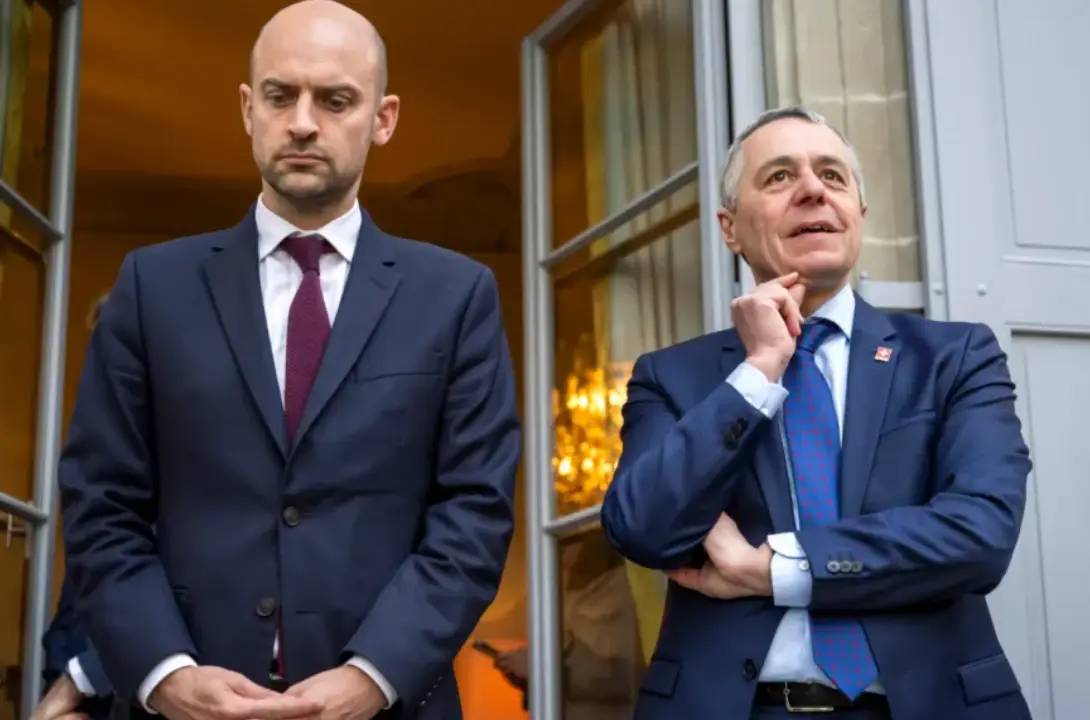
Swiss and French Ministers Meet in Geneva Ahead of G7 Summit

Ignazio Cassis and Jean-Noël Barrot held a high-level bilateral meeting in Geneva on Friday evening to discuss preparations for the upcoming G7 summit in France.

The meeting focused mainly on security coordination, diplomatic cooperation, and organisational planning for the G7 summit scheduled to take place next month in Évian.

Speaking after the discussions, Swiss Foreign Minister Ignazio Cassis described the summit as a significant international event for both Europe and the wider global community.

Cassis stated that Switzerland is proud to support France in organising the summit and ensuring strong regional security cooperation during the event.

He also highlighted the importance of International Geneva in supporting global diplomacy and managing international events during a period marked by geopolitical instability and global tensions.

The upcoming G7 summit is expected to attract major world leaders and international delegations, increasing the need for enhanced security measures across the Lake Geneva region.

Authorities in Switzerland and France have already announced additional border controls and security preparations ahead of the summit.

Recent concerns surrounding protests, cyber threats, and regional security challenges have led both countries to strengthen cooperation between law enforcement and diplomatic agencies.

The bilateral meeting reflects the growing strategic partnership between Switzerland and France on international security and diplomatic matters.

Officials say continued coordination will remain essential in the coming weeks to ensure the successful and secure organisation of the G7 summit.

Swiss Foreign Minister Urges OSCE to Coordinate on Emerging Technologies.

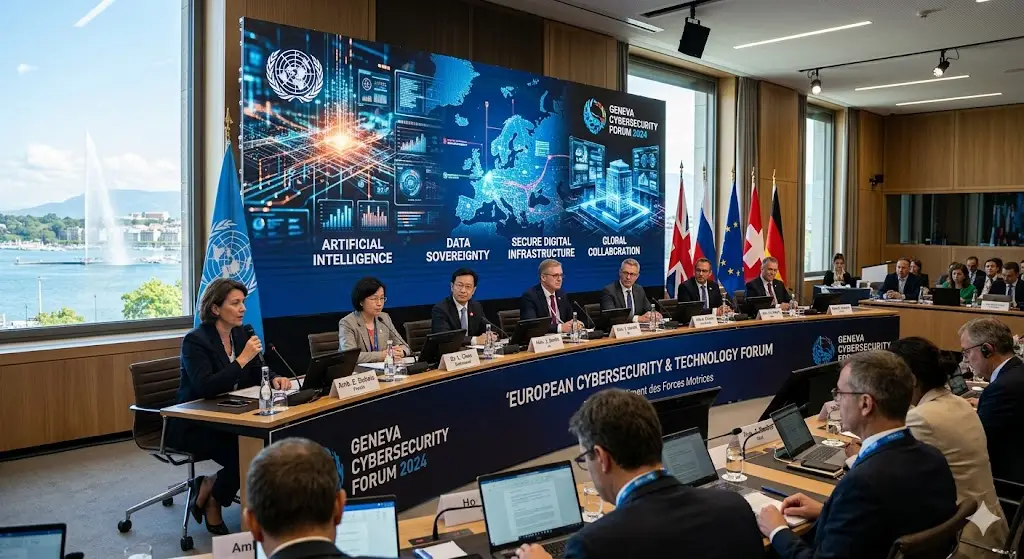
Swiss Foreign Minister Ignazio Cassis has called on member states of the Organization for Security and Co-operation in Europe to develop a common and proactive approach toward emerging technologies.

Speaking at a two-day OSCE conference in Geneva, Cassis emphasized the importance of anticipating scientific and technological developments before they create political, social, or security challenges.

“If no one controls them, they will control us,” Cassis warned while referring to rapidly advancing technologies such as artificial intelligence and quantum computing.

The Swiss foreign minister stressed that the greatest danger today is not technological innovation itself, but political delays in responding to technological change.

According to Cassis, if regulations fail to keep pace with innovation, societies may face mistrust, instability, misjudgements, and rising tensions.

He noted that new technologies already influence all major dimensions of the OSCE, including military security, economic competition, civil liberties, and social cohesion.

Conference participants discussed how artificial intelligence, quantum computers, and advanced digital systems could reshape security and cooperation across Europe.

Delegates also explored how technology could help countries manage scarce resources more effectively and support international collaboration.

Switzerland is seeking to strengthen international cooperation on technology governance following initiatives introduced at the United Nations Security Council during Switzerland’s chairmanship in 2024.

Cassis also highlighted the role of a Geneva-based foundation that has worked for years on identifying technological risks and opportunities before they create wider social problems.

He clarified that the goal is not to regulate every technological development, but rather to focus on the most urgent and high-impact challenges facing societies today.

The conference reflects growing international concern over the global impact of artificial intelligence, cyber threats, digital warfare, and emerging technologies on democracy and security.

Italian Ambassador Defends Diplomacy During Crans-Montana Fire Dispute.

The Italian ambassador to Bern has defended his diplomatic approach after criticism from Swiss Foreign Minister Ignazio Cassis during tensions linked to the deadly Crans-Montana fire tragedy.

Italian ambassador Gian Lorenzo Cornado stated in an interview with the newspaper Neue Zürcher Zeitung that he openly expresses his views as part of his diplomatic style.

“I speak my mind, that’s my style,” Cornado said while responding to criticism surrounding the handling of the bilateral dispute.

The diplomatic disagreement emerged following a fatal New Year’s Eve fire in Crans-Montana that reportedly killed 41 people and injured more than 100 others, including several Italian citizens.

Tensions increased after Italian authorities objected to Swiss hospital invoices being sent to Italian victims and their families following the disaster.

According to Cornado, he acted in line with the expectations of the Italian government and Prime Minister Giorgia Meloni, who requested special attention to the hospital billing issue.

Earlier, Ignazio Cassis criticized the ambassador during an interview with Ticinonews, saying the prolonged public discussions had worsened the situation instead of helping calm relations between the two countries.

Meanwhile, Guy Parmelin assured that similar problems would not happen again and confirmed that Swiss authorities are reviewing legal procedures related to cross-border medical billing.

Cornado later indicated that both sides are now close to reaching a solution and described ongoing discussions as positive.

The incident has drawn wider attention to diplomatic coordination, emergency response procedures, and international healthcare cost management following cross-border tragedies in Europe.