

Switzerland Warns Against Bolivia Travel.

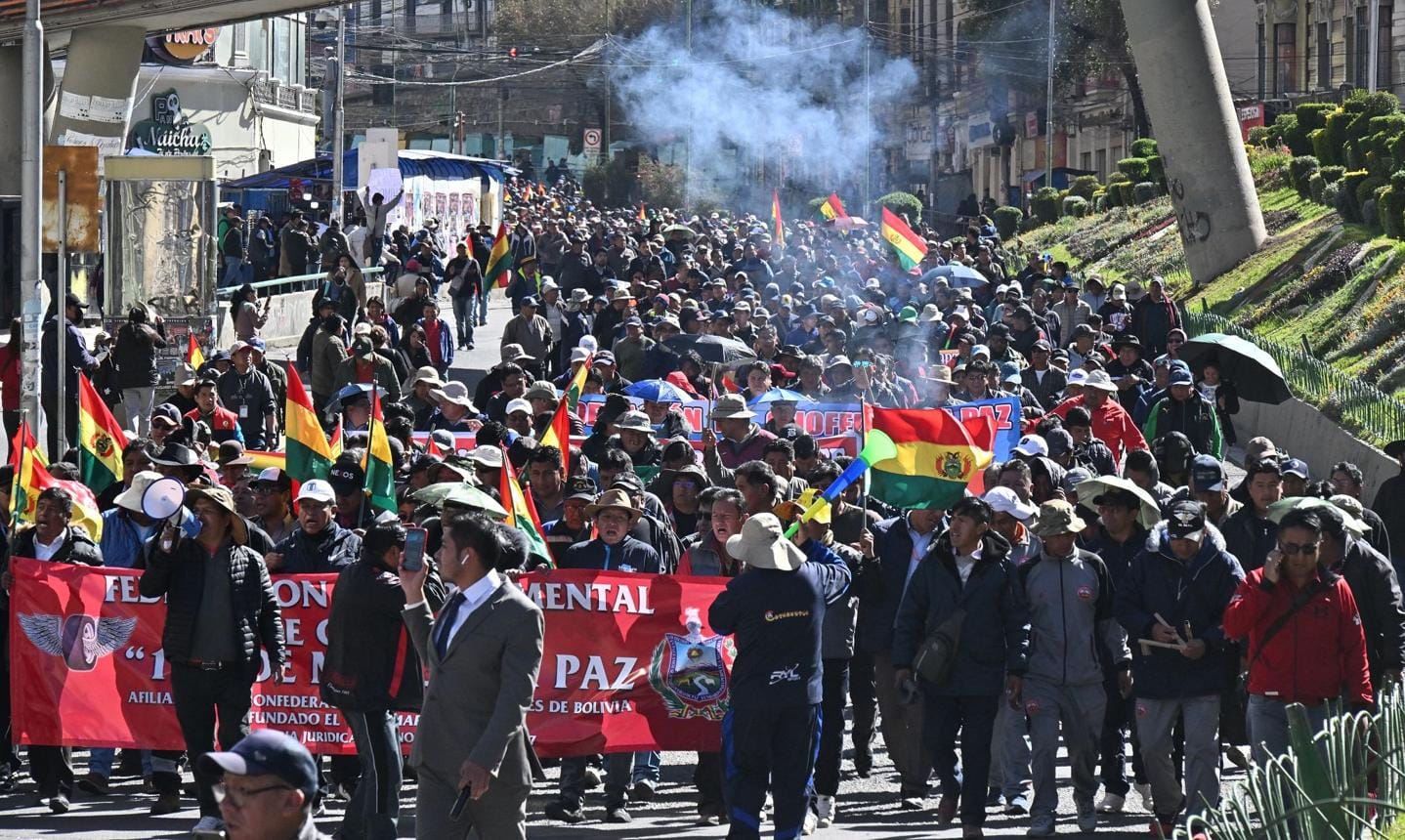
The Swiss Federal Department of Foreign Affairs has updated its travel advisory for Bolivia following violent demonstrations and growing unrest in the country’s capital, La Paz. Swiss authorities now advise citizens to avoid non-essential travel due to the worsening security situation and uncertain developments.

According to the updated advisory, Bolivia has experienced numerous roadblocks and protests since early May. Major access routes to La Paz remain heavily disrupted, affecting transportation and the supply of essential goods including food, fuel, and medical supplies.

Swiss officials warned travellers to avoid demonstrations, crowded public areas, and political gatherings. Authorities also noted that the Swiss embassy may have limited ability to assist stranded citizens attempting to leave affected regions during the unrest.

Violence escalated on Monday when protesters, including miners, farmers, teachers, and supporters of former president Evo Morales, attempted to enter the main government square in La Paz. Local reports stated that demonstrators threw stones and fireworks, set vehicles on fire, and stormed several public buildings.

Police forces reportedly responded with tear gas to control the crowds. According to Bolivia’s ABI news agency, at least 95 people were arrested during the clashes.

Bolivia has faced a severe economic crisis for several years, leading to recurring protests and political tensions across the country. Rising inflation, shortages of essential goods, and public dissatisfaction continue to fuel nationwide unrest.

The latest travel warning highlights growing international concern over the security situation in Bolivia as authorities continue monitoring developments in the South American nation.
Foreign Investment in Switzerland Drops in 2025.

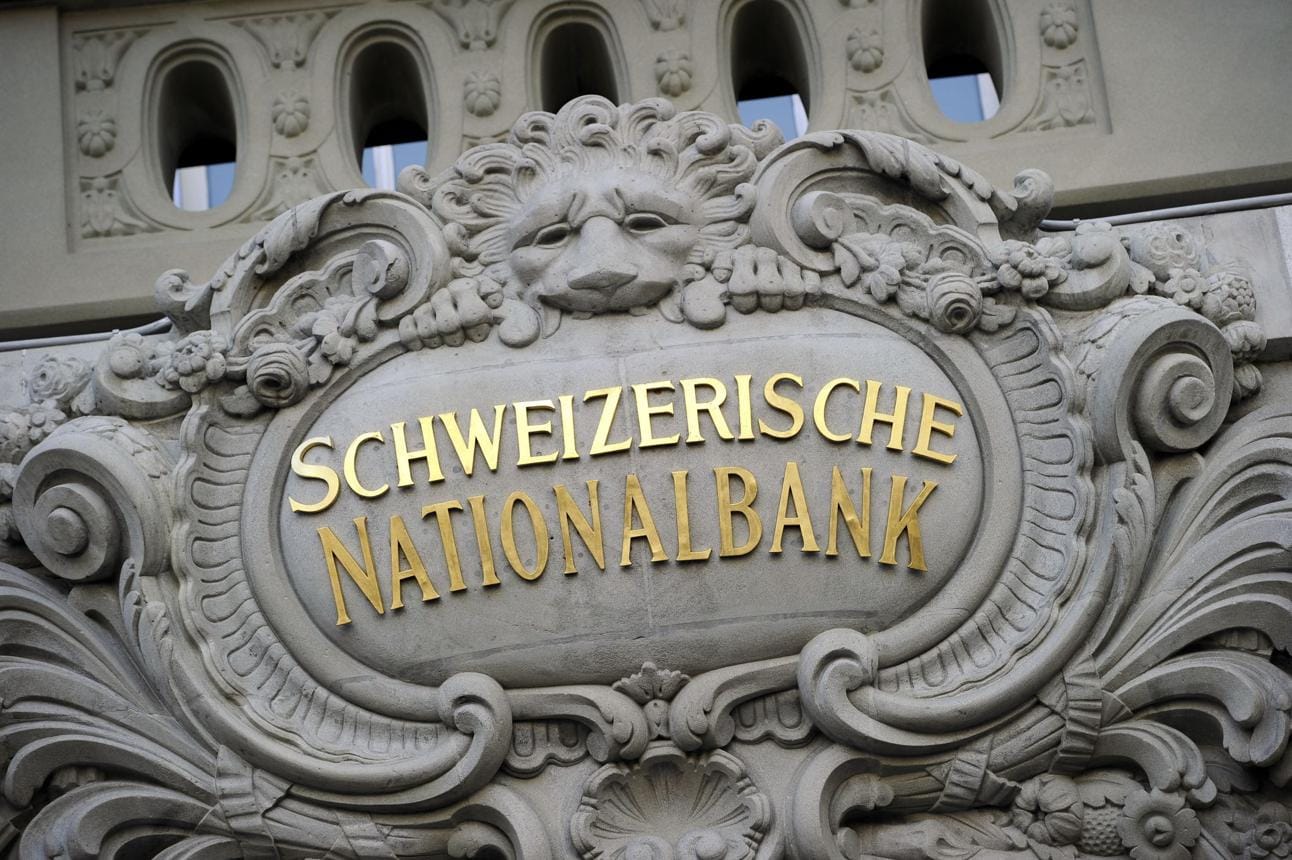
Foreign investment in Switzerland declined significantly in 2025 as global companies slowed expansion plans across Europe. According to a recent report released by EY, the number of foreign investment projects in Switzerland dropped by nearly 24%, falling to only 84 projects during the year.

US companies, which remain the largest foreign investors in Switzerland, also reduced their investment activities. The report showed that investment projects from American firms declined by 7% compared to previous years. Economic uncertainty, geopolitical tensions, and changing global trade policies influenced many companies to delay or reduce expansion plans.

Across Europe, investment activity also weakened. Total foreign investment projects across European countries fell by 7%, reaching the lowest level recorded in the last eleven years. Analysts believe that rising energy costs, inflation pressures, geopolitical instability, and economic concerns continue to affect investor confidence throughout the continent.

Despite the decline, Switzerland continues to maintain its strong reputation as an important business destination in Europe. Experts highlight that the country still offers major advantages such as political stability, legal security, a skilled workforce, advanced infrastructure, and an attractive tax system for international companies.

According to André Bieri from EY, Switzerland still acts as a “gateway to Europe” for many US companies. Businesses continue to value Switzerland for its strategic location and reliable economic environment even during uncertain global conditions.

France and the United Kingdom ranked among the most attractive investment destinations in Europe during 2025, while Germany secured third place. Switzerland ranked 13th overall in Europe for foreign investment projects.

Economic experts warn that ongoing geopolitical developments and support programs introduced in the United States could continue to impact investment activity in Europe, including Switzerland. However, Switzerland’s strong financial system and international business environment may help the country recover investment growth in the coming years.