Swiss Study Finds Bitcoin Generates High CO2 Emissions.

A new Swiss study has highlighted the significant environmental impact of Bitcoin, revealing that a single Bitcoin transaction generates approximately 486 kilograms of carbon dioxide (CO2). The research was conducted by the Lucerne University of Applied Sciences and Arts in partnership with Swiss Economics on behalf of Germany’s Federal Environment Agency.

The findings underline the growing debate surrounding the environmental sustainability of cryptocurrencies. According to the study, Bitcoin remains one of the most energy-intensive digital currencies due to its mining process, which requires vast computing power and substantial electricity consumption.

Bitcoin mining involves thousands of computers worldwide competing to validate transactions and create new coins. This process, known as Proof of Work, consumes large amounts of energy and contributes significantly to global carbon emissions.

In contrast, the study found that Ethereum generates only around 0.003 kilograms of CO2 per transaction. This figure is even lower than the emissions associated with a transaction through online payment platforms such as PayPal. Ethereum’s lower environmental footprint is largely due to its transition away from energy-intensive mining systems.

Researchers note that the difference between Bitcoin and Ethereum highlights how blockchain technology can vary dramatically in terms of sustainability. While Bitcoin continues to face criticism for its environmental impact, newer blockchain systems are increasingly adopting energy-efficient approaches that significantly reduce electricity consumption.

The study adds to ongoing global discussions about the future of cryptocurrencies and their role in climate policy. As governments and regulators focus more closely on sustainability, environmental performance is expected to become an increasingly important factor in the development and adoption of digital currencies.

Experts believe the findings could encourage further innovation in the crypto industry, pushing developers toward greener technologies that balance financial innovation with environmental responsibility.

Valais Refinery Chimneys Demolished for Tech Future.

The final two chimneys of the former Tamoil Switzerland refinery in Collombey-Muraz were demolished on Thursday as redevelopment efforts continue to transform the industrial site into a future technology hub.

The massive chimneys, each standing approximately 100 metres high and weighing a combined 4,000 tonnes, collapsed within seconds during the carefully planned demolition. Officials described the structures falling “like a house of cards” after controlled explosives were triggered.

The operation required nearly three months of preparation and around 50 kilograms of explosives. Authorities temporarily closed nearby roads and surrounding areas for safety during the demolition process.

According to Stéphane Trachsler, extensive environmental studies, technical reviews, and risk assessments had been conducted since 2024 to ensure the demolition could proceed safely. Field tests were also carried out in 2025 to monitor possible ground vibrations and environmental impact.

The demolition marks another important step in the transformation of the former refinery site, which authorities and developers hope to convert into a centre for new technologies and innovation in the canton of Valais.

Project leaders also confirmed that rubble and construction materials from the demolished chimneys will be recycled and reused in regional construction projects, supporting sustainability efforts linked to the redevelopment.

The refinery site redevelopment is seen as part of Switzerland’s broader shift toward cleaner industries, technological innovation, and modern infrastructure development.

AI Data Centres May Strain Switzerland’s Water Supply

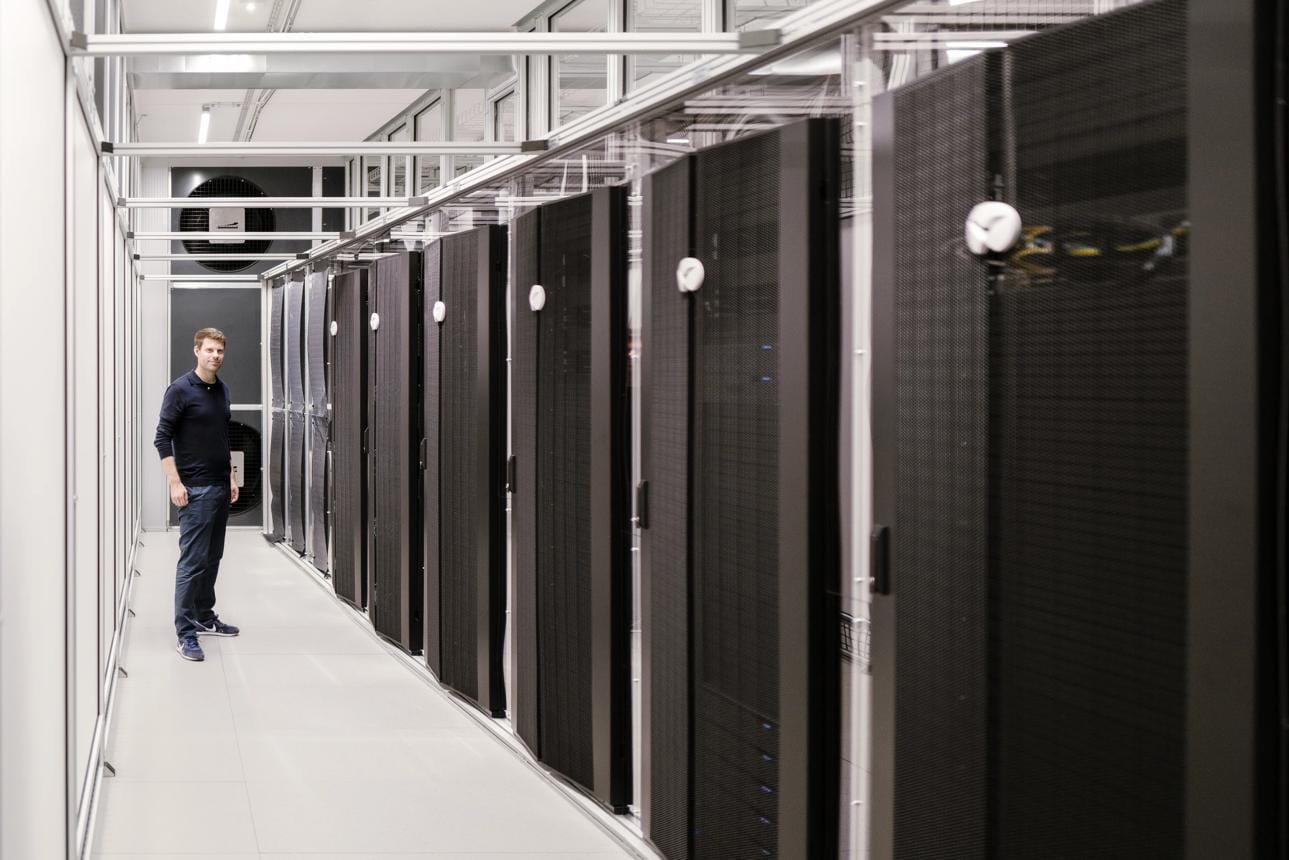
The rapid expansion of artificial intelligence infrastructure is raising concerns about water and energy consumption in Switzerland. Experts warn that the growing number of AI-powered data centres could place increasing pressure on the country’s natural resources, especially water supplies used for cooling systems.

Switzerland currently hosts around 120 data centres, with approximately 20 additional facilities under construction. This gives the country one of the highest concentrations of data centres per capita in the world. The rise of artificial intelligence technologies is accelerating this growth as companies invest heavily in advanced computing infrastructure.

AI servers require significantly more processing power than traditional systems. As a result, they generate higher levels of heat and require intensive cooling methods to maintain safe operating temperatures. Many of these cooling systems depend heavily on water.

According to David Atienza Alonso, a professor at EPFL and an expert in AI computing systems, increasing AI adoption will continue driving demand for larger and more powerful data centres.

He explained that countries are also expanding domestic data infrastructure due to geopolitical tensions and concerns about digital sovereignty. Governments and companies increasingly want sensitive data to remain within national borders, leading to greater investment in local storage and computing facilities.

While Switzerland is often called the “water tower of Europe” because of its lakes, rivers, and glaciers, experts warn that resource availability should not be taken for granted. If AI infrastructure growth continues without long-term planning, some regions could eventually face challenges in supplying enough electricity and water.

Global estimates from the International Energy Agency suggest that data centres currently consume around 560 billion litres of water annually worldwide. This figure could rise to 1.2 trillion litres by 2030 as AI usage expands rapidly across industries.

Most of this water is used for cooling servers and generating electricity required to power data centre operations. Environmental experts say the issue remains largely invisible to the public despite its growing importance in the digital economy.

Researchers and policymakers are now calling for sustainable infrastructure planning, improved cooling technologies, and better resource management to ensure that Switzerland can support technological growth without placing excessive strain on natural resources.

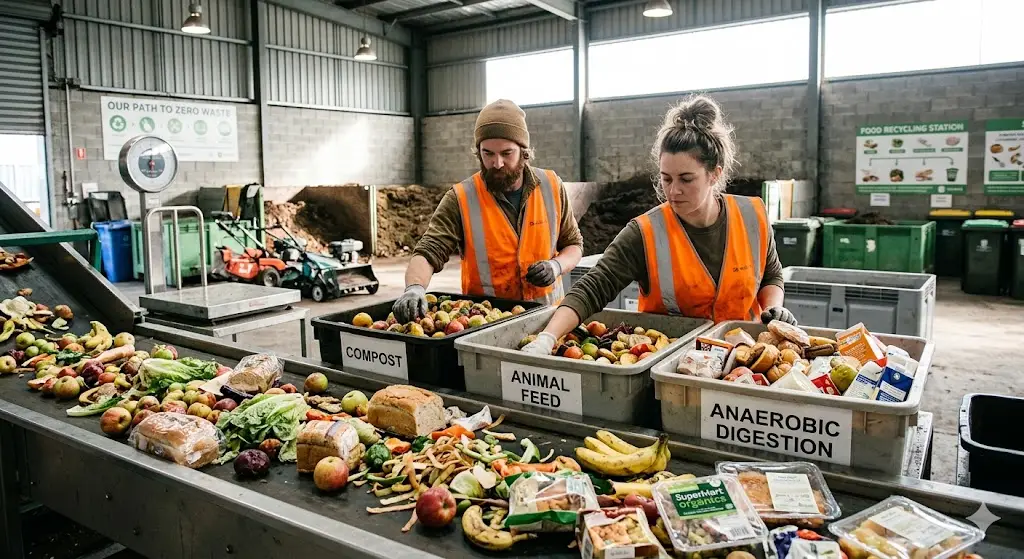
Swiss Government Warns Food Waste Remains Too High.

The Switzerland government has warned that food waste levels across the country remain far too high, despite ongoing national efforts to reduce waste by 2030.

In an interim report released on Wednesday, authorities revealed that food waste declined by only around 5% between 2017 and 2024, falling well short of the targeted 25% reduction by 2025.

Switzerland launched its national action plan against food waste in 2022, aiming to cut avoidable food losses in half by the year 2030. While some sectors have shown measurable improvement, officials say overall progress remains too slow.

The retail industry achieved the strongest results, reducing food waste by approximately 20% through improved inventory management, discount systems, and food redistribution initiatives.

However, Swiss households continue to lag behind, remaining one of the biggest contributors to unnecessary food waste. Authorities say consumer behavior, over-purchasing, and poor meal planning remain major challenges.

The government emphasized that reducing food waste is essential for environmental protection, resource conservation, and climate goals, as discarded food contributes significantly to greenhouse gas emissions.

Officials are now calling for stronger public awareness campaigns and greater cooperation between households, businesses, and food service sectors to accelerate progress toward the 2030 target.

Food waste reduction has become a major sustainability issue across Europe as governments seek to improve resource efficiency and reduce environmental impact.

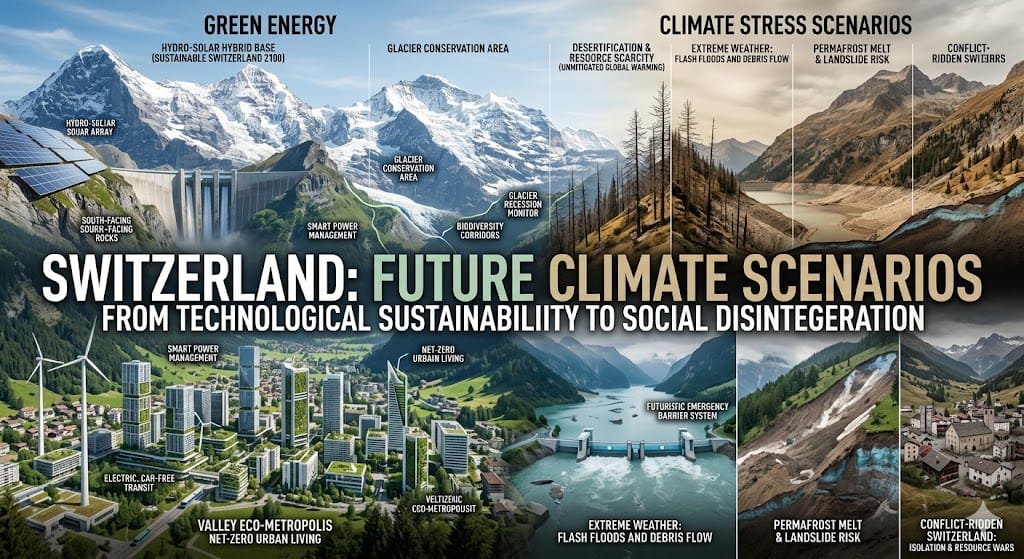
WSL Study Outlines Five Possible Futures for Switzerland

Researchers at the Swiss Federal Institute for Forest, Snow and Landscape Research have developed five possible future scenarios for Switzerland, exploring how society, the economy, and the climate could evolve by the year 2100.

The study highlights that it is impossible to predict Switzerland’s exact future. However, understanding different development paths is crucial because social, political, and economic changes directly affect resource use, infrastructure, and climate impact.

To build these scenarios, researchers collaborated with around 60 scientists from 20 institutions. A computer model was used to generate consistent projections based on global climate frameworks developed by the Intergovernmental Panel on Climate Change.

Three of the five scenarios are based on global Shared Socioeconomic Pathways, ranging from a highly technological, renewable-energy-driven society to a fragmented future marked by inequality and weakened state structures.

In the most divided scenario, society splits between a wealthy elite and a disadvantaged majority, while another scenario predicts long-term reliance on fossil fuels, resulting in severe environmental damage and high economic costs later in the century.

Two additional Switzerland-specific scenarios were also developed. One describes a country that prioritizes economic growth through fossil fuels before facing environmental consequences. The other focuses on social cohesion and well-being over pure economic expansion.

Lead researcher Lena Gubler emphasized that none of the scenarios are considered more likely than the others. Instead, they are designed as “if-then” models to explore possible outcomes rather than predict the future.

The National Centre for Climate Services (NCCS) has also released new data showing projected greenhouse gas emissions for each scenario up to 2100, providing a foundation for long-term climate planning and policy decisions.