

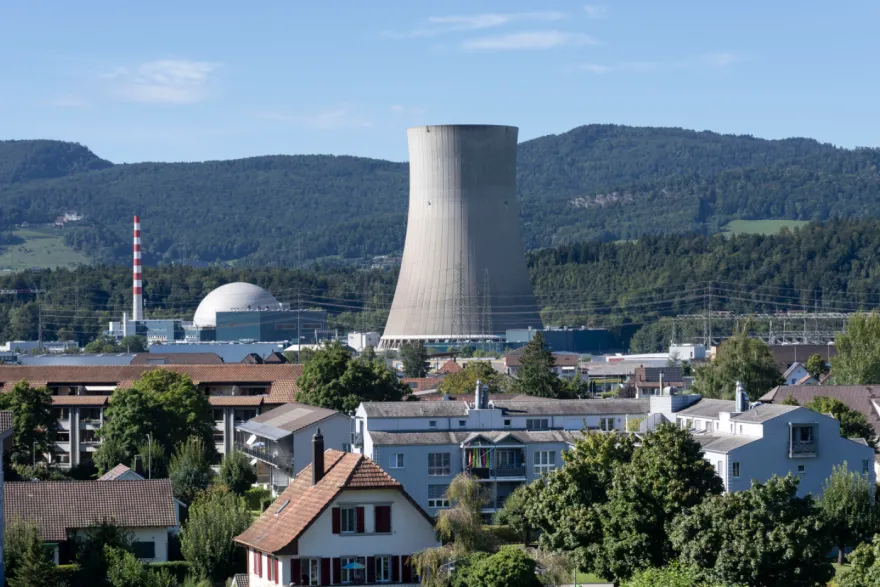
Switzerland Moves to Lift Nuclear Power Ban.

Switzerland’s parliament has approved a major shift in national energy policy by backing a proposal that would allow the construction of new nuclear power stations, marking a significant reversal of the country’s long-standing nuclear phase-out strategy.

The decision follows a positive vote in the Senate and was later confirmed by the House of Representatives, which supported a government counter-proposal linked to the “Stop the Blackout” popular initiative. As a result, Swiss voters will now decide on both the initiative and the counter-proposal in an upcoming national ballot.

The approved amendment to the energy law effectively opens the door to lifting the ban on new nuclear power plants, a restriction that had been in place as part of Switzerland’s earlier commitment to phase out nuclear energy.

During parliamentary debates, Energy Minister Albert Rösti stressed the importance of maintaining nuclear power as an option to ensure long-term energy security. He argued that Switzerland must diversify its energy sources to guarantee a stable electricity supply in the future.

The proposal received strong support from right-leaning and centrist political parties, while left-wing parties opposed the move, raising concerns about safety, environmental risks, and long-term waste management.

The Green Party has already announced plans to push for a referendum, signaling that the issue is likely to become a major political debate across the country in the coming months.

The final decision will now rest with Swiss voters, who will determine whether nuclear energy should return as part of Switzerland’s future energy strategy or remain excluded under existing policy.

Swiss Tamil Group Faces Fresh Allegations.

A public debate has emerged within the Swiss Tamil community after a statement from Mullai Velicham challenged comments made by several community members regarding allegations linked to certain organizations operating in Switzerland.

In its response, Mullai Velicham stated that its reports focus on concerns raised about financial management, transparency, and accountability within community-related activities. The organization emphasized that its publications are not directed at individuals’ private lives but rather at issues that it claims affect members of the wider Tamil community.

The statement further argued that some individuals may be reluctant to come forward publicly due to concerns about personal safety and social pressure. According to the response, supporting materials and testimonies are being retained securely.

The discussion also extended to references made about Tamil political history and leadership. Mullai Velicham maintained that its intention is not to criticize historical figures but to question whether their names and legacies are being used in ways that could mislead community members.

The organization called for greater transparency regarding community funds and invited those involved to address the allegations through evidence-based discussion. It also stated that public accountability remains essential for maintaining trust within community organizations.

As debate continues, members of the Swiss Tamil community have expressed differing opinions on the matter. The controversy highlights ongoing discussions about transparency, governance, and responsible leadership within diaspora organizations.

The issue remains a topic of active discussion among community members, with calls for further clarification and constructive dialogue from all parties involved.