Why Some Swiss Banks Avoid U.S. Citizens: The FATCA Effect Explained

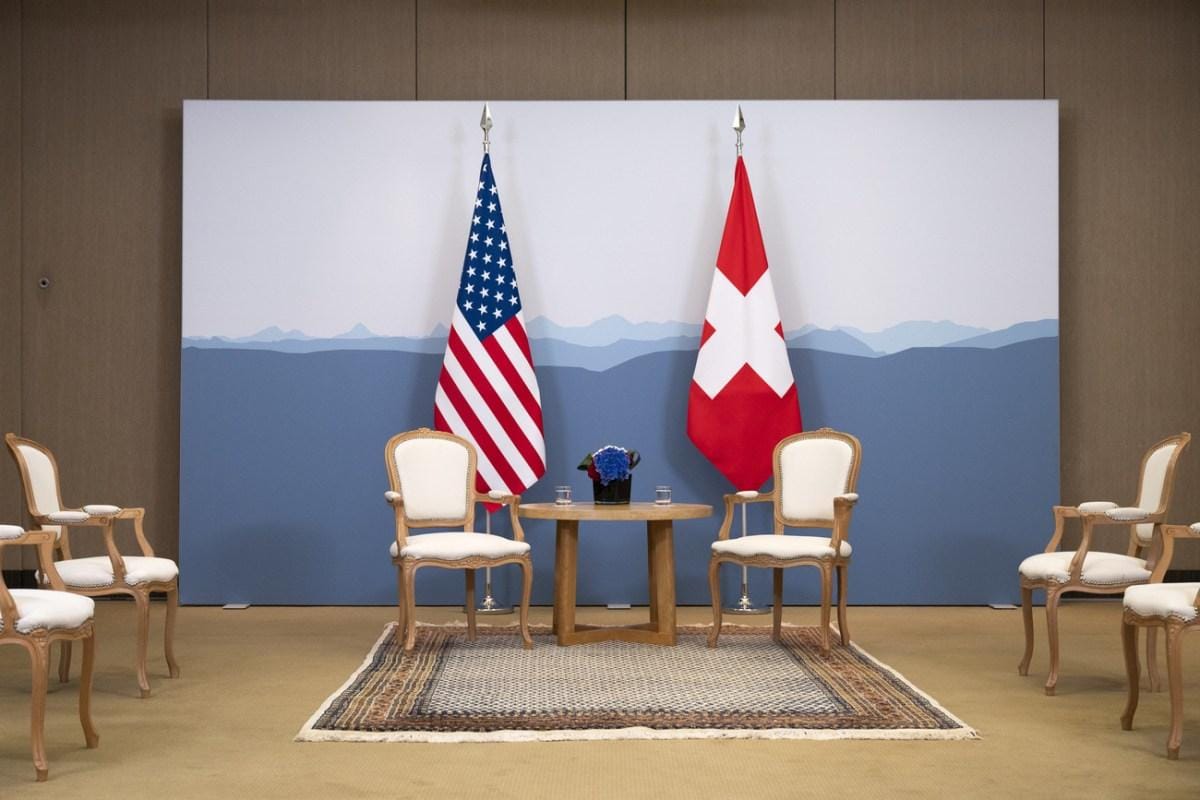
Many people believe that citizens of the United States cannot open bank accounts in Switzerland. However, this is not entirely true. While it is possible for U.S. citizens to hold Swiss bank accounts, many Swiss banks choose not to accept them due to strict international tax regulations and compliance risks.

The main reason behind this situation is the U.S. law known as FATCA (Foreign Account Tax Compliance Act), introduced in 2010. This law requires all foreign banks to report financial information of U.S. citizens to the Internal Revenue Service (IRS). If banks fail to comply, they may face heavy penalties or restrictions from the U.S. financial system.

As a result, Swiss banks face significant operational challenges. One major issue is the increased administrative burden. Banks must collect additional tax documentation, maintain detailed reporting systems, and implement complex compliance software to track U.S. account holders.

Another concern is legal risk. Even small reporting errors can result in serious financial penalties. To avoid this risk, some banks prefer not to onboard U.S. clients at all and clearly state policies such as “U.S. persons not accepted.”

Historically, Switzerland was known for strong banking privacy laws. However, international pressure—especially from the U.S.—has significantly reduced banking secrecy. Investigations involving major banks like UBS played a major role in changing Swiss banking compliance rules.

Additionally, U.S. citizens are subject to worldwide taxation, meaning they must report global income regardless of where they live. This creates further reporting complexity for foreign banks handling their accounts.

Despite these challenges, not all Swiss banks reject U.S. citizens. Some institutions, including major banks and financial service providers such as PostFinance, may still allow accounts under strict conditions. These often include higher minimum balances, additional tax forms, enhanced compliance checks, and certain investment restrictions.

In summary, the issue is not discrimination against U.S. citizens. Instead, it is the result of strict U.S. tax laws, compliance costs, and regulatory risks that make it difficult for many Swiss banks to offer services to American clients.

Global Cyberattack Disrupts Universities and Schools Using Canvas System

A major international cyberattack has disrupted universities and schools across the United States, Canada, and Australia, causing widespread academic chaos during a critical end-of-year examination period.

The hacking group ShinyHunters has claimed responsibility for the attack, which targeted the widely used learning platform Canvas.

The cyber incident caused temporary outages across thousands of educational institutions, affecting an estimated 9,000 schools and universities worldwide.

The company behind the platform, Instructure, confirmed that Canvas was restored for most users by late Thursday. However, several universities continued to report technical issues and disruptions into Friday.

The attack caused significant academic disruption, forcing some institutions to postpone exams and delay coursework submissions.

Mississippi State University announced that it had postponed final examinations to allow students time to recover lost work and adjust to system outages.

Students described sudden system failures during critical assessments, with one student reporting that a ransom message appeared on-screen while completing a major exam essay.

The message reportedly read: “ShinyHunters has breached Instructure (again),” highlighting the group’s previous cyber activity targeting educational platforms.

Cybersecurity experts warn that attacks on educational infrastructure are increasing, particularly during high-pressure academic periods when system downtime can have serious consequences for students.

Authorities and affected institutions are now working with cybersecurity teams to investigate the breach and strengthen digital defenses.

The incident highlights growing vulnerabilities in global education systems as reliance on digital learning platforms continues to increase.

Switzerland Continues US Trade Talks Despite Tariff Court Ruling.

The Switzerland government says it will continue trade negotiations with the United States despite a recent US court ruling against tariffs introduced under former President Donald Trump.

According to Swiss officials, reaching a long-term trade agreement with the United States remains a top priority for the Swiss Federal Council.

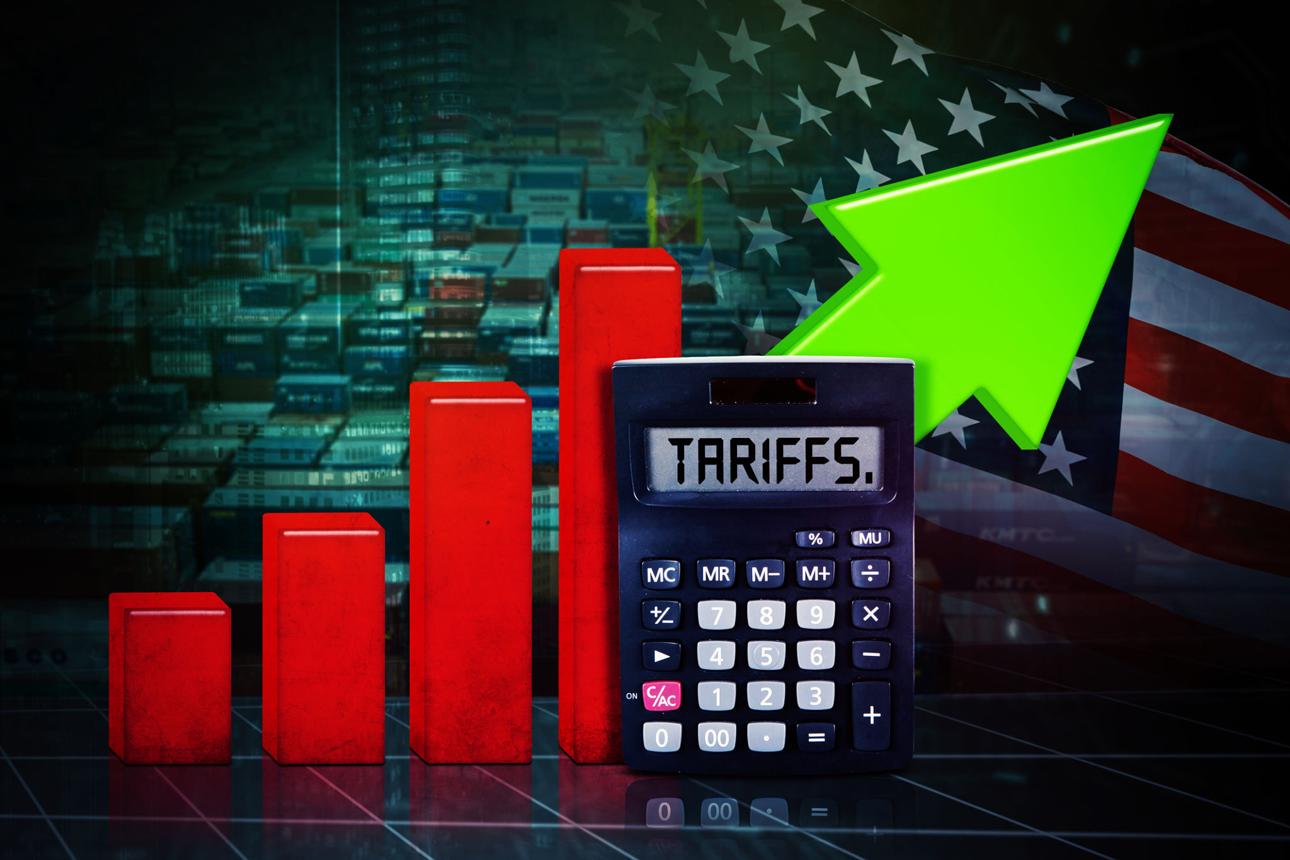
The statement came after a US trade court ruled on Thursday that the latest 10% temporary global tariffs introduced under Trump’s trade policy were unjustified under a 1970s trade law.

However, Swiss authorities stressed that the ruling will not affect the ongoing Swiss-US trade discussions.

A spokesperson for the Swiss economics ministry stated that the main objective of the negotiations is to secure fair and non-discriminatory access for Swiss companies to the American market.

Swiss officials also highlighted the importance of long-term legal certainty and stable trade conditions for businesses operating internationally.

The US court decision reportedly blocks the tariffs only for two private importers and the State of Washington, meaning broader tariff policies remain under legal and political debate.

Economic experts say Switzerland is seeking stronger economic ties with the US to protect exports, investment opportunities, and market competitiveness.

The United States remains one of Switzerland’s most important trading partners, especially in sectors such as pharmaceuticals, finance, machinery, and technology.

Both countries are expected to continue negotiations as global trade tensions and tariff disputes continue to shape international economic policy.

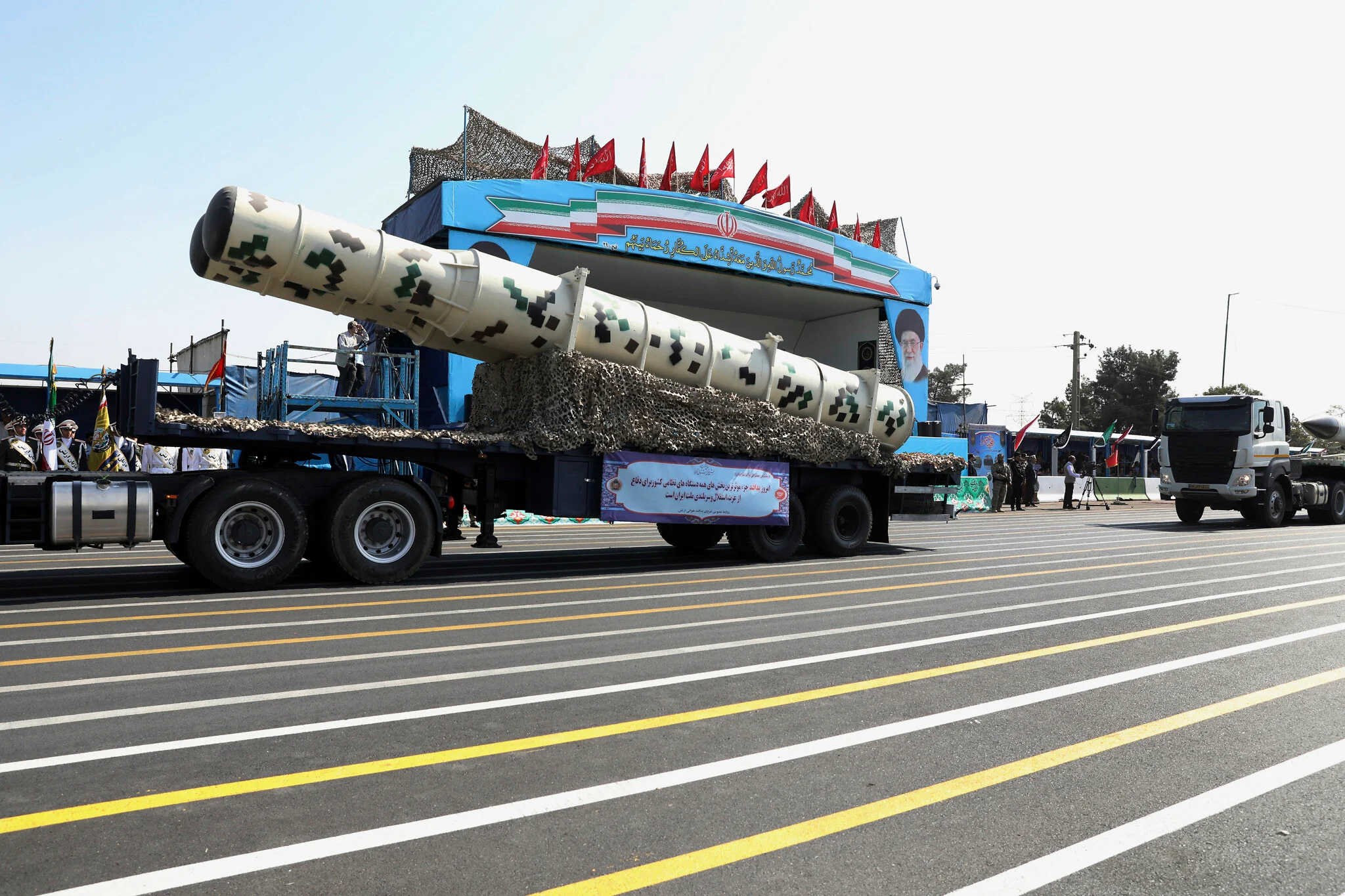
Iran Warns of “Fire Rain” as US Allegedly Plans Secret Ground Attack.

Iran Accuses US of Secret Military Plot

Iran’s Parliament Speaker, Mohammad Bagher Ghalibaf, has accused the United States of secretly preparing a ground attack while publicly signaling willingness for diplomatic talks. The statement has intensified already rising tensions between the two nations.

Contradictory Signals Raise Concerns

According to Iran’s official news agency, the United States has presented a 15-point proposal aimed at negotiations. However, Iranian officials believe this move is a strategic attempt to achieve through diplomacy what it failed to accomplish in conflict. As a result, trust between both sides continues to weaken.

Iran Signals Strong Military Readiness

Ghalibaf emphasized that Iranian forces remain fully prepared for any potential ground invasion. He warned that if US troops attempt to enter Iranian territory, they will face a severe and immediate military response. Iran has clearly stated that it will not tolerate any form of humiliation or aggression.

Rising Tensions in the Middle East

Meanwhile, geopolitical analysts warn that escalating rhetoric could further destabilize the Middle East. The situation reflects growing uncertainty in global security, especially as both nations maintain strong military capabilities and strategic influence in the region.