Teenager Dies After Devastating Zurich Storm

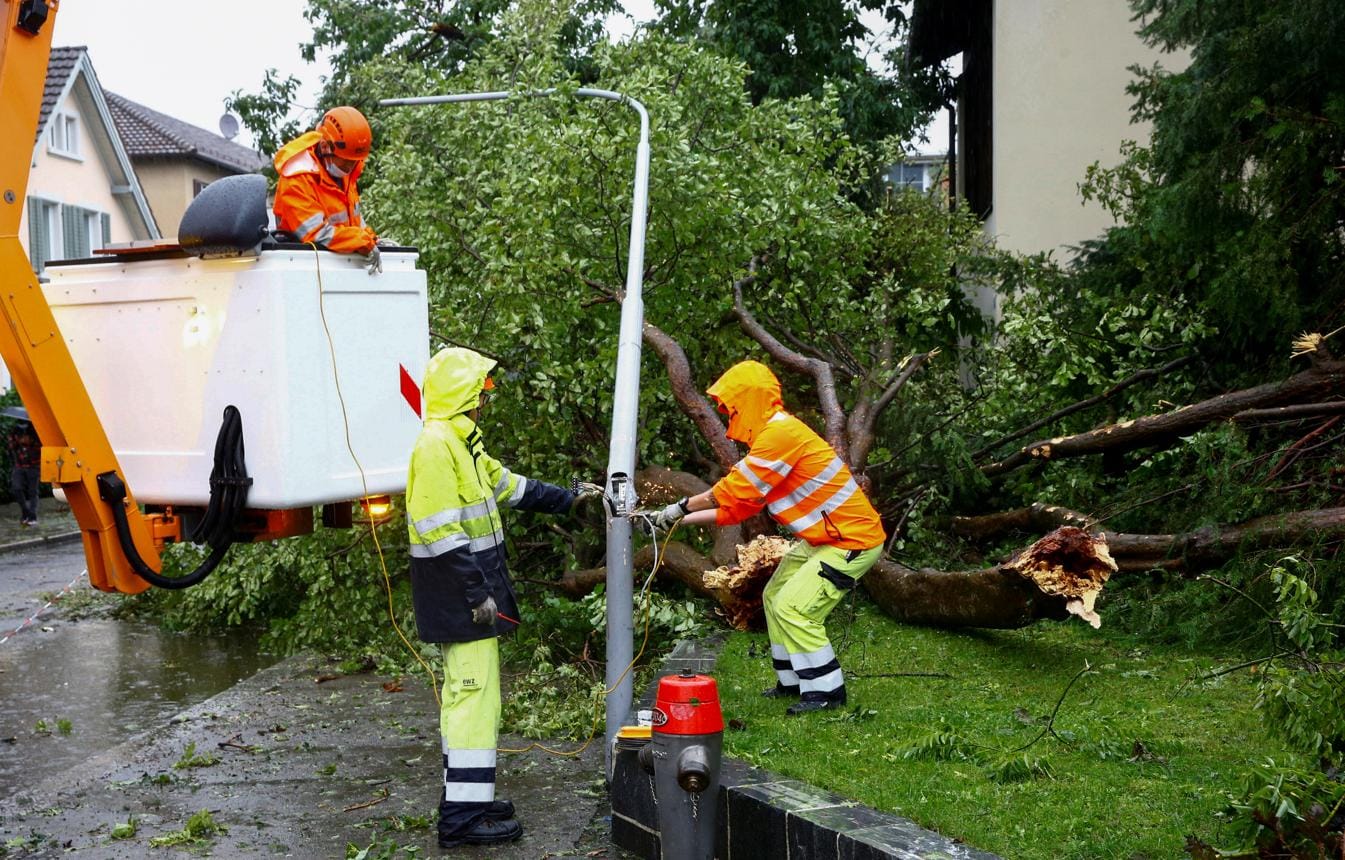
A tragic incident has shaken Zurich after a 16-year-old girl died from injuries sustained during a powerful storm that swept across the city on Friday evening.

The teenager was critically injured when a falling tree branch struck her during the severe weather. Emergency responders rushed her to hospital, where doctors fought to save her life. However, Zurich’s Protection and Rescue Service later confirmed that she had passed away from her injuries.

Authorities have launched an investigation into the exact circumstances surrounding the accident. Zurich City Police, the Zurich Institute of Forensic Medicine, and the public prosecutor’s office are working together to determine the cause of death and establish all relevant details.

The fatal incident occurred as intense thunderstorms moved across large parts of Switzerland. One particularly severe storm travelled from Urdorf toward Winterthur at around 6:00 p.m. and remained over Zurich for nearly two hours, bringing strong winds, heavy rain, and dangerous conditions. Emergency services faced a challenging night as the storm caused widespread disruption throughout the city. Zurich’s Protection and Rescue Service responded to approximately 270 emergency incidents linked to the extreme weather conditions.

Ambulance teams were dispatched to around 50 separate emergencies, assisting injured residents and addressing storm-related hazards. Officials confirmed that the storm resulted in one fatality and several additional injuries across the city.

Weather experts have warned that severe thunderstorms can develop rapidly during Switzerland’s summer season, creating risks from falling branches, flying debris, flash flooding, and strong wind gusts.

Local authorities continue to urge residents to monitor weather alerts, avoid parks and wooded areas during storms, and seek shelter immediately when severe weather warnings are issued.


Switzerland Introduces Driver Monitoring Cameras in New Cars

From July 7, Switzerland will begin introducing new regulations requiring driver monitoring systems in newly purchased cars. These systems use in-cabin cameras to observe driver behavior and improve road safety across the country.

The technology, known as Advanced Driver Distraction Warning (ADDW) or Driver Monitoring System (DMS), is designed to monitor the driver’s face and eye movements while the vehicle is in operation. The system can detect signs of fatigue such as yawning, blinking patterns, or loss of focus.

When the system identifies that a driver may be distracted or drowsy, it triggers an alert to warn the driver and encourage them to regain attention. This aims to reduce accidents caused by human error, fatigue, or inattention.

The camera is typically positioned facing the driver and continuously observes driving behavior in real time. Although drivers may have the option to disable the system, it is automatically reactivated every time the vehicle is restarted. These regulations are based on updated European Union vehicle safety standards, which focus on improving road safety through advanced driver-assistance technologies. Switzerland, which aligns closely with EU safety regulations, will implement these requirements in all newly registered vehicles.

Authorities say the introduction of this technology is part of a broader effort to reduce road accidents and improve transport safety standards across the country.

Supporters argue that the system could significantly reduce accidents caused by tired or distracted driving. However, some privacy concerns have also been raised regarding in-car monitoring technology.

Language Barrier Nearly Causes Train Collision in Switzerland

A serious railway incident was narrowly avoided in Neuchâtel-Vauseyon, Switzerland, after two trains travelling in opposite directions were brought to a halt just 50 metres apart. The situation has raised important questions about communication and safety in multilingual environments.

According to reports, the incident involved a communication breakdown between German-speaking train drivers and French-speaking control room staff. Instructions issued by the control centre were given in French, but the drivers were unable to fully understand the messages in time to act immediately.

At the same time, no German-speaking staff were available in the control room to assist with translation or urgent communication. This delay nearly led to a catastrophic collision, which was only avoided when both train drivers managed to stop their trains in time.

Authorities confirmed that all staff involved were formally qualified and met the required language standards. However, the incident revealed that formal certification alone may not be sufficient in high-pressure emergency situations where rapid, clear communication is critical.

The near-miss has sparked renewed debate about the importance of practical language training in operational environments. Experts argue that employees in safety-critical sectors such as rail transport must be able to communicate effectively under emergency conditions, not just pass language examinations.

The event also highlights broader challenges faced in multilingual countries like Switzerland, where German, French, Italian, and Romansh are all official languages. While this diversity is a national strength, it can also create risks if communication systems are not fully aligned during emergencies.

Rail safety authorities are expected to review communication protocols following the incident to prevent similar situations in the future.

Fatal Wingsuit Accident Reported in Switzerland Alps.

A 47-year-old German man has died following a wingsuit accident during a jump in the Swiss Alps near Vättis in the canton of St Gallen.

According to St Gallen cantonal police, the incident occurred on Friday evening shortly after 17:00 in the Chüefad area at an altitude of around 2,080 metres. The man took off alongside another jumper, aged 37, but lost control shortly after launch and fell to his death.

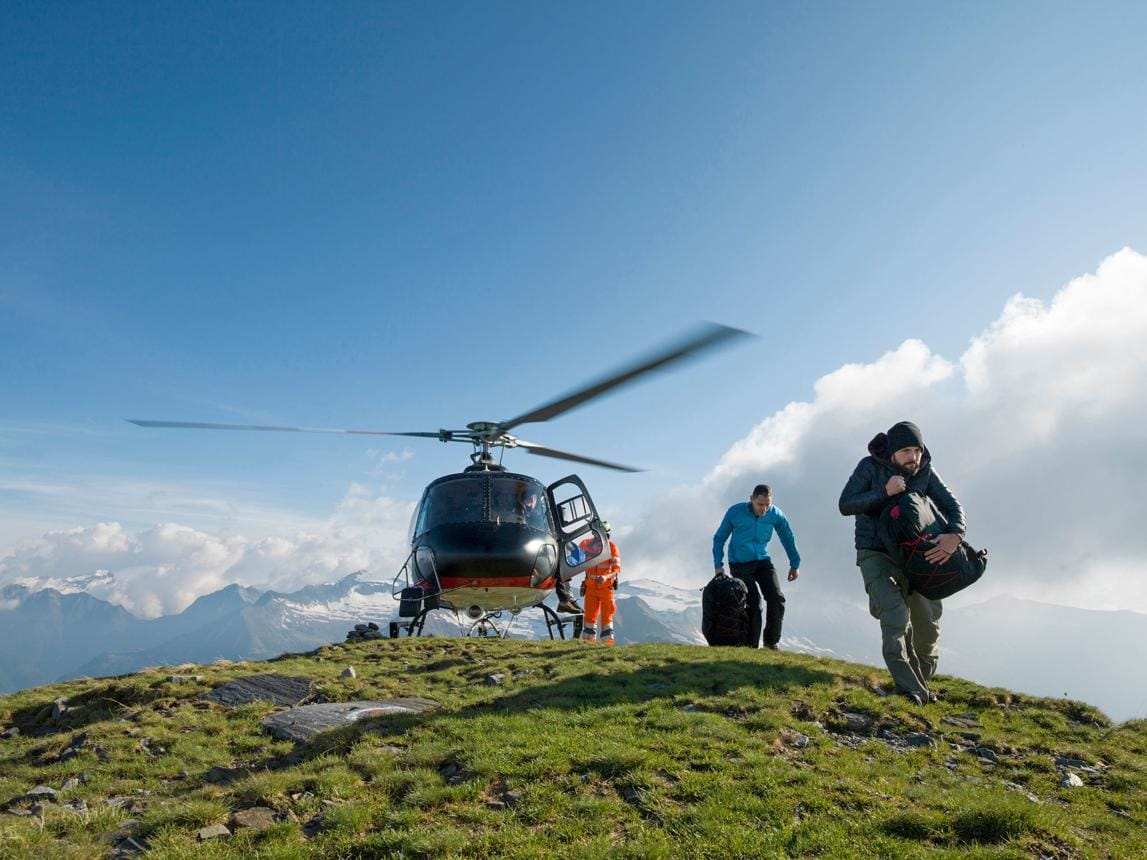
Emergency services, including the Rega air rescue helicopter, were deployed to the scene and later recovered the man’s body. Authorities confirmed that the exact cause of the accident is still unknown.

The Alpine Brigade of the St Gallen cantonal police has launched an official investigation under the supervision of the Swiss Attorney General’s Office to determine the circumstances leading to the fatal incident.

This marks the second wingsuit-related death in Switzerland within the same week. On Thursday, a 29-year-old pilot also died during a wingsuit flight in central Valais, highlighting the ongoing risks associated with extreme aerial sports in mountainous terrain.

Wingsuit flying is an extreme sport that allows participants to glide through the air using a specially designed suit with fabric wings between the arms and legs. While it offers a controlled descent before parachute deployment, the activity carries significant risks, particularly in alpine environments with challenging terrain and weather conditions.

Authorities continue to emphasize the importance of safety measures and experience requirements for high-risk adventure sports in Switzerland.

Switzerland Leads in Europe Transport Safety Ranking.

Switzerland has once again been ranked among the safest countries in Europe for public transport, according to data released by the Federal Office of Transport (FOT).

The report places Switzerland third in Europe for passenger safety in public transport systems, behind the United Kingdom and the Netherlands. The evaluation is based on safety performance across multiple transport modes, including trains, cable cars, ferries, trams, and buses.

Officials confirmed that Switzerland’s railways, cable car networks, and boat services have maintained an excellent safety record in recent years, with no reported fatalities or serious injuries in these sectors. This strong performance highlights the country’s continued investment in transport infrastructure, maintenance, and safety standards.

However, the report also notes growing safety concerns in urban transport systems. In particular, tram and bus networks in major cities have seen an increase in serious injuries and, in some cases, fatalities in recent years. Authorities attribute this trend to rising urban traffic density, increased pedestrian movement, and complex road-sharing conditions in city environments.

Transport experts explain that while Switzerland’s long-distance and mountain transport systems remain highly secure, urban mobility presents new challenges. Higher population movement in cities, combined with congestion and mixed traffic conditions, has made safety management more difficult.

Despite these challenges, Switzerland continues to maintain one of the most reliable and well-regulated public transport systems in Europe. Authorities emphasize ongoing efforts to improve safety in urban areas through better infrastructure planning, awareness campaigns, and updated traffic regulations.

The latest ranking reinforces Switzerland’s reputation as a global leader in transport reliability and safety, particularly in rail and alpine transport systems.

Authorities Rule Out Terrorism in Bellinzona Knife Attack Case.

Swiss authorities have confirmed that no terrorist or jihadist motive was identified in a knife attack that took place in Bellinzona, despite earlier concerns raised in media reports.

In late January, a 37-year-old Swiss-Turkish woman entered a mobile phone shop in the Ticino town and threatened employees with a knife. Reports indicated that she allegedly shouted religious phrases during the incident, which initially raised suspicions of a possible extremist link.

However, the Office of the Attorney General of Switzerland (OAG) has now confirmed that investigations found no evidence of a terrorist background or ideological motive. The case is being treated as a criminal incident rather than an act of terrorism.

Authorities also stated that the suspect is currently receiving outpatient psychiatric treatment. Medical assessments indicated that she was not fit for questioning or trial at the time of the incident, leading to her involuntary admission to a psychiatric facility.

The legal proceedings remain ongoing, and officials have not released further details due to the sensitivity of the case.

The clarification highlights the importance of distinguishing between mental health-related incidents and ideologically motivated attacks during criminal investigations.

Driverless PostBus Hits Swiss Bank in Nunningen

A driverless public transport bus operated by PostBus Switzerland crashed into a bank building in Nunningen on Thursday evening, causing significant property damage but no injuries.

According to the cantonal police, the articulated autonomous bus began rolling for reasons that are still under investigation at around 8:35 pm while it was stationary at a stop on Zullwilerstrasse.

The vehicle crossed a traffic island before colliding directly with the façade of a local bank branch. Authorities confirmed that both the building and the bus sustained considerable damage in the impact.

Emergency services responded quickly to the scene, but no passengers or bystanders were injured in the incident.

Police in Switzerland have launched an investigation to determine what caused the driverless vehicle to move unexpectedly. Technical failure, system malfunction, or braking issues have not been ruled out at this stage.

Driverless and semi-autonomous public transport systems have been increasingly tested across Switzerland and Europe as part of efforts to modernise urban mobility and improve efficiency. However, the incident highlights ongoing safety challenges associated with autonomous transport technologies.

Authorities have not yet confirmed whether the bus was in fully autonomous mode at the time of the accident or whether a remote operator was monitoring the system.

The investigation is ongoing, and further technical assessments are expected in the coming days.

Swiss Travel Safety Concerns Rise in 2026

A new survey reveals that people in Switzerland are becoming increasingly concerned about safety when travelling abroad, even as demand for holidays remains strong.

Despite growing concerns, travel demand continues to recover. The proportion of people reducing or avoiding travel has dropped from 61% last year to 49%, indicating that a majority of Swiss residents still plan to travel abroad.

The survey highlights that political instability and global conflicts are the main factors influencing travel decisions. Around two-thirds of respondents cited these risks, leading to a noticeable shift toward European destinations, while interest in North America has declined.

Travel habits are also evolving. The preference for private cars has decreased significantly—from 67% two years ago to 51% today. Cars are now almost equally preferred alongside airplanes (51%) and trains (50%), reflecting a more balanced approach to transportation.

The study was conducted between February and March, covering more than 1,000 participants across Switzerland’s German-, French-, and Italian-speaking regions, along with additional TCS members.