

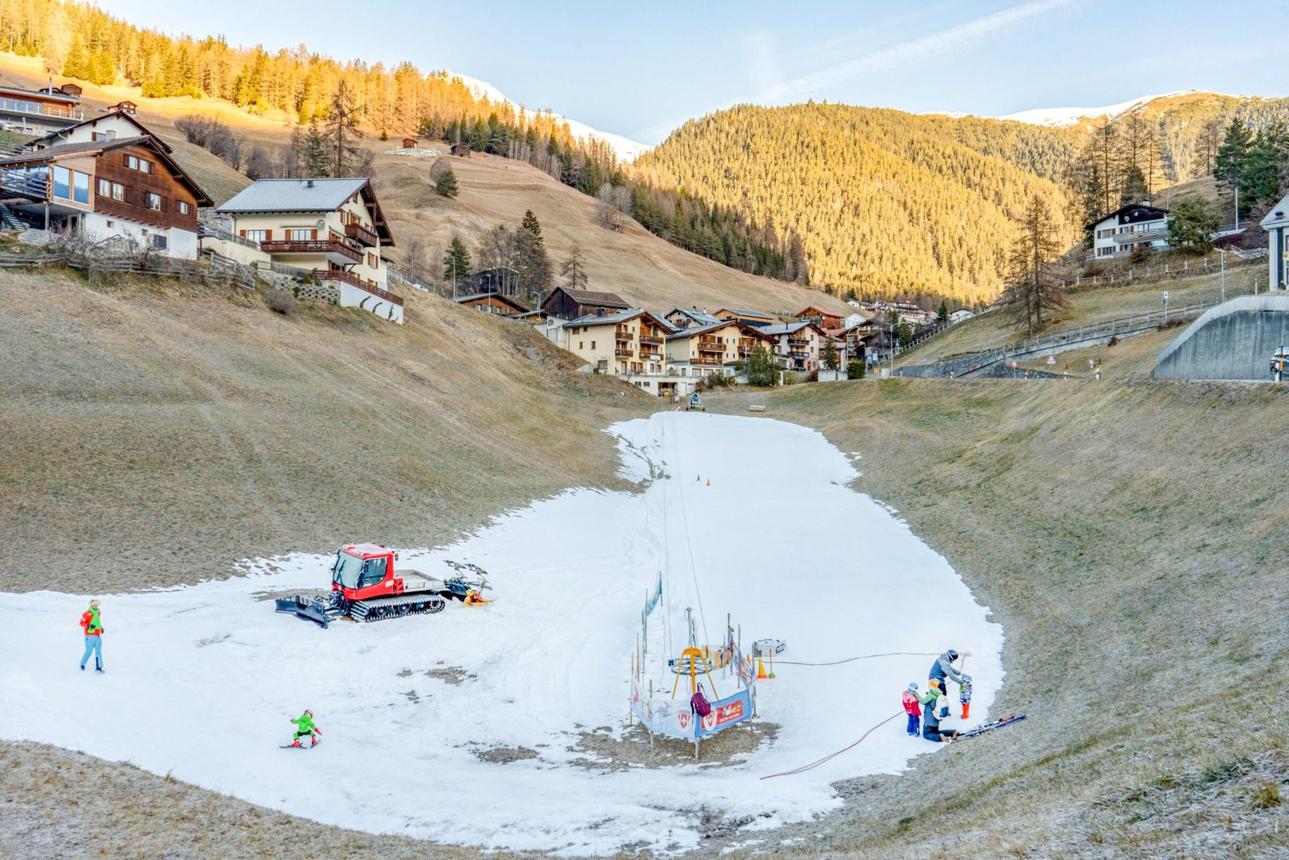

Swiss Ski Resort Closes Due to Climate Change.
The picturesque Swiss mountain village of Braunwald is preparing for a major transformation after announcing the end of traditional ski operations due to the growing impact of climate change.
Sportbahnen Braunwald confirmed that skiing activities will be discontinued from the 2026/27 winter season, marking a significant change for one of the region’s long-standing tourism attractions.
According to the company, rising operational costs, unpredictable snowfall, and changing visitor preferences have made the existing business model financially unsustainable. Following an extensive review, officials concluded that continuing traditional ski operations was no longer a viable option.
The decision highlights the increasing challenges facing mountain resorts across the Swiss Alps. Warmer winters and shorter snow seasons are forcing many destinations to rethink their tourism strategies and adapt to a changing climate.
In response, local tourism organizations, Visit Glarnerland, and regional stakeholders have launched a collaborative initiative to develop a new vision for Braunwald’s future. The project aims to create sustainable tourism opportunities that can attract visitors throughout the year rather than relying solely on winter sports.
Richard Bolt, Chairman of Sportbahnen Braunwald, emphasized that the challenges are too significant for any single organization to address alone. A series of workshops will now bring together local authorities, tourism experts and community representatives to develop long-term solutions.
The municipality of Glarus Süd and the Canton of Glarus have pledged support for the transformation project. Funding opportunities from regional and federal development programs are also being explored to help finance future initiatives.
The strategic planning process is expected to take approximately six months, with stakeholders aiming to establish a sustainable tourism model that can secure Braunwald’s economic future while adapting to climate realities.
As climate change continues to affect snow reliability across Europe, Braunwald’s decision may become a model for how Alpine communities reinvent themselves for a changing world.