


Swiss Insect Species Show Mixed Recovery.
Researchers from several Swiss institutions analyzed records of 811 insect species collected between 1930 and 2021. The study, published in the journal Nature Ecology and Evolution, provides one of the most comprehensive pictures of long-term insect population trends in Switzerland.
The findings show that deadwood beetles have experienced a strong recovery after decades of decline. Their numbers dropped steadily until around 1960 but later stabilized and have now returned to levels similar to those recorded in 1930. Scientists attribute this recovery to improved forest management practices, increased biodiversity protection, and the availability of more deadwood habitats.
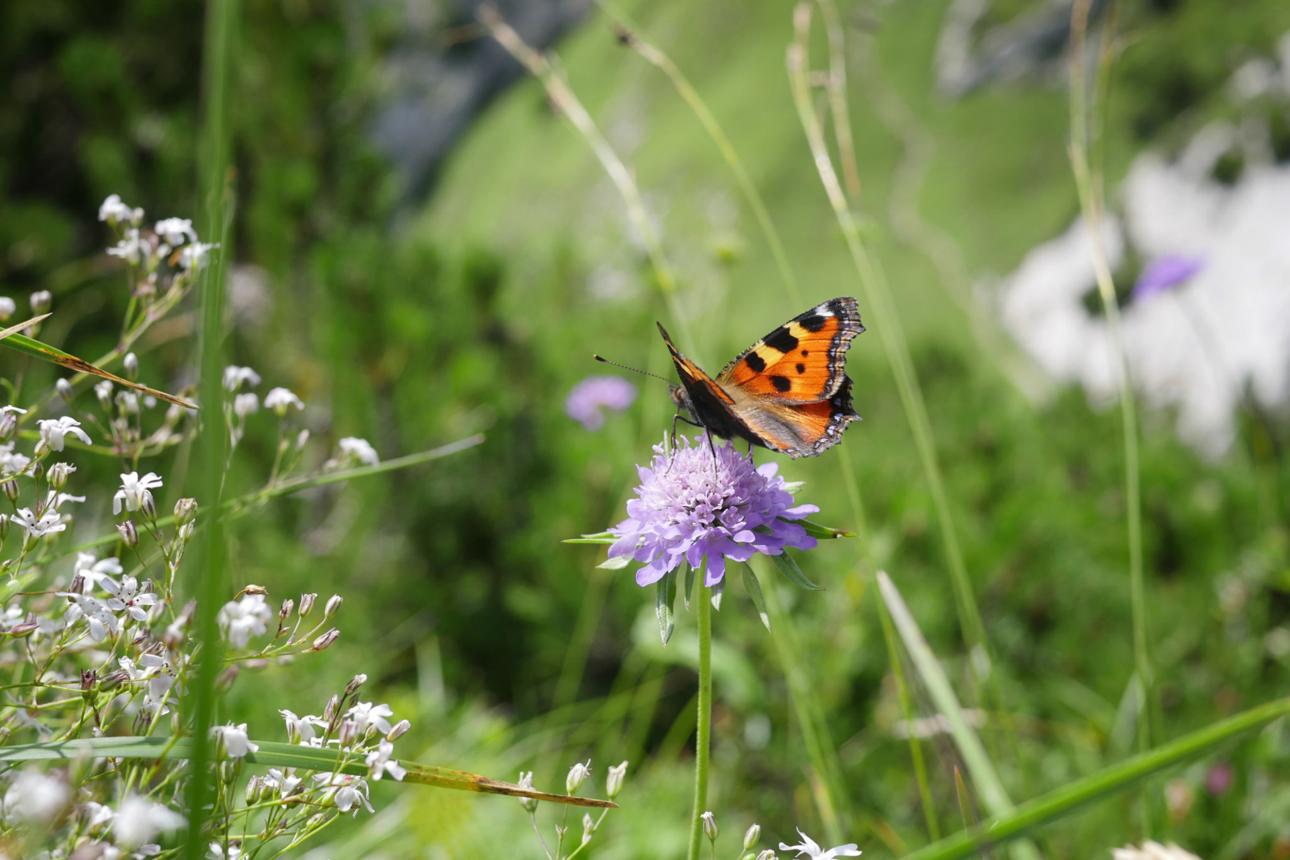
Butterflies, however, tell a very different story. Their diversity declined sharply until the 1980s and has failed to recover. Today, Switzerland has approximately 12% fewer butterfly species than it did in 1930. The decline is especially severe in the Central Plateau region, where butterfly diversity has fallen by nearly 29%.
Researchers point to agricultural intensification between 1950 and 1980 as a major factor behind these losses. The widespread use of fertilizers and pesticides, combined with landscape simplification, significantly reduced natural habitats for many insect species.
Climate change has also played a role. Rising temperatures have benefited certain warmth-loving species, particularly deadwood beetles, allowing them to expand their range. Major storms such as Vivian in 1990 and Lothar in 1999 also created large amounts of deadwood, providing valuable habitats for beetle populations.
The study highlights that environmental protection measures introduced since the 1990s have produced positive results, particularly in forest ecosystems. However, researchers warn that stronger and more targeted conservation efforts are still needed to protect vulnerable species such as butterflies.
Experts believe that preserving biodiversity remains essential for maintaining healthy ecosystems, pollination services, and Switzerland’s natural heritage. The findings serve as both a success story for conservation and a reminder that many species still require urgent protection.