
Swiss Parliament Moves Against Unsafe Temu Products
Swiss lawmakers are pushing for stricter regulations on Chinese online retailers such as Temu and Shein, citing growing concerns over product safety and consumer protection.
The Swiss House of Representatives has joined the Senate in supporting measures that would increase oversight of products entering Switzerland from foreign online marketplaces. Every day, tens of thousands of parcels arrive in the country from China, raising concerns about compliance with Swiss safety standards.
Politicians argue that many low-cost products sold through online platforms fail to meet the strict safety requirements applied to goods sold by Swiss retailers. Several incidents have highlighted the risks. Reports include electronic chargers overheating and melting, as well as electrical devices allegedly exploding and causing injuries.
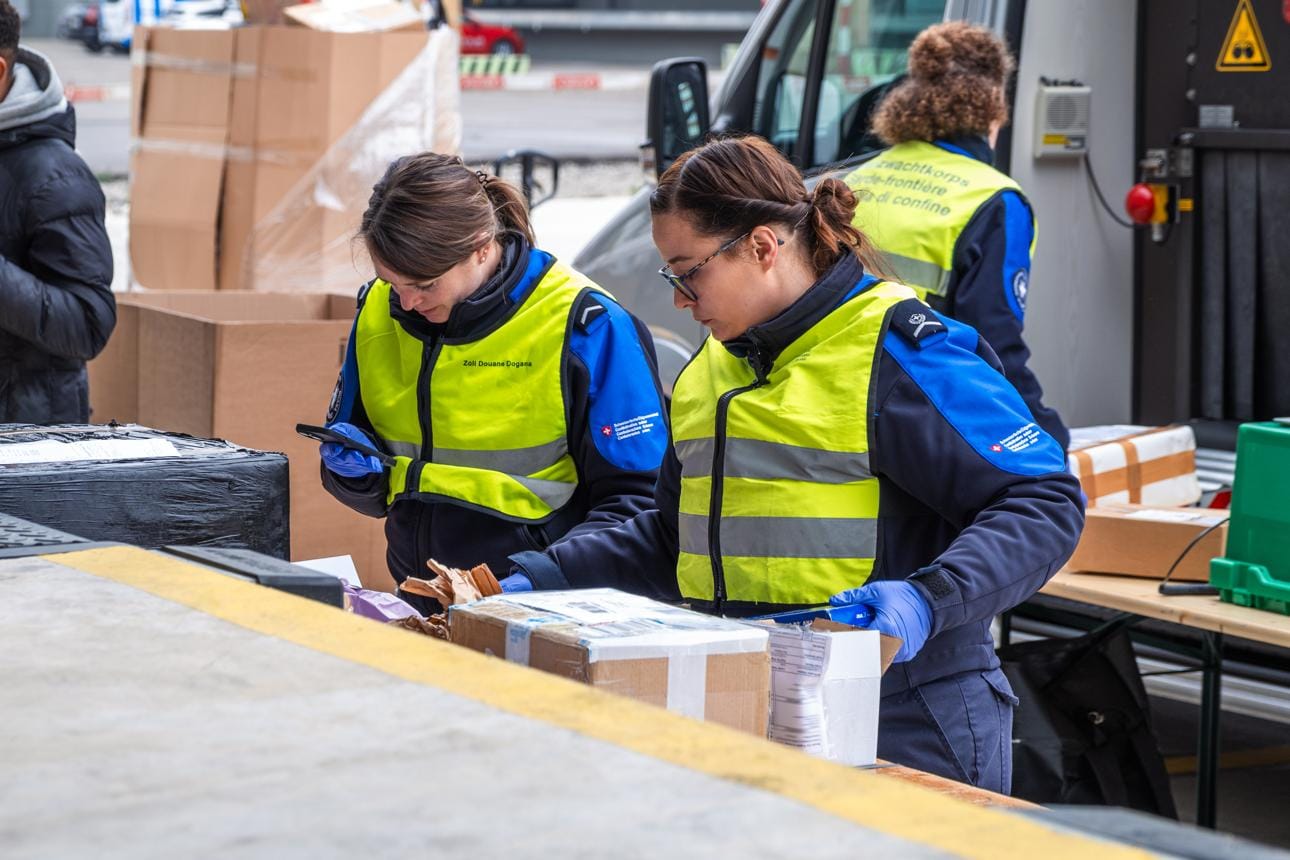
Parliamentarian Matthias Bregy stated that authorities have observed numerous products that do not comply with Swiss safety and security standards. Under the proposed measures, foreign online platforms would be required to clearly declare when products fail to meet Swiss regulations. Authorities would also increase inspections of imported packages.
Consumer protection groups, however, believe the proposed measures may not be sufficient. Consumer advocate Sara Stalder argues that the enormous volume of daily imports makes effective inspection and product declarations difficult to enforce. She believes stronger legal accountability for online platforms would provide better protection for consumers.
Supporters of the parliamentary proposal say enhanced risk-based inspections are necessary to create a fair marketplace. Swiss retailers must already comply with strict regulations and safety requirements, while foreign platforms often operate under different standards.
The issue now moves to the Swiss government for further consideration and implementation. The debate reflects growing international concerns about product quality, consumer safety, and regulatory oversight in the rapidly expanding cross-border e-commerce sector.
As online shopping continues to grow, Switzerland is seeking ways to balance consumer choice, competitive pricing, and public safety while ensuring that all products sold to Swiss customers meet appropriate standards.