Nestlé Acquires Full Ownership of Germany’s yfood Labs.

Swiss food and beverage giant Nestlé has agreed to acquire full ownership of Germany-based yfood Labs, a company known for its liquid meals, powdered nutrition products, and snack bars.

Nestlé previously held a 49% stake in the Munich-based company since 2023. With this new agreement, the multinational will take complete control of the business, further expanding its presence in the growing functional food and meal-replacement market.

Although financial details of the transaction were not disclosed due to a confidentiality agreement, Nestlé confirmed that yfood Labs generated approximately €150 million (CHF 137.5 million) in revenue last year, highlighting the company’s strong performance in its sector.

The transfer of shares from the founders is expected to take place on July 3, pending the necessary regulatory approvals. Once completed, the acquisition will allow Nestlé to fully integrate yfood Labs into its broader global portfolio.

Industry analysts view the deal as part of Nestlé’s ongoing strategy to strengthen its position in innovative nutrition products that target modern consumer lifestyles, including on-the-go meals and health-focused alternatives.

The acquisition also reflects the continued consolidation trend in the European food and beverage sector, where major corporations are expanding through strategic investments in fast-growing niche brands.
French Authorities Carry Out Surprise Searches at Nestlé Waters Sites

French authorities carried out unannounced inspections and searches at two industrial sites operated by Nestlé Waters, the bottled water subsidiary of Swiss-based food giant Nestlé.

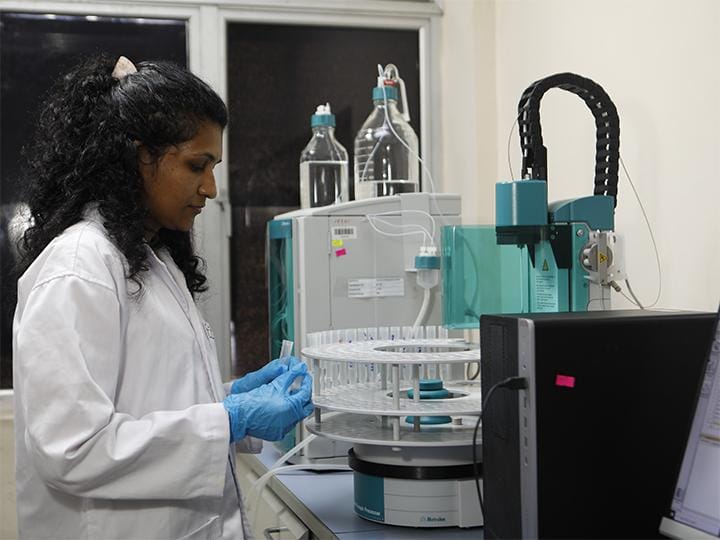
The raids took place on Tuesday at the Perrier plant in Vergèze and a laboratory in Vittel, according to Radio France investigative reporting. Around 40 officials from French fraud authorities were involved in the coordinated operation.

The inspections are part of an ongoing investigation led by the Paris public prosecutor’s office following a complaint filed by the NGO Foodwatch, which alleges potential fraud linked to bottled water operations.

Authorities have not yet disclosed specific findings from the searches. However, the investigation is understood to focus on regulatory compliance and possible misconduct within water treatment or labeling practices.

Nestlé Waters confirmed that unannounced inspections were taking place at its sites and stated that it is fully cooperating with the relevant authorities throughout the process.

The case adds further scrutiny to Switzerland’s Nestlé, which has faced multiple regulatory and public trust challenges in recent years related to food and water safety concerns.

French investigators continue to examine evidence as part of a broader inquiry into corporate practices in the bottled water sector.

French Report Finds Failures in Infant Formula Recall Crisis Involving Nestlé.

A French parliamentary report has highlighted major shortcomings in the handling of a large-scale infant formula recall crisis involving multiple food manufacturers, including Switzerland-based companies.

The report states that both the government and manufacturers failed to respond quickly and effectively when the scandal emerged in December 2025. Concerns were raised after contaminated infant formula products were recalled across around 60 countries due to possible traces of cereulide, a toxin that can cause severe vomiting in newborns.

The crisis initially began when Nestlé recalled several batches of infant formula, before spreading to other major producers such as Danone, Lactalis, and smaller European firms including Hochdorf and Vitagermine.

Investigators found that many of the affected products shared a common ingredient—an oil rich in arachidonic acid (ARA)—supplied by a single Chinese supplier, which linked multiple recalls across the industry.

Families and consumer groups criticized manufacturers for delayed action and questioned the reliance on voluntary industry reporting mechanisms instead of stronger government intervention.

The parliamentary report concluded that the crisis exposed significant weaknesses in food safety oversight and crisis management systems in both France and the wider European supply chain.

It urged authorities and manufacturers to strengthen monitoring systems and improve rapid response mechanisms to prevent similar incidents in the future.

How Switzerland Became the World’s Second-Largest Coffee Exporter

Switzerland has become one of the most surprising leaders in the global coffee export market, despite not producing a single coffee bean due to its climate. Today, it ranks as the second-largest coffee exporter in the world, only behind Brazil.

The success is driven not by cultivation, but by high-value processing and re-exporting. Green coffee beans are imported into Switzerland at relatively low prices and then transformed into premium roasted products for global markets. According to research from the University of St. Gallen, raw coffee beans are imported at around $5 per kilogram, while processed exports can reach up to $26.80 per kilogram.

This massive value addition has made coffee Switzerland’s most important agricultural export, even surpassing traditional Swiss products such as cheese and chocolate in total export share.

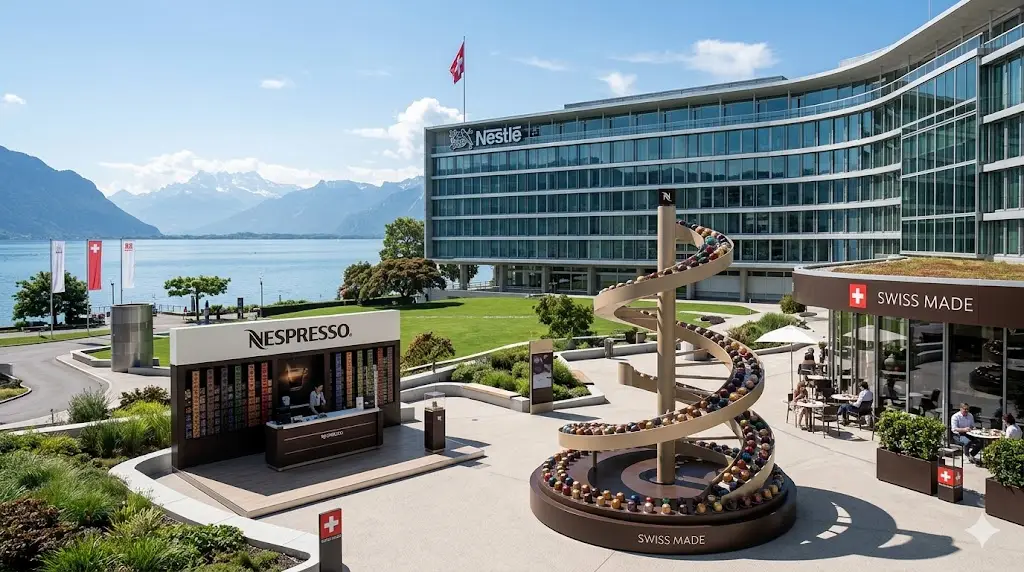
A major contributor to this industry is global food and beverage giant Nestlé, which has built a strong global coffee ecosystem through brands like Nespresso and Nescafé. Switzerland has also become a key hub for trading, roasting, packaging, and distribution of coffee to international markets.

Experts say Switzerland’s success lies in its strong logistics infrastructure, political stability, financial systems, and high-tech food processing capabilities. These advantages allow companies to import raw materials, add value through advanced processing, and re-export finished goods efficiently.

However, the story of Swiss coffee dominance also has a complex side. While Switzerland profits significantly from coffee trading, most coffee is grown in developing countries where farmers often receive only a small portion of the final retail value. This global imbalance has sparked ongoing discussions about fairness in the coffee supply chain.

Today, Switzerland’s coffee industry stands as a powerful example of how a country can dominate global trade not through raw production, but through innovation, branding, and value-added processing.

Nestlé Confirms Nespresso Production Will Stay in Switzerland.

Nestlé has confirmed that it will continue producing Nespresso capsules in Switzerland despite growing concerns over United States import tariffs.

Speaking to CH Media, Nestlé CEO Philipp Navratil stated that the company has no plans to move Nespresso capsule production outside Switzerland.

Nestlé, headquartered in Vevey, is currently reviewing options related to possible reimbursement of US customs duties. However, the company stressed that relocating manufacturing operations is not under consideration.

Navratil explained that Nestlé remains focused on long-term business stability and adapting to changing global market conditions rather than reacting to short-term political pressures.

Commenting on tariffs and trade barriers, he emphasized that the company continues to invest despite the additional costs created by international trade tensions.

The decision is seen as a positive signal for Switzerland’s manufacturing sector and workforce, particularly as global companies increasingly review supply chains and production locations due to economic uncertainty.

Nespresso remains one of Nestlé’s most recognized premium brands worldwide, and Switzerland continues to play a central role in the company’s coffee production and innovation strategy.

Industry observers note that maintaining production in Switzerland also reinforces the premium image and “Swiss-made” identity associated with Nespresso products globally.