Federal Court Judge Says Affair Was Not Illegal.

Swiss Federal Court judge Yves Donzallaz has publicly defended his past relationship with fellow judge Beatrice van de Graaf, stating that while the affair may have been inappropriate, it was not illegal under Swiss law.

In an interview with the Tamedia newspaper group, Donzallaz explained that the relationship, which lasted for nearly a year, never violated legal requirements governing members of Switzerland’s highest court. According to him, the relationship ended around Easter 2026 and never developed into a shared long-term living arrangement.

The controversy centers on provisions within the Federal Court Act that prohibit judges who are in a long-term cohabitation from serving on the same judicial panels. Donzallaz argued that the legal definition of cohabitation did not apply in their case because they did not share a residence or maintain a common household.

The judge stated that he and van de Graaf spent limited time together and never worked on the same judicial panel during their relationship. As a result, he believes there was no conflict of interest and no legal obligation to disclose the relationship.

The matter gained public attention after media reports revealed the relationship in April. In response, federal judges held an extraordinary meeting in May and concluded that romantic relationships between sitting members of the Federal Court are inconsistent with the court’s professional customs and ethical expectations.

An independent panel of experts is currently examining questions related to judicial independence and governance within Switzerland’s highest court. The panel is expected to submit its findings to the court’s Administrative Commission by the end of June.

Despite the controversy, Donzallaz has confirmed his intention to seek another term on the Federal Court for the 2027–2032 period. He maintains that he acted within the law and believes he has committed no wrongdoing. However, due to age limits, he would leave office in 2029 if re-elected.

The case has sparked a wider national debate about judicial transparency, ethics, and the balance between private life and public responsibility within Switzerland’s legal system.


Swiss Initiative Pushes for Stronger Digital Security

A newly launched people’s initiative in Switzerland is seeking to strengthen the country’s digital security by introducing constitutional protections for cybersecurity, personal data, and digital infrastructure.

The initiative, titled “For the Digital Security of Switzerland,” was officially published in the Federal Gazette and has been launched by the Swiss Digital Pact association. Supporters argue that stronger legal safeguards are necessary to protect citizens, businesses, and public institutions from growing digital threats.

Under the proposal, a new Article 57a titled “Digital Security” would be added to the Swiss Federal Constitution. The amendment would explicitly require the federal government to establish effective security standards across Switzerland’s digital environment and ensure their implementation.

The initiative aims to create a safer digital space for the population, the economy, government institutions, and the vast amount of data generated and stored throughout the country. One of the key objectives is to improve the protection of personal information and strengthen resilience against cyberattacks.

As digital technologies become increasingly important in everyday life, concerns over data breaches, cybercrime, and online security continue to grow. Supporters believe constitutional-level protections would provide a stronger legal framework to address future digital challenges.

To move forward, the initiative must gather 100,000 valid signatures from Swiss voters by December 2, 2027. If enough signatures are collected, Swiss citizens will have the opportunity to vote on the proposal in a nationwide referendum.

The initiative reflects Switzerland’s broader ambition to position itself as a trusted and secure digital hub. Advocates argue that strengthening cybersecurity and data protection is essential for maintaining public confidence, supporting innovation, and protecting critical infrastructure in an increasingly connected world.

If approved, the proposal could become one of the most significant constitutional updates related to digital rights and cybersecurity in Switzerland’s history.

Swiss Car Market Stalls as EV Sales Surge.

Switzerland’s car market remained largely unchanged during the first five months of 2026, as rising demand for electric vehicles helped offset declining sales of traditional petrol and diesel-powered cars.

According to figures released by Auto Schweiz, approximately 91,300 new vehicles were registered between January and May 2026. This total is nearly identical to the number recorded during the same period last year, indicating that the overall market has stagnated despite significant changes in consumer preferences.

The strongest growth came from electric mobility. Registrations of fully electric vehicles increased by 15.5% compared with the first five months of 2025. Plug-in hybrid vehicles performed even better, recording a 20.1% increase over the same period.

Industry experts attribute the growing popularity of electric vehicles partly to higher fuel prices and increasing consumer interest in environmentally friendly transportation. Improved charging infrastructure and a wider range of electric vehicle models have also contributed to stronger demand.

Meanwhile, traditional combustion-engine vehicles continued to lose market share. New registrations of petrol and diesel-powered cars declined further, reflecting the ongoing shift toward cleaner technologies and lower-emission transport solutions.

The latest figures highlight the transformation taking place within Switzerland’s automotive sector. While overall vehicle sales have remained stable, the composition of the market is changing rapidly as more buyers choose electric and hybrid alternatives.

Auto Schweiz noted that the growth in electric vehicle sales was essential in maintaining overall market stability. Without the strong performance of electric and plug-in hybrid models, the Swiss car market would likely have recorded a decline.

As Switzerland continues its transition toward sustainable mobility, electric vehicles are expected to play an increasingly important role in shaping the future of the country’s transport sector.

Memorial Concert Honors Crans-Montana Fire Victims.

Five months after the tragic fire at the Le Constellation bar in Crans-Montana, a special memorial concert was held to honor those who lost their lives and to support survivors still recovering from their injuries.

The event, titled “Tribute to the Angels of Crans-Montana,” was organized by the Italian Embassy in Bern and served as a moment of reflection, remembrance, and solidarity. The concert aimed to commemorate the young victims of one of Switzerland’s most heartbreaking recent tragedies.

The fire claimed the lives of 41 people and left 115 others injured, several of them seriously. The disaster deeply affected families, friends, and communities both in Switzerland and abroad.

Under the artistic direction of renowned violinist Michael Guttman, the Crans Montana Classics concert featured an ensemble of 12 string musicians. The performers presented a selection of emotional and inspiring works by celebrated composers including Giacomo Puccini, Maurice Ravel, Johann Sebastian Bach, and Benjamin Britten.

More than 250 people attended the memorial gathering. Among those present were Italian Ambassador Gian Lorenzo Cornado, Swiss Federal Councillor Beat Jans, Valais State Council President Christophe Darbellay, and Crans-Montana Mayor Nicolas Féraud.

The concert created a solemn atmosphere where attendees could remember the victims, express support for the injured, and reflect on the importance of community solidarity during difficult times.

As Crans-Montana continues to heal from the tragedy, the memorial concert served as a powerful reminder of the lives lost and the resilience shown by survivors, families, and the wider community.

The event highlighted the enduring bonds between Switzerland and Italy and demonstrated the commitment of both nations to honor the memory of those affected by the devastating fire.

Lost 1900 Silent Film Rediscovered in Swiss Archives

A previously missing silent film from 1900 has been rediscovered in the collections of the Cinémathèque suisse, Switzerland’s national film archive. The film, now confirmed to be Diving for Treasure, has been restored and attributed to pioneering British filmmaker Robert W. Paul.

The short film portrays two divers attempting to recover a treasure chest from a sunken shipwreck. It was originally released in the early days of cinema and is now considered an important example of experimental filmmaking at the turn of the 20th century.

Experts believe this surviving copy is likely the only existing version of the film. Film historian Patrick Friel described the discovery as a major breakthrough in early cinema research, highlighting Robert W. Paul’s role as a foundational figure in British film production.

The identification has also been confirmed by Ian Christie, an emeritus professor and specialist in early British cinema, who emphasized the film’s historical importance and its innovative visual techniques. At the time of its release, the underwater scenes were created using a creative method involving an aquarium placed in front of the camera lens.

The film was first restored in 2005 from a nitrate print and later digitized in 2021. The restoration process also revived its original tinting using the Desmet method, which recreates the color tones of early silent films.

Today, Diving for Treasure is available for public viewing on the Cinémathèque suisse digital platform, accompanied by a piano score performed by musician Enrico Camponovo. The rediscovered film offers a rare glimpse into the earliest experiments of cinematic storytelling and technical innovation.

This finding reinforces Switzerland’s role in preserving global film heritage and highlights the importance of archival work in recovering lost cultural artifacts.

Swiss Aviation Accidents Rise by 20% in 2025.

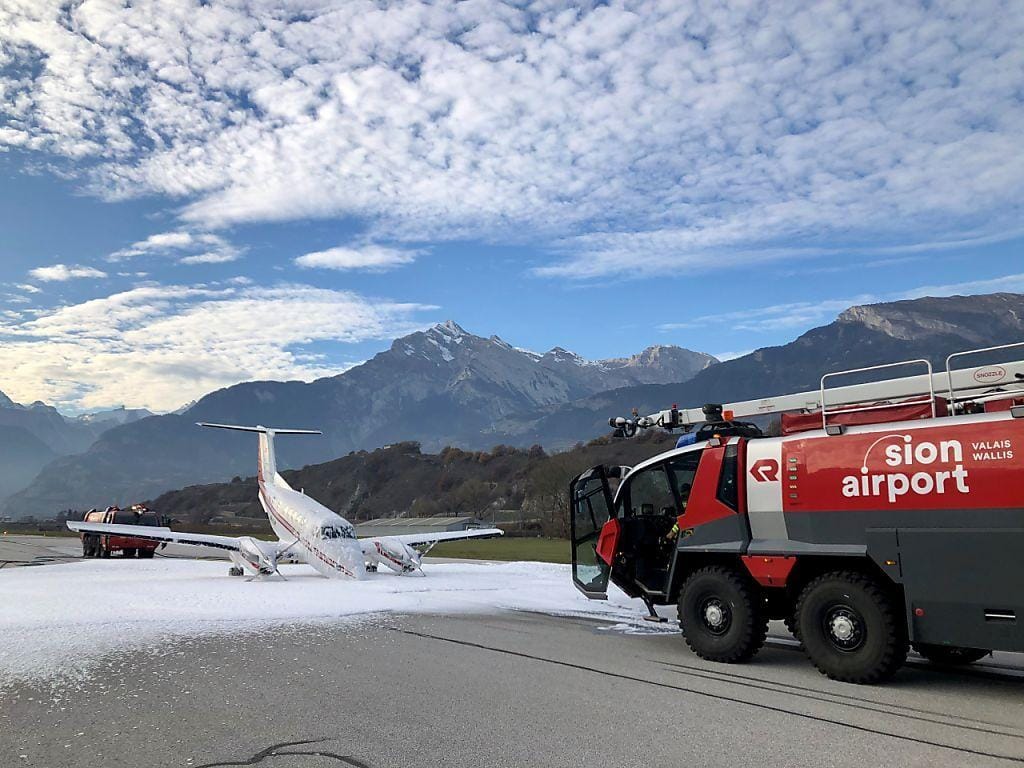
The number of reported aviation accidents in Switzerland increased by approximately 20% in 2025, according to the Federal Office of Civil Aviation (FOCA). The rise reflects a broader increase in reported incidents across both recreational and general aviation sectors.

FOCA data shows that four separate accidents in recreational aviation resulted in a total of six fatalities. In addition, one fatal incident occurred in agricultural helicopter operations. Importantly, no fatal accidents were recorded in commercial aviation during the same period.

Overall, FOCA processed 14,972 incident reports throughout the year, marking a significant workload for aviation safety authorities. Officials attribute the increase not only to a higher number of incidents but also to improved reporting practices within the aviation sector.

Another contributing factor highlighted by FOCA is the increase in air traffic activity, alongside growing concerns over GPS signal interference, which has affected navigation systems in certain cases.

The reported incidents include a rise in near-collisions, unauthorized airspace entries, and conflicts involving drones. Authorities also noted that some incidents occurred on the ground, particularly at smaller and more complex airfields where operations are more challenging.

The Federal Office of Civil Aviation emphasized that while the increase in reported cases appears significant, it also reflects improved monitoring and reporting standards, which contribute to better overall aviation safety management.

Swiss aviation authorities continue to focus on reducing risks through stricter airspace regulation, better pilot training, and enhanced coordination with drone operators and air traffic systems.

Gotthard Base Tunnel Marks 10 Years in Service.

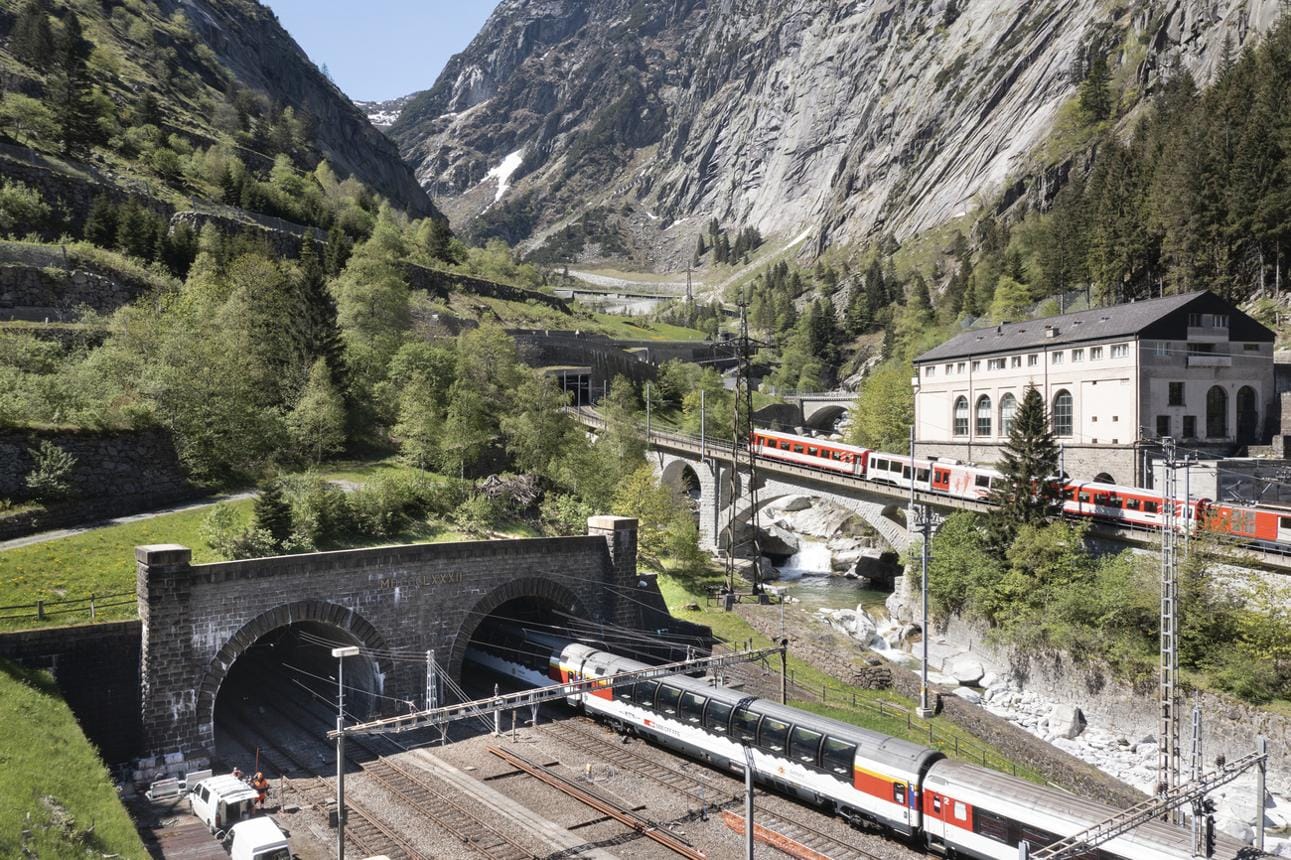
The Gotthard Base Tunnel, the world’s longest railway tunnel, has reached its tenth anniversary since opening on June 1, 2016. Stretching 57 kilometres beneath the Swiss Alps, the tunnel has significantly transformed both passenger and freight rail transport across Switzerland.

According to Swiss Federal Railways (SBB), the tunnel has nearly doubled passenger demand along the north–south corridor over the past decade. It has become a key route connecting northern Switzerland with the southern canton of Ticino and beyond into Italy.

Since its inauguration, a total of approximately 169,000 passenger trains and 276,000 freight trains have passed through the tunnel. The infrastructure has strengthened Switzerland’s position as a central transit hub in Europe.

The opening of the Ceneri Base Tunnel in 2020 further improved connectivity. Together, these major engineering projects have reduced travel time between Zurich and Lugano to just 1 hour and 53 minutes, saving around 50 minutes compared to pre-tunnel travel times.

Freight transport has also seen significant growth. In 2025, the volume of goods transported through the Gotthard corridor reached 24.2 million tonnes, compared to 17.8 million tonnes in 2015 before the tunnel became fully operational.

The Gotthard Base Tunnel is widely regarded as one of the most important infrastructure projects in modern European history. It enhances efficiency, reduces road congestion, and supports Switzerland’s long-term strategy of shifting freight transport from road to rail.

Ten years on, the tunnel continues to play a vital role in both passenger mobility and international trade, reinforcing Switzerland’s reputation for engineering excellence and sustainable transport solutions.

Swiss Economy Grows Slower Than Expected in Early 2026.

Switzerland’s economy recorded moderate growth during the first quarter of 2026, according to the latest figures released by the State Secretariat for Economic Affairs (SECO). The country’s real Gross Domestic Product (GDP) increased by 0.4% compared with the previous quarter after seasonal and special-event adjustments.

The result came in slightly below SECO’s preliminary forecast of 0.5% issued earlier this month. Despite the small downgrade, the latest figure still represents an improvement compared with the previous two quarters, which recorded growth rates of 0.2% and -0.4% respectively.

The main driver of economic expansion was Switzerland’s industrial sector. Industrial value added increased by a strong 1.3%, marking one of the sector’s best performances in recent quarters after a prolonged period of modest growth.

In contrast, the service sector showed only limited momentum. Growth in services reached just 0.2%, with several industries reporting mixed results. Retail and trade activities experienced declines, reflecting cautious consumer behavior and weaker domestic spending.

Private consumption remained largely stagnant, contributing to weak domestic demand. Overall domestic final demand rose by only 0.1%. Government expenditure helped support economic activity, increasing by 0.9% during the quarter.

SECO noted that Swiss GDP figures are adjusted to remove the impact of major international sporting events. Organizations such as the International Olympic Committee and several global sports federations are based in Switzerland, and their licensing revenues can significantly influence economic statistics. Without these adjustments, first-quarter GDP growth would have reached 0.7%.

While growth remains positive, the latest figures suggest that Switzerland’s economic recovery continues at a measured pace. Strong industrial performance is helping to offset weaker consumer spending, but economists will continue to monitor domestic demand and global economic conditions closely in the coming months.

The latest data indicate that Switzerland remains on a stable economic path, though challenges linked to consumer confidence and international market uncertainties continue to influence growth prospects.

Thousands Explore New RTS Media Centre in Lausanne.

More than 15,000 people visited the new production site of Swiss public broadcaster RTS in Lausanne-Ecublens during a highly successful open weekend event. The new facility, located on the campus of the Swiss Federal Institute of Technology Lausanne (EPFL), welcomed visitors of all ages eager to discover the world of media production and broadcasting.

Large crowds gathered even before the official opening, with many visitors exploring exhibitions, interactive activities, and behind-the-scenes tours. Families, students, and media enthusiasts had the opportunity to experience how television, radio, and digital content are produced.

One of the most popular attractions allowed visitors to step into the role of a journalist by reading news from a teleprompter and presenting weather forecasts. Guests also explored RTS news vehicles, production studios, and broadcasting facilities, gaining a unique insight into the daily work of media professionals.

The event featured live radio broadcasts, public podcast recordings, and guided tours of the new production centre. Studio 1 attracted particularly strong interest, with audiences filling seats to watch programmes being produced in real time.

RTS announced that public engagement activities will continue throughout June, offering additional opportunities for visitors to explore media careers, content creation, and public service broadcasting. Registration will be required for many of these activities.

The broadcaster also revealed plans to expand its media education programme. From next year, RTS will increase the number of workshops from 300 to 400 annually, with most sessions remaining free for schools and the public.

The new Lausanne-Ecublens production hub replaces several older facilities in Lausanne and Geneva, creating a modern centre for broadcasting, digital media production, and audience engagement.

RTS expects to welcome approximately 10,000 visitors each year through guided tours, workshops, and educational activities, strengthening its connection with the Swiss public and future generations of media professionals.

Swiss Air Force Extends Life of F/A-18 Fighter Jets.

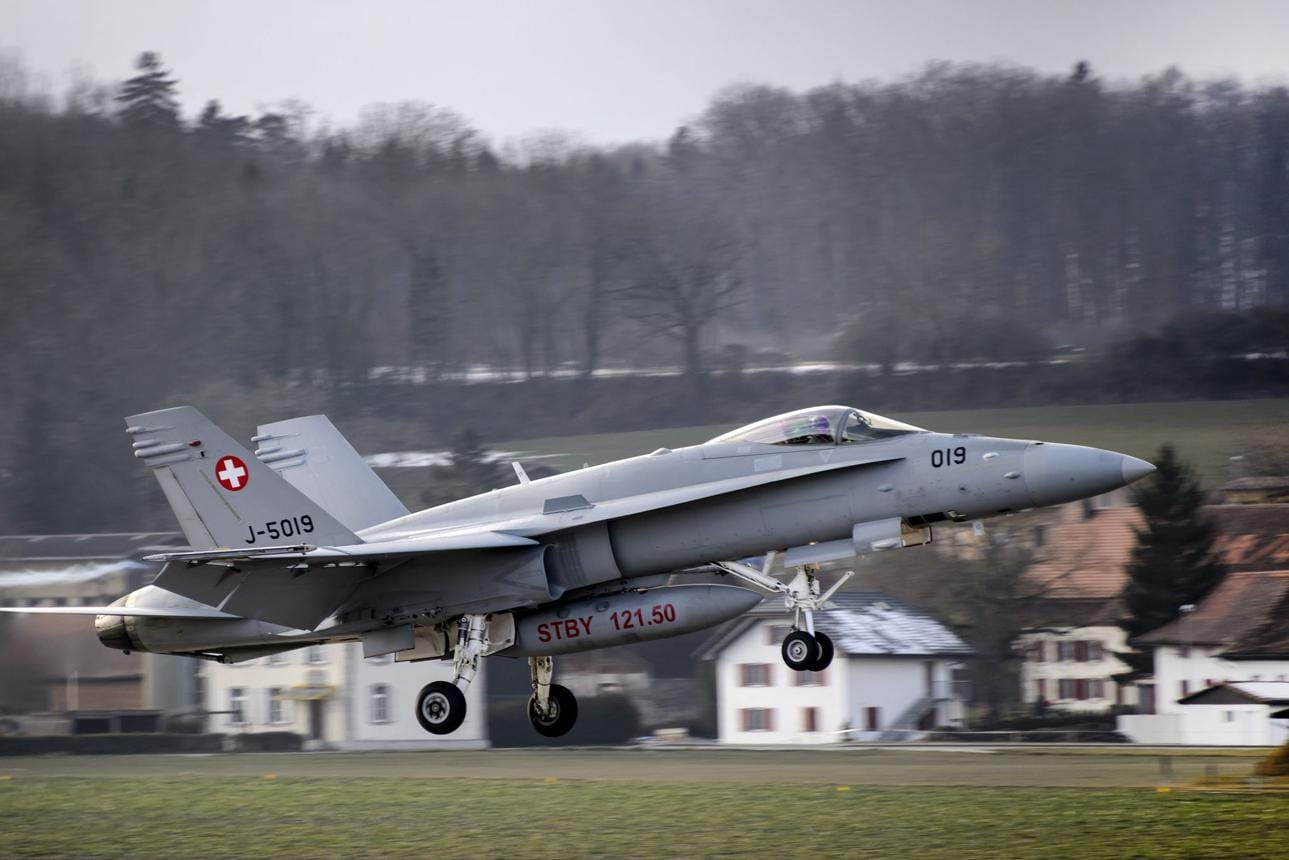
The Swiss Air Force has successfully completed a major inspection and refurbishment program for its fleet of F/A-18C/D fighter jets, extending their operational life until the next generation of aircraft enters service.

According to the Federal Armaments Office (Armasuisse), structural inspections and refurbishment work on all 30 F/A-18 fighter jets were completed at the end of April 2026. The upgrades will allow the aircraft to continue operating safely and effectively for several more years.

The extension is designed to bridge the gap until Switzerland’s new F-35A fighter jets are fully introduced into service during the early 2030s. Regular maintenance and periodic inspections will continue to ensure the aircraft remain mission-ready.

The Swiss Parliament approved CHF450 million for the life-extension project as part of the 2017 Armed Forces program. The initiative was carried out through cooperation between Armasuisse, the Swiss Air Force, Ruag, and several industry partners.

The modernization program was implemented in multiple phases. One of the most significant milestones was completed in 2021 with the installation of advanced communication, navigation, and identification systems, improving the aircraft’s operational capabilities.

Originally, the F/A-18 fleet was expected to be retired by 2025. However, delays in the transition to the new F-35A fleet made the extension necessary to maintain Switzerland’s air defense capabilities.

The project ensures that Switzerland can continue to protect its airspace while preparing for the arrival of its future generation of fighter aircraft. The successful completion of the maintenance program represents an important step in maintaining national security and operational readiness during the transition period.

With the upgraded F/A-18 fleet remaining active, the Swiss Air Force will continue to play a vital role in air policing, national defense, and security operations until the F-35A aircraft become fully operational.