

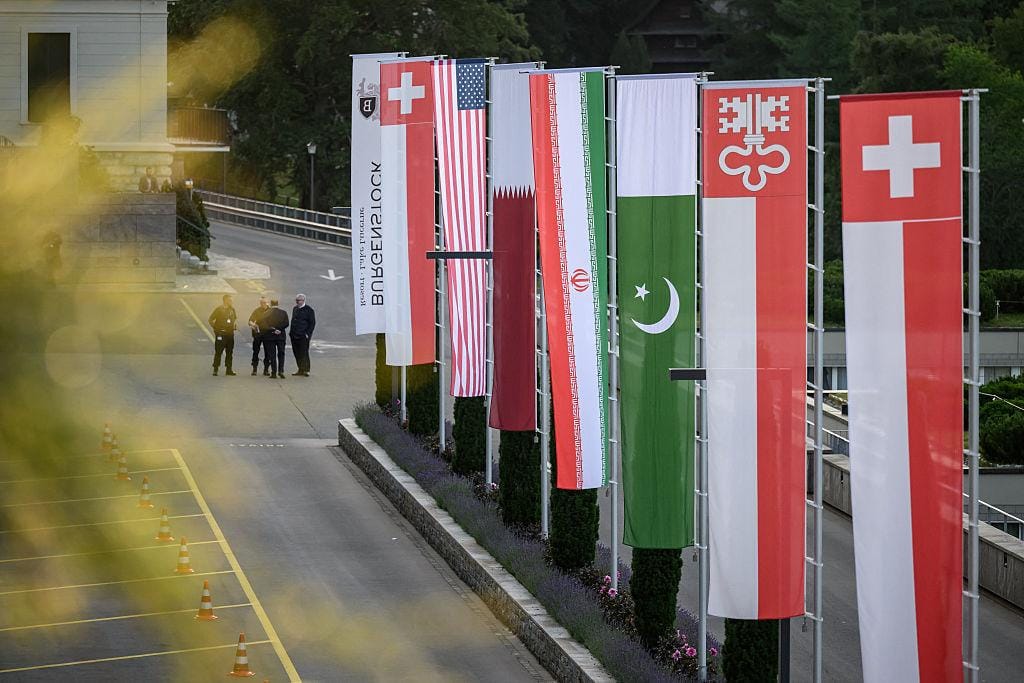

Historic Iran-US Peace Talks Officially Begin in Switzerland
A major diplomatic milestone has been reached as peace negotiations between the United States and Iran officially began on Sunday at the renowned Bürgenstock resort in Switzerland.
The high-level summit has brought together key international leaders, including US Vice President JD Vance, Iranian Parliament Speaker Mohammed Ghalibaf, Qatar’s Prime Minister, and Pakistan’s Prime Minister. The talks mark the beginning of what is expected to be a two-month negotiation process aimed at reducing tensions across the Middle East.
The negotiations follow a memorandum of understanding signed earlier this week by both nations, creating a framework for discussions on some of the region’s most sensitive issues.
Speaking at the opening session, JD Vance described the gathering as a “historic meeting” and called on all parties to work toward “turning a new page” for the Middle East. His remarks reflected hopes that diplomacy could replace years of confrontation and instability.
The Bürgenstock summit comes just days after US President Donald Trump and Iranian President Massoud Pezeshkian signed a framework agreement in Versailles aimed at ending ongoing regional conflicts and establishing conditions for future cooperation.
Negotiators are expected to focus primarily on Iran’s nuclear program, the easing of economic sanctions, and the release of Iranian financial assets currently restricted by the United States. Discussions are also expected to address the fragile ceasefire situation in Lebanon and broader regional security concerns.
Switzerland, known globally for its neutrality and diplomatic role, is once again hosting a significant international summit. Swiss Foreign Minister Ignazio Cassis welcomed both US and Iranian representatives as discussions commenced.
Security has been significantly strengthened around the Bürgenstock venue, with approximately 2,000 military personnel and police officers deployed to ensure the safety of delegates and participants.
Officials have indicated that negotiations may continue for several days before the next phase of talks begins. International observers are closely monitoring developments, as the outcome could have far-reaching consequences for regional stability, global energy markets, and international relations.