
43 Lives Lost in Swiss Rivers and Lakes in 2025: Lifesaving Society Warns on Prevention
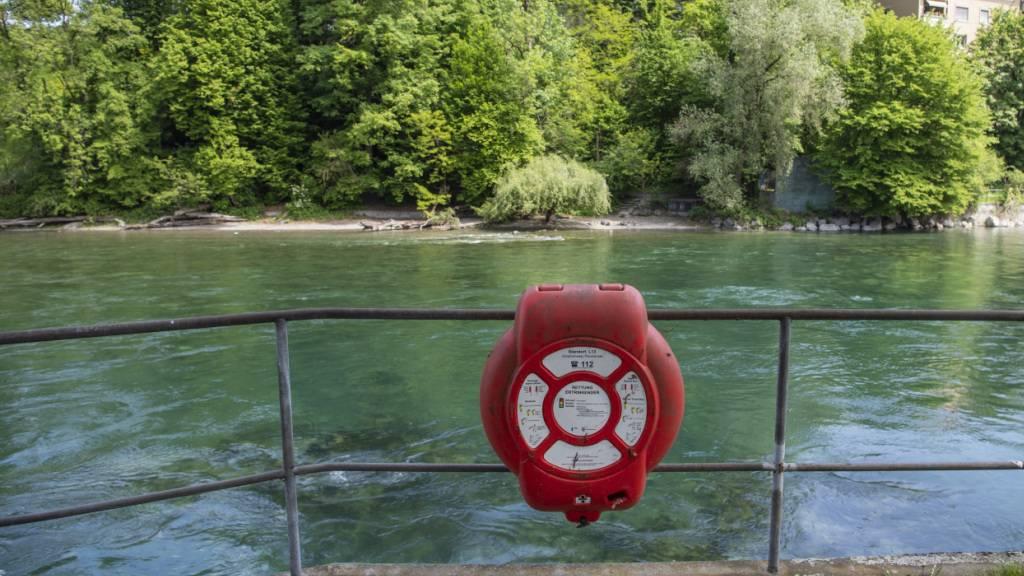
Switzerland recorded 43 drowning deaths in rivers and lakes in 2025, according to the Swiss Lifesaving Society (SSS). Almost all incidents occurred in open water, highlighting ongoing risks in natural swimming areas.
Overall Trend in Drowning Cases
The number of fatal drownings in 2025 marks a decline compared to previous years. There were 59 deaths in 2024 and 66 in 2022, which was recorded as a peak year. For the first time since 2021, fatalities dropped below 50.
Despite the improvement, experts emphasize that water safety remains a serious public concern.
Who Is Most Affected?
Data shows that men account for around 80% of all drowning victims. Two age groups are particularly affected:
- Young adults (17–32 years): 10 deaths
- Senior citizens (65+): 17 deaths
Older victims represent about 40% of total fatalities. The SSS explains this may be linked to increased water activity among seniors, combined with health issues and reduced physical capacity.
Children and Accidents
Fatal accidents involving young children remain rare. However, tragic cases still occur, including a two-year-old child who drowned in a private swimming pool and a 14-year-old boy found in a stream.
Where Do Most Incidents Occur?
Most drownings happened in natural waters:
- Lakes: 23 cases
- Rivers: 15 cases
- Other incidents include diving accidents in Lake Thun and during a police operation in the Limmat River
Prevention Still a Major Concern
Although the overall numbers have decreased, the Swiss Lifesaving Society warns that prevention efforts must not be reduced. Authorities stress that vigilance is especially important for children near water.
Experts also highlight a growing concern: distractions such as mobile phone use by adults supervising children near pools or open water.
Conclusion
While Switzerland has seen a decline in drowning deaths, the SSS emphasizes that water safety awareness and prevention campaigns remain essential to avoid further tragedies in rivers, lakes, and swimming areas.