Scotland ‘Green’ Data Centres Raise AI Emissions Concerns.

Scotland’s policy promoting “green datacentres” is facing criticism after new analysis raised concerns that it ignores the rising carbon emissions linked to artificial intelligence workloads.

A report by Action to Protect Rural Scotland (APRS) warns that the definition of “green datacentres” in current policy is outdated and does not reflect the rapid growth of AI technologies such as large-scale models and tools like ChatGPT.

The Scottish government has positioned datacentres as a key part of its economic strategy, supported by renewable energy availability and major investment plans across the country. However, critics argue that the current framework fails to fully account for real-world emissions.

According to APRS, more than a dozen datacentre projects are seeking approval in Scotland, including large AI-focused developments near Glasgow. Collectively, these facilities could consume over 6.2GW of electricity—surpassing Scotland’s peak winter energy demand.

The concern is that many projects may label themselves as “green” despite relying on diesel backup generators and potentially shifting to gas-powered energy due to delays in grid connections.

Officials also highlight that the current planning framework (NPF4) was developed before the explosion of generative AI demand and has not been updated to reflect today’s energy-intensive computing needs.

Environmental campaigners argue that this gap could allow high-emission infrastructure to receive favourable approval under “green” classifications, potentially undermining Scotland’s net-zero targets.

The Scottish government maintains that it aims to attract sustainable investment while supporting economic growth and aligning with climate goals.


Zurich Emerging as Europe’s Quiet Art Hub.

Zurich is positioning itself as a rising cultural destination in Europe, offering visitors a quieter alternative to crowded art capitals like Paris and Florence.

The Swiss city is home to the Kunsthaus Zürich, which expanded in 2021 with a major extension designed by David Chipperfield. The museum now holds one of the most significant art collections in Switzerland, featuring works from 800 years of art history, including pieces by Giacometti, Monet, Cézanne, Picasso, Van Gogh, and Warhol.

Cultural activity is growing around the Zurich Gallery Mile, especially during Zurich Art Weekend, where galleries host exhibitions, talks, performances, and guided art walks across the city.

In the Zurich-West district, the former 19th-century Löwenbräukunst-Areal has been transformed into a major contemporary art hub, now housing multiple galleries, including Hauser & Wirth.

The Museum Rietberg near Lake Zurich offers a different experience, focusing on non-European art from Asia and beyond, including Indian paintings, Japanese prints, and Chinese lacquerware.

A short train ride away in Baden, the recently reopened Museum Langmatt showcases a private collection of French Impressionist masterpieces, adding further depth to the region’s cultural appeal.

Together, these institutions highlight Zurich’s growing reputation as a calm yet rich European art destination.

8 Things Landlords in Switzerland Are Legally Not Allowed to Ask Tenants.

Finding a rental home in Switzerland can be challenging, and tenants often feel pressured to accept strict conditions. However, Swiss tenancy law provides strong protections that clearly define what landlords can and cannot demand from tenants.

Under Swiss rental regulations, landlords are not allowed to impose or request several types of information or conditions that violate privacy, equality, or legal boundaries.

Here are 8 things landlords in Switzerland cannot legally ask tenants to provide or accept:

1. Excessive personal data

Landlords cannot request unnecessary personal details such as detailed lifestyle habits or unrelated private information beyond rental needs.

2. Religious or political affiliation

Tenants cannot be asked about their religion, political views, or ideological beliefs.

3. Ethnicity or nationality discrimination

Although identification is required, landlords cannot use nationality or ethnicity to discriminate in rental decisions.

4. Medical or health information

Landlords are not allowed to request medical history or health conditions of tenants.

5. Unreasonable financial guarantees

Demands for excessive deposits beyond legal limits (typically more than three months’ rent) are not permitted under Swiss law.

6. Permanent employment requirement without flexibility

While income verification is allowed, landlords cannot impose unrealistic employment conditions that exclude otherwise financially stable applicants.

7. Personal relationship or family planning details

Questions about marriage plans, pregnancy, or family intentions are not allowed.

8. Illegal clauses in rental contracts

Any contract terms that violate tenant protection laws—such as waiving legal rights—are not enforceable.

Swiss tenancy law is designed to ensure fairness between landlords and tenants while protecting privacy and preventing discrimination. Even in competitive housing markets, landlords must comply with strict legal frameworks.

Tenants who feel their rights have been violated can seek help from tenant associations or legal authorities in Switzerland.

Do Language Tests in Europe Aid Integration or Politics?

Across Europe, governments are increasingly tightening citizenship and residency requirements by introducing or strengthening language and civic knowledge tests. These measures are officially presented as tools to support integration, but they are also generating debate about their real political purpose.

In countries across the continent, applicants for citizenship are often required to demonstrate proficiency in the national language and show understanding of local laws, history, and cultural norms. Policymakers argue that these requirements help newcomers integrate more effectively into society and improve long-term social cohesion.

However, critics question whether these policies are primarily about integration or political positioning. They argue that stricter testing frameworks may be designed to appeal to domestic voters concerned about immigration, rather than to meaningfully improve integration outcomes.

Supporters of the policies claim that language competence is essential for employment, education, and civic participation. They also argue that shared linguistic and civic understanding strengthens national unity and reduces social fragmentation.

Opponents, however, point out that integration is a complex, long-term process that cannot be fully measured through standardized tests. They warn that overly strict requirements may exclude qualified applicants and create additional barriers for migrants seeking legal status.

The debate reflects a broader tension in European migration policy, where governments must balance public opinion, labor market needs, and social integration goals.

As immigration continues to shape political discourse across Europe, language and knowledge tests remain at the center of a larger question: are they genuinely integration tools, or increasingly instruments of domestic political messaging?

Swiss Vote on 10 Million Population Cap Plan.

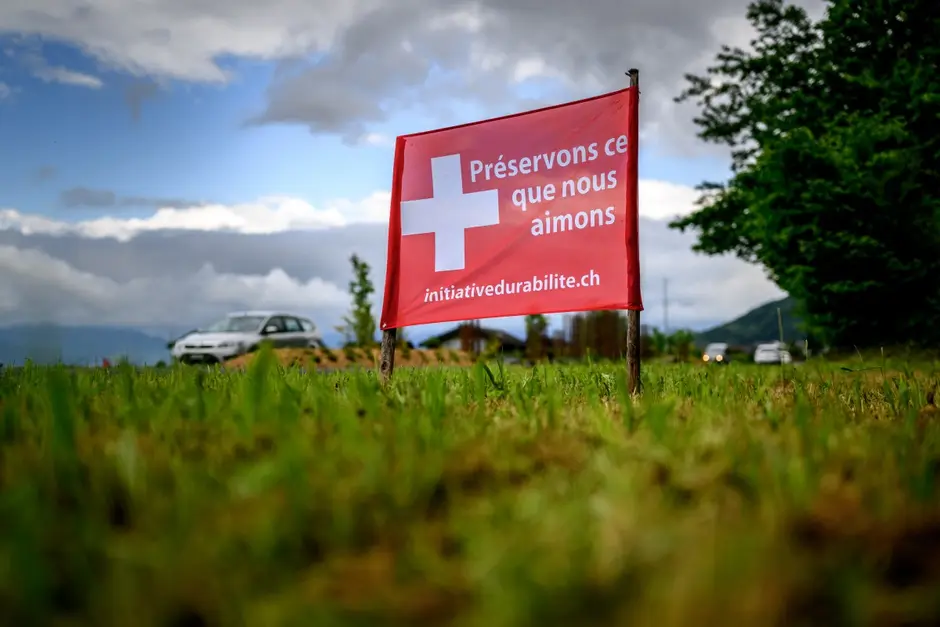
Swiss voters are set to decide next month on a controversial initiative that proposes capping the country’s population at 10 million, sparking intense debate across the nation.

The proposal, which is widely seen as an anti-immigration measure, has divided public opinion in Switzerland, a country known for its strong economy, high living standards, and reliance on foreign labor.

Supporters argue that limiting population growth is necessary to protect infrastructure, housing availability, and environmental sustainability. They believe rapid population increases are placing pressure on transport systems, public services, and urban development.

Opponents, however, warn that such a cap could severely damage Switzerland’s economy, which depends heavily on skilled foreign workers across industries such as healthcare, technology, and finance. Critics also argue that the initiative could harm Switzerland’s international reputation and labor market stability.

The referendum highlights growing tensions in Swiss politics over immigration, demographic change, and national identity. Similar debates have previously shaped policy discussions within Switzerland, which regularly holds referendums on major national issues.

If approved, the measure could have long-term implications for immigration policy, labor supply, and Switzerland’s economic growth model.

The vote is expected to be closely watched both domestically and internationally, as it reflects broader European debates on migration and population control.

Infinix HOT 70 Officially Launched.

Infinix has officially launched its latest budget smartphone, the Infinix HOT 70, in Indonesia, with expectations of a wider global release in the coming months.

The new smartphone focuses on long battery life and smooth performance, making it attractive in the budget segment. The device comes equipped with a massive 6000mAh battery, designed to deliver extended usage without frequent charging.

The Infinix HOT 70 features a 6.78-inch HD+ LCD display with a resolution of 720×1576 pixels. It also supports a 120Hz refresh rate and a 240Hz touch sampling rate, offering smoother scrolling and improved touch responsiveness for users.

Brightness levels reach up to 700 nits, making the display suitable for outdoor visibility in bright conditions.

In terms of photography, the smartphone includes a 50MP main camera, targeting users who want decent camera performance in an affordable device category.

The HOT 70 is positioned as a budget-friendly smartphone, continuing Infinix’s strategy of offering feature-rich devices at competitive prices. While the official global pricing may vary by region, the device is expected to remain within the entry-level to mid-range price segment.

The company is expected to expand availability to additional markets soon, including Asia and Africa, where demand for affordable high-battery smartphones remains strong.

Festival Action Against Patrick Bruel After 2019 Claims.

The Paléo Festival has announced that it will no longer invite French singer Patrick Bruel to perform at future editions following renewed attention to alleged misconduct involving a volunteer in 2019.

The decision comes after Swiss media reports highlighted allegations made by a volunteer masseuse who claimed inappropriate behavior during a backstage massage session at the festival in Nyon in July 2019.

According to festival organizers, the matter was handled internally at the time, and an agreement was later reached between the parties following legal proceedings that concluded in 2022. The festival stated that it provided psychological support to the volunteer and assisted her through the legal process.

In its official communication, Paléo Festival emphasized that it now applies stricter safeguarding measures and has strengthened its policies to prevent and address any form of violence or misconduct. The festival also introduced enhanced protection procedures for volunteers and staff in recent years.

Organizers stated clearly that “no form of violence has any place at Paléo” and confirmed that Patrick Bruel would not be invited to future editions of the event.

The renewed attention to the case follows a television report aired on TF1’s programme Sept à Huit, which revisited the 2019 incident and subsequent legal settlement. Reports also indicate that a financial agreement was reached as part of the resolution process.

While the singer’s legal representatives maintain that a conciliation procedure was followed and deny wrongdoing, Patrick Bruel continues to face broader scrutiny due to separate allegations in France and Belgium, which he denies.

Despite controversy, Bruel is still scheduled to continue parts of his international tour, although some performances in Canada and Switzerland have reportedly been cancelled or challenged by activist groups.

Festival officials in Switzerland have reiterated their commitment to safety, accountability, and safeguarding all participants involved in cultural events.

Holiday Rush Causes Major Delays in Switzerland.

Travellers returning from the Whit Monday holiday faced significant congestion across Switzerland, with heavy traffic on major roads and increased passenger volumes at key airports.

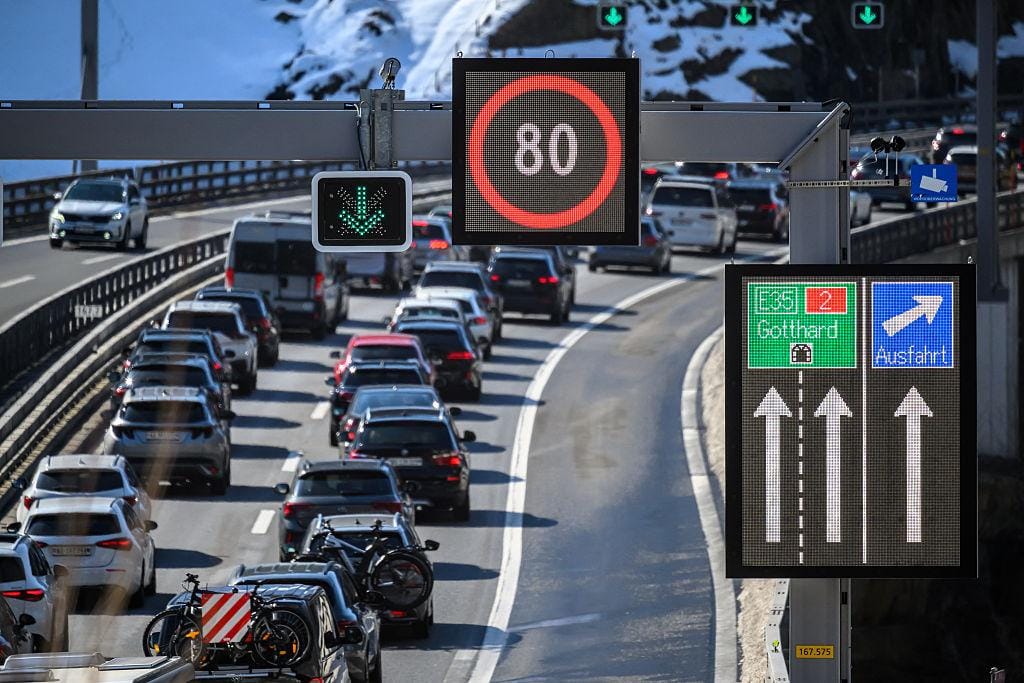
Traffic delays were particularly severe near the Gotthard tunnel in Gotthard Tunnel, where northbound return traffic built up to around three kilometres during the afternoon. Motorists experienced waiting times of up to 30 minutes, while southbound traffic also faced minor delays of around one kilometre.

Air travel was equally busy, with Swiss airports reporting high passenger volumes throughout the long Whitsun weekend.

EuroAirport Basel-Mulhouse-Freiburg handled approximately 84,300 passengers over the weekend, with an additional 34,000 travellers expected on Whit Monday alone, according to airport estimates.

Meanwhile, Geneva Airport projected a total of around 210,000 passengers across the entire holiday period, reflecting strong seasonal travel demand.

Authorities and airport operators noted that the surge in traffic is typical during extended holiday weekends, especially when travellers return simultaneously from various European destinations.

The combination of road congestion and high airport passenger flow highlights the continued pressure on Switzerland’s transport infrastructure during peak travel periods.

Swiss Ambassador Targets Stronger UN Dialogue.

Switzerland’s newly appointed ambassador to the United Nations is calling for a stronger global role for Switzerland and a renewed focus on “International Geneva” as a key hub for diplomacy and multilateral cooperation.

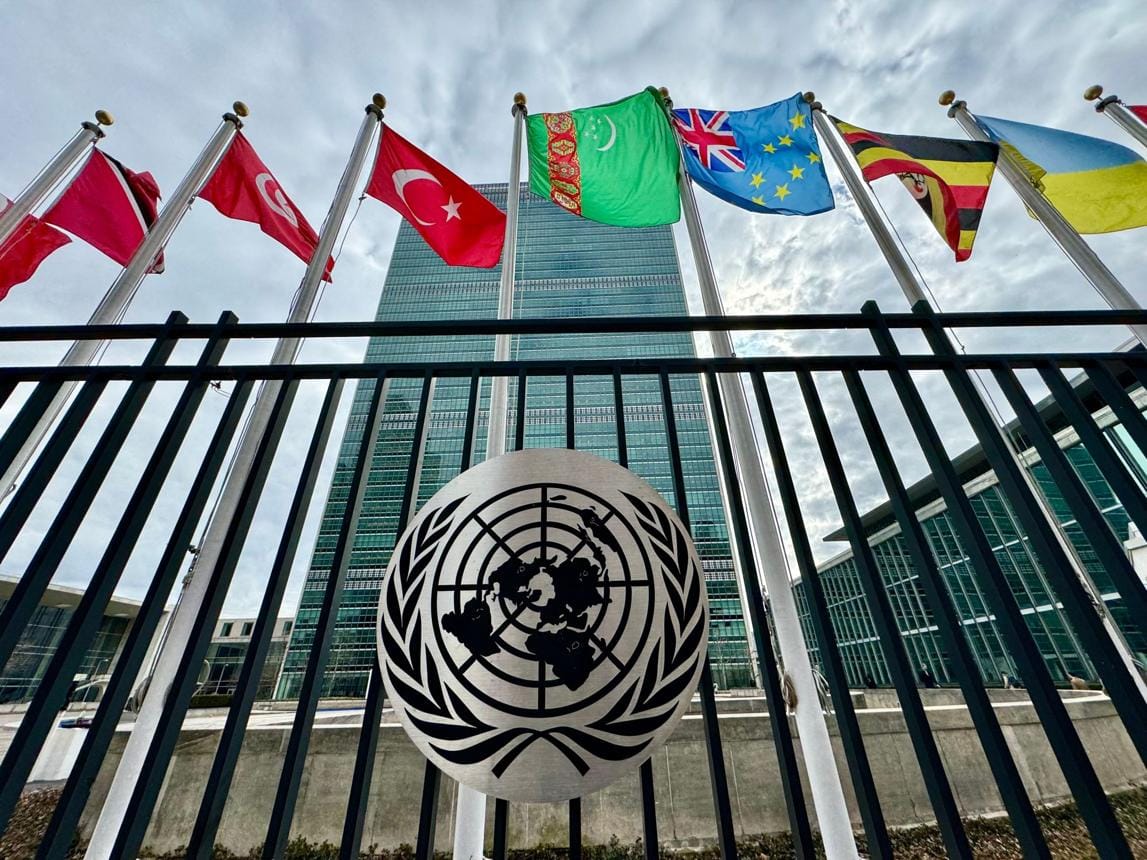
The new ambassador, Frank Grütter, has expressed his intention to bring a distinctly Swiss approach to the United Nations in New York by promoting dialogue, pragmatism, resilience, and innovation in global decision-making.

With over 25 years of diplomatic experience, Grütter is highly familiar with the UN system. He previously served in New York in the early 2000s and later headed the United Nations and International Organisations Division in Bern from 2018 to 2022. He also played a key role in Switzerland’s successful campaign for a non-permanent seat on the UN Security Council.

Grütter officially presented his credentials to UN Secretary-General António Guterres on May 8. During their meeting, discussions focused on Switzerland’s role within the UN system and its position as host to major international organisations in Geneva and Bern.

Switzerland continues to position itself as a global bridge-builder, supporting international law, human rights, and sustainable development through diplomatic engagement and its policy of good offices.

Grütter also emphasized that the UN remains an essential platform for global dialogue despite geopolitical tensions and operational challenges, including financial liquidity pressures caused by delayed or missing contributions from some member states.

However, he also highlighted positive developments, including strong international support for the UN and recent agreements such as the high seas treaty and a global pandemic accord negotiated under the World Health Organization World Health Organization.

He noted that despite financial challenges, many countries are now paying their contributions more consistently, reflecting renewed commitment to the institution.

According to the ambassador, Switzerland’s recent experience on the Security Council continues to strengthen its role within the UN system and supports its broader diplomatic strategy.

Grütter concluded that while global challenges remain significant, it is important to recognize both the difficulties and the progress being made within the international system.

Switzerland Faces Early Heatwave Over 30°C.

Switzerland has experienced its first short heatwave of the year during the Whitsun weekend, with daytime temperatures rising above 30°C across several regions.

However, according to the Federal Office of Meteorology and Climatology MeteoSwiss, the event does not officially qualify as a heatwave. In Switzerland, a heatwave is only declared when the average daily temperature reaches 25°C or more for at least three consecutive days.

Meteorologists emphasize that the key factor is the 24-hour average temperature, which includes cooler nighttime and morning hours. Although daytime temperatures exceeded 30°C at multiple stations, the overall daily averages remained below the official threshold.

At the Basel-Binningen station, temperatures reached 31°C, but the average daily temperature was recorded at 22.9°C. Similarly, in Sion, temperatures peaked at 32.4°C, while the average remained around 23°C.

Despite this, both locations officially recorded “hot days,” as temperatures crossed the 30°C mark during peak hours. However, this alone is not sufficient to classify the event as a full heatwave.

Experts highlight that nighttime cooling plays a crucial role in reducing health risks. When nights remain cooler, the human body and cardiovascular system are able to recover, reducing stress caused by prolonged heat exposure.

MeteoSwiss also noted that such early-season heat is unusual but not unprecedented. Historical records show that the earliest hot days in Switzerland were recorded in May 1945 in Basel and May 1958 in Sion.

On average, Switzerland’s first hot day typically occurs in June, around June 7 in Sion and June 9 in Basel-Binningen, indicating that this year’s warm spell arrived earlier than usual but remains within natural variability.