How Switzerland Became the World’s Second-Largest Coffee Exporter

Switzerland has become one of the most surprising leaders in the global coffee export market, despite not producing a single coffee bean due to its climate. Today, it ranks as the second-largest coffee exporter in the world, only behind Brazil.

The success is driven not by cultivation, but by high-value processing and re-exporting. Green coffee beans are imported into Switzerland at relatively low prices and then transformed into premium roasted products for global markets. According to research from the University of St. Gallen, raw coffee beans are imported at around $5 per kilogram, while processed exports can reach up to $26.80 per kilogram.

This massive value addition has made coffee Switzerland’s most important agricultural export, even surpassing traditional Swiss products such as cheese and chocolate in total export share.

A major contributor to this industry is global food and beverage giant Nestlé, which has built a strong global coffee ecosystem through brands like Nespresso and Nescafé. Switzerland has also become a key hub for trading, roasting, packaging, and distribution of coffee to international markets.

Experts say Switzerland’s success lies in its strong logistics infrastructure, political stability, financial systems, and high-tech food processing capabilities. These advantages allow companies to import raw materials, add value through advanced processing, and re-export finished goods efficiently.

However, the story of Swiss coffee dominance also has a complex side. While Switzerland profits significantly from coffee trading, most coffee is grown in developing countries where farmers often receive only a small portion of the final retail value. This global imbalance has sparked ongoing discussions about fairness in the coffee supply chain.

Today, Switzerland’s coffee industry stands as a powerful example of how a country can dominate global trade not through raw production, but through innovation, branding, and value-added processing.


Amit Dutta Explores Swiss Scholar’s Life and Friendship Through Film

A unique cultural and artistic friendship between Indian filmmaker Amit Dutta and Swiss-based ethnographer and art historian Eberhard Fischer has come to life through a new documentary film exploring history, art, and human connection.

The film, titled Eberhard As Seen By Amit, was recently screened at the Cinéma du Réel festival in Paris. The documentary reflects on Fischer’s life and career while examining deeper themes connected to ethnographic research, colonial history, and India’s artistic traditions.

Eberhard Fischer is widely recognized for his work at the Rietberg Museum in Zurich, where he became known for his contributions to the study of Asian art and culture. Through the documentary, Amit Dutta presents Fischer not only as a scholar but also as a deeply disciplined and reflective individual whose work influenced generations of researchers and artists.

During the special screening in Paris, Fischer emotionally introduced Amit Dutta as an independent filmmaker living in the Himalayan region of northern India. He described Dutta as a poetic and deeply thoughtful artist who prefers a quiet life away from the international spotlight.

According to emails shared during the event, Dutta explained that he creates films to understand and preserve lives that inspire him. He wrote that Fischer represented a life built on education, patience, discipline, and intense intellectual focus.

Their artistic collaboration dates back many years. Dutta previously worked with Fischer on the 2010 film Nainsukh, which explored the life and work of the celebrated 18th-century Indian miniature painter.

The documentary also highlights ongoing conversations surrounding colonial-era ethnographic research and the challenge of presenting non-Western cultures through fair and respectful perspectives. By focusing on friendship and shared curiosity, the film attempts to bridge cultures through art and cinema.

Film critics and cultural observers have praised the project for its quiet storytelling style and thoughtful exploration of identity, history, and artistic legacy.

AI Data Centres May Strain Switzerland’s Water Supply

The rapid expansion of artificial intelligence infrastructure is raising concerns about water and energy consumption in Switzerland. Experts warn that the growing number of AI-powered data centres could place increasing pressure on the country’s natural resources, especially water supplies used for cooling systems.

Switzerland currently hosts around 120 data centres, with approximately 20 additional facilities under construction. This gives the country one of the highest concentrations of data centres per capita in the world. The rise of artificial intelligence technologies is accelerating this growth as companies invest heavily in advanced computing infrastructure.

AI servers require significantly more processing power than traditional systems. As a result, they generate higher levels of heat and require intensive cooling methods to maintain safe operating temperatures. Many of these cooling systems depend heavily on water.

According to David Atienza Alonso, a professor at EPFL and an expert in AI computing systems, increasing AI adoption will continue driving demand for larger and more powerful data centres.

He explained that countries are also expanding domestic data infrastructure due to geopolitical tensions and concerns about digital sovereignty. Governments and companies increasingly want sensitive data to remain within national borders, leading to greater investment in local storage and computing facilities.

While Switzerland is often called the “water tower of Europe” because of its lakes, rivers, and glaciers, experts warn that resource availability should not be taken for granted. If AI infrastructure growth continues without long-term planning, some regions could eventually face challenges in supplying enough electricity and water.

Global estimates from the International Energy Agency suggest that data centres currently consume around 560 billion litres of water annually worldwide. This figure could rise to 1.2 trillion litres by 2030 as AI usage expands rapidly across industries.

Most of this water is used for cooling servers and generating electricity required to power data centre operations. Environmental experts say the issue remains largely invisible to the public despite its growing importance in the digital economy.

Researchers and policymakers are now calling for sustainable infrastructure planning, improved cooling technologies, and better resource management to ensure that Switzerland can support technological growth without placing excessive strain on natural resources.

Switzerland Issues High Alert Over African Swine Fever Risk

The Swiss government has issued a high-risk warning over the possible spread of African Swine Fever (ASF) into Switzerland. The alert was released by the Federal Food Safety and Veterinary Office (FSVO), which warned that the virus could reach the country at any time.

Although Switzerland has not yet recorded any ASF cases, authorities say the threat level has increased following a recent resurgence of infections in neighboring European countries, particularly Italy and Germany. Officials fear the disease could severely damage Switzerland’s pork industry and agricultural economy if it crosses the border.

African Swine Fever is a highly contagious viral disease that affects pigs and wild boars. While the virus does not pose a danger to humans, it can spread rapidly among animals and often results in large-scale livestock losses. Authorities warn that the virus can survive for long periods in meat products, animal carcasses, soil, and contaminated equipment.

The FSVO has strongly advised travelers not to bring pork or wild boar meat products into Switzerland from affected regions. Hunters returning from foreign hunting trips have also been instructed to thoroughly clean and disinfect their clothing, footwear, equipment, and vehicles before re-entering the country.

Swiss officials believe human activity is one of the biggest risks for transmission. A small amount of contaminated food waste or improperly cleaned hunting gear could potentially introduce the virus into local wild boar populations or domestic pig farms.

The government’s national monitoring program is currently conducting early detection testing across the country. Authorities confirmed that all recently tested wild boars have so far returned negative results for ASF. However, officials stress that continued vigilance is essential as the virus continues spreading in several European regions.

Recent setbacks in Germany and increasing cases in Spain have intensified concerns across Europe. Swiss authorities say the situation demonstrates how quickly ASF can return even after periods of apparent control.

Farmers and animal owners are now being urged to immediately report any unusual symptoms in pigs to veterinarians. The Swiss government says rapid reporting, strict hygiene measures, and border precautions are critical to preventing a national outbreak.

5 Simple Ways to Overcome Mobile Phone Addiction

In today’s digital world, many people spend a significant amount of time on their smartphones every day. Excessive mobile phone usage can negatively affect work performance, personal relationships, sleep quality, and overall mental health. Experts recommend several simple methods to reduce mobile addiction and create healthier digital habits.

The first step is to monitor screen time regularly. Understanding how many hours are spent on mobile devices each day helps users identify unhealthy patterns and set realistic goals to reduce usage gradually.

The second recommendation is to limit unnecessary notifications. Constant alerts from apps often encourage people to check their phones repeatedly. Disabling non-essential notifications can significantly reduce distractions and improve focus.

Another effective strategy is creating phone-free periods during the day. Experts advise avoiding smartphone use during meals, family time, and before bedtime. Maintaining device-free moments can improve communication, sleep quality, and emotional wellbeing.

Reducing time spent on social media platforms such as Facebook, Instagram, and TikTok is also considered important. Setting daily time limits for these apps can help users avoid endless scrolling habits.

Finally, choosing alternative activities can make a major difference. Reading books, exercising, spending time outdoors, and having direct conversations with friends and family can naturally reduce dependency on smartphones.

Experts say that small lifestyle changes practiced consistently can help people regain control over their digital habits and maintain a healthier balance between online and offline life.

iPhone 18 Series Price Leak: Apple May Keep Pro Prices Stable

The upcoming flagship lineup from Apple Inc., the iPhone 18 series, is expected to launch around September 2026, and early leaks suggest that Apple may follow a stable pricing strategy for its premium models.

According to industry reports, Apple could maintain the price of its high-end models despite increasing competition in the premium smartphone market. The iPhone 18 Pro Max is expected to follow a similar pricing strategy seen in rival flagship devices from Samsung, particularly the Galaxy S26 series.

Initial estimates suggest that the iPhone 18 Pro may start at around $1,099, while the iPhone 18 Pro Max could be priced at approximately $1,199 in global markets. This indicates that Apple may avoid significant price hikes for its top-tier models.

Experts believe this strategy is aimed at strengthening Apple’s dominance in the premium smartphone segment while responding to increasing demand for advanced features such as improved photography, AI-powered performance, and long-term device durability.

Interestingly, Samsung has also reportedly followed a mixed pricing strategy in its Galaxy S26 lineup, keeping the Ultra model price stable while slightly increasing the prices of base and Plus variants in select markets.

If these reports are accurate, both Apple and Samsung appear to be focusing on balancing profitability with customer retention in a highly competitive flagship smartphone market.

Motorhome Stuck on Mountain Bend Blocks Swiss Road for Hours

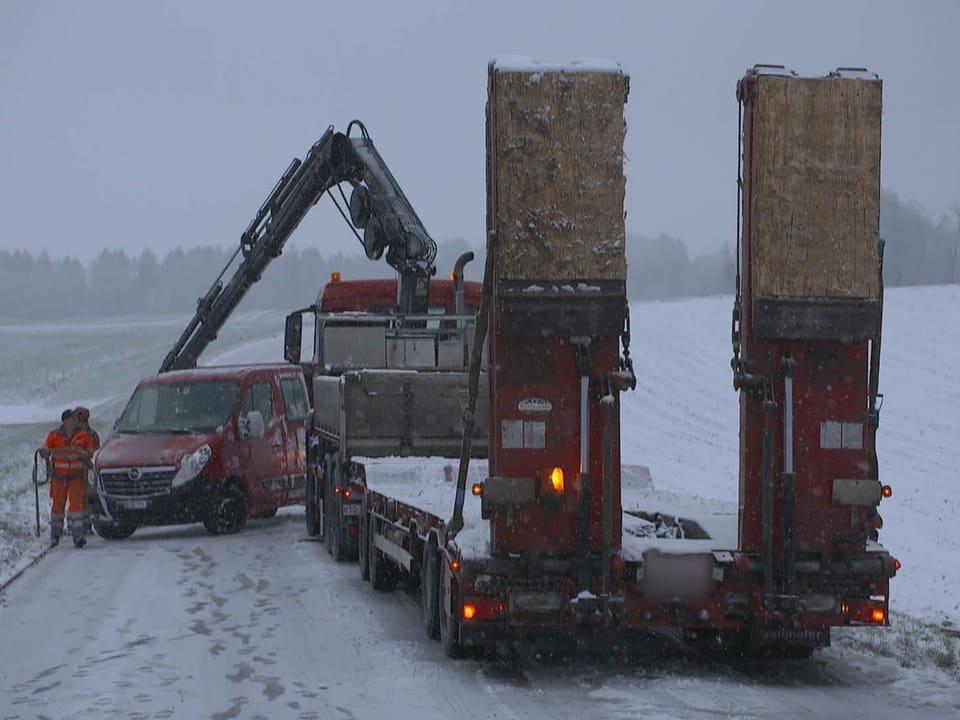
A motorhome became stuck on a narrow mountain bend in Welschenrohr in northern Switzerland on Friday evening, causing a major traffic disruption that lasted several hours.

According to the Solothurn cantonal police, the 73-year-old driver was travelling from Welschenrohr towards Balmberg at around 5:30 pm when the incident occurred. Despite clear road signs prohibiting vehicles over 3.5 tonnes, the driver continued along the restricted route.

As the motorhome navigated a tight right-hand bend on the mountain road, it became completely blocked and unable to move forward or reverse. The size of the vehicle and the narrow road conditions made it impossible for the driver to free the motorhome without assistance.

Emergency recovery services were called to the scene to remove the stranded vehicle. Due to the complexity of the operation and the location on a mountain road, Balmbergstrasse was fully closed for approximately three hours.

Authorities confirmed that the incident caused significant traffic disruption in the region. The police also highlighted the importance of respecting road restrictions, especially on alpine routes where large vehicles can easily become stuck due to sharp bends and narrow passages.

The motorhome was eventually recovered without serious injuries reported. However, the case serves as a reminder for drivers to carefully follow road signage, particularly in mountainous areas of Switzerland where driving conditions can change rapidly.

Swiss Army Conducts Helicopter Shooting Training in France.

The Swiss Armed Forces has begun a specialised helicopter shooting exercise in France as part of efforts to strengthen defence capabilities and improve international military cooperation.

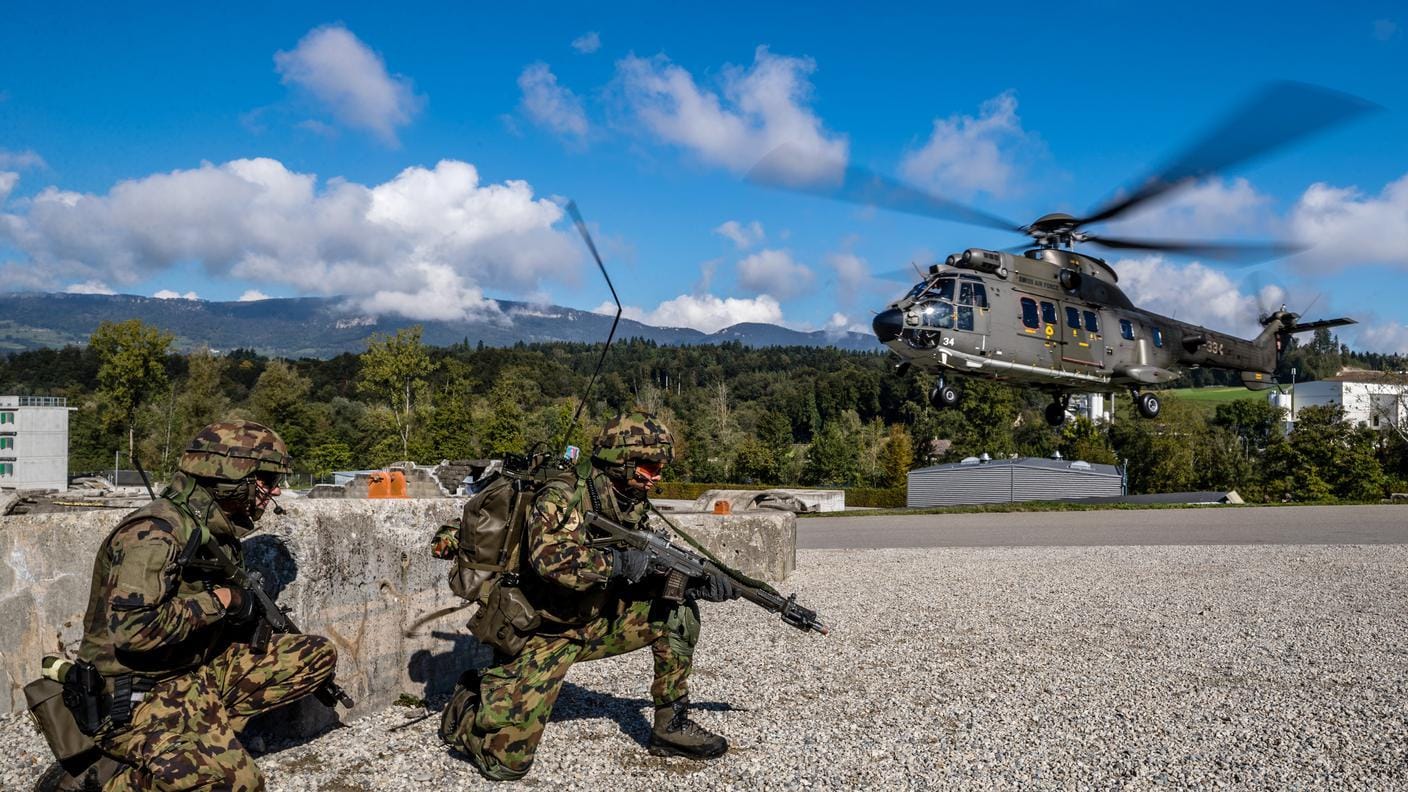
According to the Swiss Army, the training exercise is taking place from May 15 to May 22, 2026, in Solenzara, France. A Cougar military helicopter is being used for the operation, with soldiers practising live firing at moving targets while airborne.

The exercise focuses on improving operational procedures and tactical coordination during complex aerial combat situations. Shooting from helicopters is considered highly challenging because helicopters operate as unstable moving platforms while wind conditions continuously change during flight.

Military officials stated that the training follows strict safety regulations and can only be conducted in specially approved zones with clearly defined security areas. Due to Switzerland’s geographical limitations and restricted airspace, similar advanced exercises are difficult to organise within the country.

The Swiss government decided in 2024 to increase international military cooperation in order to modernise defence readiness and overcome domestic operational limitations. Training abroad allows Swiss forces to gain practical experience and learn from international defence partners.

The army also noted that these joint exercises improve interoperability between allied armed forces and help prepare soldiers for realistic operational environments. Defence experts say such international cooperation has become increasingly important as European nations focus more heavily on security and military preparedness.

The training exercise reflects Switzerland’s broader efforts to strengthen national defence capabilities amid changing geopolitical and security conditions across Europe.

UBS Cleared in Archegos Case

The United States Federal Reserve has officially lifted the enforcement measures imposed against UBS and the former Credit Suisse over the collapse of the Archegos hedge fund scandal.

According to the Federal Reserve, the restrictions introduced in 2023 were related to serious organisational and risk-management failures discovered within Credit Suisse during the collapse of Archegos Capital Management in 2021. The incident became one of the biggest financial disasters in the bank’s history.

In 2023, the Federal Reserve fined Credit Suisse and UBS a combined $268.5 million after identifying weaknesses in supervision, liquidity management, internal controls, and data management systems. Regulators also demanded major improvements to the banks’ compliance and oversight structures.

The enforcement action was coordinated with international financial regulators. Britain’s Prudential Regulation Authority imposed an additional £87 million fine, while Switzerland’s financial regulator FINMA ordered corrective measures after uncovering serious operational failures within Credit Suisse.

The collapse of Archegos Capital Management in March 2021 had a devastating impact on several international financial institutions. However, Credit Suisse suffered the largest losses among all affected banks. The scandal reportedly cost the Swiss bank nearly CHF5 billion and severely damaged investor confidence.

Archegos was managed by investor Bill Hwang, whose highly leveraged investment strategy triggered massive losses across global markets after the hedge fund collapsed.

Financial analysts widely view the Archegos crisis as one of the key events that accelerated the downfall of Credit Suisse before its emergency takeover by UBS in 2023. Since then, UBS has continued integrating Credit Suisse operations while working closely with global regulators to strengthen compliance systems.

The Federal Reserve’s decision to remove the measures suggests regulators are satisfied with the corrective actions taken by UBS following the acquisition and restructuring process.