EU Rejects Swiss Criticism Over New Steel Import Tariffs.

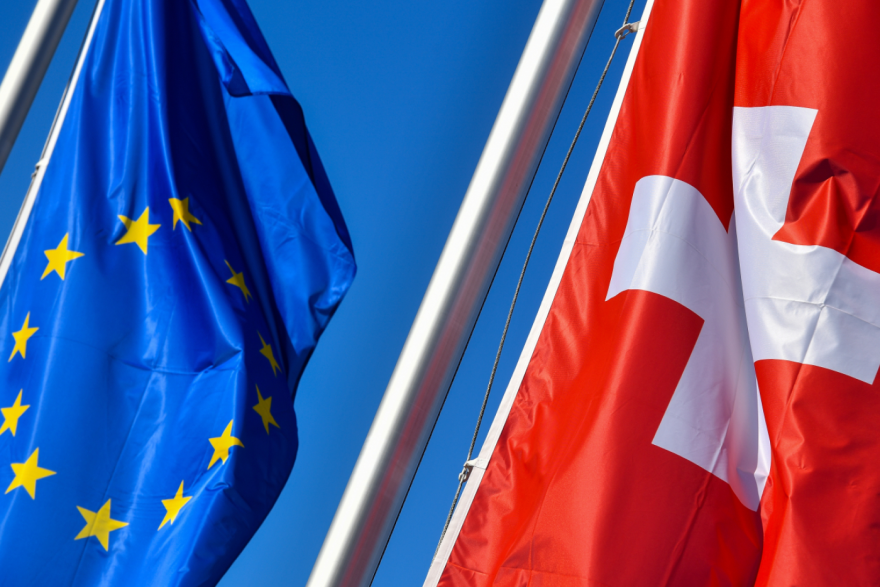
The European Union has rejected criticism from Switzerland over its newly approved steel import tariffs, stating that the measures comply with existing trade agreements and do not breach ongoing bilateral understandings.

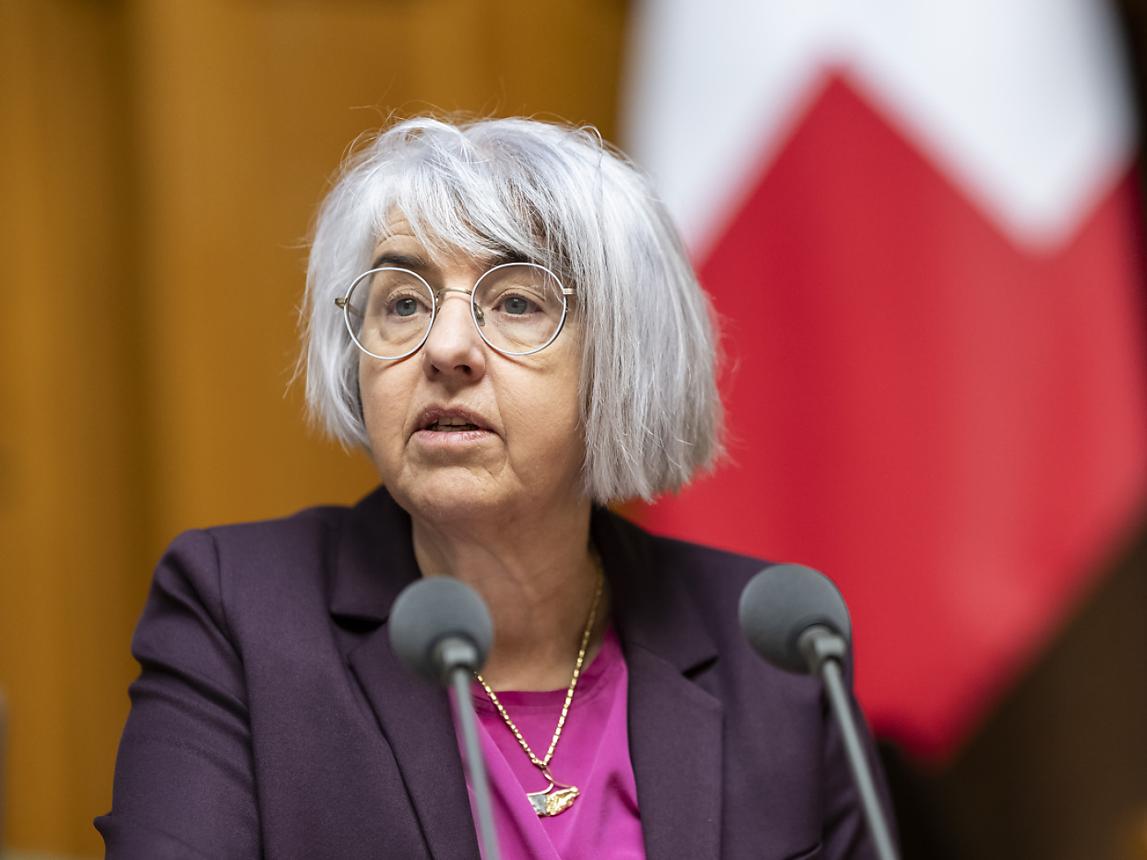
The dispute escalated after Swiss Economics Minister Guy Parmelin described the EU’s stricter steel rules as “unacceptable” and expressed surprise at their timing, as Switzerland’s parliament continues reviewing a major bilateral agreement package with Brussels.

The European Commission responded that the joint declaration on stabilising Switzerland–EU relations only applies to the new cooperation package currently under negotiation. It clarified that steel trade falls under the 1972 free trade agreement and is therefore outside the scope of the recent political declaration.

The EU’s new steel policy includes reduced import quotas and doubled tariffs on excess volumes, aiming to protect its domestic steel industry. These rules are expected to take effect from July 1, with exceptions only for European Economic Area countries such as Norway, Iceland, and Liechtenstein.

European Commission emphasized that Switzerland is not part of the exemption list and that any future quota adjustments would need to be negotiated through international trade frameworks such as the World Trade Organization.

Swiss officials argue that the timing and scope of the measures could create political tension while the broader Switzerland–EU agreement package is still under parliamentary review. Despite disagreements, both sides have expressed interest in maintaining stable long-term relations.

Switzerland Raises Concerns Over Italy’s Cross-Border Health Tax Plan.

Switzerland has raised serious concerns over Italy’s proposed “health tax” on cross-border workers, a move that could affect thousands of commuters, especially in the border region of Canton of Ticino.

During discussions in Bellinzona, Swiss Foreign Minister Ignazio Cassis emphasized the importance of maintaining strong bilateral relations between Switzerland and Italy. He expressed hope that ongoing dialogue would remain constructive as both countries address sensitive cross-border issues.

The proposed Italian policy would allow border regions to impose a levy of around 3% to 6% on net wages earned in Switzerland by Italian cross-border workers. Swiss authorities warn that this could create economic pressure and disrupt labor mobility between the two countries.

Officials also raised concerns about Italy’s idea of introducing “special economic zones” in border areas. These zones aim to reduce taxes and bureaucracy to encourage businesses to stay in Italy instead of relocating to Switzerland.

In addition, discussions included broader financial topics such as inter-cantonal financial equalization, budget tightening measures, and the promotion of the Italian language in Switzerland. The Ticino government has urged reforms to prevent widening economic gaps between Swiss cantons.

The issue will remain politically sensitive as both nations prepare for the upcoming OSCE Ministerial Council meeting in Lugano, scheduled for December 3–4, where diplomatic cooperation will be further tested.

Swatch x Audemars Piguet “Royal Pop” Resale Prices Surge

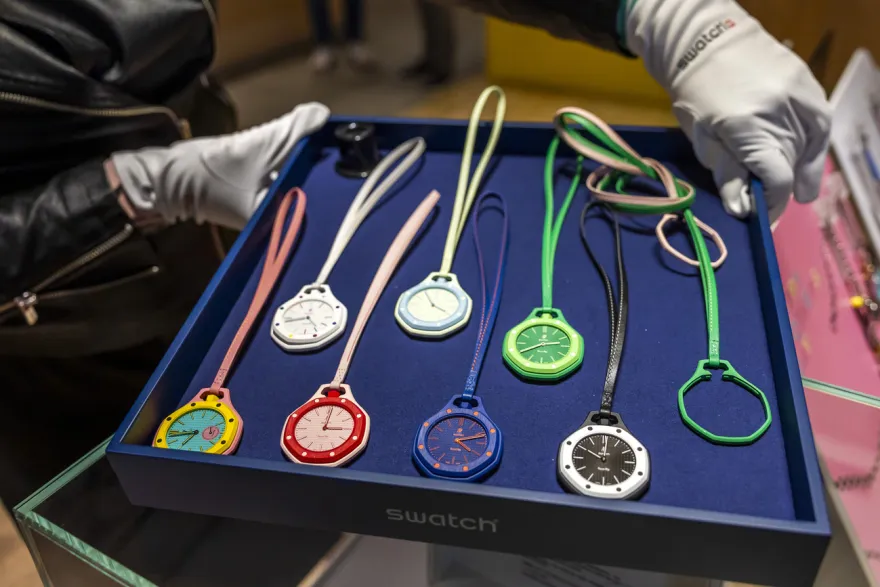
The newly launched Swatch and Audemars Piguet “Royal Pop” pocket watch collection has triggered massive global demand, with resale prices soaring up to 20 times the original retail value.

The collection, inspired by the iconic Royal Oak design, was officially launched at a starting price of around €400 (CHF 365 / $400–$420). However, within hours of release, resale platforms such as StockX and eBay recorded extreme price inflation, with full sets reportedly selling for over $25,000 (CHF 19,600).

On eBay, individual watches were listed at prices exceeding CHF 7,300, highlighting intense speculative buying behavior. Many buyers admitted they purchased the watches solely to resell them for profit.

Swatch confirmed “phenomenal demand” for the product, reporting millions of website visits and over 11 billion social media impressions. Despite strict purchase limits—one watch per customer—crowds quickly overwhelmed several stores worldwide.

The launch also caused operational challenges in nearly 20 out of 220 retail locations, with reports of overcrowding, long queues, and temporary store closures. In countries including France, Italy, the UK, Thailand, and the United States, authorities had to intervene due to crowd control issues.

In New York’s Times Square, some buyers waited for days outside stores, aiming to secure watches for immediate resale at inflated prices.

This launch follows Swatch’s previous viral success with the Moonswatch collaboration, reinforcing the brand’s strategy of limited-edition hype releases that drive global demand and resale speculation.

Switzerland Faces Call to Scrap OECD Minimum Tax.

A new study from the University of St. Gallen (HSG) urges Switzerland to abolish the OECD minimum tax, arguing that the system is outdated, legally uncertain, and economically harmful for the country’s competitiveness.

Professor Peter Hongler from HSG’s Institute of Law and Economics stated that global conditions have changed significantly since Switzerland’s 2023 referendum approval. He emphasized that the tax no longer serves its original purpose and now creates more risks than benefits for Switzerland’s business environment.

The study highlights that Switzerland introduced the OECD minimum tax in 2024 expecting widespread global adoption. However, only around 33 countries have fully implemented the rules so far, far below the expected 140 nations.

Researchers also warn that the absence of major economies, including the United States, has weakened the global effectiveness of the policy. According to the report, the framework has shifted from a global agreement into what is effectively an EU-centered initiative.

The study concludes that Switzerland should reconsider its participation, as the current system may reduce investment attractiveness and create unnecessary fiscal and legal exposure.

Swiss Crowdfunding Market Grows for First Time Since 2021 Driven by Crowdlending Surge

Switzerland’s crowdfunding sector has returned to growth in 2025 after three consecutive years of decline, signaling renewed investor confidence in digital financing platforms. According to the latest “Crowdfunding Monitor Switzerland” report by Lucerne University of Applied Sciences and Arts (HSLU), the total volume of funds raised through online platforms increased by 14% to CHF629 million (around $800 million).

The market had previously peaked at nearly CHF792 million in 2021 before experiencing a steady decline. The recent recovery is mainly driven by strong performance in the crowdlending segment, which now accounts for approximately 75% of the total crowdfunding volume in Switzerland.

CHF 629 million = 629000000 CHFCHF\ 629\ million\ =\ 629\,000\,000\ CHFCHF 629 million = 629000000 CHF

Experts explain that stricter banking regulations introduced in 2025 played a key role in boosting alternative financing channels. Swiss banks are now required to hold more capital against riskier property loans, making traditional lending more expensive and less flexible. As a result, businesses and individuals are increasingly turning to crowdlending platforms for faster and more accessible financing options.

The report also highlights a broader recovery across other crowdfunding segments. Crowdsupporting and crowddonating platforms recorded growth for the first time since 2020. Crowddonating, which supports charitable, cultural, and social initiatives, and crowdsupporting, where contributors receive rewards such as products or services, together increased significantly in 2025.

Sports and health-related projects were among the most successful categories, contributing to a total combined volume increase of 30% to CHF35 million. Meanwhile, real estate crowdlending showed particularly strong expansion, rising by 38% to CHF275 million, making it one of the most important growth drivers in the sector.

Researchers from HSLU noted that the annual “Crowdfunding Monitor Switzerland” plays a key role in tracking market trends and improving transparency within the financial ecosystem. The study helps identify emerging investment behaviors and highlights how regulatory changes continue to shape Switzerland’s digital finance landscape.

Swiss Economy Records Strong Growth in Early 2026 Despite Global Challenges

Switzerland’s economy showed stronger-than-expected growth during the first quarter of 2026 despite rising oil prices and ongoing global trade uncertainties. According to the latest flash estimate released by the Swiss State Secretariat for Economic Affairs (SECO), the country’s real seasonally adjusted gross domestic product (GDP) increased by 0.5% compared to the previous quarter.

The positive economic performance came from growth in both the industrial and service sectors. Economists had predicted a lower increase of between 0.3% and 0.4%, making the latest figures a positive surprise for the Swiss economy. During the final quarter of 2025, Switzerland’s GDP had grown by only 0.2%, while the previous quarter experienced a 0.5% decline due to international tariff disputes and trade tensions.

GDP Growth=0.5%GDP\ Growth = 0.5\%GDP Growth=0.5%

SECO economic expert Felicitas Kemeny explained that confidence in the economy has improved in recent months. She stated that reduced tariffs and slight economic recovery in Germany helped support Swiss economic activity. Several economic indicators also pointed toward stronger business confidence and stable consumer activity across Switzerland.

Although oil prices increased significantly during March, analysts noted that confidence indicators remained relatively stable. This has created optimism that Switzerland may maintain positive economic momentum in the short term. However, uncertainty still exists because global energy prices and international trade conditions continue to affect economic forecasts worldwide.

The Swiss government currently expects economic growth of around 1.0% for 2026 under its main scenario. If oil prices remain elevated for a longer period, experts believe growth could slow slightly to around 0.8%. SECO will release the detailed GDP report on June 1, which will provide more information about the performance of individual sectors within the Swiss economy.

Switzerland continues to demonstrate resilience despite global economic pressure, inflation concerns, and international market instability. Economists believe the country’s diversified economy, stable financial system, and strong industrial base continue to support steady economic growth during uncertain times.

Switzerland Praises WHO for Strong Hantavirus Management.

Switzerland has praised the role of the Geneva-based World Health Organization (WHO) for leading the global response to the hantavirus outbreak. During the opening of the World Health Assembly in Geneva, Swiss Interior Minister Elisabeth Baume-Schneider emphasized the importance of international cooperation and transparent health communication during future global health emergencies.

Baume-Schneider stated that the WHO remains an essential institution for global public health despite growing political pressure and financial challenges. She called for a realistic and efficient international system that allows countries to share pathogen information and medical countermeasures quickly during pandemics. Switzerland strongly believes that global cooperation is necessary to prevent future health crises and protect millions of lives worldwide.

The minister also highlighted the WHO’s active response to both hantavirus and Ebola outbreaks. She acknowledged that the organization continues to perform its responsibilities effectively even after facing a budget reduction of nearly $1 billion and the loss of approximately 1,300 staff members. Switzerland reaffirmed its support for the WHO and stressed that the organization plays a critical role in global disease monitoring, emergency response, and healthcare coordination.

Recent criticism from countries such as the United States and Argentina has created uncertainty around the WHO’s future funding and leadership. However, Switzerland continues to support the Geneva-based organization and recognizes its contribution to international health security. Swiss officials believe that strengthening the WHO will improve global preparedness for future pandemics and emerging infectious diseases.

Experts say hantavirus infections remain a serious public health concern in several regions worldwide. The disease spreads mainly through contact with infected rodents and can cause severe respiratory complications. Health authorities continue to monitor the situation closely while encouraging countries to improve disease surveillance and emergency response systems.

Mullivaikkal Kanji Distribution 2026 Remembrance

Every year in May, Tamils around the world remember the painful memories of the final phase of the Sri Lankan civil war.

In 2009, thousands of Tamil civilians lost their lives during the final days of the conflict in Mullivaikkal, located in the Northern Province of Sri Lanka.

The tragedy continues to remain one of the most emotional and heartbreaking events in Tamil history.

During the last stage of the war, Tamil civilians faced severe shortages of food, medicine, and shelter. Many families struggled to survive under dangerous conditions while staying in so-called safe zones. With limited access to resources, people prepared simple porridge using only rice and water. This meal later became known as “Mullivaikkal Kanji,” a symbol of survival, suffering, and remembrance among Tamils worldwide.

As conditions became more difficult, some families added coconut milk to the kanji whenever possible. Despite the hardships, the porridge helped save many lives during the humanitarian crisis. Today, Mullivaikkal Kanji represents not only the struggle of Tamil civilians but also the resilience and unity of the Tamil community across the globe.

Every year from May 12 to May 18, Tamil communities organize Mullivaikkal Kanji distribution events in remembrance of those who lost their lives during the war. In 2026, remembrance activities continue across Northern and Eastern Sri Lanka, including areas such as Jaffna, Mullivaikkal, Vavuniya, Batticaloa, and Trincomalee.

Tamil organizations, activists, students, and diaspora communities also conduct memorial events in countries including Switzerland, Canada, United Kingdom, and France. These remembrance programs aim to preserve history, honor victims, and raise awareness among younger generations about the impact of war on civilians.

In 2026, discussions surrounding justice, accountability, human rights, and reconciliation continue within Tamil communities worldwide. Many activists and civil organizations emphasize the importance of remembering Mullivaikkal to ensure that such tragedies never happen again. The annual kanji distribution has become a powerful symbol of memory, unity, and cultural identity for Tamils across the world.