

Switzerland to Cover Hospital Bills for Crans-Montana Fire Victims

The government of Switzerland has confirmed that it will cover hospital treatment costs for Italian victims of the Crans-Montana fire, ensuring that families will no longer receive medical billing statements.

Swiss President Guy Parmelin announced the decision during an official visit to Rome, where he met Italian President Sergio Mattarella and Foreign Minister Antonio Tajani.

The discussions were described as open and constructive, focusing on improving cross-border cooperation and addressing concerns related to emergency medical billing for disaster victims.

Parmelin confirmed that Switzerland will handle any treatment costs not covered by insurance through its national victim support system. He also stated that the practice of sending hospital bill copies to victims’ families will be discontinued to prevent further distress.

Authorities from both countries will continue close coordination to ensure fair and compassionate handling of such cases in the future. Swiss officials emphasized that the priority is to provide support and dignity to those affected by the tragedy.

The decision comes as part of broader efforts to improve humanitarian response protocols in cross-border emergencies. Parmelin also noted that the Swiss Federal Council will align its procedures with existing legal frameworks while ensuring better communication between authorities.

During his visit, the Swiss President also attended preparations for the swearing-in ceremony of the Swiss Guard at the Vatican and is expected to meet Pope Leo XIV.
Swiss Travel Safety Concerns Rise in 2026

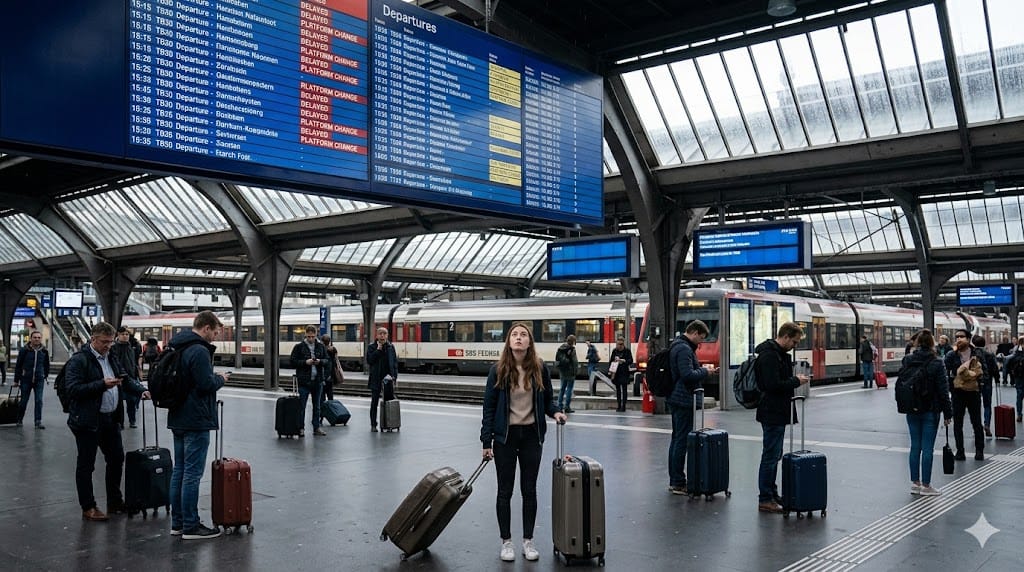
A new survey reveals that people in Switzerland are becoming increasingly concerned about safety when travelling abroad, even as demand for holidays remains strong.

Despite growing concerns, travel demand continues to recover. The proportion of people reducing or avoiding travel has dropped from 61% last year to 49%, indicating that a majority of Swiss residents still plan to travel abroad.

The survey highlights that political instability and global conflicts are the main factors influencing travel decisions. Around two-thirds of respondents cited these risks, leading to a noticeable shift toward European destinations, while interest in North America has declined.

Travel habits are also evolving. The preference for private cars has decreased significantly—from 67% two years ago to 51% today. Cars are now almost equally preferred alongside airplanes (51%) and trains (50%), reflecting a more balanced approach to transportation.

The study was conducted between February and March, covering more than 1,000 participants across Switzerland’s German-, French-, and Italian-speaking regions, along with additional TCS members.

Swiss Fitness Memberships Reach Record High

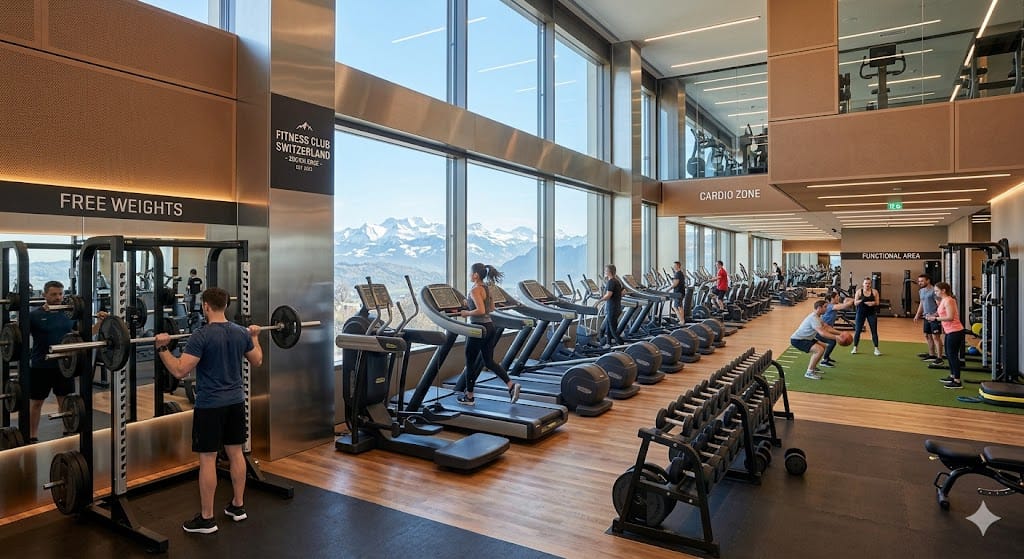
Fitness participation in Switzerland has reached a new record, with gym memberships and industry revenue rising significantly over the past year, according to the latest Key Data Study 2026.

The report shows that around 1.45 million people were registered in fitness centres last year—roughly one-fifth of the adult population. This growth has contributed to a 4.4% increase in industry turnover, bringing total revenue to approximately CHF 1.36 billion.

The data also indicates a steady rise in the number of fitness centres across the country, reflecting growing demand for health and wellness services.

Young adults aged 20 to 29 were the most active group in gym memberships. Industry body Swiss Active linked this trend to a broader “health megatrend,” particularly influencing younger generations who are more focused on fitness, lifestyle, and wellbeing.

Demand has increased for services such as personal training, nutritional guidance, and wellness coaching. However, the study also found a slight decline in participation in digital training programs and group fitness classes.

Experts say the rise in gym participation reflects a stronger national focus on preventive health, physical fitness, and mental wellbeing, especially among younger adults.

The Swiss fitness industry continues to expand as lifestyle changes and health awareness drive more people toward structured exercise routines.

Gotthard Pass Reopens Ahead of Holiday Traffic.

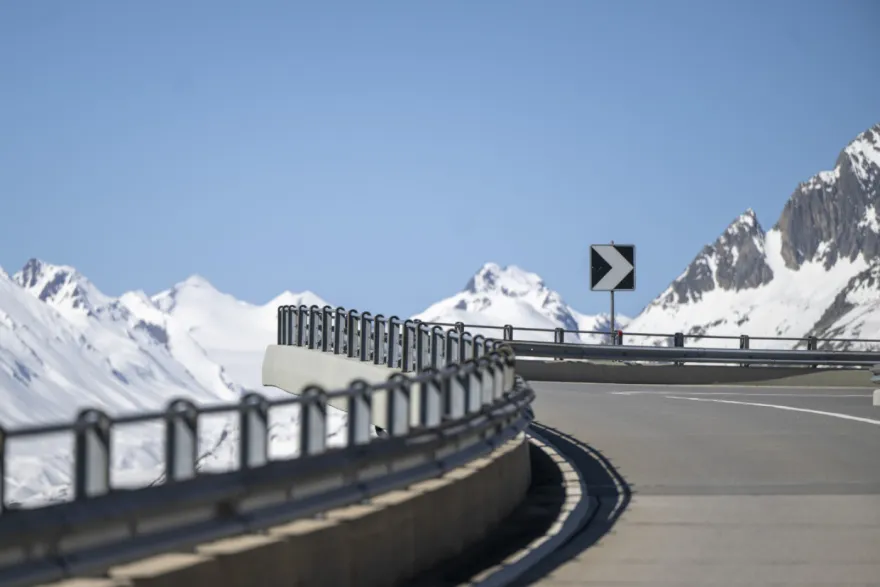
The Gotthard Pass in Switzerland will reopen to road traffic on Friday at 11 a.m., earlier than expected due to favourable weather conditions.

The Federal Roads Office confirmed that clearing and repair work progressed faster than planned because of low snowfall this season. As a result, the winter closure of the pass will be lifted ahead of the busy holiday travel period.

The reopening is expected to ease traffic on the heavily used north–south route along the A2 motorway, especially during the upcoming Ascension and Whitsun holiday weekends.

With the pass reopening, the seasonal extension at the Göschenen exit will also return to operation. The extended three-kilometre lane, starting near Wassen, is designed to reduce congestion and prevent traffic from diverting into nearby villages.

On the southern side, a special traffic lane at Airolo will also be activated to manage holiday traffic flow more efficiently.

Authorities stated that these measures aim to improve safety and reduce congestion along one of Switzerland’s most important transit routes, which connects northern and southern Europe through the Alps.

The early reopening is expected to benefit both local commuters and international travelers using the route during the peak travel season.

WSL Study Outlines Five Possible Futures for Switzerland

Researchers at the Swiss Federal Institute for Forest, Snow and Landscape Research have developed five possible future scenarios for Switzerland, exploring how society, the economy, and the climate could evolve by the year 2100.

The study highlights that it is impossible to predict Switzerland’s exact future. However, understanding different development paths is crucial because social, political, and economic changes directly affect resource use, infrastructure, and climate impact.

To build these scenarios, researchers collaborated with around 60 scientists from 20 institutions. A computer model was used to generate consistent projections based on global climate frameworks developed by the Intergovernmental Panel on Climate Change.

Three of the five scenarios are based on global Shared Socioeconomic Pathways, ranging from a highly technological, renewable-energy-driven society to a fragmented future marked by inequality and weakened state structures.

In the most divided scenario, society splits between a wealthy elite and a disadvantaged majority, while another scenario predicts long-term reliance on fossil fuels, resulting in severe environmental damage and high economic costs later in the century.

Two additional Switzerland-specific scenarios were also developed. One describes a country that prioritizes economic growth through fossil fuels before facing environmental consequences. The other focuses on social cohesion and well-being over pure economic expansion.

Lead researcher Lena Gubler emphasized that none of the scenarios are considered more likely than the others. Instead, they are designed as “if-then” models to explore possible outcomes rather than predict the future.

The National Centre for Climate Services (NCCS) has also released new data showing projected greenhouse gas emissions for each scenario up to 2100, providing a foundation for long-term climate planning and policy decisions.

Zurich Hospital Admits Fatal Heart Surgery Failures.

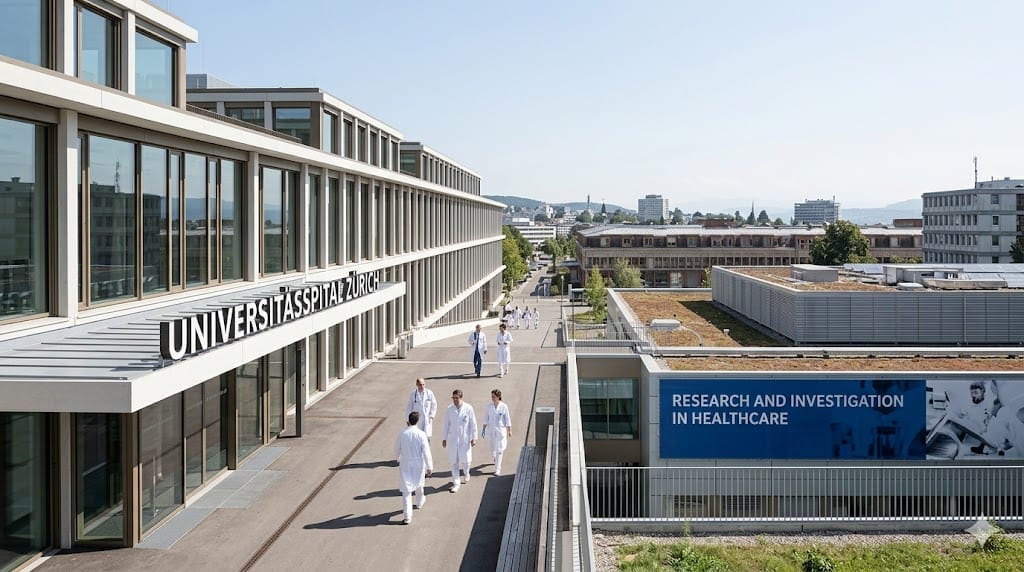
The University Hospital Zurich has confirmed serious medical failures in its cardiac surgery department, following an independent investigation covering the years 2016 to 2020.

The report reveals that between 68 and 74 excess patient deaths may have occurred during this period. Authorities have also identified 11 particularly concerning deaths and 13 cases involving improper use of medical devices, which have been reported to the public prosecutor for further investigation.

Investigators are now examining whether criminal offences were committed, as concerns grow over systemic failures in hospital management and oversight.

According to the findings, the root cause of the issues lies in a major governance breakdown. Former leadership, including cardiac surgery head Francesco Maisano, was appointed in 2014 without sufficient review of qualifications and potential conflicts of interest.

The report also highlights that hospital management at the time failed in its supervisory responsibilities, ignoring warning signs that could have prevented the crisis.

In response to the investigation, three long-standing members of the hospital board have resigned, stating the need for organizational renewal and accountability.

The University Hospital Zurich has issued a formal apology to affected patients and their families and has established a dedicated counselling service to support them.

Despite the scandal, the hospital stated that its cardiac surgery department has since improved under new leadership, with mortality rates returning to normal levels.

To prevent future incidents, the hospital is introducing stricter compliance rules, a conflict-of-interest register, and a whistleblowing system designed to improve transparency and patient safety.

Darren Aronofsky to Receive Leopard of Honour at Locarno.

American filmmaker Darren Aronofsky will receive the prestigious Leopard of Honour (Pardo d’Onore) at the Locarno Film Festival during its 79th edition in Locarno. The award ceremony will take place on August 14 at the iconic Piazza Grande.

Aronofsky is widely recognized for his distinctive filmmaking style and critically acclaimed works. His recent film The Whale, starring Brendan Fraser, gained global attention after premiering at the Venice Film Festival in 2022.

Earlier in his career, Aronofsky received an Academy Award nomination for his psychological thriller Black Swan. He also directed The Wrestler, which earned the Golden Lion at the Venice Film Festival in 2008, further cementing his reputation in international cinema.

His diverse filmography includes projects such as Noah, starring Russell Crowe, and the experimental film Mother!, which sparked mixed reactions from audiences and critics alike.

Aronofsky began his journey with his debut film Pi in 1996, winning the Best Director award at the Sundance Film Festival in 1998. Over the years, he has built a reputation for pushing creative boundaries and exploring complex themes such as faith, obsession, and human desire.

According to Giona A. Nazzaro, Aronofsky’s work consistently challenges cinematic conventions and avoids conforming to mainstream expectations. The festival described his films as provocative, spiritual, and formally daring.

As part of the 2026 festival program, Aronofsky’s films The Fountain (2006) and Mother! will be screened, celebrating his contribution to modern cinema.

The Leopard of Honour, supported by Manor since 2017, has previously been awarded to renowned filmmakers including Jane Campion and Alexander Payne.

Mental Health Costs Rise Sharply in Switzerland.

Mental health treatment costs are continuing to rise across Switzerland, with new data highlighting growing pressure on the healthcare system. A recent report by the Swiss Health Observatory shows a significant increase in spending during 2024.

According to the report, mental healthcare costs increased by 6.1% in 2024 compared to 2023, reflecting a steady upward trend in demand for services. Despite rising costs, around 72% of the population reported feeling happy most or all of the time, indicating stable overall well-being.

The data reveals notable differences among age groups and genders. In outpatient care, treatment costs for boys under 18 rose by 8.9%, surpassing the 4.9% increase for girls for the first time. However, over the longer term between 2012 and 2023, the average annual cost increase for girls was nearly double that of boys.

In inpatient care, gender disparities remain significant. The hospitalization rate for girls in psychiatric clinics was approximately twice as high as for boys, indicating a higher level of severe mental health challenges among young females.

Experts continue to identify girls and young women as a high-risk group, calling for targeted interventions and stronger mental health support systems. The findings underline the importance of early prevention, accessible care, and increased awareness to address the growing mental health burden.

Study Links Childhood Bullying to Conspiracy Beliefs

A long-term study in Zurich has found that childhood bullying can significantly increase the likelihood of believing in conspiracy theories later in life. Researchers say early experiences of mistrust and emotional stress can shape how individuals view the world as adults.

The study, known as the Zurich Project on Social Development from Childhood to Adulthood, has followed around 1,500 participants since 2004. Conducted by the University of Zurich and supported by the Swiss National Science Foundation, the research tracks individuals from age seven into adulthood.

According to Hanne Duindam, people who experience bullying during childhood may develop a worldview shaped by fear and mistrust. These individuals are more likely to see the world as dangerous and believe in hidden plots or conspiracies.

The findings show that participants who suffered higher levels of bullying and emotional distress were more prone to conspiracy thinking and even extremist attitudes by the age of 24. The results were published in the Journal of Youth and Adolescence.

Researchers emphasize that these beliefs should not be dismissed as irrational without understanding the underlying experiences. Instead, they highlight the importance of empathy and context when addressing such views.

The study also offers hope. Some individuals who lost trust early in life were able to recover over time, showing that intervention and support can make a difference.

Experts recommend strengthening mental health support systems in schools and families to prevent long-term psychological effects. Promoting safe environments and emotional well-being during childhood could help reduce susceptibility to harmful beliefs later in life.

Luxury Car Theft Surges Across Switzerland.

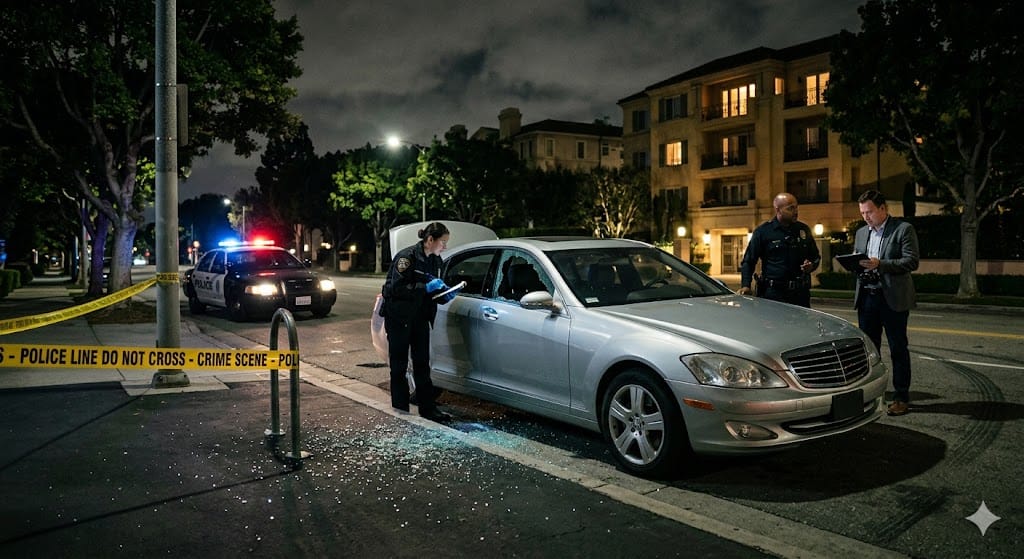
Luxury car theft is rising sharply across Switzerland, with new data highlighting a growing concern for vehicle owners and insurers. According to AXA, the number of reported car theft cases has increased significantly in recent years.

In 2025 alone, nearly 400 vehicle theft cases were reported to AXA. The total financial damage reached approximately CHF 5 million, almost double the losses recorded before the pandemic.

The average cost per car theft has also increased. In 2025, each case resulted in an average loss of around CHF 14,000, marking a steady rise over the past decade. Experts note that the average damage value has increased by about CHF 4,000 over the last ten years.

Certain regions have been more affected than others. The cantons of Geneva, Vaud, and Basel City reported the highest number of car theft cases. Ticino also recorded above-average incidents over the past decade.

In contrast, regions such as Obwalden and Glarus reported the lowest rates of vehicle theft.

Experts suggest that proximity to international borders plays a key role in these trends. Organized criminal groups are increasingly targeting high-value vehicles and transporting them خارج the country. Urban areas, with higher vehicle density, also provide more opportunities for theft.

Insurance officials warn that the trend could continue if preventive measures are not strengthened. Vehicle owners are advised to use enhanced security systems and remain vigilant, especially in high-risk regions.