Over 72% of Prison Inmates in Switzerland Are Foreign Nationals (2025 Data Explained)

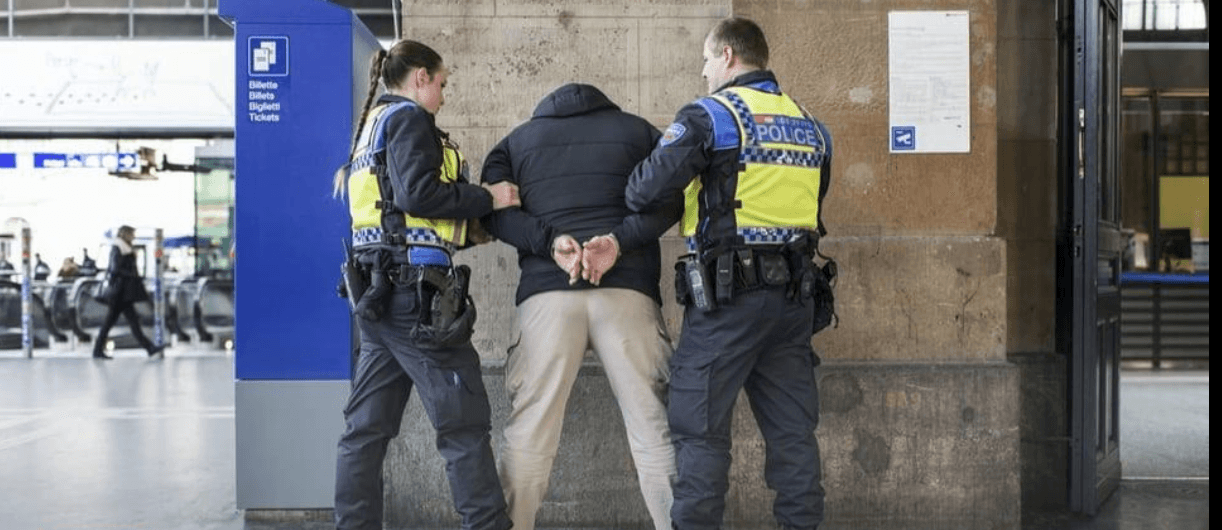
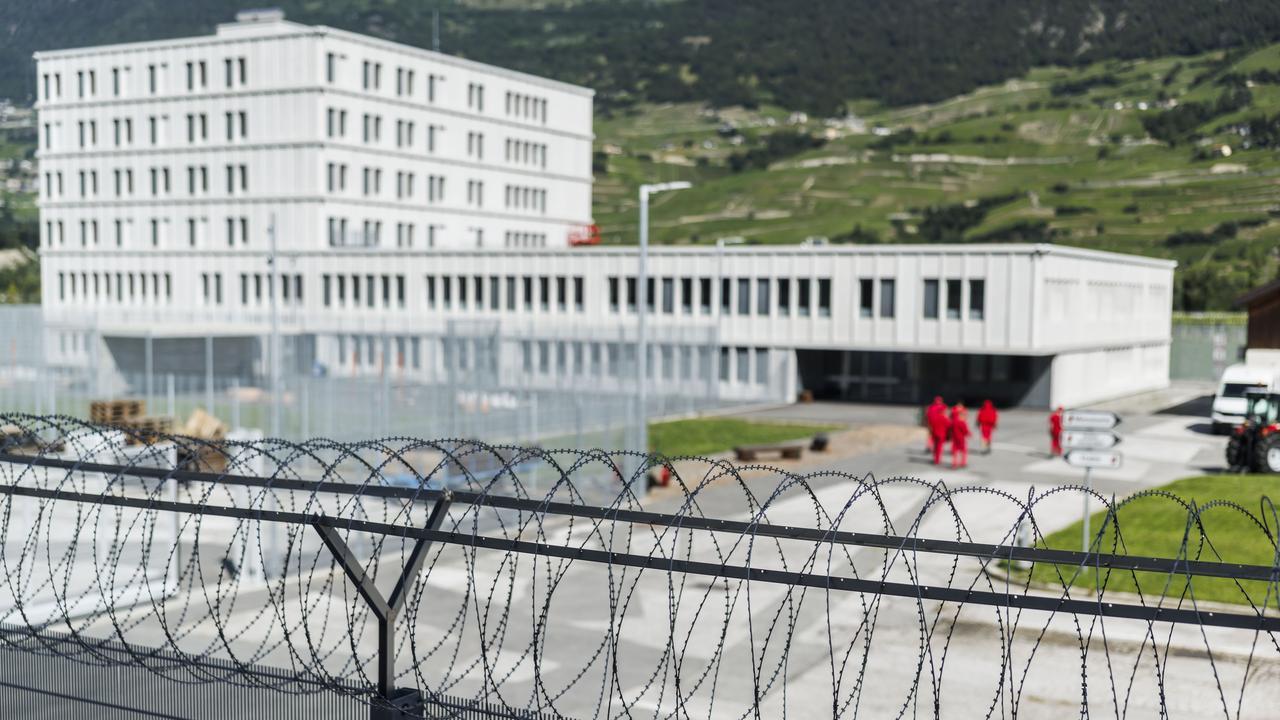
Recent 2025 data indicates that approximately 72.5% of inmates in Swiss prisons are foreign nationals. This means that nearly 7 out of 10 prisoners in Switzerland do not hold Swiss citizenship.

Understanding the Statistics

It is important to understand that the term “foreign nationals” does not only refer to tourists or illegal migrants. The category also includes:

  • Long-term residents without Swiss citizenship
  • Temporary workers and cross-border commuters
  • Asylum seekers
  • Individuals without permanent residency status

Therefore, the data reflects nationality status rather than recent immigration activity.

Population Context in Switzerland

Switzerland has a high proportion of foreign residents compared to many other countries. More than 25% of the total population consists of non-Swiss nationals. This demographic structure naturally influences prison statistics as well.

Key Factors Behind the Numbers

Experts highlight several contributing factors:

  • Higher proportion of foreign residents in urban and working-age groups
  • Inclusion of non-citizens in temporary and asylum categories
  • Socio-economic differences affecting legal outcomes
  • Cross-border mobility within Europe and Schengen area

Important Interpretation

Authorities and analysts emphasize that this statistic should not be misinterpreted as a direct link between immigration and crime. Instead, it reflects population composition, legal residency status, and socio-economic diversity in Switzerland.

Conclusion

Switzerland’s prison demographics are closely linked to its international population structure. The high percentage of foreign nationals in prisons highlights the complexity of interpreting crime data in a highly multicultural and mobile society.
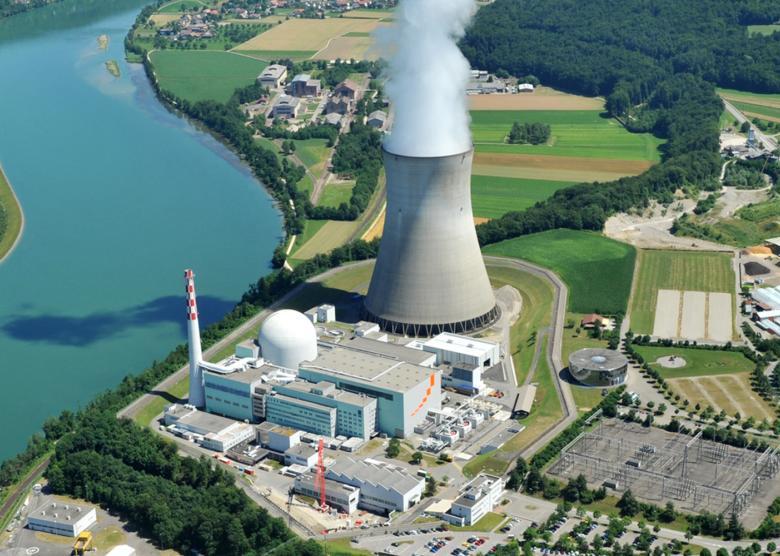

Switzerland’s Clean & Sustainable Electricity System Explained

Switzerland is widely recognized as one of the countries with the cleanest and most stable electricity production systems in the world. Its energy system is built on a strong foundation of renewable and low-carbon sources, making it a global leader in sustainable power generation.

Electricity Mix in Switzerland

Switzerland’s electricity production is mainly divided into three major sources:

  • Hydropower: approximately 55%–60%
  • Nuclear power: approximately 30%–35%
  • Solar energy: rapidly growing and reaching nearly 10%
  • Wind and other sources: very small share

This balanced mix allows Switzerland to maintain a reliable and low-carbon electricity supply.

Hydropower as the Backbone

Hydropower is the most important energy source in Switzerland. The country’s mountainous geography and Alpine rivers provide ideal conditions for hydroelectric dams. These plants generate a large portion of the national electricity demand, especially during the summer months.

Role of Nuclear Energy

Nuclear power also plays a significant role in Switzerland’s energy system. However, after the Fukushima nuclear disaster in 2011, the government decided not to build new nuclear power plants and gradually phase out existing ones. Despite this, nuclear energy still contributes a substantial share of electricity production.

Growth of Solar Energy

In recent years, solar energy has grown rapidly across Switzerland. Rooftop solar installations and renewable energy investments have significantly increased, making solar power an important part of the future energy transition.

Energy Import and Export Balance

Switzerland exports electricity during summer months when hydropower production is high. However, during winter, when demand increases and hydropower output decreases, the country sometimes imports electricity from neighboring European countries.

Environmental Strength of Switzerland

One of Switzerland’s key strengths is its low-carbon electricity system. Most of its electricity comes from renewable or low-emission sources, making it one of the cleanest energy systems in the world.

Future Energy Direction

Due to increasing electricity demand and climate change challenges, Switzerland continues to debate the future role of nuclear energy while expanding renewable sources such as solar and hydropower storage systems.

Switzerland remains a global model for sustainable electricity production and climate-friendly energy policy.

How to Withdraw Remaining Pension Funds in Switzerland (2nd Pillar Guide)

In Switzerland, the occupational pension system (commonly known as the 2nd pillar or BVG/Pensionskasse) allows individuals to access their retirement savings under specific legal conditions. Many residents who have already withdrawn part of their pension funds often ask whether they can withdraw the remaining balance again.

Can You Withdraw Pension Funds Again?

Yes, in certain situations, individuals who have previously withdrawn part of their pension funds—such as for buying a home or leaving Switzerland—may still be able to access remaining funds.

However, eligibility depends on the reason for the first withdrawal and current legal conditions.

Key Rule: Waiting Period and Conditions

If you have withdrawn pension funds more than 5 years ago, you may still be eligible to withdraw remaining balances, depending on your current pension status and contribution history.

The pension fund institution will review:

  • Your employment status
  • Remaining accumulated pension savings
  • Reason for previous withdrawal
  • Current residence and insurance status

Common Reasons for Pension Withdrawal

Swiss law allows pension withdrawal in cases such as:

  • Purchasing a primary home (EPL/WEF scheme)
  • Leaving Switzerland permanently
  • Starting self-employment
  • Retirement age eligibility

How Much Can You Withdraw?

The amount depends on your accumulated 2nd pillar savings. If only part of the pension was previously withdrawn, the remaining balance continues to grow through contributions and investment returns.

Important Conditions

Before approving a new withdrawal, pension authorities check:

  • Whether you are still insured under BVG
  • Whether legal conditions for withdrawal are met
  • Whether previous withdrawals were partial or full

Where to Apply

Requests must be submitted directly to your pension fund provider (Pensionskasse). Each institution has its own rules, forms, and verification process.

Important Advice

Incorrect or incomplete applications can delay approval. It is important to contact your pension fund office directly for accurate calculation and eligibility confirmation.

Swiss pension rules are strict but flexible depending on personal financial and employment circumstances.

Switzerland Arbeitslosenkasse (ALK) System Explained – Benefits, Rules & Process

In Switzerland, the Arbeitslosenkasse (ALK) plays a key role in supporting individuals who lose their jobs. It is part of the broader unemployment insurance system known as Arbeitslosenversicherung (ALV), which ensures financial stability during periods of unemployment.

What is ALV (Unemployment Insurance)?

The ALV system is funded through monthly salary deductions from both employees and employers. It provides financial protection for workers who lose their jobs. However, self-employed individuals are generally not covered under this system.

What is RAV (Regional Employment Center)?

The RAV acts as a job placement and support center. It helps unemployed individuals find new jobs, monitors job applications, organizes meetings, and recommends training programs. Job seekers must regularly attend appointments and prove active job search efforts.

What is Arbeitslosenkasse (ALK)?

The ALK is responsible for calculating and paying unemployment benefits (Taggeld). They verify documents, process applications, and ensure monthly payments are made to eligible individuals.

What to Do After Job Loss

Once employment ends, individuals must immediately register with RAV. Delays in registration may reduce benefits.

Required Documents

Applicants must submit:

  • Passport or residence permit
  • Employment termination letter (Kündigung)
  • Employment contracts
  • Salary slips
  • Bank account details
  • AHV number

Job Search Requirements

Unemployed individuals must actively apply for jobs and provide proof. Failure to meet RAV requirements may lead to penalty days (Einstelltage), during which payments can be reduced or suspended.

How Much Support is Paid?

Unemployment benefits usually cover around 70% of the previous salary. In some cases, such as families with children, this can increase up to 80%.

For example, if a person earned CHF 5,000 monthly, they may receive approximately CHF 3,500 to CHF 4,000 as unemployment support.

Eligibility Conditions

To qualify, individuals must:

  • Have worked legally in Switzerland
  • Contribute to ALV insurance
  • Lose job involuntarily
  • Actively search for new employment

Important Responsibilities

Beneficiaries must:

  • Attend all RAV appointments
  • Submit job applications regularly
  • Remain available for work
  • Inform authorities about illness or travel

Payment Delays and Issues

In recent years, some delays have been reported due to system updates (SECO IT system), missing employer documents, or administrative backlogs. Sanctions from RAV can also temporarily affect payments.

Switzerland’s unemployment system is designed to support job seekers while encouraging active reintegration into the workforce.

Step-by-Step Switzerland Schengen Visa Application Process

Applying for a Switzerland Schengen Visa (Type C) requires careful preparation and proper documentation. This visa allows short stays for tourism, family visits, and business travel within Switzerland and other Schengen countries.

Visa Type Selection

The most common visa is the Short Stay Schengen Visa (Type C), used for tourism and family visits. For work or study purposes, a national visa is required instead.

Required Documents

Applicants must prepare the following essential documents:

  • A valid passport with at least 6 months validity and 2 blank pages
  • Completed visa application form
  • Recent passport-size photographs
  • Travel itinerary including flight and hotel bookings
  • Travel insurance with minimum €30,000 coverage
  • Bank statements for the last 3–6 months showing sufficient funds
  • Employment or business documents such as salary slips, employment letter, or business registration proof
  • A cover letter explaining the purpose of travel

Application Process

The Switzerland visa application process is generally handled through VFS Global in many countries. The steps include:

  1. Book an online appointment at the visa application center
  2. Prepare all required documents carefully
  3. Visit the visa center for biometric data submission
  4. Submit your application and wait for processing

Processing Time

The standard processing time is around 15 working days. However, during peak travel seasons, it may take longer.

Visa Fees

  • Adults: approximately €90
  • Additional VFS service charges may apply depending on the location

Important Notes

Applicants must avoid submitting false documents, as this can lead to rejection. A strong bank balance and clear travel purpose improve approval chances. Proof of return to home country is also very important for visa approval.

Proper preparation ensures a smooth and successful Switzerland Schengen visa application process.

Important Swiss Divorce Rules Everyone Must Know (2026 Guide)

Divorce in Switzerland is regulated under the Swiss Civil Code (ZGB/CC), which ensures a structured legal process for separating couples. The law focuses on fairness, especially regarding children, finances, and long-term financial security.

Mutual Consent Divorce

When both spouses agree to divorce and its conditions, they can file a joint application in court. This is the fastest and most cost-effective process. Key decisions include child custody, child support, spousal maintenance, pension sharing, and division of assets and debts.

Unilateral Divorce

If only one partner wants a divorce, Swiss law generally requires a separation period of two years before filing. However, in serious cases such as domestic violence or severe conflict, immediate divorce proceedings may be allowed.

Child Custody Rules

Since 2014, joint parental responsibility is the default rule in Switzerland. Both parents remain involved in major decisions affecting the child. Courts always prioritize the “best interest of the child” when deciding custody arrangements.

Maintenance and Alimony

Child support is mandatory in all cases. Spousal maintenance may be granted depending on financial differences, marriage duration, and career sacrifices. Courts assess income, lifestyle, and childcare responsibilities before deciding alimony.

Property Division

Swiss law follows a marital property system where:

  • Assets owned before marriage remain personal
  • Inheritances and gifts usually remain personal
  • Assets acquired during marriage are generally shared equally

Pension (2nd Pillar) Sharing

One of the most important aspects of Swiss divorce law is pension division. Retirement savings accumulated during marriage are typically split between both spouses.

Legal Separation Options

Couples can also choose legal separation instead of immediate divorce. Courts may issue temporary arrangements for custody, maintenance, and living expenses while the couple lives apart.

Swiss divorce laws aim to ensure fairness, protect children, and provide financial stability during and after separation.

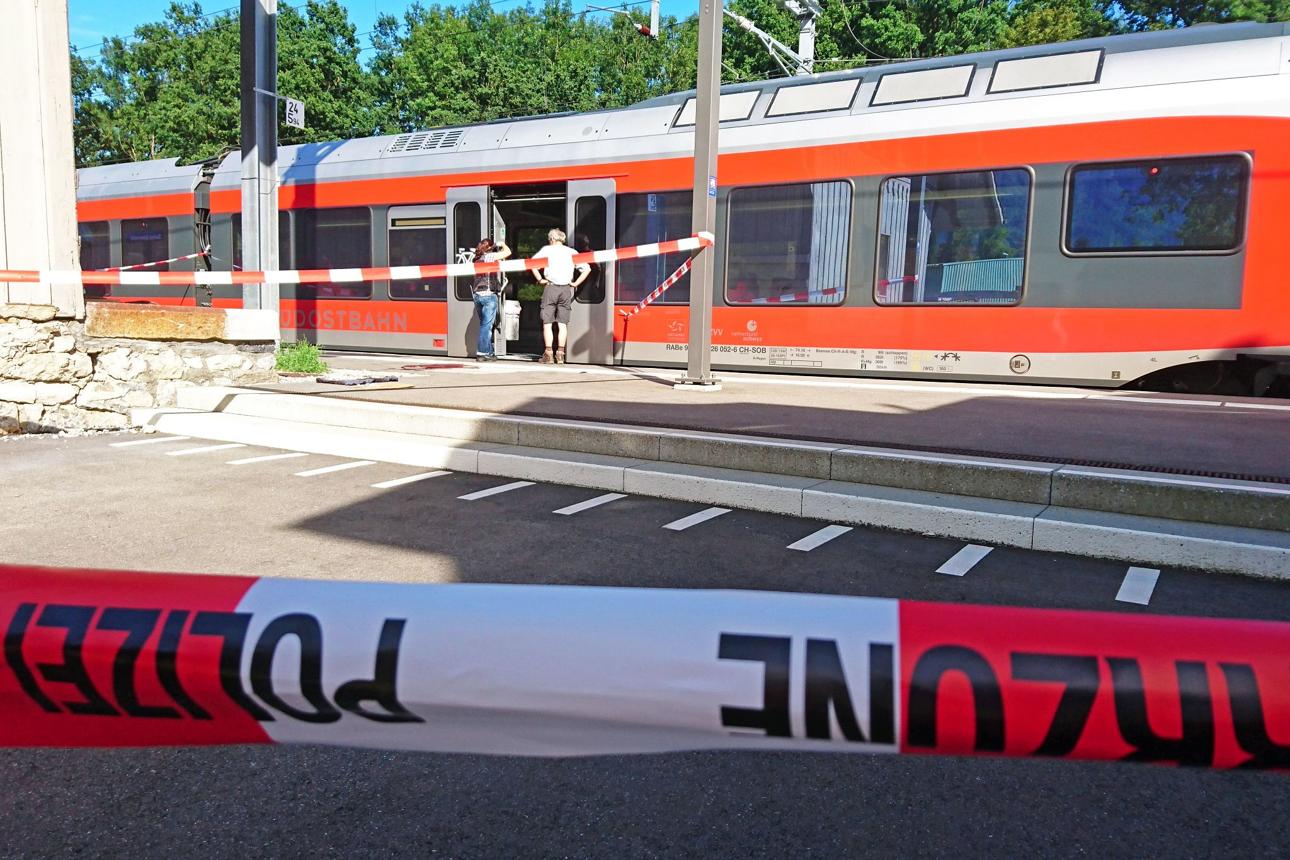
Three Injured in Winterthur Station Knife Attack

Three people were injured in a knife attack at Winterthur railway station in Switzerland’s Zurich canton, prompting a swift police response and the arrest of a suspect.

According to Swiss police, the incident occurred around 8:30 AM during the morning rush hour when commuters and students were present at the station. The victims, aged 28, 43, and 52, are all Swiss nationals. They were immediately taken to hospital for medical treatment after sustaining injuries. Authorities have not yet released updates on their current conditions.

Police confirmed that a 31-year-old Swiss man was arrested shortly after the attack. He is suspected of using a sharp weapon during the incident, and investigators are currently working to determine the motive behind the attack.

A witness working in a nearby office building reported hearing the suspect shout a phrase in Arabic shortly before the attack. However, authorities have not confirmed any motive, and they have urged the public to avoid speculation until the investigation is complete.

The incident caused panic at the busy station, especially as many schoolchildren were present at the time. Emergency services quickly secured the area and provided assistance to the injured.

Swiss authorities continue to investigate the case, focusing on the suspect’s background and the circumstances leading up to the attack.

Knife Attack at Swiss Station Injures Four.

A shocking knife attack at Winterthur railway station in Switzerland’s Zurich canton has left four people injured and sparked widespread concern over public safety.

The incident occurred early this morning at around 8:30 AM, a busy time when school children and commuters were arriving at the station. According to local reports, a Swiss national attacked four individuals with a knife, causing panic among passengers.

Eyewitnesses stated that a teacher acted quickly to protect schoolchildren who were nearby during the attack. The teacher reportedly stepped in to prevent the children from being harmed, helping to avoid further injuries.

Swiss police responded rapidly to the scene and arrested a 31-year-old suspect. Authorities have confirmed that the suspect is currently under investigation, and the motive behind the attack has not yet been disclosed.

Emergency services treated the injured victims at the scene before transporting them to nearby hospitals. Their current conditions have not been officially released.

The incident has raised serious concerns about safety in public transportation hubs across Switzerland, particularly in busy stations during peak hours. Police continue to investigate the case.

Swiss Anti-Immigration Vote Could Hurt Economy.

Switzerland is preparing for a major national referendum that could significantly affect the country’s economy, workforce, and international border relations. The proposal, introduced by the Swiss People’s Party, aims to stop Switzerland’s population from exceeding 10 million people under the campaign slogan “No to 10 Million Switzerland.”

Swiss voters will cast their votes on June 14. Supporters of the proposal argue that limiting immigration will reduce pressure on housing, transportation, and public services. However, economic experts warn that the decision could create serious long-term problems for Switzerland.

Research organization Ecoplan states that if the proposal succeeds, Switzerland could face difficulties within the Schengen zone. Neighboring countries including France, Germany, Italy, and Austria may introduce stronger border checks. These restrictions could heavily affect thousands of workers who cross borders daily for employment.

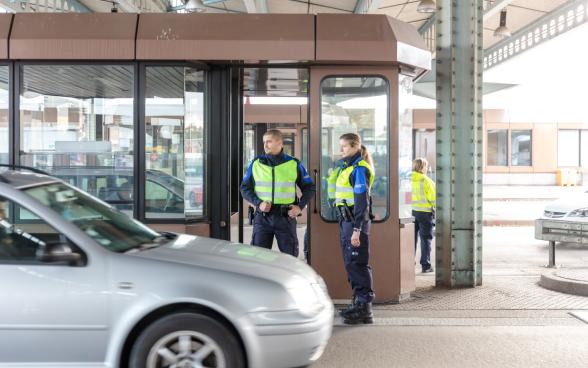
Regions such as Geneva, Ticino, and Basel are expected to face the biggest impact. Nearly 400,000 cross-border workers travel into Switzerland every day. If stricter controls begin at all borders, workers may experience delays of more than one hour while commuting.

Experts believe that many foreign workers may eventually stop working in Switzerland because of these delays and restrictions. Reports suggest that nearly two-thirds of cross-border employees could leave their jobs if the situation becomes difficult.

Healthcare services may suffer the most. Swiss hospitals and essential service sectors depend heavily on international workers. A reduction in foreign employees could create staff shortages and affect public services across the country.

Economic analysts warn that the referendum may weaken Switzerland’s economy, reduce workforce availability, and increase operational challenges for businesses. As the national vote approaches, the debate over immigration and economic stability continues to grow across Switzerland.

Google Engineer Charged Over Polymarket Bets.

US federal prosecutors have charged a Google software engineer with allegedly using confidential company data to make more than $1.2 million through prediction market bets on Polymarket.

According to the US Department of Justice, Michele Spagnuolo allegedly accessed internal Google search trend information before it became public and used the data to place profitable bets under the online alias “AlphaRaccoon.”

Prosecutors say Spagnuolo used insider knowledge connected to Google’s annual “Year in Search” rankings. Authorities claim he placed high-risk bets on unexpected names, including musician D4vd and rapper Kendrick Lamar, before official search trend results were released.

The US Department of Justice charged him with commodities fraud, wire fraud, and money laundering. Officials say insider trading threatens the integrity of emerging prediction markets and financial systems.

The case highlights growing concerns surrounding the rapid expansion of prediction market platforms like Polymarket. Regulators increasingly worry that confidential information could be exploited for gambling-style financial gains.

Google confirmed that using confidential internal data for betting violates company policy and stated that the employee has been placed on leave while investigations continue.

The complaint also states that Spagnuolo currently resides in Switzerland, adding international attention to the case. Federal prosecutors in New York say they will continue targeting corporate insiders who misuse sensitive information for personal profit.