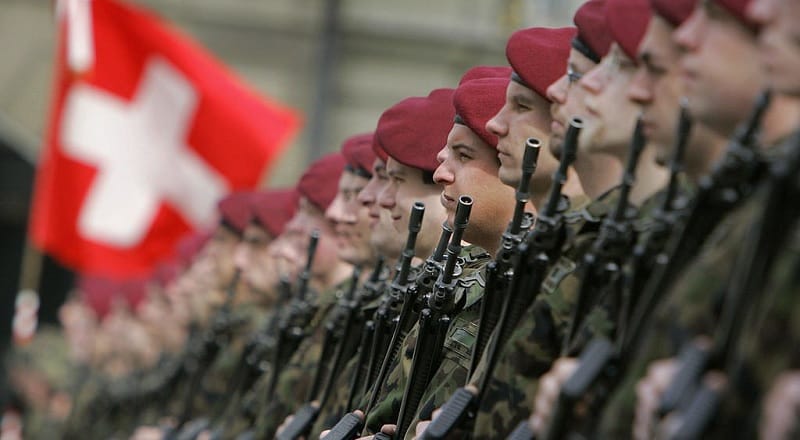
Switzerland Civil Service Rumours Clarified: Zivildienst Still Exists.

Recent social media claims suggesting that Switzerland has abolished Zivildienst (civilian service) and made military training compulsory for all citizens are inaccurate.

In reality, Switzerland continues to operate a mandatory service system for men, where individuals can choose between military service and alternative civilian service depending on eligibility and conscience-based exemption.

Despite rising political discussions, the core system has not been removed. The Swiss government is currently reviewing certain regulations due to an increasing number of conscripts opting for civilian service instead of military training.

Political movements, including debates involving the Swiss People’s Party (SVP), have pushed for stricter service rules. However, no law has been passed to eliminate civilian service entirely.

Public debates also intensified after campaigns featuring controversial political messaging, including visual protests involving international political figures, which sparked online misinformation.

Authorities have clarified that the current structure still allows two legal pathways:

  • Military service for eligible male citizens
  • Alternative civilian service (Zivildienst) for those who refuse military service on conscientious grounds

However, the government and parliament are gradually tightening rules to prevent misuse of the civilian service system, making it less flexible than before.

Key discussions in 2025–2026 include:

  • Restricting easy transitions from military service to Zivildienst
  • Reducing exemptions in certain professional categories
  • Preventing civilian service from being used as a “shortcut option”

A broader proposal suggesting compulsory public service for both men and women was also discussed in a 2025 referendum but was rejected by voters.

Current Situation (2026)

Switzerland still maintains:

  • Mandatory service for men
  • Option to choose military OR civilian service
  • No complete abolition of Zivildienst

However, policy tightening is expected to continue gradually during 2026.

Lowest Mortgage Rates in Switzerland 2026.

Switzerland continues to offer competitive mortgage options in 2026, with several banks and financial providers providing relatively low interest rates depending on borrower eligibility, income stability, and property value.

One of the notable providers is Crédit Agricole next bank (Suisse) SA, which offers fixed mortgage rates starting around 1.38% for 5-year terms. It remains one of the competitive options in the Swiss mortgage market.

The BEKB | BCBE is also known for offering some of the lowest advertised fixed rates in the market. Reports indicate approximately 0.55% for 5-year fixed mortgages and around 0.80% for 10-year terms, although actual rates depend heavily on borrower profile, income, and down payment capacity.

Major banking institutions such as UBS provide mortgage solutions like the Key4 product, where 5-year fixed rates may start around 1.23%. Digital application processes sometimes allow customers to access more competitive offers.

Another stable option is Migros Bank, offering approximately 1.65% for 5-year fixed mortgages, widely preferred for its customer service and reliability.

In the Zurich region, Zürcher Kantonalbank remains a trusted lender with slightly higher rates around 1.8%, but it is known for easier approval processes and strong regional support.

Experts also recommend using mortgage brokers such as MoneyPark AG, Comparis Hypothekenservice (HypoPlus), and HYPOTHEKE.ch, which compare multiple banks and often negotiate better deals. In some cases, borrowers can save 0.2% to 0.5% compared to direct bank offers.

Current Market Overview (2026)

  • SARON mortgages: 0.9% – 1.3%
  • 5-year fixed: 1.2% – 1.6%
  • 10-year fixed: 1.5% – 1.9%

Borrowers are advised to compare offers carefully, as final mortgage rates vary depending on financial profile, property type, and risk assessment.

Strong Call in Switzerland to Protect Sri Lanka’s Local Farmers Through Higher Import Taxes.

A strong appeal has been made in Switzerland urging the Government of Sri Lanka to take urgent action to protect its local agricultural sector by increasing import taxes on essential food items.

During an official visit by Sri Lankan Prime Minister Harini Amarasuriya, a Sri Lankan expatriate entrepreneur presented a significant proposal focusing on strengthening domestic agriculture and reducing dependency on imports.

The proposal highlighted that essential commodities such as rice, potatoes, big onions, small onions, and dried chillies can be sufficiently produced within Sri Lanka. Therefore, increasing import duties on these goods would help stabilize local market prices and ensure better demand for domestic farmers.

Supporters of the proposal emphasized that restricting unnecessary imports would also help preserve the country’s valuable foreign exchange reserves, reducing pressure on Sri Lanka’s economy.

This viewpoint aligns with concerns previously expressed by several Northern Province representatives, including Members of Parliament who have spoken publicly about controlling rice imports to protect local producers.

However, the expatriate community stressed that such concerns should not remain only as political discussions or media statements. Instead, they urged that the policy should be formally debated in Parliament and enacted as a legally binding framework.

They further stated that only a structured import taxation policy can guarantee long-term protection for farmers, ensuring fair pricing, stable demand, and sustainable agricultural growth in Sri Lanka.

Swiss Primary Pupils Show Strong Academic Performance.

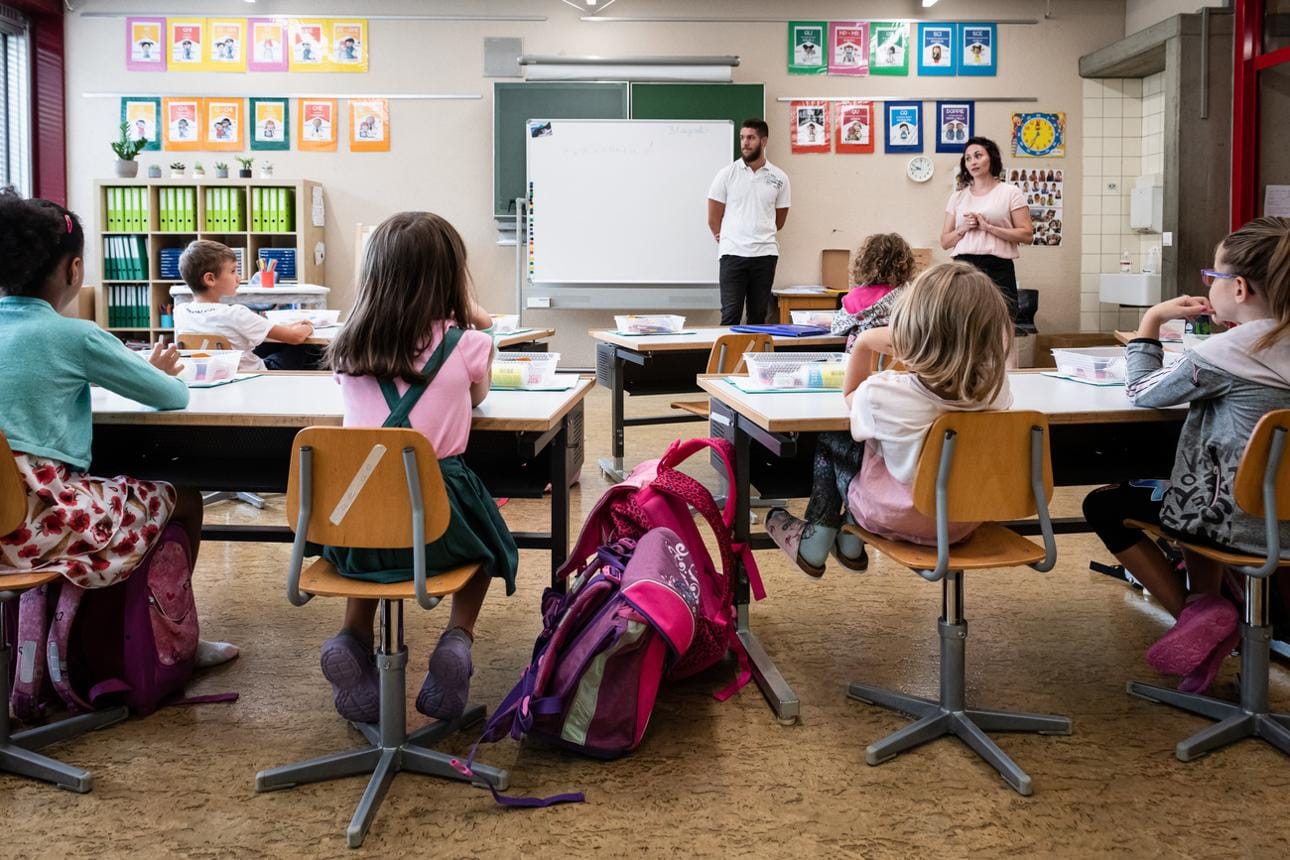
A new nationwide education assessment shows that the majority of primary school pupils in Switzerland are performing well in mathematics and language skills during the early years of schooling.

The study, published by the Swiss Conference of Cantonal Ministers of Education, evaluated around 20,000 pupils in 2024 who were in the fourth year of HarmoS schooling, equivalent to the second grade of primary school.

According to the results, 87% of pupils achieved the expected national standards in oral comprehension, while 79% met reading comprehension goals and 76% reached the required level in mathematics.

Christophe Darbellay, president of the education ministers’ conference, described the findings as a positive sign for Switzerland’s long-term education reforms.

He stated that the core purpose of school education remains teaching children how to read, write, and calculate effectively.

The assessment also revealed that there are no major performance differences between Swiss cantons, highlighting the success of efforts to harmonise education standards across the country over the past two decades.

However, the report also identified significant inequalities linked to social background. Pupils from disadvantaged households, especially those with migrant backgrounds and foreign languages spoken at home, performed notably lower than students from more advantaged families.

Researchers found that children facing multiple social and linguistic disadvantages reached national learning targets only around half the time, while students from wealthier or more stable backgrounds achieved success rates close to 90%.

The findings suggest that while Swiss schools are effective at teaching foundational skills during early education, maintaining strong academic performance as students grow older remains a major challenge.

The report also contrasts with previous studies showing weaker academic outcomes among older students, particularly in spelling and language skills at the end of compulsory schooling.

Xhaka Named in Fourth Switzerland World Cup Squad.

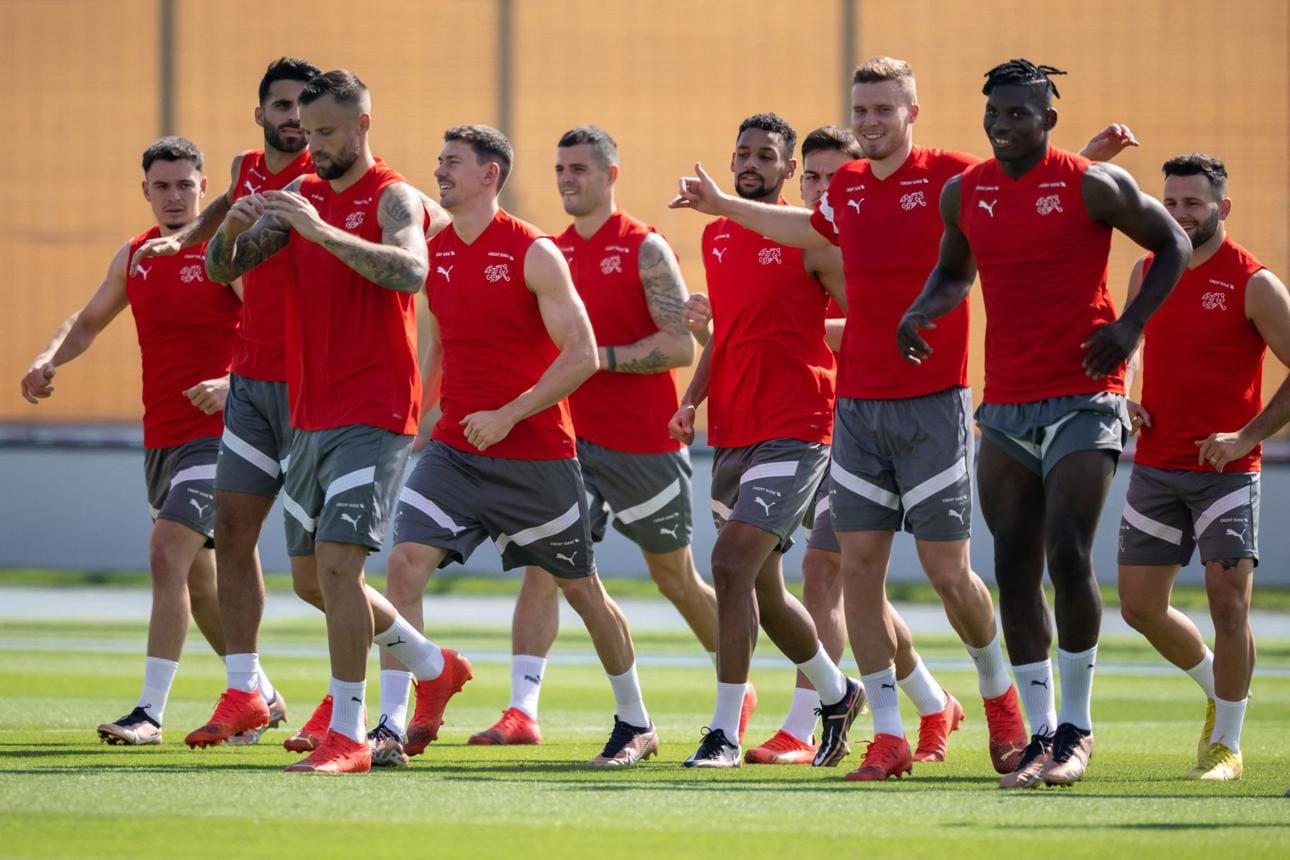
Granit Xhaka has been selected for his fourth FIFA World Cup squad as Switzerland national football team prepares for the upcoming international tournament.

The experienced midfielder will add to his impressive international career tally of 136 caps as Switzerland aims to make a strong impact on the world stage.

The squad announcement also included several surprise decisions. Alvyn Sanches and Joel Monteiro were left out despite being part of Switzerland’s recent friendly matches against Germany and Norway earlier this year.

Meanwhile, Christian Fassnacht earned a place in the squad after finishing as the top scorer in the Swiss Super League with 18 goals for BSC Young Boys.

Cedric Itten also secured selection despite experiencing relegation with German side Fortuna Düsseldorf.

Switzerland will begin tournament preparations on Monday with friendly matches against Jordan in St. Gallen on May 31 and Australia in San Diego on June 6.

The Swiss team will open their Group B campaign against Qatar national football team in Santa Clara on June 13, before facing Bosnia-Herzegovina and Canada in the following group-stage fixtures.

Gotthard Rail Tunnel Upgrade Costs Rise.

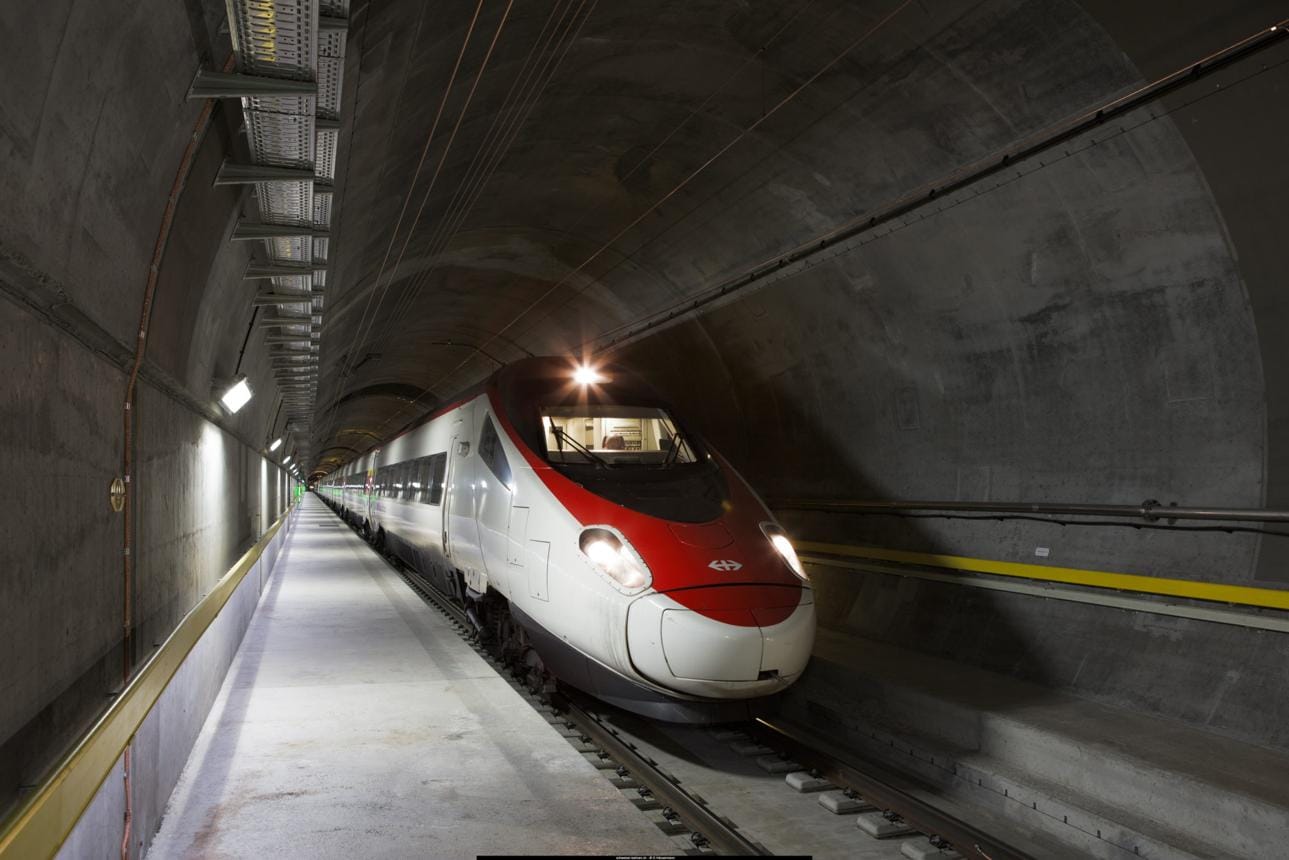
Renovation work at Switzerland’s Gotthard Base Tunnel could become significantly more expensive due to delays in replacing the tunnel’s aging radio communication system.

According to reports, the upgrade project has encountered major setbacks linked to technical and organisational problems involving external suppliers, as well as the difficulty of accessing sections of the tunnel for maintenance work.

The communication system plays a vital role in tunnel operations. It allows train drivers to communicate with control centres and other trains while also enabling passengers to access mobile phone and internet services deep inside the Gotthard mountain corridor.

The system was originally scheduled for replacement during planned maintenance work between 2024 and 2026. However, the project has fallen behind schedule, raising concerns about additional infrastructure costs.

As a result of the delays, Swiss Federal Railways (SBB) must reportedly extend existing operational contracts for at least two more years, with a possibility of extending them further up to six years.

The maximum projected additional cost is expected to exceed CHF4.6 million, although railway officials noted that some operational expenses would have been necessary regardless of the delays.

Reports also suggest that authorities are considering abandoning the current replacement project entirely as an alternative solution.

The Gotthard Base Tunnel is one of the world’s most important rail infrastructure projects and serves as a key transport corridor linking northern and southern Europe through Switzerland.

Zurich Riots Leave Police Officer Injured.

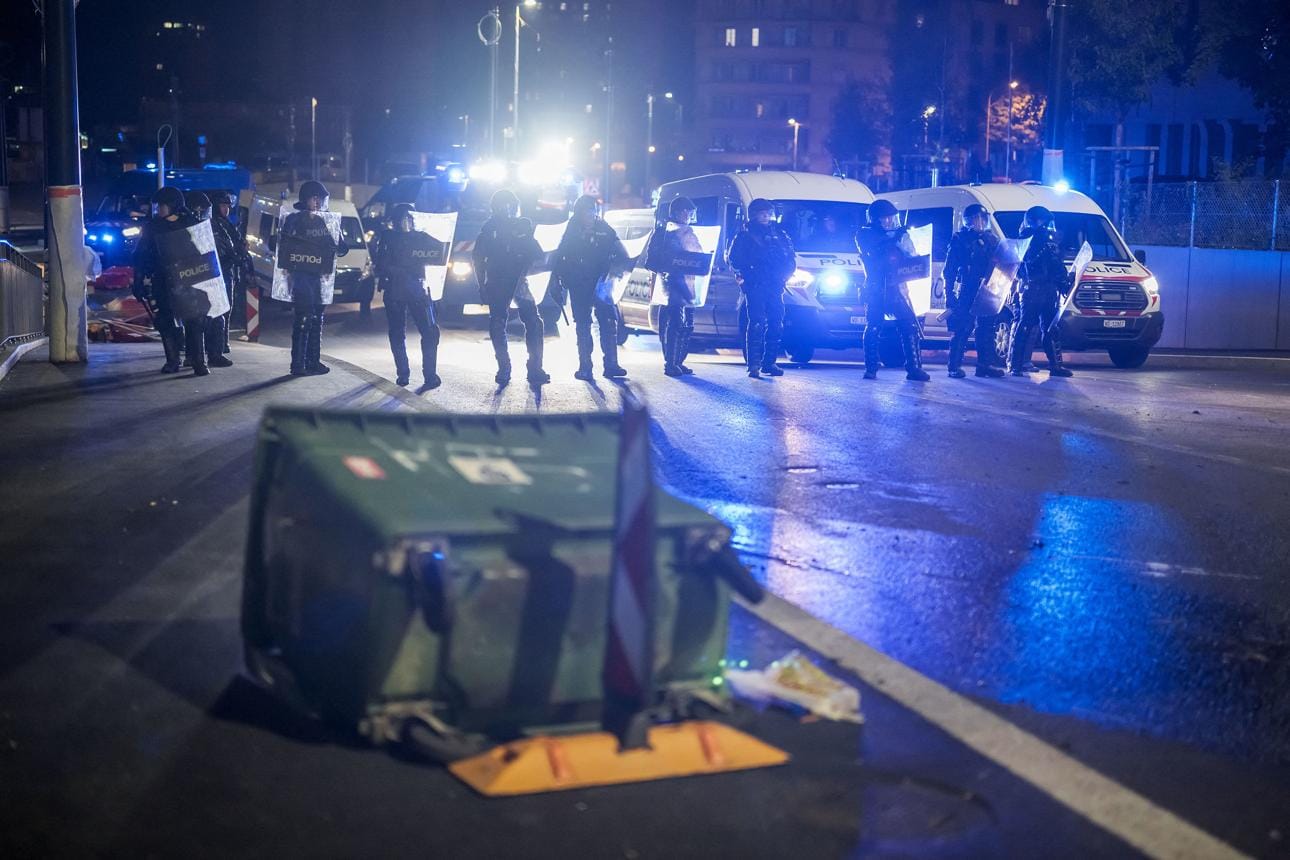
A police officer was slightly injured during overnight unrest in Zurich after officers came under attack from a large group during a disturbance that escalated into violent clashes.

According to Swiss police, officers responded to reports of excessive noise shortly after 2:30am on Sunday. When a patrol arrived at the scene, individuals in the crowd allegedly threw bottles and stones at the police officers.

The situation quickly intensified, forcing officers to temporarily withdraw and request reinforcements. Authorities later used rubber bullets and pepper sprays in an effort to regain control of the area.

Additional police units deployed water cannons and police dogs to disperse and contain the rioters as tensions continued to rise.

During the confrontation, one police officer was struck by an object and sustained minor injuries. A police vehicle was also damaged during the unrest.

Officials stated that the crowd eventually dispersed after police intervention restored order.

The incident has renewed concerns about public safety and violent disturbances during large gatherings in Swiss urban areas, especially during weekend nightlife hours.

Authorities have not yet released information regarding arrests or possible criminal charges linked to the incident.