Switzerland Launches Campaign to Stop Spread of Japanese Beetle

Switzerland has launched a nationwide awareness campaign to slow the spread of the invasive Japanese Beetle, which continues to threaten agriculture, plants, and ecosystems across several Swiss regions.

The Federal Office for Agriculture (FOAG) is asking travellers to carefully inspect their vehicles, luggage, and personal belongings when returning from affected regions in Switzerland and neighboring countries.

According to Swiss authorities, the Japanese beetle often spreads unnoticed through cars, trains, freight transport, and travel luggage. Infested areas currently include the entire canton of Ticino, parts of Graubünden and Valais, as well as northern Italian regions including Lombardy and Piedmont.

Swiss officials also reported major beetle infestations in the cantons of Basel and Zurich during 2025.

The awareness campaign will run across north-south transport routes, railway stations, freight terminals, tourist areas in Ticino, and online platforms. Authorities say public cooperation is now essential to slowing the insect’s spread.

Experts warn that while complete eradication is no longer possible in some affected regions, containment measures have successfully reduced the speed of expansion. Slowing the spread remains critical to protecting agricultural land and ecosystems north of the Alps where the beetle is still relatively rare.

The Japanese beetle is considered highly destructive because it feeds on hundreds of plant species, including crops, fruit trees, flowers, and grasslands.

Switzerland Could Face Major Worker Shortages Under Anti-Immigration Proposal

Switzerland could face severe labour shortages if voters approve the proposed anti-immigration initiative, according to new economic and demographic studies.

Experts warn that Switzerland may experience a shortage of tens of thousands of workers in the coming years due to an aging population, low birth rates, and increasing retirements. Immigration currently plays a key role in filling positions across healthcare, construction, technology, hospitality, and manufacturing sectors.

Research estimates suggest the country could face a workforce shortage ranging between 87,000 and 245,000 employees depending on future immigration policies and economic conditions.

Swiss businesses and economic analysts say restricting immigration could place additional pressure on the labour market and slow economic growth. Many industries already struggle to recruit qualified workers, especially in highly skilled professions.

Supporters of the anti-immigration proposal argue that stricter migration controls would reduce pressure on housing, transportation, and public services. However, critics believe the measure could weaken Switzerland’s economy and create long-term workforce challenges.

Economists say foreign workers remain essential to maintaining Switzerland’s healthcare system, public infrastructure, and business operations. The debate over immigration continues to be one of the country’s most important political and economic discussions in 2026.

Direct Train Between Switzerland and London Moves Closer to Reality

Plans for a direct train connection between Switzerland and London have taken an important step forward after a new agreement was signed between Swiss Federal Railways, SNCF Voyageurs, and Eurostar.

Swiss Federal Railways (SBB) confirmed that a memorandum of understanding (MoU) has now been signed with the French rail operators to support the future development of a direct Switzerland-to-London rail service.

The agreement follows an earlier cooperation deal signed in March between SBB and SNCF Voyageurs. Railway officials described the newly signed MoU as a major milestone for the international transport project.

According to Swiss Federal Railways, the next phase will focus on studying possible timetables, operational concepts, and technical requirements needed to launch the direct train service.

Any future direct rail connection between Switzerland and London would travel through France before crossing the English Channel using Eurostar’s existing infrastructure. Eurostar has operated international rail services between continental Europe and the United Kingdom for more than 30 years.

Transport experts believe the proposed route could provide a faster, greener, and more convenient alternative to short-haul flights between Switzerland and the UK. The project also supports Europe’s growing focus on sustainable travel and environmentally friendly transportation systems.

Although no official launch date has been announced, the latest agreement brings the long-discussed Switzerland-London direct rail connection one step closer to becoming a reality.

Scientists Trigger Controlled Quakes Beneath the Swiss Alps

Researchers in Switzerland have successfully triggered thousands of tiny controlled earthquakes beneath the Swiss Alps as part of a groundbreaking scientific experiment aimed at improving earthquake research and reducing future seismic risks.

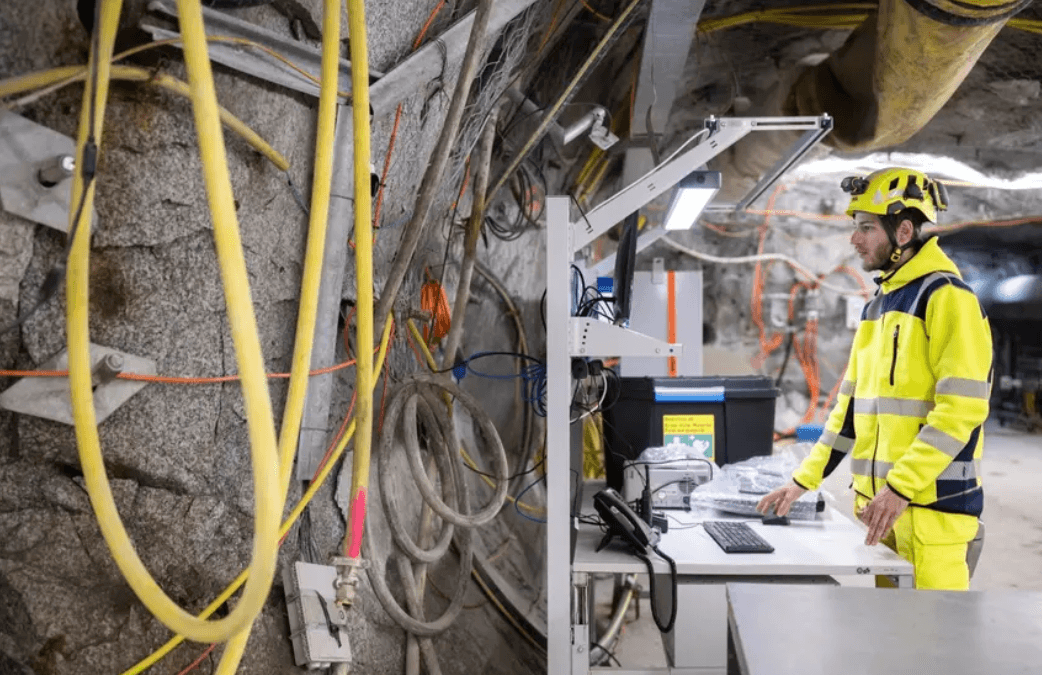
The project took place deep underground inside the ETH Zurich research facility known as BedrettoLab. Scientists conducted the experiment inside a 5.2-kilometre ventilation tunnel connected to the Furka railway tunnel in southern Switzerland.

Leading geologist Domenico Giardini described the experiment as a major success. Researchers intentionally created controlled seismic activity to better understand how the Earth behaves deep below the surface when tectonic movement occurs.

According to scientists, the experiment generated thousands of very small earthquakes in a fully monitored environment. Advanced sensors and monitoring systems allowed researchers to study underground rock movements, pressure changes, and seismic reactions in real time.

Experts believe the findings could help improve earthquake prediction models, underground construction safety, geothermal energy projects, and seismic risk management in the future.

The BedrettoLab research centre has become one of Europe’s leading underground laboratories for studying seismic activity and Earth science technology. Scientists say controlled experiments like this could provide valuable information about natural earthquakes and help protect communities in earthquake-prone regions.

Switzerland Faces Labour & Energy Concerns

Switzerland could face a serious labour shortage if the proposed anti-immigration initiative is approved in the upcoming national vote, according to a new demographic study. Researchers warn that the Swiss labour market may lose tens of thousands of workers in the coming years due to low birth rates and increasing retirements. Estimates suggest the country could face a shortage ranging from 87,000 to 245,000 workers depending on future immigration levels.

At the same time, concerns are growing over rising electricity prices linked to the ongoing conflict involving Iran. Swiss energy authorities warn that disruptions in global gas supplies and the Strait of Hormuz could impact Europe’s energy market and increase electricity costs in Switzerland, especially during winter. Experts say low gas reserves in Europe may create additional pressure on energy supply stability.

New figures also reveal details about Switzerland’s middle class. According to the Federal Statistical Office, more than 55% of the Swiss population belongs to the middle-income category. The latest report highlights the wide income range required to qualify as middle class in Switzerland due to the country’s high cost of living.

Prison Population in Switzerland Reaches Record High in 2026

Switzerland has recorded its highest-ever prison population at the beginning of 2026, according to newly released figures from the Federal Statistical Office (FSO).

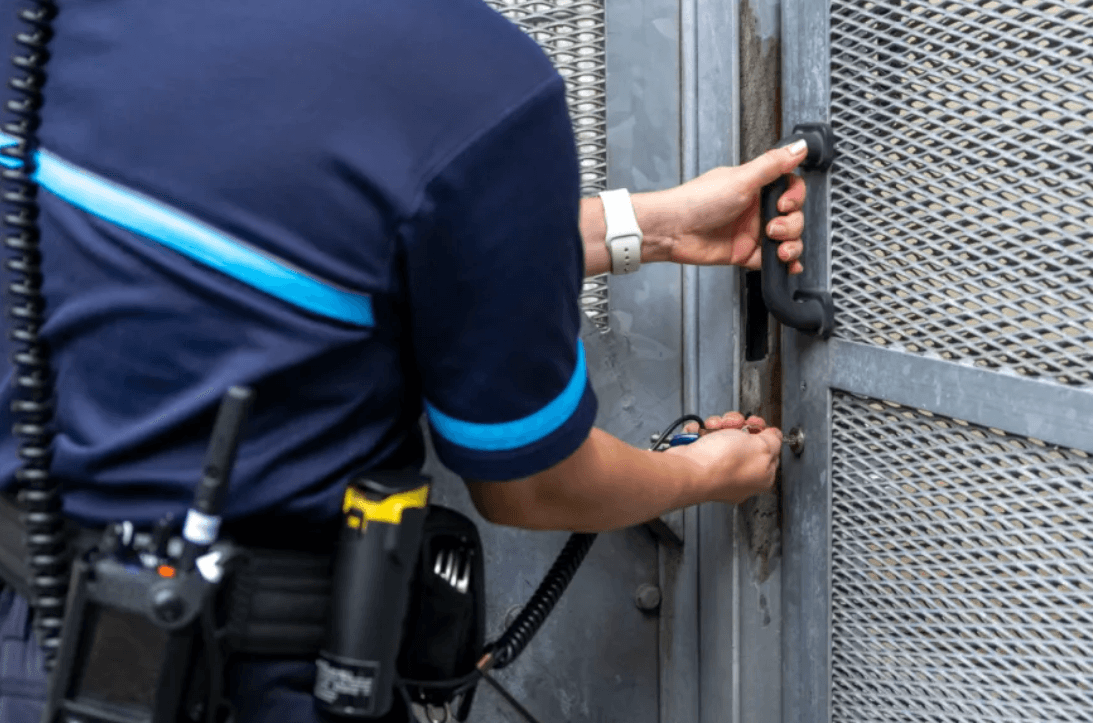
As of January 31, 2026, a total of 7,119 people were being held in Swiss correctional facilities, marking the highest number since official records began. The sharp increase pushed the nationwide prison occupancy rate to 97%, raising concerns about pressure on the country’s detention system.

Among the inmates, around 63% were serving prison sentences or court-ordered measures, while 31% were being held in pretrial detention or for security-related reasons. The remaining 6% were imprisoned under other legal circumstances.

The latest data also revealed that the number of short-term unsuspended prison sentences has dropped to an all-time low, showing a shift in Switzerland’s criminal justice approach toward alternative penalties and legal measures.

According to the Federal Statistical Office, 111,962 adult criminal convictions were entered into the Swiss criminal record system last year. More than half of these convictions were related to road traffic violations.

Legal experts say the growing prison population may increase discussions about prison capacity, rehabilitation programs, and long-term criminal justice reforms in Switzerland.

Axpo Proposes Gas Power Plants to Secure Switzerland Electricity Supply

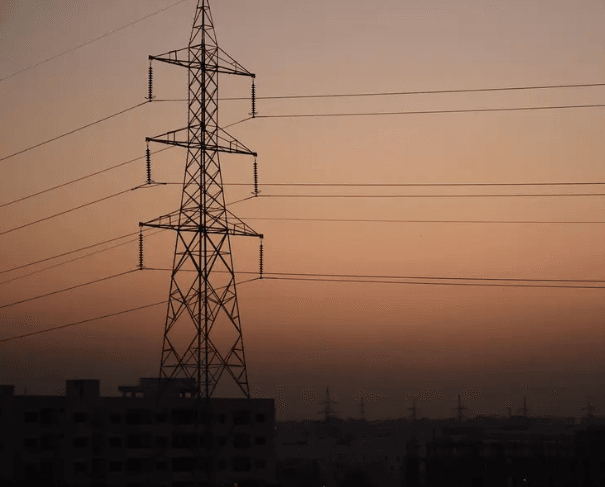
Axpo, one of Switzerland’s leading electricity producers, has proposed the construction of three to four gas-fired power plants to strengthen the country’s energy security.

According to Axpo Chair Thomas Sieber, Switzerland needs a balanced energy strategy that combines hydropower, renewable energy sources, and flexible gas-fired power plants to ensure a stable electricity supply, especially during winter months.

Sieber explained that gas-fired power plants offer a major advantage because they can be built relatively quickly and provide flexibility to support the national grid during peak demand periods. However, he emphasized that legal adjustments and supportive policies will be required to enable their construction.

At the same time, Switzerland continues to rely heavily on nuclear energy as a key part of its electricity system. The continued operation of existing nuclear power plants is considered essential for maintaining supply stability.

Axpo estimates that nuclear plants in Gösgen Nuclear Power Plant and Leibstadt Nuclear Power Plant could continue operating for up to 80 years with proper maintenance and approvals.

A critical decision regarding the future of the Gösgen nuclear plant must be made by 2029. If no extension is approved, it may be disconnected from the grid as originally planned.

Energy experts say Switzerland is focusing on a long-term strategy that balances renewable energy expansion with reliable backup sources to ensure energy security in the coming decades.

Switzerland Plans Health Insurance Franchise Increase.

Switzerland is currently discussing a new proposal to increase the minimum health insurance franchise amount from CHF 300 to CHF 400.

The proposed change has sparked nationwide attention as healthcare costs continue to rise across the country.

In Switzerland, the franchise system requires individuals to pay a fixed amount of their medical expenses each year before health insurance coverage begins.

At present, the minimum franchise stands at CHF 300. Under the new proposal, the minimum contribution could increase to CHF 400.

Swiss authorities say the planned change aims to encourage people to reduce unnecessary medical visits and healthcare expenses.

Officials believe the increase may help lower pressure on the national healthcare system and reduce overall insurance costs in the long term.

However, the proposal has also raised concerns among residents, especially middle-income families and elderly citizens who already face rising living expenses.

Critics argue that increasing the franchise amount could create additional financial pressure for people who regularly require medical treatment.

Government discussions and public consultations regarding the proposed law are currently ongoing. According to reports, the final decision is expected later this year depending on public response and political support.

The healthcare insurance system remains one of the most important economic and social topics in Switzerland, with many residents closely following any possible changes that may affect their monthly expenses and medical access.

Housing Prices Continue to Rise Across Switzerland in 2026

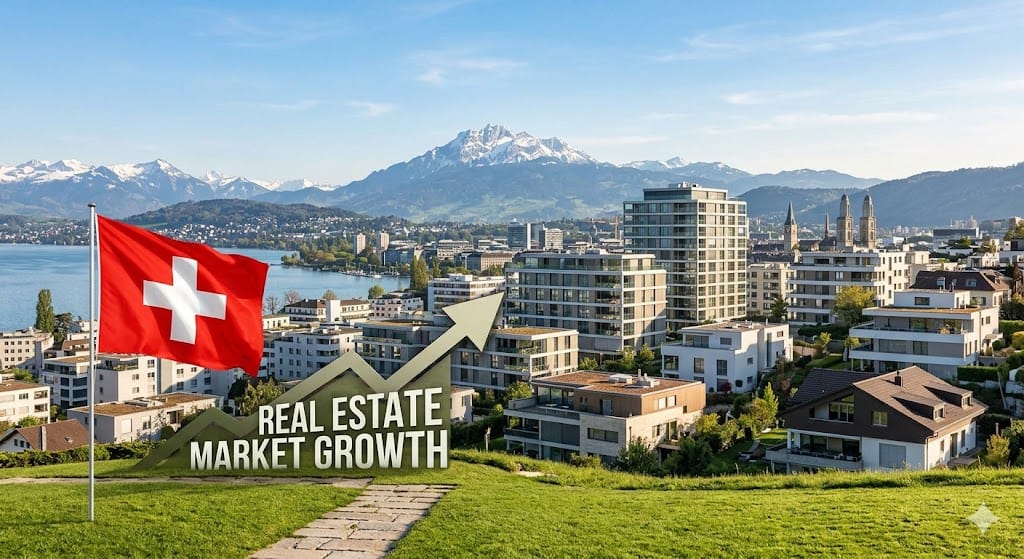
Housing prices in Switzerland continue to increase steadily in 2026, with major cities such as Zurich, Geneva, and Lausanne experiencing significant price growth in the property market.

According to recent 2026 housing market data, apartment prices across Switzerland have increased by nearly 4% annually, while prices for individual houses have risen by around 3%. Real estate experts say strong demand and limited housing supply continue to push prices higher across the country.

Property demand remains especially high in Zurich and other large urban areas. However, the pace of new housing construction has not matched the growing population and demand, creating pressure on the Swiss housing market.

Several major factors continue to drive the increase in Swiss housing prices. Rising immigration, limited construction of new homes, and low interest rates have contributed to higher demand for residential properties. Switzerland’s reputation as a safe and stable investment destination has also attracted both local and international investors.

Economic experts additionally point to Switzerland’s high salaries and strong employment opportunities as reasons why many foreign workers continue to move to the country. This growing workforce further increases demand for housing in major Swiss cities.

The continued rise in property prices has become an important topic among residents, investors, and policymakers. Many people are now concerned about long-term housing affordability, especially for middle-income families and first-time home buyers in Switzerland.

Blue Moon and Meteor Shower to Light Up the Sky This May

Skywatchers and astronomy enthusiasts are preparing to witness two rare celestial events this May, including the appearance of a Blue Moon and a spectacular meteor shower.

A Blue Moon usually occurs when two full moons appear within the same calendar month. The second full moon is traditionally called a “Blue Moon,” making it a rare and special astronomical event. Since a full moon already appeared on May 1, another full moon is expected to brighten the night sky again on May 31.

People will be able to observe this beautiful phenomenon with the naked eye without needing any special equipment. Astronomy lovers around the world are eagerly waiting to capture photographs and enjoy the glowing full moon during the late-night hours.

In addition to the Blue Moon, a stunning meteor shower is also expected to appear in the sky this month. During a meteor shower, several meteors travel across the night sky at high speed, creating bright streaks of light that resemble falling stars.

Astronomers say the occurrence of both a Blue Moon and a meteor shower within the same month makes May an exciting period for stargazers and space enthusiasts. Social media users and photographers are already discussing the best viewing locations and times for these rare cosmic events.

Experts recommend observing the sky from areas with low light pollution to enjoy the clearest possible view of the celestial display.