Switzerland Joins Rhine Transport Network.

The agreement was finalized through the signing of the European Corridor Management Agreement (ECMA) by Port of Switzerland (SRH) during a meeting of the European River Information Services (EuRIS) in Basel.

The EuRIS platform provides real-time shipping information including traffic conditions, waiting times, route disruptions, and navigation updates. Swiss authorities say the move will improve coordination and logistics efficiency across the Rhine corridor.

With Switzerland’s participation, all sections of the Rhine River are now integrated into the European system, creating more complete cross-border transport monitoring for commercial shipping operators.

Swiss waterway data is expected to become available on the platform in the coming months. The EuRIS system was launched in 2022 and currently connects over 29,500 kilometres of European waterways across 13 countries.

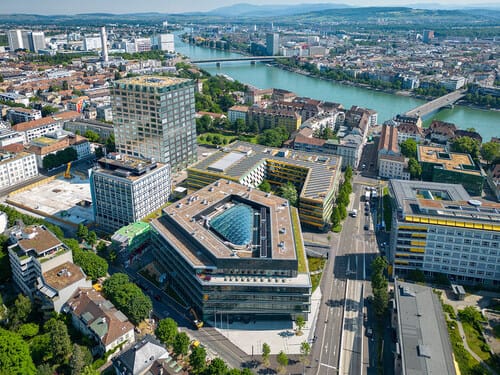
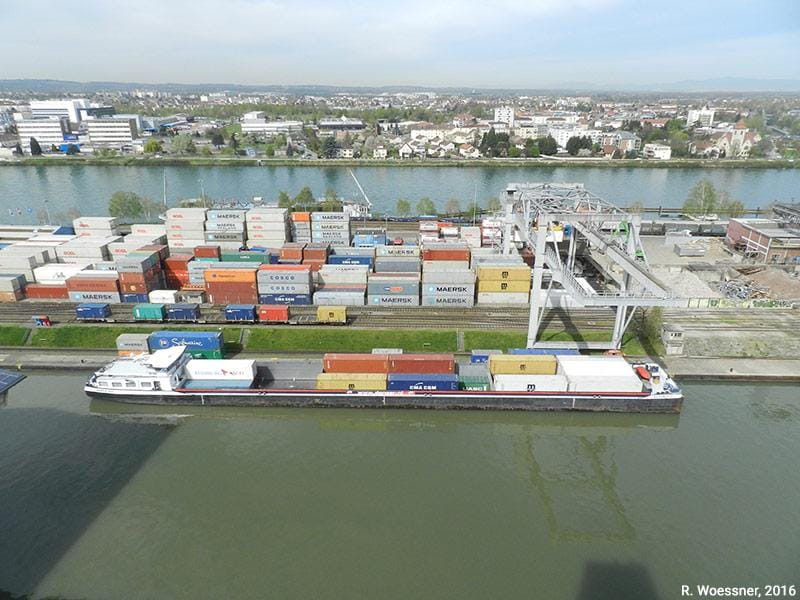
Switzerland’s three Rhine ports with direct access to the sea are located in Basel, Birsfelden, and Muttenz. These ports play a major role in the country’s freight transport infrastructure.

According to the SRH, around 80 port companies rely on the Rhine ports to manage goods transport by rail and road, as well as storage and logistics operations.

In addition to infrastructure management, Swiss Rhine authorities are responsible for overseeing navigation safety and ensuring compliance with both national and international shipping regulations.

The agreement highlights Switzerland’s growing integration into European transport coordination systems and reinforces the importance of the Rhine as a strategic trade route for the continent.


Switzerland Launches Campaign to Stop Spread of Japanese Beetle

Switzerland has launched a nationwide awareness campaign to slow the spread of the invasive Japanese Beetle, which continues to threaten agriculture, plants, and ecosystems across several Swiss regions.

The Federal Office for Agriculture (FOAG) is asking travellers to carefully inspect their vehicles, luggage, and personal belongings when returning from affected regions in Switzerland and neighboring countries.

According to Swiss authorities, the Japanese beetle often spreads unnoticed through cars, trains, freight transport, and travel luggage. Infested areas currently include the entire canton of Ticino, parts of Graubünden and Valais, as well as northern Italian regions including Lombardy and Piedmont.

Swiss officials also reported major beetle infestations in the cantons of Basel and Zurich during 2025.

The awareness campaign will run across north-south transport routes, railway stations, freight terminals, tourist areas in Ticino, and online platforms. Authorities say public cooperation is now essential to slowing the insect’s spread.

Experts warn that while complete eradication is no longer possible in some affected regions, containment measures have successfully reduced the speed of expansion. Slowing the spread remains critical to protecting agricultural land and ecosystems north of the Alps where the beetle is still relatively rare.

The Japanese beetle is considered highly destructive because it feeds on hundreds of plant species, including crops, fruit trees, flowers, and grasslands.

Russian Exiles Warn of Kremlin Victory Day Propaganda in Switzerland.

Russian exile groups in Switzerland have warned that upcoming Victory Day events linked to Russia may be used to spread Kremlin propaganda and political influence across Europe.

The concerns focus on “Immortal Regiment” rallies scheduled to take place in Geneva and Basel during Russia’s Victory Day commemorations.

According to the exile organization Russia of the Future – Switzerland, the original remembrance movement has been transformed into a political tool connected to Russian state messaging.

The group stated that what initially began as a civil society initiative to honor relatives who died during the Second World War has now been “completely appropriated by the Kremlin.”

Exiled activists argue that the events are increasingly being used to justify Russia’s actions in Ukraine and promote narratives aligned with Russian state ideology.

The association further warned that some participants often display symbols such as the St George’s Ribbon, which critics say has become associated with Russian military aggression and the war in Ukraine.

The debate highlights growing concerns across Europe regarding foreign influence operations, political symbolism, and propaganda activities linked to geopolitical conflicts.

Switzerland has faced increasing scrutiny in recent years over misinformation campaigns, cyber threats, and international political influence activities connected to the ongoing tensions between Russia and Western nations.

Authorities have not announced any bans on the planned gatherings, but security and political discussions surrounding such events continue to intensify throughout Europe.

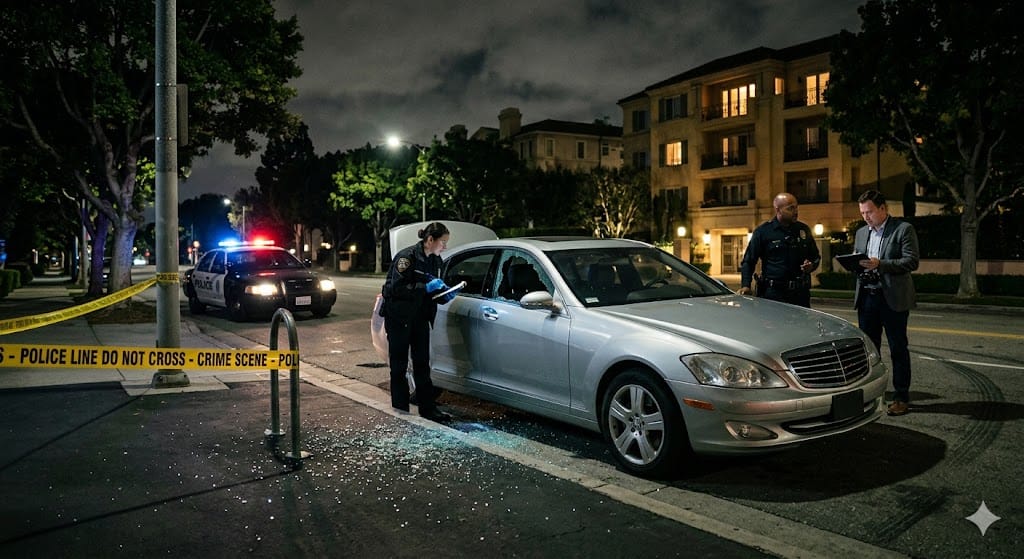
Luxury Car Theft Surges Across Switzerland.

Luxury car theft is rising sharply across Switzerland, with new data highlighting a growing concern for vehicle owners and insurers. According to AXA, the number of reported car theft cases has increased significantly in recent years.

In 2025 alone, nearly 400 vehicle theft cases were reported to AXA. The total financial damage reached approximately CHF 5 million, almost double the losses recorded before the pandemic.

The average cost per car theft has also increased. In 2025, each case resulted in an average loss of around CHF 14,000, marking a steady rise over the past decade. Experts note that the average damage value has increased by about CHF 4,000 over the last ten years.

Certain regions have been more affected than others. The cantons of Geneva, Vaud, and Basel City reported the highest number of car theft cases. Ticino also recorded above-average incidents over the past decade.

In contrast, regions such as Obwalden and Glarus reported the lowest rates of vehicle theft.

Experts suggest that proximity to international borders plays a key role in these trends. Organized criminal groups are increasingly targeting high-value vehicles and transporting them خارج the country. Urban areas, with higher vehicle density, also provide more opportunities for theft.

Insurance officials warn that the trend could continue if preventive measures are not strengthened. Vehicle owners are advised to use enhanced security systems and remain vigilant, especially in high-risk regions.

Basel Life Sciences Hub Partners with Korean Biopharmas

The Basel Area is strengthening its global position as a leading biotech hub through a new partnership with major South Korean biopharma organizations. Basel Area Business & Innovation announced a strategic collaboration aimed at helping Korean biotech companies expand into international markets.

The initiative brings together key partners including Roche Korea, Korea Health Industry Development Institute, and Korea Technology Finance Corporation. The collaboration focuses on accelerating growth opportunities for high-potential biopharma companies, particularly targeting expansion into the United States and other global markets.

Officials described the partnership as a new model of international ecosystem building. It combines market access, industry expertise, and funding support to create faster pathways for innovation-driven companies. The program will officially launch in May 2026 as a joint open innovation initiative.

Each partner will play a distinct role in the program. Roche Korea will lead company selection and explore opportunities for mentorship and collaboration. KHIDI will identify promising companies and support program operations, while KIBO will evaluate participants and facilitate access to financing. Meanwhile, Basel Area Business & Innovation will connect selected firms with infrastructure and networks within the region.

The collaboration will also provide access to the Switzerland Innovation Park Basel Area, one of Europe’s most concentrated life sciences ecosystems. This infrastructure offers startups and scaleups the resources needed to grow rapidly in a competitive global environment.

Industry leaders emphasized that innovation is increasingly global, and partnerships like this help bridge regions. By linking Korean biotech innovators with Basel’s established ecosystem, the initiative aims to accelerate breakthroughs and strengthen international cooperation.

The program is expected to evolve into a flagship initiative, deepening ties between South Korea and global biotech markets while positioning Basel as a gateway for life sciences innovation.