

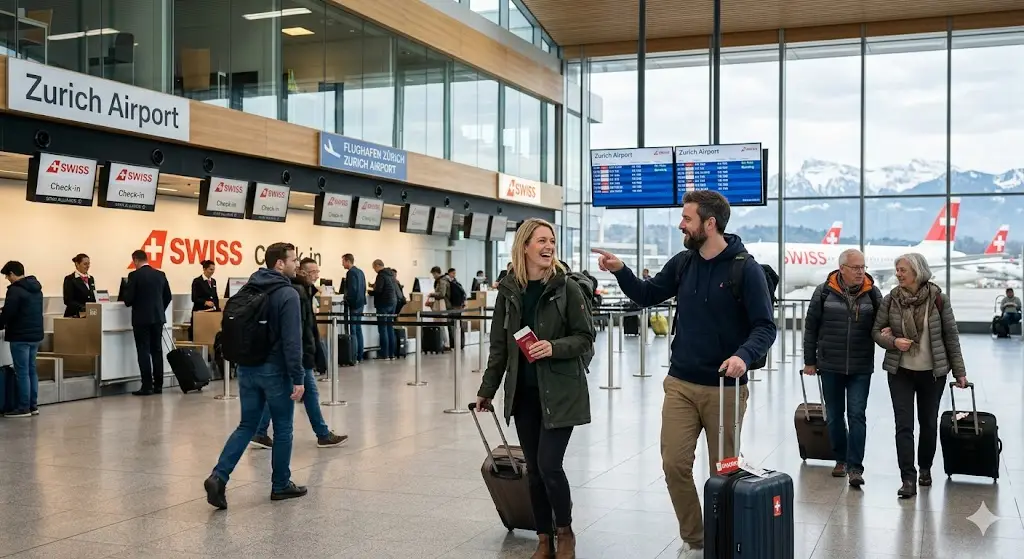
Middle East War Expected to Affect Swiss Tourism Industry.

The ongoing conflict in the Middle East is expected to negatively impact the tourism sector in Switzerland, according to Switzerland Tourism.

Tourism officials warned that the war could lead to a moderate decline in overnight hotel stays this year, although demand during the summer season is expected to remain relatively stable.

The Swiss hotel industry recorded a noticeable slowdown in March, with overnight stays falling by 5.2% compared to the same period last year. However, Switzerland Tourism explained that the decline was not caused solely by the conflict but also by calendar-related factors.

One major reason was the timing of school winter holidays. In 2026, winter vacations in many European regions ended in February, while several major markets, including Germany, had holidays extending into March during the previous year.

Despite the uncertainty, many tourism operators remain optimistic about the upcoming summer season. Industry experts expect stable demand from domestic travelers and visitors from neighboring European countries.

The trend toward “nearshoring” — where tourists prefer destinations closer to home — is continuing to support Switzerland’s tourism sector amid global instability.

Interestingly, Switzerland also recorded a surprising rebound in visitors from Gulf countries, with arrivals increasing by 7.9%. Tourism officials noted that this was partly due to the timing of Ramadan, which fell in March 2025 and traditionally reduces travel activity.

Looking ahead to 2026, Switzerland Tourism predicts a 2–3% decline in overnight stays linked to geopolitical tensions in the Middle East.

However, officials stressed that the current situation is far less severe than the tourism collapse experienced during the COVID-19 pandemic. They described the present slowdown as a market adjustment affecting only certain travel segments.

Tourism experts added that hotels heavily dependent on travelers from affected regions may feel stronger economic pressure, while the broader Swiss tourism industry is expected to remain stable overall.
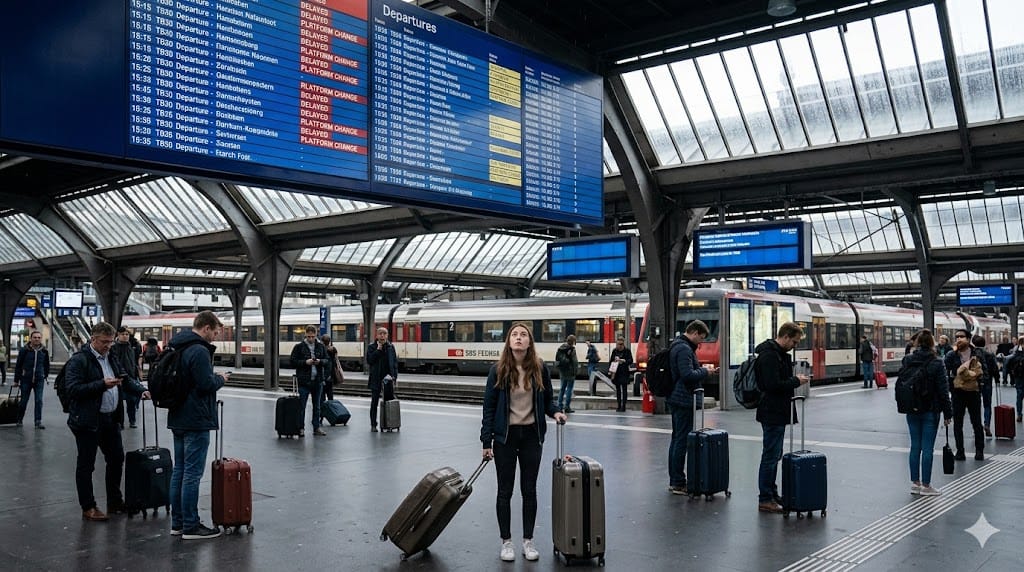
Swiss Travel Safety Concerns Rise in 2026

A new survey reveals that people in Switzerland are becoming increasingly concerned about safety when travelling abroad, even as demand for holidays remains strong.

Despite growing concerns, travel demand continues to recover. The proportion of people reducing or avoiding travel has dropped from 61% last year to 49%, indicating that a majority of Swiss residents still plan to travel abroad.

The survey highlights that political instability and global conflicts are the main factors influencing travel decisions. Around two-thirds of respondents cited these risks, leading to a noticeable shift toward European destinations, while interest in North America has declined.

Travel habits are also evolving. The preference for private cars has decreased significantly—from 67% two years ago to 51% today. Cars are now almost equally preferred alongside airplanes (51%) and trains (50%), reflecting a more balanced approach to transportation.

The study was conducted between February and March, covering more than 1,000 participants across Switzerland’s German-, French-, and Italian-speaking regions, along with additional TCS members.

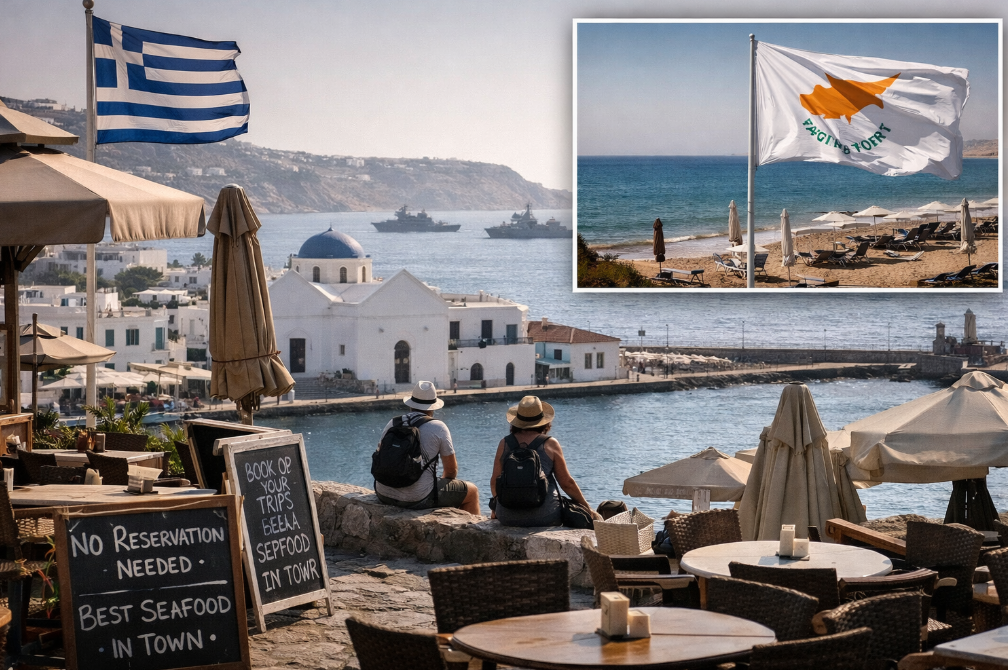
Tourism in Greece and Cyprus Affected by Middle East Conflict

Tourist bookings in Greece and Cyprus have declined ahead of the holiday season due to the ongoing Middle East conflict. While direct risks in Greece remain minimal, uncertainty about rising costs and economic developments has caused concern among hotel operators. In Cyprus, the proximity to the conflict region has intensified the effects, with the hospitality sector reporting stronger impacts. In Athens, industry representatives have observed a noticeable slowdown in reservations.

Many travelers are adopting a cautious approach, waiting to see how the economic situation evolves, according to travel agencies and hoteliers. Greece’s Tourism Minister, Olga Kefalogianni, highlighted the psychological impact of the conflict on tourists in a radio interview. She also emphasized the industry’s experience in managing crises and suggested that Greece could benefit as tourists seek destinations perceived as safe, given its distance from the conflict zone.

Cyprus has introduced a €200 million aid package to mitigate the economic effects of the Middle East crisis. Beginning in April, 30 percent of wages for employees in hotels and accommodations will be covered, supporting businesses preparing for the season amid declining bookings. Additional measures include assistance for airlines to ensure connectivity with key source markets, helping maintain the island’s tourism infrastructure.