
AI Triggers 96,000 Tech Layoffs in 2026.

The rapid expansion of Artificial Intelligence is transforming the global technology industry, with nearly 96,000 employees reportedly losing their jobs in 2026 alone.

Technology companies across the world are increasingly replacing traditional workforce structures with AI-powered systems to improve efficiency, reduce operational costs, and automate tasks previously handled by humans.

Industry reports indicate that many startup IT firms can now perform work previously managed by 250 employees using only around 50 staff members supported by advanced AI tools.

Major technology companies have also accelerated restructuring efforts as artificial intelligence becomes more deeply integrated into business operations.

Meta recently announced plans to reduce approximately 10% of its workforce, affecting nearly 8,000 employees.

The company reportedly confirmed that the layoffs would begin from May 20 and stated that it currently has no plans to refill around 6,000 vacant positions.

Meanwhile, Amazon has reportedly cut nearly 30,000 jobs since October as part of broader operational restructuring and automation strategies.

Experts say companies are increasingly relying on AI systems for coding, customer support, data analysis, marketing automation, and content generation.

The growing adoption of AI technologies has sparked debate across the global workforce, with many professionals expressing concern about job security and the future of traditional employment.

At the same time, technology leaders argue that AI will also create new opportunities in fields such as machine learning, cybersecurity, robotics, and AI system management.

Economists believe the global labour market is entering a major transition period where companies will prioritize digital automation and AI-driven productivity.

As competition intensifies in the tech industry, businesses are expected to continue investing heavily in artificial intelligence to remain competitive in the rapidly evolving digital economy.

Swiss Media Industry Adopts AI Code of Conduct.

The Switzerland media industry has officially adopted a new code of conduct for the responsible use of artificial intelligence in journalism and publishing.

The initiative aims to strengthen public trust in AI technologies while ensuring ethical standards remain central to modern media practices.

According to industry representatives, the framework is based on principles outlined in a Council of Europe convention and is designed to guide media companies in using AI responsibly and transparently.

Andrea Masüger, President of the German-language publishers’ association Schweizer Medien, emphasized the importance of public confidence in journalism.

“Trust is the media’s most precious asset,” Masüger stated while discussing the need for clear ethical standards around AI-generated content and automated technologies.

The new guidelines are expected to address issues such as transparency, accountability, editorial oversight, misinformation risks, and the protection of journalistic integrity.

Media organizations across Europe are increasingly introducing AI policies as artificial intelligence tools become more common in news production, content generation, translation, and audience engagement.

Swiss publishers hope the new code will encourage responsible innovation while maintaining high standards of accuracy, independence, and credibility in the digital media landscape.

The move reflects growing international concern about the impact of AI on journalism, democracy, and public trust in information.

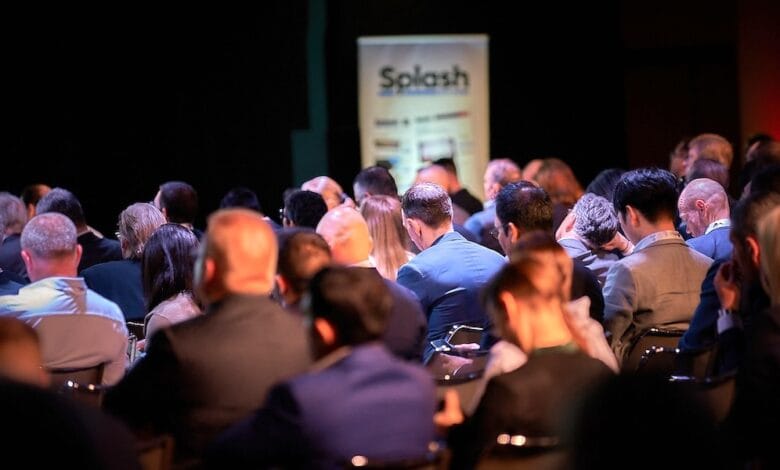
Splash Singapore Set to Debut After Successful Geneva Dry Forum.

After the strong success of Geneva Dry Forum 2026, organisers are preparing to launch a new global shipping conference called Splash Singapore, scheduled for September 24 at the Fairmont Hotel in Singapore.

The event is organised by the team behind maritime news platform Splash and the Geneva Dry forum. It aims to bring senior global shipping leaders together for direct, unscripted discussions on key industry challenges.

A New Style of Maritime Conference

Splash Singapore will follow a unique format with no presentations or sales pitches. Instead, it will focus on open conversations among top industry professionals. The event is supported by the Singapore Maritime Foundation and will feature shipowners, ship managers, and charterers from around the world.

Key Industry Topics

The conference will include several major sessions such as:

  • Global shipping market challenges
  • Tanker and dry bulk sector outlook
  • Future of ship chartering
  • AI and digitalisation in maritime industry
  • Workforce transformation in shipping

A special highlight will be the new “SplashTech Digital Leaders Forum,” focusing on how digital tools and AI are reshaping global shipping operations.

Focus on AI and Maritime Innovation

One of the most anticipated sessions will explore how artificial intelligence and digital systems are transforming shipping efficiency, decision-making, and workforce roles. Industry leaders are expected to debate both the benefits and challenges of rapid digitalisation in maritime operations.

Global Industry Leaders Confirmed

The event will feature CEOs and senior executives from major shipping companies, including leaders from Performance Shipping, Norden, Hafnia, BW Group, Vale, and other global maritime firms. Veteran moderator Tim Huxley will guide discussions, adding expert insight and real-world industry experience.

Strategic Timing in Singapore

The event is strategically scheduled just before the Singapore Shipping Association annual dinner, making it part of a major maritime week in the region. Other global shipping events will also take place during the same period.

Infosys AI Policy: No Layoffs Announced, Employees Relieved.

Infosys has reassured its employees by announcing that the company will not carry out any layoffs despite the rapid rise of Artificial Intelligence (AI) in the IT industry.

Chief Executive Officer and Managing Director Salil Parekh confirmed that Infosys is focusing on hiring and reskilling rather than reducing its workforce. He emphasized that the company aims to leverage AI technology to expand opportunities instead of cutting jobs.

This announcement has brought significant relief to thousands of employees who were worried about job security amid global tech industry layoffs.

Infosys also confirmed that it did not implement any workforce reductions last year and does not anticipate any layoffs in the near future. Instead, the company plans to continue large-scale campus recruitment, aiming to hire around 20,000 fresh graduates this year.

Parekh explained that while entry-level job roles are evolving, AI will expand job opportunities rather than reduce them. He highlighted that the company is actively training engineers to work with AI tools, enabling them to build, evaluate, and improve AI-generated code.

Meanwhile, several global IT companies such as TCS, HCLTech, Oracle, and Cognizant have recently undertaken restructuring and job cuts, raising concerns across the sector.

Despite these trends, Infosys stated that AI currently contributes about 5.5% of its revenue and is growing rapidly. The company expects AI to become a major driver of future growth rather than a threat to employment.