


Swiss Public Opinion Turns More Negative Toward Donald Trump.
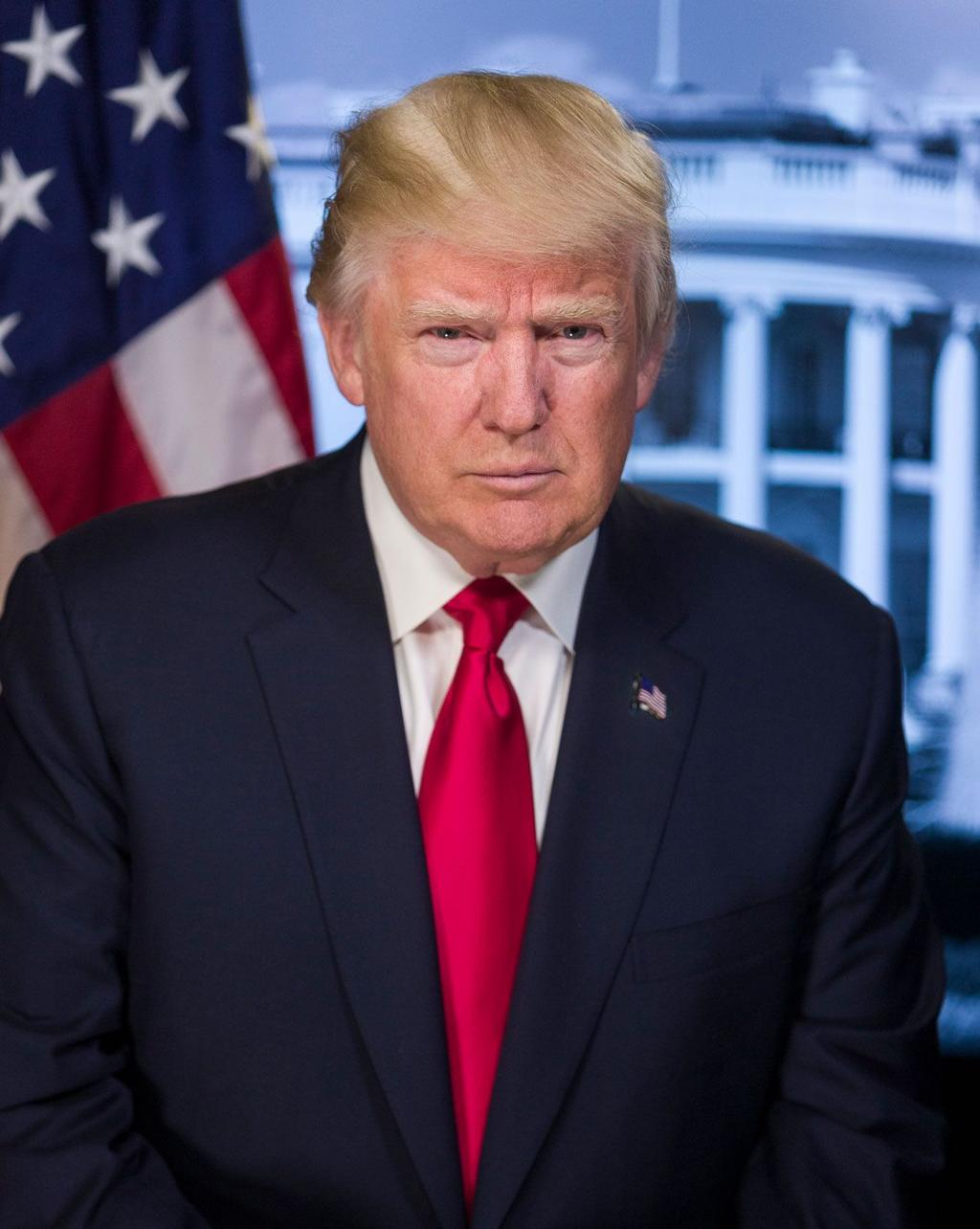
Public opinion in Switzerland toward US President Donald Trump has become increasingly negative, according to a new survey. The findings indicate a clear shift in how Swiss citizens perceive both Trump and the United States.
The survey, conducted in May by the European Council on Foreign Relations (ECFR) in cooperation with Switzerland’s Federal Department of Foreign Affairs (FDFA), shows that 41% of respondents now view Donald Trump as either an “enemy” (26%) or a “rival” (15%).
While 45% of the population still consider the United States an ally or partner, this figure has declined from 53% just six months earlier, indicating a noticeable drop in confidence in US relations.
Among the twelve European countries included in the study, Switzerland recorded the highest level of hostility toward Trump, reflecting growing concerns about US political direction and global influence.
Respondents cited several reasons for this shift in opinion, including Trump’s tariff policies and his repeated criticism of the current international order. These factors have contributed to a more skeptical view of US leadership in global affairs.
The survey also highlights declining trust in the United States as a security partner. Around three-quarters of respondents do not believe the US would provide military assistance to Switzerland in the event of an attack. In contrast, two-thirds believe European Union countries would step in to support Switzerland if necessary.
Public attitudes toward US defense equipment have also changed significantly. About 73% of respondents oppose Switzerland purchasing American weapons, while only 15% support such acquisitions.
Despite this skepticism, the survey shows strong support for increasing cooperation with European defense industries. A majority of respondents believe that Switzerland will increasingly rely on European military equipment in the future.
Overall, the findings reflect a broader shift in Swiss public sentiment, with growing caution toward US foreign policy and increasing alignment with European security perspectives.