University Hospital Zurich Faces Criminal Investigation Over Heart Surgery Cases.

University Hospital Zurich is facing a major criminal investigation after authorities opened inquiries into deaths and medical device incidents linked to its cardiac surgery clinic.

The hospital’s board has filed multiple criminal complaints involving 11 patient deaths and 13 separate cases connected to the use of medical devices. Prosecutors are now examining whether negligence or misconduct contributed to the incidents.

An investigative team from the Zurich public prosecutor’s office has launched formal proceedings focusing on suspected involuntary manslaughter, grievous bodily harm through negligence, and forgery of documents.

The case has intensified public scrutiny over patient safety standards and oversight within one of Switzerland’s leading medical institutions.

Authorities have not yet disclosed detailed information about the specific surgeries or devices involved. However, investigators are reviewing medical records, operational procedures, and documentation linked to the cases.

The scandal has raised concerns about accountability, transparency, and quality control in highly specialized cardiac procedures. Legal experts say the investigation could become one of the country’s most significant healthcare-related criminal cases in recent years.

The University Hospital Zurich has stated that it is cooperating fully with prosecutors as investigations continue.
Baume-Schneider Praises WHO Response to Hantavirus Management

Swiss Interior Minister Elisabeth Baume-Schneider has praised the World Health Organization (WHO) for its ongoing management of the hantavirus response, highlighting the importance of strong international coordination in global health emergencies.

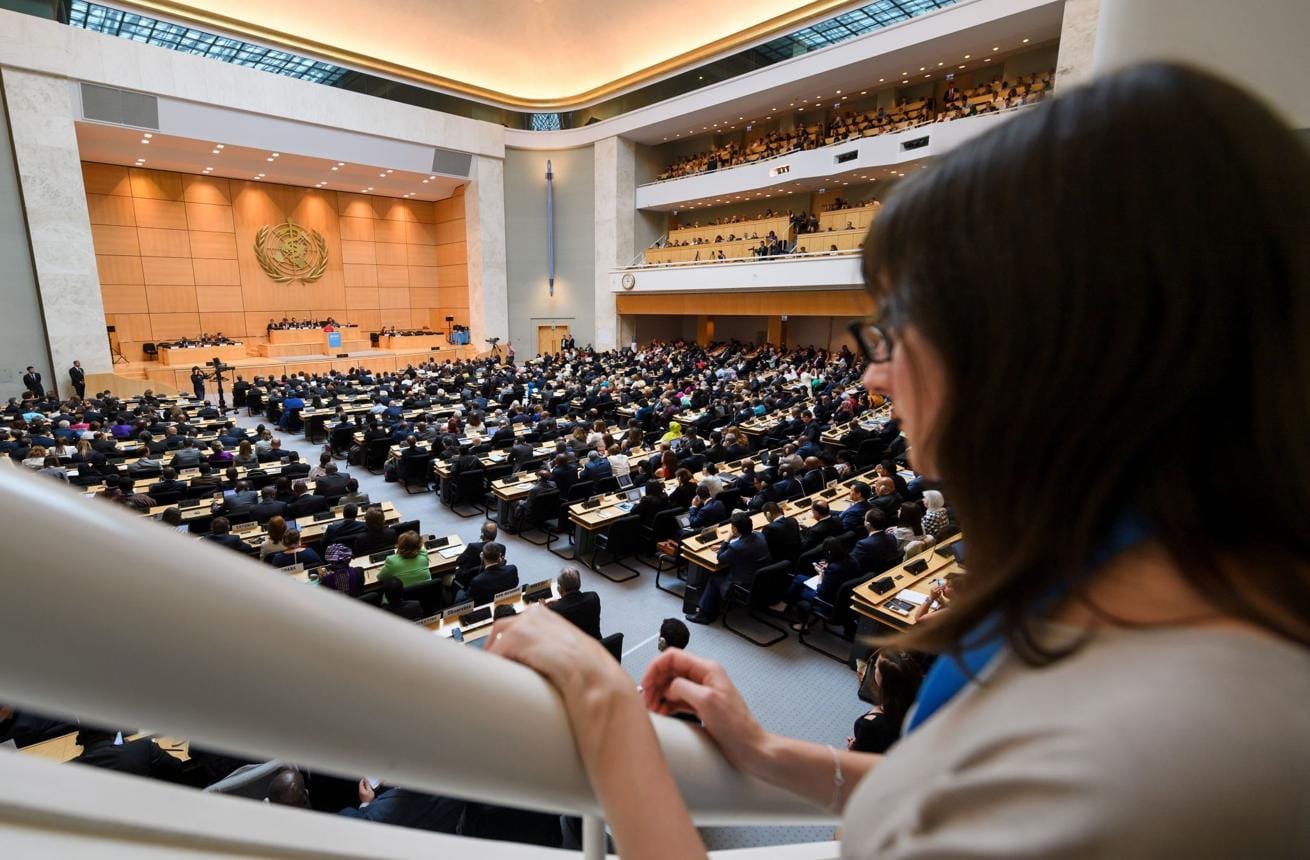
Speaking in Geneva at the start of the World Health Assembly, Baume-Schneider emphasized that the WHO remains “irreplaceable” despite facing financial pressure and workforce reductions in recent years.

She noted that the organization is continuing to play a key role in managing current health threats, including hantavirus and Ebola, even after significant budget cuts and nearly 1,300 job reductions.

Baume-Schneider also called for a more “realistic and functional” global system for sharing information about pathogens and countermeasures during future pandemics.

A key focus of ongoing discussions is the proposed pathogen-related sharing system (PABS), which aims to regulate how countries share biological data and medical resources in the event of outbreaks.

However, member states have yet to reach a consensus on the framework, despite an agreement reached in 2025 aimed at strengthening global pandemic preparedness.

Switzerland has reiterated its support for a practical and enforceable system that ensures clear responsibilities and effective coordination between countries.

The statement comes amid increasing global debate over the role and funding of the WHO, particularly after criticisms and partial withdrawals from some countries.

Swiss Health Insurance Premiums to Rise by 3.7% Next Year, But Slowdown Expected

Switzerland residents will face higher health insurance costs next year, although the increase is expected to be more moderate than in recent years, according to new market forecasts.

A report from comparison platform Comparis predicts an average premium increase of 3.7% for the upcoming year. While this still adds pressure on households, it represents a slowdown compared to the sharp rises seen in previous cycles.

The report explains that health insurers are currently rebuilding financial reserves after years of relatively low premiums and political pressure to keep insurance buffers limited. This restructuring phase has contributed to gradual premium adjustments.

According to Comparis, stronger-than-expected investment returns have helped stabilize the financial position of insurers in the short term. However, the report warns that global economic uncertainty could quickly reverse this stability, as insurers depend heavily on financial market performance to support their reserves.

Health insurance costs remain one of the largest recurring expenses for Swiss households, and even moderate increases can significantly impact household budgets.

The forecast suggests that while the pace of premium growth is slowing, cost pressure in the Swiss healthcare system is unlikely to disappear in the near future.

Authorities and insurers continue to debate long-term reforms aimed at controlling healthcare spending while maintaining high-quality medical services.

USZ CEO Praises Heart Surgery Whistleblower.

Switzerland’s medical sector is facing renewed attention after the CEO of University Hospital Zurich publicly praised a whistleblower who exposed serious irregularities in its heart surgery department.

CEO Monika Jänicke stated that the former surgeon who raised concerns deserves “all our respect,” marking a major shift in tone from earlier institutional responses. The whistleblower, who was previously dismissed from the hospital, had reported concerns about surgical practices and patient safety within the cardiology unit.

The case has drawn widespread public and medical attention after investigations revealed significant concerns about outcomes in the heart surgery clinic. An internal review reportedly identified excess deaths during a specific operational period, raising questions about surgical oversight, patient safety systems, and clinical governance.

According to the findings, the hospital experienced a higher-than-expected mortality rate in heart surgeries between 2016 and 2020. This triggered debates within Switzerland’s healthcare system about accountability, transparency, and how hospitals handle internal complaints from medical professionals.

Weight Loss Drugs May Impact Brain Reward System.

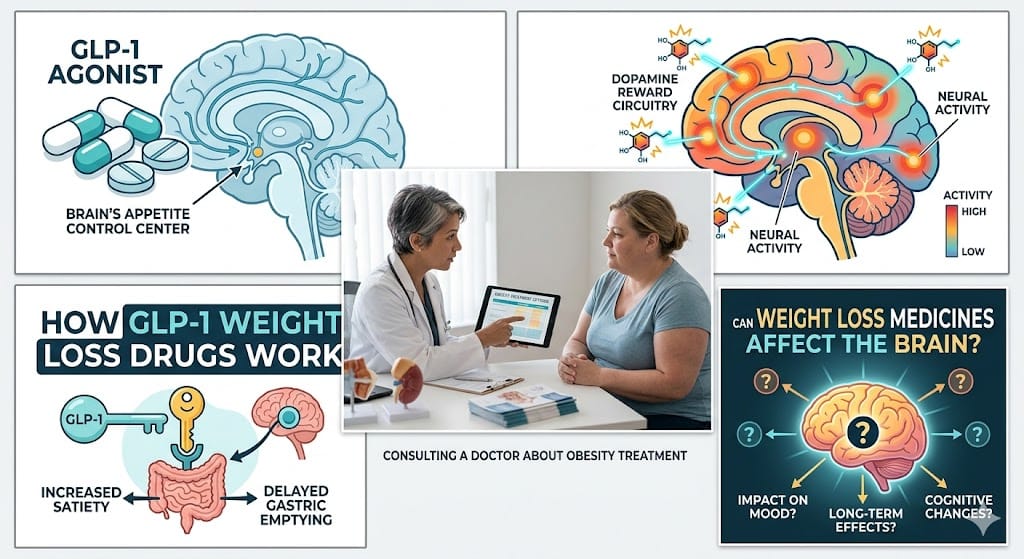
Researchers have raised concerns that new-generation weight loss medications may directly affect the brain’s pleasure and reward system in addition to reducing appetite.

Recent studies on GLP-1 based weight loss drugs suggest that these medications may influence dopamine activity in the brain. Dopamine is a chemical linked to pleasure, motivation, reward, and addictive behavior.

The research, supported by the National Institutes of Health and conducted by scientists at University of Virginia, found that GLP-1 medications may alter how the brain responds to food cravings and reward signals.

Experts say these medicines not only reduce hunger but also decrease cravings for high-calorie foods by affecting brain pathways related to pleasure and satisfaction. Scientists believe this could help people better control overeating and manage obesity more effectively.

However, researchers also warn that altering dopamine-related brain activity could potentially influence emotional responses, addictive behaviors, and feelings of enjoyment. Medical experts stress that further long-term studies are needed to fully understand the neurological impact of these drugs.

Health specialists recommend that people use weight loss medications only under professional medical supervision. Doctors say careful monitoring is important because these treatments may affect both physical and mental health.

GLP-1 based medicines have become increasingly popular worldwide for obesity treatment and diabetes management, but scientists continue to study their broader effects on the human brain and behavior.

Switzerland Imports Record Number of Donor Organs.

Switzerland recorded a record number of imported donor organs in 2025, helping more patients receive life-saving transplants, according to the latest annual report from Swisstransplant.

Last year, 185 deceased individuals donated organs in Switzerland, only slightly below the country’s previous record. However, the number of living kidney and liver donations declined significantly by 16.5%, dropping to 96 cases.

Despite the decrease in donors, Switzerland carried out 643 organ transplants in 2025 — the second-highest number ever recorded in the country and a slight increase compared to the previous year.

Health officials reported notable increases in heart and pancreas transplants during the year.

A major factor behind the rise in transplant procedures was the growing international exchange of donor organs. Switzerland imported a record 69 organs from abroad, meaning nearly one in every eight transplanted organs came from another country.

Lungs were the most commonly imported organs, while Switzerland also exported 25 organs internationally as part of cross-border medical cooperation.

Zurich Hospital Admits Fatal Heart Surgery Failures.

The University Hospital Zurich has confirmed serious medical failures in its cardiac surgery department, following an independent investigation covering the years 2016 to 2020.

The report reveals that between 68 and 74 excess patient deaths may have occurred during this period. Authorities have also identified 11 particularly concerning deaths and 13 cases involving improper use of medical devices, which have been reported to the public prosecutor for further investigation.

Investigators are now examining whether criminal offences were committed, as concerns grow over systemic failures in hospital management and oversight.

According to the findings, the root cause of the issues lies in a major governance breakdown. Former leadership, including cardiac surgery head Francesco Maisano, was appointed in 2014 without sufficient review of qualifications and potential conflicts of interest.

The report also highlights that hospital management at the time failed in its supervisory responsibilities, ignoring warning signs that could have prevented the crisis.

In response to the investigation, three long-standing members of the hospital board have resigned, stating the need for organizational renewal and accountability.

The University Hospital Zurich has issued a formal apology to affected patients and their families and has established a dedicated counselling service to support them.

Despite the scandal, the hospital stated that its cardiac surgery department has since improved under new leadership, with mortality rates returning to normal levels.

To prevent future incidents, the hospital is introducing stricter compliance rules, a conflict-of-interest register, and a whistleblowing system designed to improve transparency and patient safety.

Swiss Government Faces Criticism Over Actions Against Nurses Amid Shortage.

Labor unions in Switzerland have raised concerns over government actions affecting nurses, despite a severe shortage in the healthcare sector. The situation has triggered criticism and growing tension between healthcare workers and authorities.

Switzerland currently faces a shortage of approximately 14,000 nurses. Many hospitals and healthcare facilities struggle to fill vacancies, putting pressure on existing staff and reducing service efficiency.

Nurses have requested a reduction in weekly working hours from 50 to 45 hours. However, the Swiss National Council has rejected this demand. Instead of easing workloads, authorities continue to enforce existing policies, which unions argue worsen working conditions.

The government has also delayed proposals for higher pay on Sundays and public holidays. Officials have indicated that only a 25% increase in pay will apply, disappointing many healthcare workers who expected better compensation.

Labor unions warn that these decisions could deepen the crisis. They argue that failing to support nurses may lead to increased resignations and further shortages in the healthcare system.

The ongoing dispute highlights serious challenges in Switzerland’s healthcare sector. As pressure mounts, the government faces growing calls to take immediate action to support nurses and stabilize the system.