Elderly Care Home Tragedy in Baden: Husband Kills Wife, Attempts Suicide

A shocking domestic violence incident has taken place in Baden, where an elderly man allegedly killed his wife inside a care home and later attempted to take his own life.

The incident occurred on Sunday in a senior care facility in the canton of Aargau. According to authorities, the 82-year-old man fatally attacked his 81-year-old wife. She died at the scene due to severe injuries.

Emergency services responded quickly and transported the husband, who was seriously injured, to hospital for treatment.

Investigators believe the case may involve a deliberate act of violence. Initial evidence suggests that the man inflicted life-threatening injuries on his wife before attempting to harm himself.

Authorities also confirmed that the suspect admitted responsibility for his wife’s death during initial questioning.

Following the incident, the public prosecutor’s office in Baden has opened a case for intentional homicide. The court has approved a request to place the suspect in pre-trial detention, and he is currently being held under official supervision.

Police stated that there is no indication that care home staff were involved in the incident. Investigations are ongoing to determine the exact circumstances and motive behind the tragedy.
Tamil Doctor Joins Swiss Military Leadership in Historic Appointment

A Tamil doctor in Switzerland has achieved a major milestone by joining the leadership of the Swiss military medical system. Abiram Chandrelegar has been appointed Vice President of the Swiss Armed Forces Medical Association, marking a proud moment for the global Tamil diaspora.

Born in Geneva, Lieutenant Abiram Chandrelegar earned this position through dedication, expertise, and consistent service within the Swiss Armed Forces. His appointment highlights the increasing recognition of diverse professionals in Switzerland’s national institutions.

The ASMD, established in 2025, plays a crucial role in strengthening the medical division of the Swiss military. Alongside him, David M. V. Kremer has been appointed as President of the association.

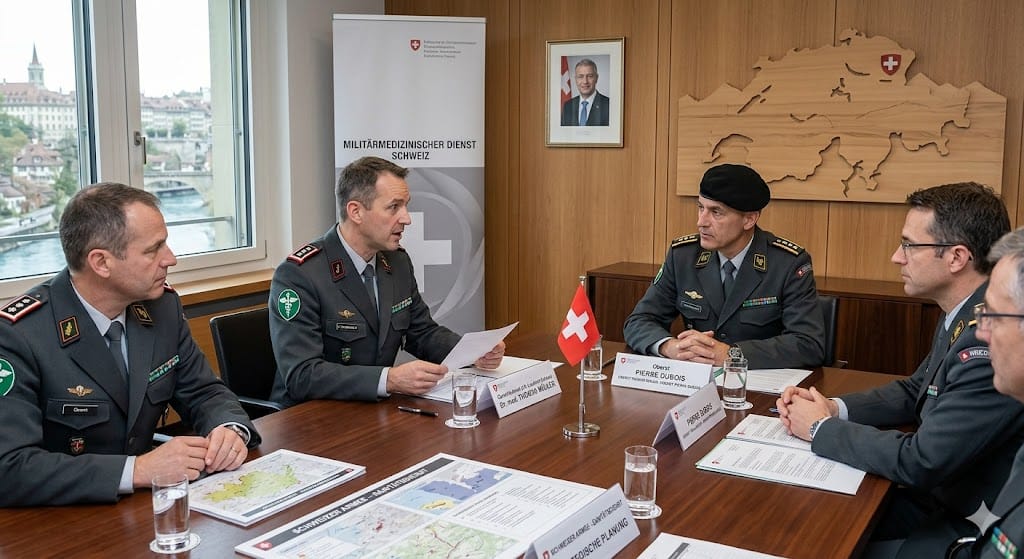
A high-level meeting was recently held in Zug, where the new leadership engaged with senior military officials to discuss global security challenges and the evolving role of military healthcare services.

The meeting included key figures such as Martin Pfister and Thomas Süssli, underlining the importance of strategic medical planning within Switzerland’s defense system.

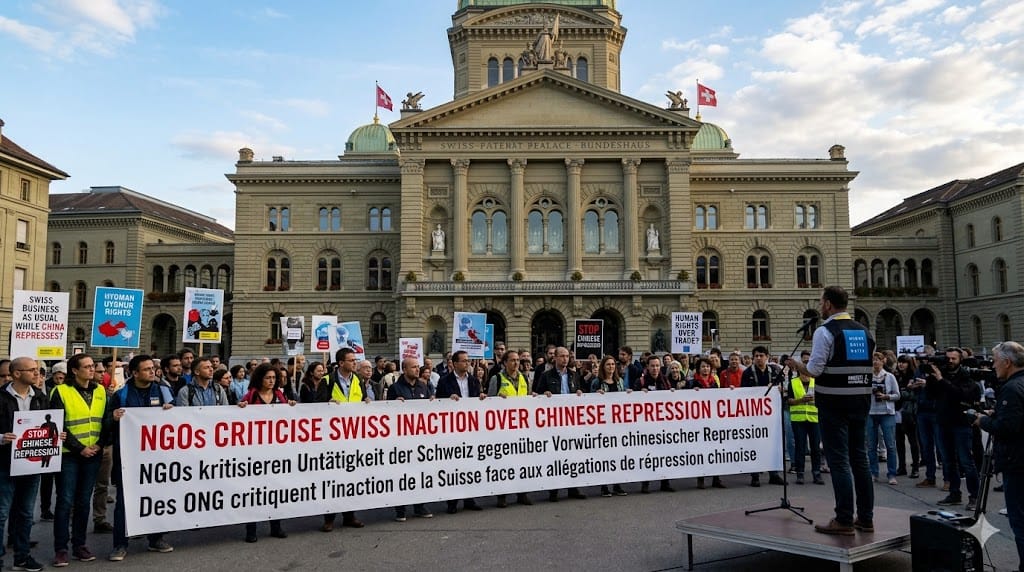
NGOs Criticise Swiss Inaction Over Chinese Repression Claims

Human rights organisations have criticised Switzerland for failing to take concrete action against alleged transnational repression targeting Tibetan and Uyghur communities.

According to NGOs, including Voices, there has been little progress since the Federal Council acknowledged last year that individuals in Switzerland were being affected by pressure and surveillance linked to Chinese authorities.

Selina Morell, programme manager at Voices, expressed disappointment, stating that expectations for stronger protection measures have not been met. She noted that victims continue to face intimidation despite official recognition of the issue.

Experts describe this phenomenon as transnational repression, where governments attempt to influence or silence critics living abroad. Such actions can include surveillance, threats, and indirect pressure through family members.

Although there are no precise figures for incidents in Switzerland, observers report that the trend is increasing. Data from Freedom House indicates that at least 1,375 serious cases of transnational repression have been documented globally since 2014. These include incidents such as abductions, arbitrary detention, and physical assaults.

However, many forms of intimidation—such as monitoring and psychological pressure—are not included in these statistics, suggesting the true scale may be significantly higher.

The issue continues to raise concerns about the protection of human rights within Switzerland and the country’s response to international political pressures.

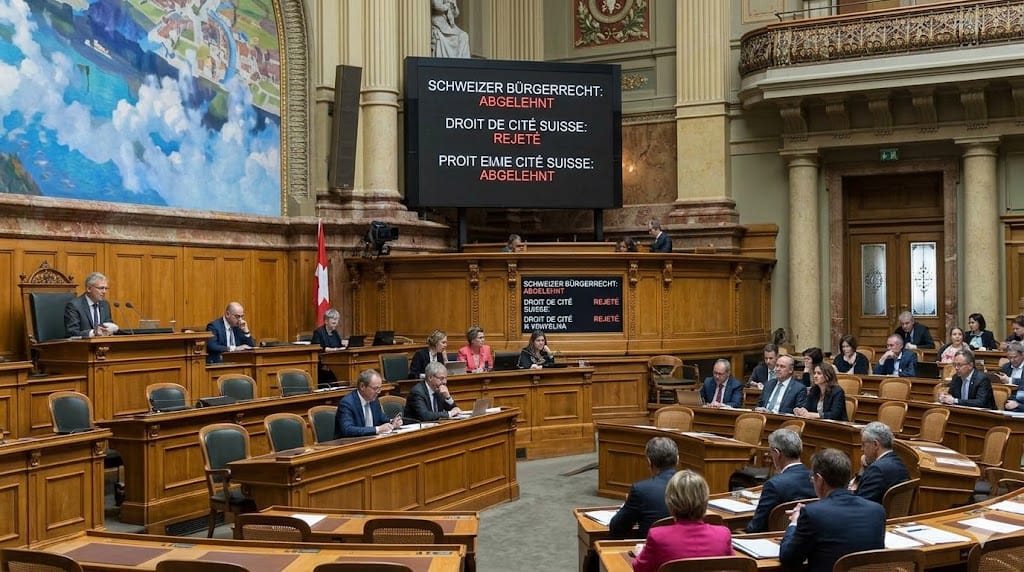
Swiss Parliament Rejects Proposal to Ease Citizenship Rules.

Lawmakers in Switzerland have rejected a proposal to ease citizenship requirements for non-EU residents.

During a special parliamentary session held on Thursday, members of the National Council voted against a plan that aimed to reduce the required residency period for applicants from non-European Union countries from 10 years to 5 years.

The proposal was supported by Action Vierviertel, which argued that Switzerland’s naturalisation process remains significantly longer than in many other countries. The group stated that long-term foreign residents face unnecessary barriers when applying for Swiss citizenship.

However, the majority of lawmakers defended the current rules. They argued that Swiss citizenship should not be granted quickly but should reflect successful long-term integration into society.

Parliament members emphasized that immigrants from outside the EU often require additional time to fully integrate socially, culturally, and linguistically. As a result, they said the current 10-year residency requirement remains appropriate.

With the proposal rejected, Switzerland will continue enforcing its existing citizenship law, while debates over immigration policy and integration are expected to remain politically significant.

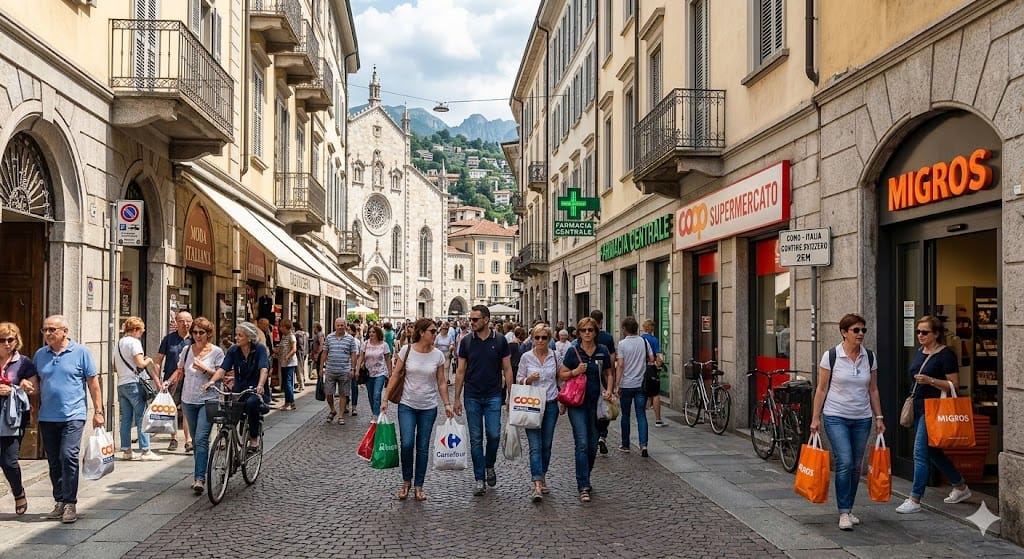
Ticino Retailers Struggle as Cross-Border Shopping to Italy Surges

Retailers in Ticino are coming under increasing pressure as cross-border shopping in nearby Italy continues to rise sharply, shifting consumer spending away from local stores.

According to industry estimates, the value of purchases made abroad by Ticino residents has grown from around Swiss Franc 500 million to CHF 700 million over the past five years. Many residents now rely heavily on supermarkets and retail outlets across the border in Italy for everyday goods.

Enzo Lucibello, president of the Ticino Association of Large Retailers (Disti), confirmed the trend, citing data reported by Corriere del Ticino and global VAT refund operator Global Blue.

A key factor behind the increase is Italy’s revised VAT refund policy. Since February 1, 2024, the minimum spending threshold for tax-free purchases has been reduced to €70, encouraging more Swiss shoppers to shop across the border.

The city of Como has seen a 6% rise in tax-free spending over the past two years, significantly above the national average. Swiss consumers account for 61% of total VAT refund spending, making them the largest group of cross-border shoppers.

Data shows that while non-EU customers tend to spend on luxury goods, Swiss shoppers primarily purchase groceries and everyday products. In fact, around one in two Swiss users of the VAT refund system shop mainly in supermarkets near the border.

The trend continues to challenge local retailers in Ticino, raising concerns about the long-term impact on the region’s domestic retail sector.

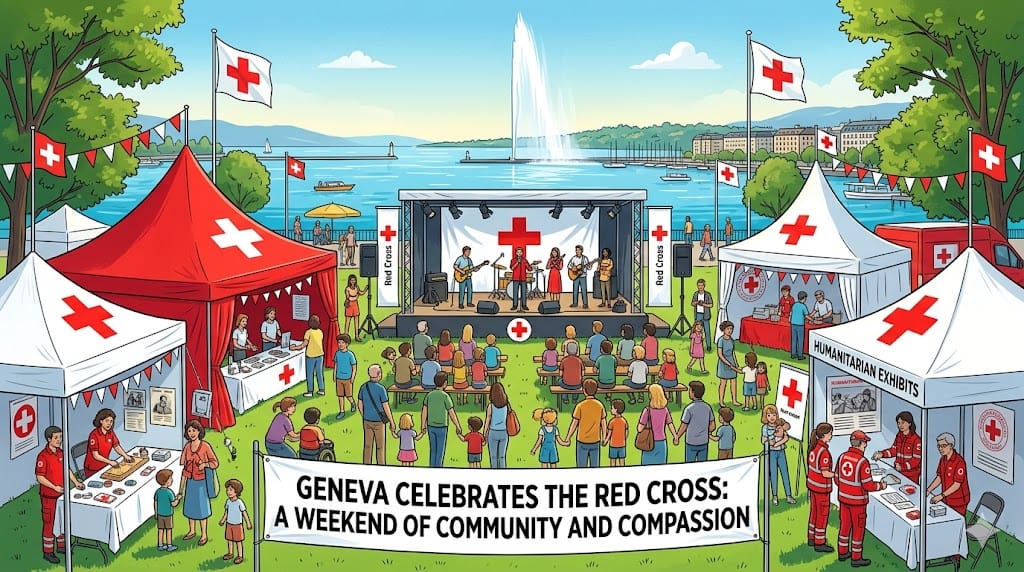
Geneva Hosts Weekend Events to Celebrate the Red Cross

A series of public events will take place in Geneva this weekend to celebrate the humanitarian values of the International Red Cross and Red Crescent Movement.

Organisers announced that the theme of “Unity,” one of the movement’s seven fundamental principles, will be highlighted throughout the celebrations. A special musical evening is scheduled for May 7 to honour volunteers from national Red Cross societies.

During the event, the choir of the International Red Cross and Red Crescent Movement will perform, focusing on humanitarian themes that reflect the organisation’s global mission.

The following day, visitors will have the opportunity to explore the International Red Cross and Red Crescent Museum at a reduced entry price. In addition, attendees will be able to purchase extra tickets to support access for vulnerable individuals, enabling them to visit the museum as well.

Organisers say the weekend aims to promote solidarity, humanitarian awareness, and appreciation for the work of Red Cross volunteers worldwide.

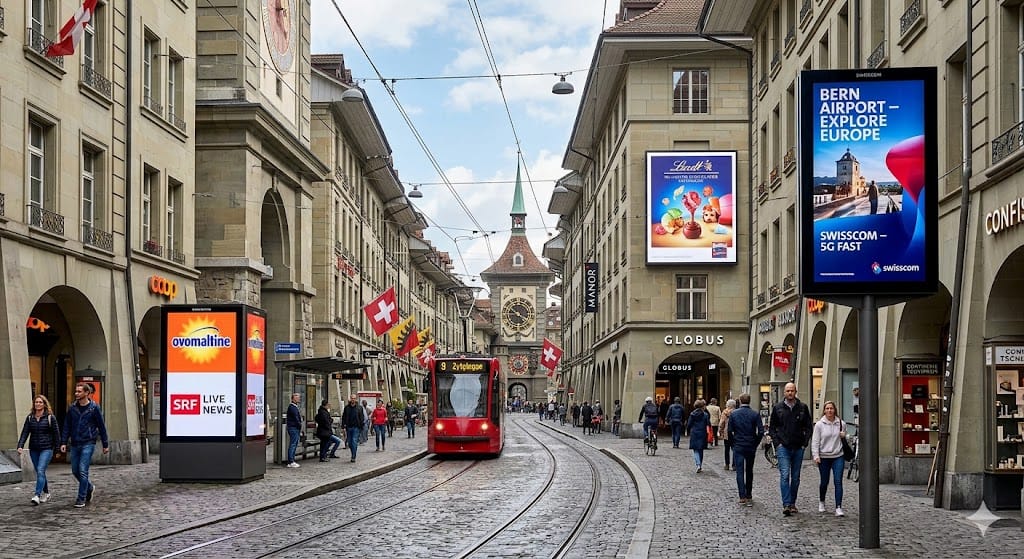
Anti-Consumerists Push for Advertising-Free Bern Initiative.

A citizen-led initiative in Bern is calling for a ban on commercial advertising in public spaces as part of a proposal titled “Bern without advertising.”

The initiative aims to remove consumer marketing from outdoor billboards and digital advertising screens across the city. However, cultural posters, public announcements, and local information boards would remain exempt from the ban.

Supporters of the proposal argue that reducing commercial advertising will help limit corporate influence in public spaces and create a more visually neutral urban environment.

In 2024, the Bern city council initially approved a motion to restrict advertising. However, during discussions on the 2026 budget, lawmakers reconsidered the plan, citing financial concerns.

Officials noted that advertising space generates more than Swiss Franc 5 million annually for the city, making it an important source of municipal revenue.

As a result, the debate has intensified between those advocating for a cleaner public space and those prioritizing financial stability for the city budget.

The proposal will continue to be discussed as Bern weighs economic needs against public space regulation.

Switzerland Records One of the Driest Aprils in History.

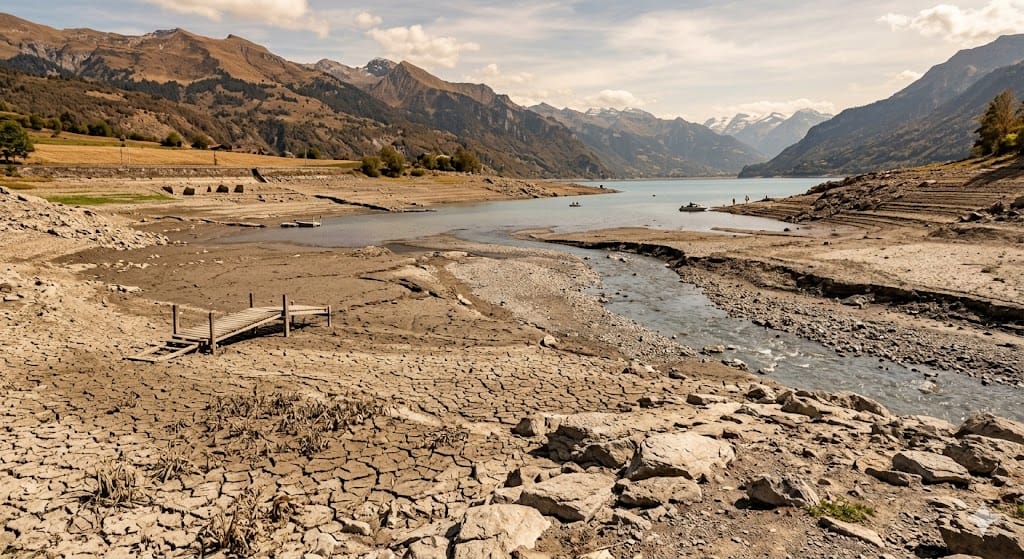
Large parts of Switzerland experienced one of the driest Aprils on record, according to the MeteoSwiss.

Meteorological data shows that nationwide precipitation reached only 27% of the 1991–2020 average. Experts noted that the number of “wet days” — with more than one millimetre of rainfall — was extremely low and could almost be counted on one hand.

MeteoSwiss confirmed that April 2026 ranks as the fourth driest April since records began in 1864. Particularly, the western and northeastern slopes of the Alps recorded their driest April ever.

Across the country, more than 80 monitoring stations registered record-low precipitation levels. Over 20 locations reported less than 10 millimetres of rainfall, including areas in the Bernese Oberland, Graubünden, and regions between Zofingen and Aarau.

However, meteorologists clarified that low rainfall does not automatically mean drought conditions. Factors such as river and lake water levels, groundwater reserves, soil moisture, and vegetation health also determine whether a drought is occurring.

Since the week beginning April 20, dry conditions have been observed across large parts of the country, raising concerns about potential environmental impacts if the trend continues.

Rare Bear Sighting Reported in Graubünden Valley.

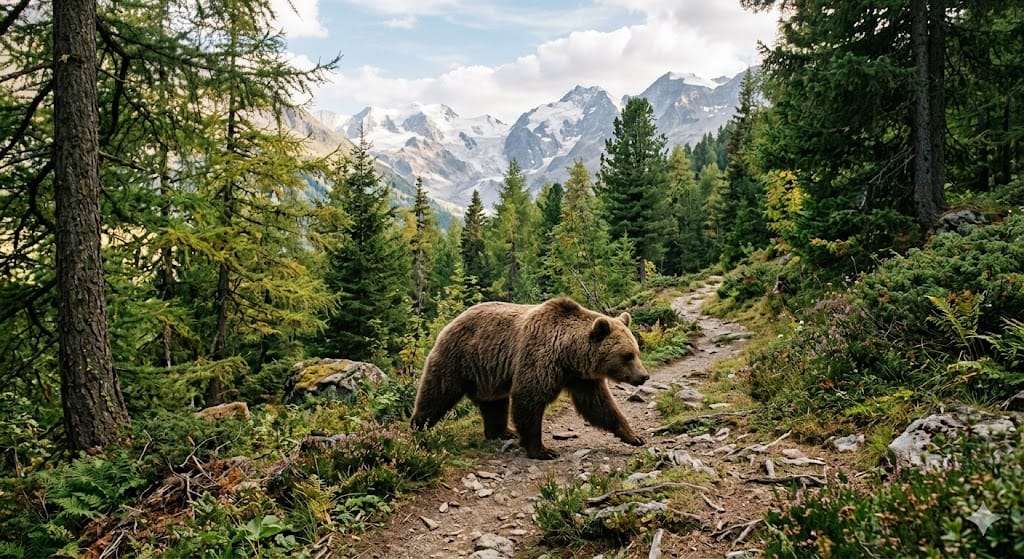
A rare bear sighting has been reported in southern Graubünden, marking a notable development in wildlife activity in the region.

Authorities confirmed the presence of the animal on April 29 after a private camera trap captured images in the forested area between Brusio and Poschiavo. The sighting follows earlier reports of a bear in the Lower Engadin region, particularly between Ftan and the Ofen Pass.

The information was published by the cantonal Office for Hunting and Fishing, which continues to monitor wildlife movements and update sightings through official channels.

Experts note that the presence of a bear south of the Bernina region has not been recorded for several years. The last confirmed sighting dates back to spring 2020, when a bear was filmed near the Bernina Pass.

Historically, bear activity in the area has raised concerns. Between 2012 and 2013, the bear known as M13 caused issues in Valposchiavo after losing its natural fear of humans and approaching residential areas in search of food. Authorities eventually euthanized the animal in February 2013 near Miralago.

Wildlife officials are now closely monitoring the situation and urge the public to remain cautious while respecting safety guidelines when encountering wild animals.

Swiss Foreign Minister Holds Talks with Iranian Counterpart.

Switzerland’s foreign minister held a phone conversation with his Iranian counterpart amid ongoing regional tensions, according to the Federal Department of Foreign Affairs.

The FDFA confirmed the call but declined to disclose specific details about the discussion. Reports shared by the media outlet Iran Nuances on the social media platform X suggest that both officials focused on the current regional situation.

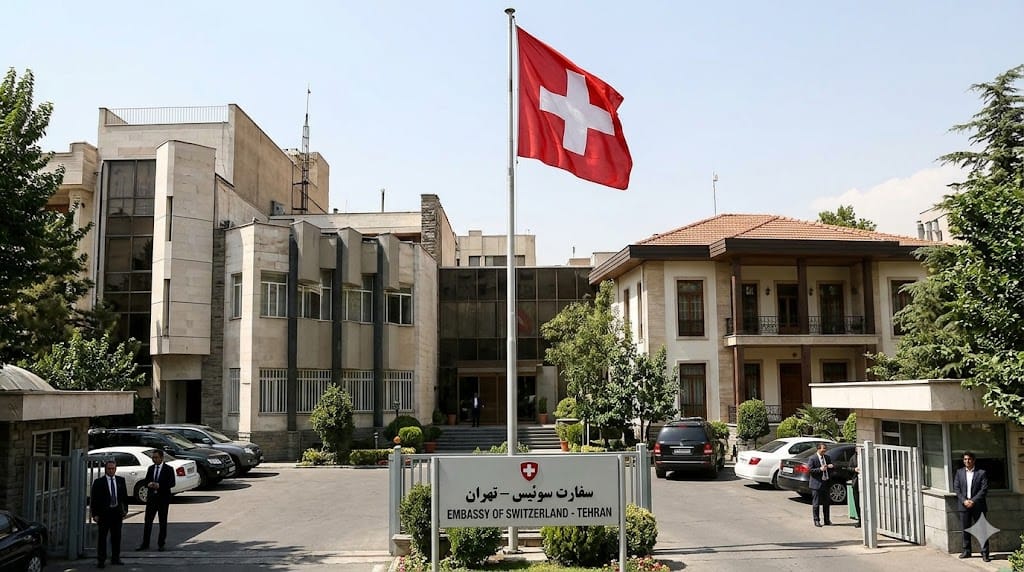
The conversation comes shortly after Switzerland announced the partial reopening of its embassy in Tehran. The diplomatic mission had been temporarily closed on March 11 due to security concerns.

Officials in Bern had earlier cited a precarious security environment linked to escalating tensions in the region, including military actions involving the United States and Israel.

Switzerland plays a unique diplomatic role by representing United States interests in Iran, making such communications particularly significant during periods of geopolitical instability.

Authorities have not released further information, but the call highlights Switzerland’s ongoing efforts to maintain diplomatic engagement and stability in the region.