Swiss Voters Show Support for Anti-Immigration Proposal Ahead of Referendum.

Swiss Voters Back Anti-Immigration Proposal

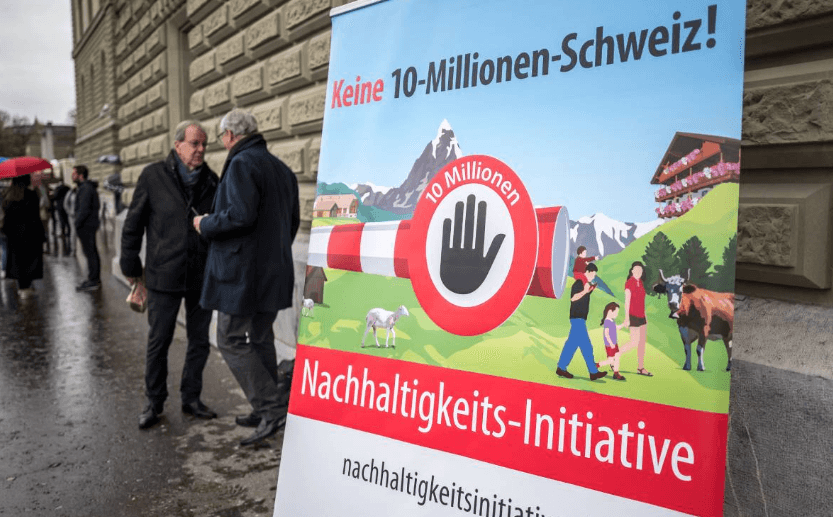
A majority of voters in Switzerland have expressed support for a new anti-immigration proposal introduced by the Swiss People’s Party. The proposal aims to limit the country’s population growth and reduce the impact of migration.

The initiative, titled “No to 10 Million Switzerland,” seeks to prevent the national population from exceeding 10 million. Supporters argue that controlling immigration will help maintain economic stability and protect infrastructure. Authorities have scheduled a nationwide referendum on June 14 to decide the proposal’s future.

Recent opinion polls show that 52% of Swiss voters support the proposal, while 46% oppose it. Only 2% of respondents remain undecided. The survey also highlights that women show slightly higher support for the initiative compared to men.

Supporters believe that rising immigration increases pressure on housing availability, transportation systems, and public services. They argue that limiting population growth will help ease these challenges and improve living conditions.

The proposal has sparked intense debate across Switzerland. While supporters emphasize sustainability and infrastructure concerns, critics warn that strict limits on immigration could affect economic growth and workforce availability.

As the referendum approaches, the outcome will play a key role in shaping Switzerland’s future immigration policy and demographic direction. The vote reflects growing public interest in balancing population growth with national resources.


Man Declares Himself King of Switzerland, Sparks Political Outrage

A man has declared himself the “King” of Switzerland, claiming authority over a private land area measuring approximately 117,000 square meters. The unusual announcement has quickly drawn attention across the country and triggered strong reactions from political leaders.

The individual reportedly marked his privately owned land as an independent kingdom. He claimed sovereign status and attempted to establish symbolic control over the area. While the land legally belongs to him, Swiss law does not recognize any form of monarchy or self-declared sovereignty.

Swiss politicians have openly criticized the move. Officials described the declaration as misleading and potentially harmful to public understanding of national laws. They emphasized that Switzerland operates under a federal democratic system, where no individual can claim royal authority.

Authorities are now reviewing whether the man’s actions violate any legal frameworks. Experts highlight that declaring a kingdom within Switzerland has no legal standing and may lead to consequences if it causes public confusion or administrative issues.

The incident has sparked widespread discussion online and in media circles. Some view the act as symbolic or attention-seeking, while others see it as a serious misuse of legal boundaries. The situation continues to attract public curiosity and debate.

This unusual case highlights the limits of private ownership and the importance of legal structures in modern democracies. Swiss authorities continue to monitor the situation closely as discussions around sovereignty and law gain momentum.

Fertiliser Supply Disruption Due to Iran Conflict Could Impact Global Food Production

Global Fertiliser Crisis Raises Food Security Concerns

Global food production could face serious pressure as disruptions in fertiliser supply threaten agricultural output worldwide, according to industry experts.

The chief executive of one of the world’s largest fertiliser producers, Yara, has warned that ongoing conflict in the Gulf region is affecting the transport and production of essential fertiliser materials.

The disruption, linked to instability in and around Iran, has led to restricted shipping routes through the Strait of Hormuz, a key global trade passage for energy and agricultural inputs.

Possible Impact on Global Food Production

Experts estimate that reduced fertiliser availability could significantly lower crop yields across many regions. Nitrogen-based fertiliser, a key component in modern agriculture, is currently facing supply constraints.

According to industry estimates, around half a million tonnes of nitrogen fertiliser production has been affected. This reduction may lead to lower agricultural output worldwide.

Some crops could experience yield reductions of up to 50% in a single growing season if fertiliser use is significantly reduced.

Warning on Food Prices and Global Inequality

Food production costs are rising due to increasing energy prices, transport costs, and fertiliser shortages. However, crop prices have not yet adjusted proportionally, creating financial pressure for farmers globally.

Experts warn that if competition for food increases, wealthier countries may be able to secure supplies at higher prices, potentially reducing availability for poorer nations.

This situation could increase food insecurity in developing countries, where populations are less able to absorb rising food costs.

Inflation and Consumer Impact

Although immediate food shortages are unlikely in countries like the UK and Europe, rising production costs are expected to gradually increase food prices in supermarkets.

Food inflation could reach higher levels in the coming months if global supply pressures continue.

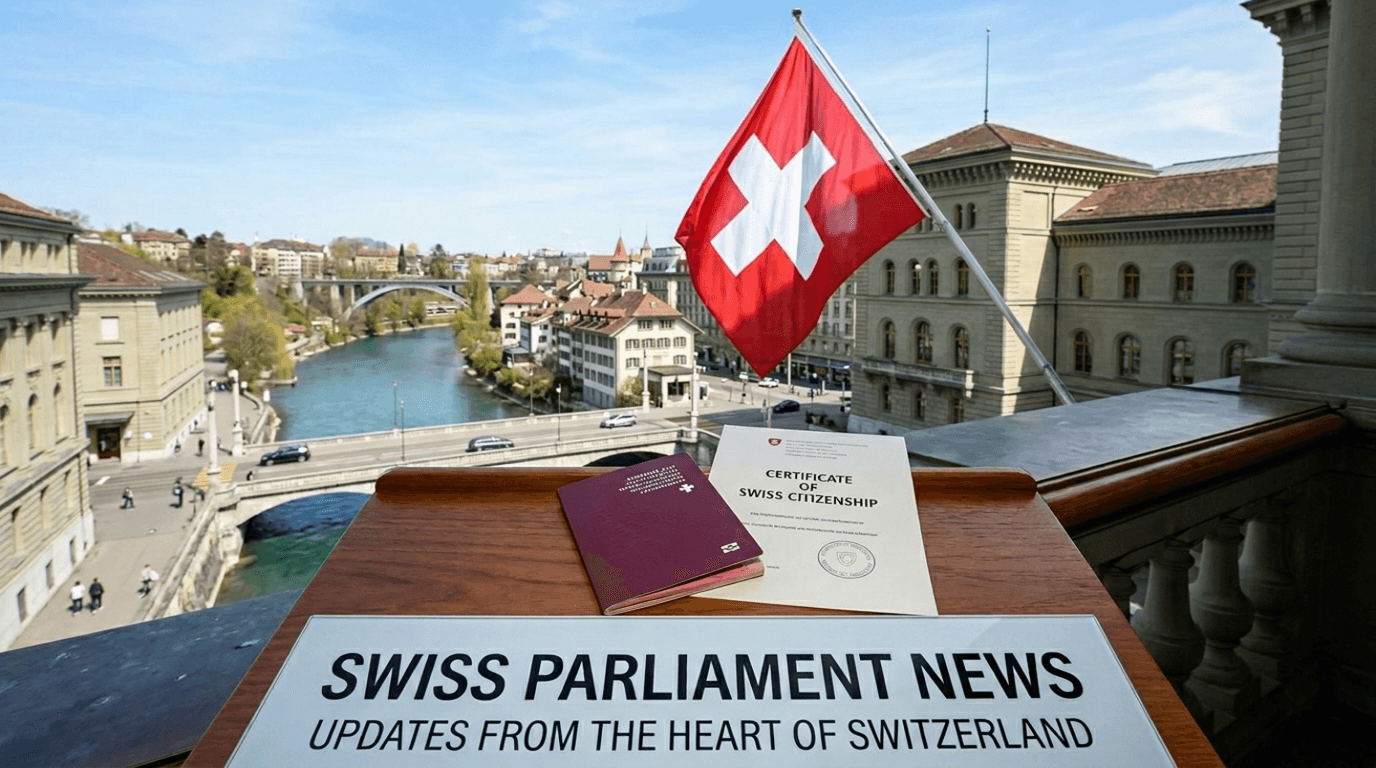
Swiss Parliament Rejects Proposal to Simplify Citizenship Process

The Swiss House of Representatives has voted against a proposal that aimed to simplify the citizenship process for foreigners living in Switzerland. The proposal was rejected with a two-thirds majority vote in Parliament.

The initiative had been introduced to make naturalisation easier for long-term foreign residents, including families, workers, and students who have been living in Switzerland for many years.

Supporters of the proposal argued that the current process is complicated and time-consuming. They believed that immigrants who are well integrated into Swiss society should receive easier access to Swiss citizenship.

However, a majority of Swiss lawmakers opposed the proposal and decided to keep the existing naturalisation system unchanged. Counter-proposals suggested by minority members of Parliament were also rejected during the voting process.

At present, applicants seeking Swiss citizenship must continue to meet several requirements, including residency duration, language ability, social integration, and a clean legal record.

The decision is expected to be closely followed by immigrant communities across Switzerland, including the Tamil diaspora.