

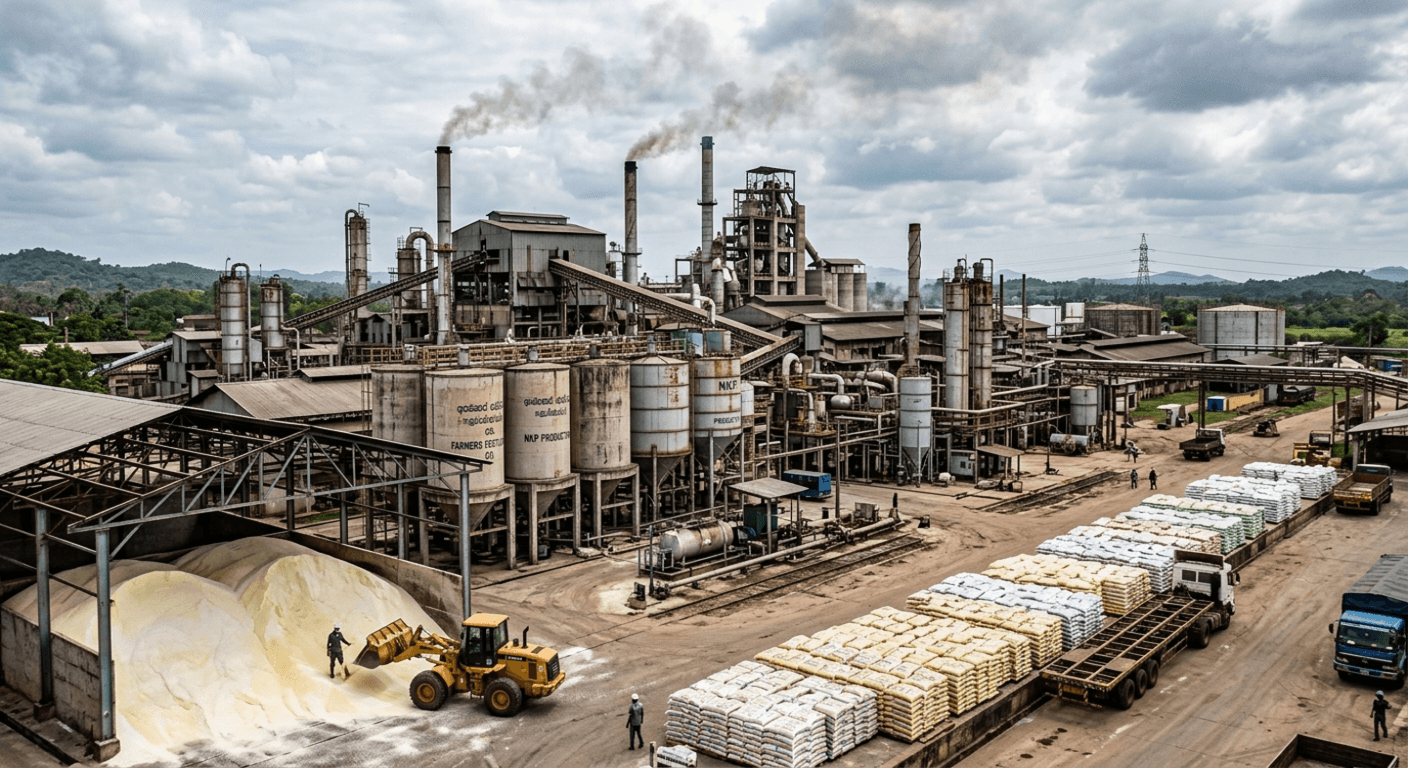

Fertiliser Supply Disruption Due to Iran Conflict Could Impact Global Food Production
Global Fertiliser Crisis Raises Food Security Concerns
Global food production could face serious pressure as disruptions in fertiliser supply threaten agricultural output worldwide, according to industry experts.
The chief executive of one of the world’s largest fertiliser producers, Yara, has warned that ongoing conflict in the Gulf region is affecting the transport and production of essential fertiliser materials.
The disruption, linked to instability in and around Iran, has led to restricted shipping routes through the Strait of Hormuz, a key global trade passage for energy and agricultural inputs.
Possible Impact on Global Food Production
Experts estimate that reduced fertiliser availability could significantly lower crop yields across many regions. Nitrogen-based fertiliser, a key component in modern agriculture, is currently facing supply constraints.
According to industry estimates, around half a million tonnes of nitrogen fertiliser production has been affected. This reduction may lead to lower agricultural output worldwide.
Some crops could experience yield reductions of up to 50% in a single growing season if fertiliser use is significantly reduced.
Warning on Food Prices and Global Inequality
Food production costs are rising due to increasing energy prices, transport costs, and fertiliser shortages. However, crop prices have not yet adjusted proportionally, creating financial pressure for farmers globally.
Experts warn that if competition for food increases, wealthier countries may be able to secure supplies at higher prices, potentially reducing availability for poorer nations.
This situation could increase food insecurity in developing countries, where populations are less able to absorb rising food costs.
Inflation and Consumer Impact
Although immediate food shortages are unlikely in countries like the UK and Europe, rising production costs are expected to gradually increase food prices in supermarkets.
Food inflation could reach higher levels in the coming months if global supply pressures continue.