Switzerland Reacts to New US Tariff Proposal.

Swiss President Guy Parmelin has stated that the Swiss government was not surprised by the United States’ proposal to introduce new tariffs of 12.5% on Swiss goods. He confirmed that Switzerland is currently engaged in ongoing negotiations with Washington to reach a balanced trade agreement.

Speaking at the Swiss Economic Forum (SEF) in Interlaken, Parmelin explained that Swiss authorities were already aware of investigations under Section 301 of the US Trade Act. He noted that the government had anticipated a decision regarding potential trade measures from the United States.

Parmelin, who also serves as Switzerland’s economics minister, emphasized that the Swiss government firmly rejects the criticisms made by the US in relation to its trade practices. He added that Switzerland has already responded to these concerns in written form as part of official diplomatic communication.

Despite the proposed tariffs, Swiss officials are continuing discussions with US representatives, aiming to protect key export sectors and maintain stable economic relations between the two countries. The negotiations are expected to focus on ensuring fair trade conditions and minimizing potential impacts on Swiss industries.

The announcement comes at a sensitive time for global trade relations, as countries continue to navigate economic uncertainty and shifting tariff policies. Switzerland, a highly export-oriented economy, is closely monitoring developments to safeguard its economic interests.

Authorities have reiterated their commitment to dialogue and diplomatic engagement, signaling that discussions with the United States will continue in the coming months.
Swiss Rivers and Lakes Remain Critically Low Despite Rain.

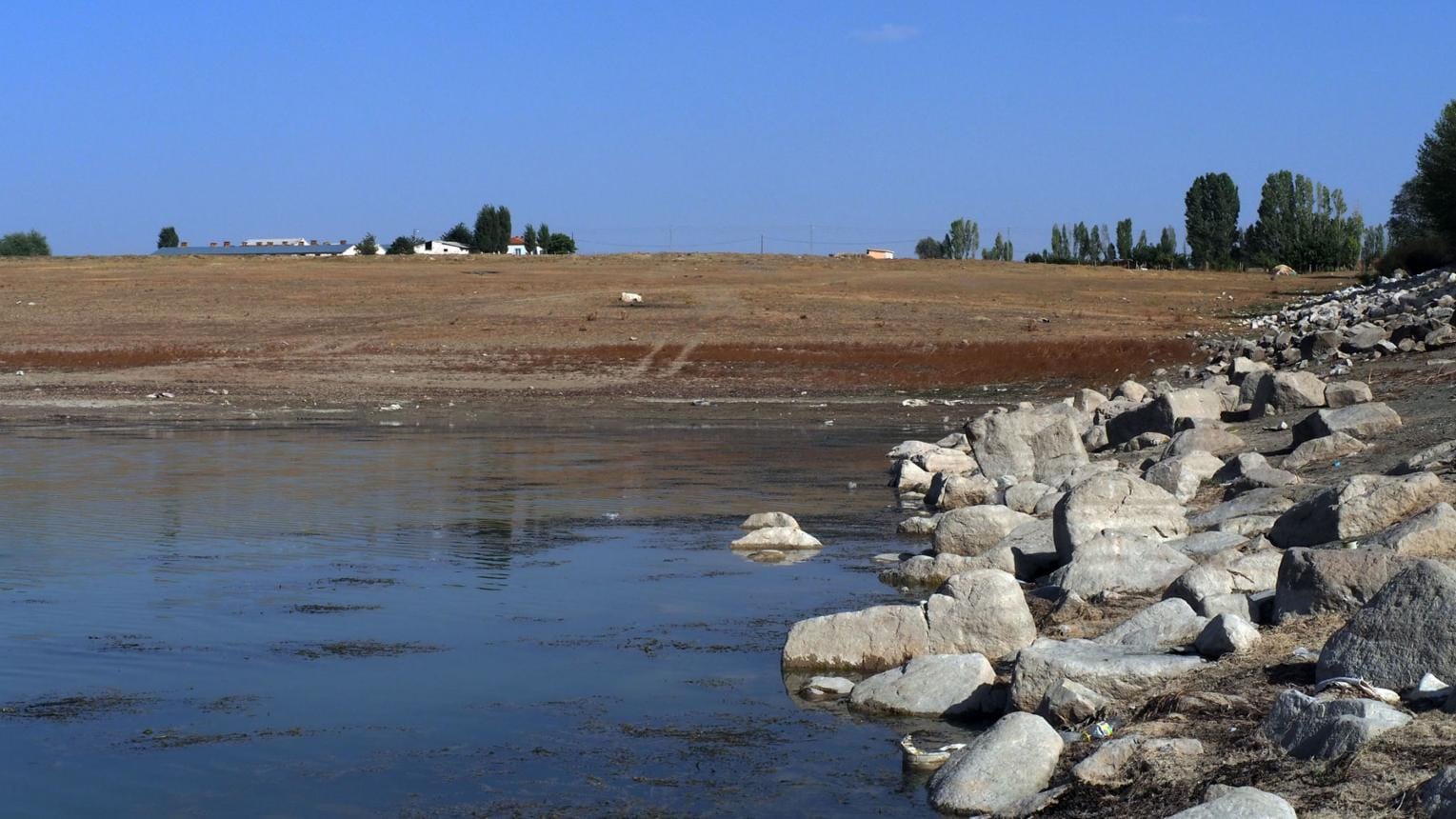
Switzerland continues to experience drought conditions as water levels in many rivers and lakes remain significantly below normal despite recent rainfall. According to measurements from the Federal Office for the Environment (FOEN), several major waterways across the country are still showing unusually low levels for this time of year.

The High Rhine, Reuss, and Limmat rivers remain below their seasonal averages, highlighting the ongoing impact of dry weather conditions that have persisted for months. While this week’s rain provided temporary relief, experts say it has not been enough to restore water levels to normal.

Lake Constance and Lake Zug are among the most affected areas. Hydrologists attribute the situation to prolonged drought combined with above-average temperatures, which have increased evaporation rates across Switzerland. The combination of reduced rainfall and warmer weather has placed additional pressure on lakes, rivers, and surrounding ecosystems.

Earlier this month, the western section of Lake Constance reached a historic low water level, creating challenges for navigation and transport. Since the end of April, a stretch of the Rhine River between Stein am Rhein and Diessenhofen has remained impassable due to insufficient water levels. However, shipping operations on Lake Zug and Lake Aegeri have continued without major disruptions despite the challenging conditions.

Environmental experts warn that extreme fluctuations between high and low water levels are becoming increasingly common. Unregulated bodies of water such as Lake Constance and Lake Walen are particularly vulnerable to changing weather patterns. According to Swiss Shipping Company Untersee und Rhein, these fluctuations have intensified in recent years, making water management and navigation more difficult.

The contrast has been striking. In June 2024, authorities issued the highest-level flood warning for the Untersee region. Less than a year later, the same area recorded historically low water levels. Experts say this demonstrates the growing unpredictability of weather patterns and the challenges they create for communities, businesses, and transport networks.

As Switzerland faces another dry season, authorities and industry leaders are exploring long-term solutions to maintain navigation, protect water resources, and adapt to increasingly extreme weather conditions. The situation continues to be closely monitored as concerns grow about the environmental and economic impacts of prolonged drought.

Swiss Cantons Face Rising Refugee Costs.

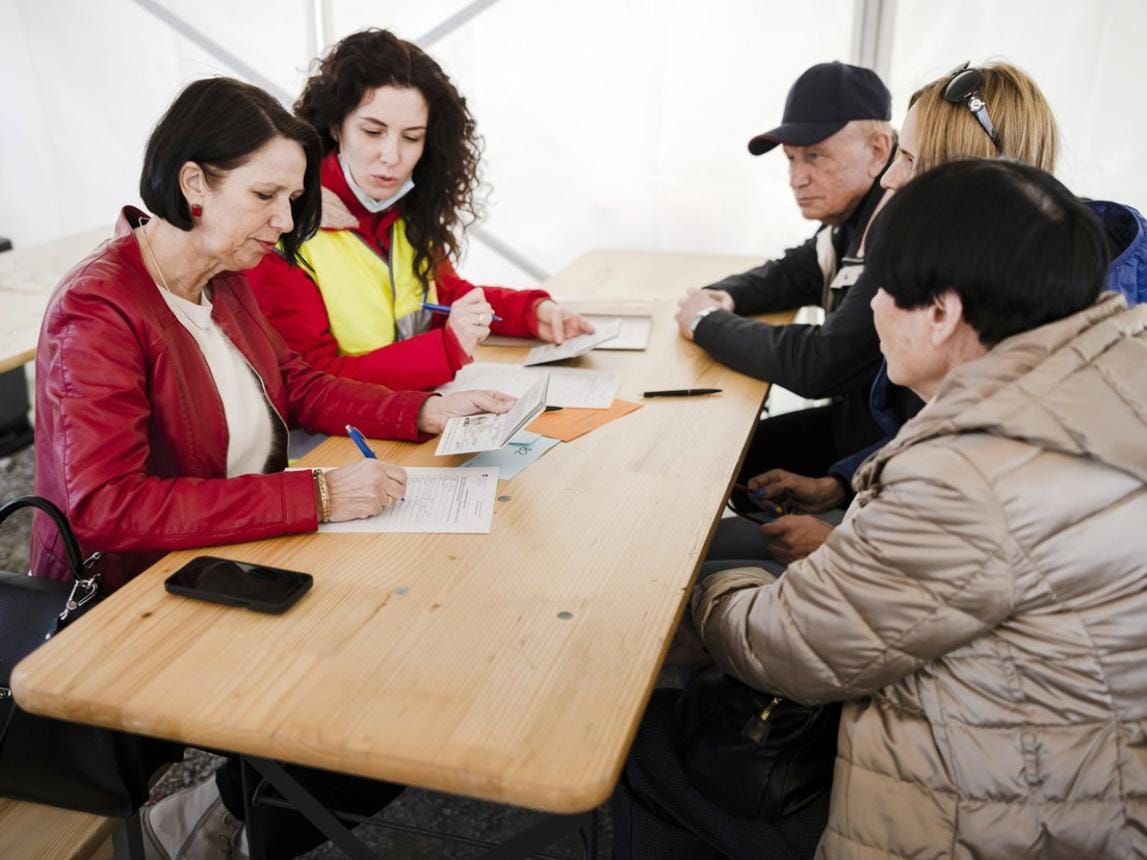
Swiss cantons and municipalities are preparing for a significant financial challenge as Ukrainian refugees with Protection Status S begin transitioning to regular social assistance from 2027. Local authorities estimate that the nationwide additional burden could reach approximately CHF300 million annually, raising concerns about future budgets and public spending.

Municipal leaders across Switzerland are urging the federal government to provide clear guidance and financial support before the transition takes effect. Bruno Tüscher, Mayor of Münchwilen in the canton of Aargau, warned that without federal assistance, municipalities may face higher tax pressures. He stated that the added costs could increase local tax rates by around three percent, placing additional strain on communities already managing rising expenses.

The canton of Aargau expects municipalities to absorb roughly CHF25 million in extra costs once refugees move to the standard welfare system. Local officials are seeking urgent clarification as they begin preparing financial plans and budgets for the coming years.

Graubünden has also calculated the potential impact. Authorities estimate that around 900 refugees could transition to regular social assistance, creating annual costs of approximately CHF5.4 million. The city of Chur alone may be responsible for CHF2.2 million of that amount. City Councilor Patrik Degiacomi noted that current estimates represent a best-case scenario and warned that actual costs could rise further if economic and social conditions change.

The upcoming policy shift has sparked debate across Switzerland about how refugee support should be funded and shared between federal, cantonal, and municipal governments. While many officials continue to support humanitarian assistance for those displaced by the war in Ukraine, they are also calling for a sustainable financial framework that protects local services and taxpayers.

As 2027 approaches, Swiss cantons are increasing pressure on federal authorities to address funding concerns and provide long-term solutions. The issue is expected to remain a major topic in Swiss political and economic discussions as governments balance humanitarian commitments with fiscal responsibility.

AI Brings Mixed Impact to Swiss Company Workforce.

Artificial intelligence is rapidly transforming workplaces across Switzerland, but its overall impact on jobs remains uncertain. A new survey conducted by EY reveals that Swiss companies are increasingly adopting AI technologies while still evaluating their long-term effects on employees and the labour market.

According to the survey, around 7% of Swiss companies have already reduced jobs because of artificial intelligence. In addition, 11% reported that vacant positions were not replaced due to the growing use of AI systems and automation tools.

At the same time, artificial intelligence is also creating new career opportunities. Around 18% of respondents stated that their companies had introduced additional positions linked to AI development and implementation. These new roles include specialists in data science, AI engineering, automation systems, and digital transformation.

The report highlights that many organisations are still in the early stages of AI adoption. A significant 42% of respondents said they could not yet clearly assess the overall impact of AI on their workforce. Researchers believe this reflects the ongoing transition as companies experiment with new technologies and workplace models.

The use of AI in Swiss companies has become highly widespread. Only 3% of surveyed employees said the use of artificial intelligence was prohibited within their workplace. Most companies now use AI tools pragmatically to support everyday business tasks.

Approximately 72% of respondents said they mainly use AI as a productivity assistant in daily work activities. Employees commonly rely on AI for brainstorming ideas, creating first drafts, organising information, and improving workflow efficiency.

In addition, 47% of participants reported that they already trust artificial intelligence in selected business applications. This growing confidence suggests that AI integration is becoming more accepted across multiple industries in Switzerland.

The survey included responses from 604 employees working in Swiss companies of different sizes, providing insight into how businesses are adapting to the rapidly changing digital economy.

Experts believe Switzerland’s labour market may continue evolving as AI technology develops further, balancing concerns over automation with opportunities for innovation and new digital professions.

Switzerland Moves to Limit Junk Food Ads Targeting Children.

The Swiss government is planning new measures to reduce advertising of unhealthy foods targeting children under the age of 13, in an effort to improve long-term public health outcomes. The initiative focuses on limiting exposure to ads for products high in sugar, fat, and salt across multiple media platforms.

The proposal was presented by the Federal Food Safety and Veterinary Office in Bern during discussions with representatives from the food and advertising industries. Authorities aim to establish a self-regulation framework rather than an immediate legal ban.

Under the proposed system, restrictions would apply to advertising channels that directly reach children, including television, social media, online games, websites, and outdoor advertisements near schools. Products such as sugary drinks, chocolate, and salty snacks would be restricted from targeted marketing toward young audiences.

The guidelines are expected to align with the nutritional profiling model developed by the World Health Organization, ensuring that products considered unhealthy under international standards are covered by the restrictions. The government also plans to monitor compliance to ensure that self-regulation is effectively implemented across the industry.

Officials emphasize that advertising significantly influences children’s eating habits, often encouraging the consumption of high-calorie, low-nutrition foods. With around one in five children in Switzerland currently affected by overweight or obesity, authorities say stronger preventive measures are necessary to protect long-term health.

Health experts warn that early dietary habits formed in childhood can strongly affect adult health, increasing the risk of diseases such as diabetes and cardiovascular conditions. The proposed policy aims to encourage healthier food environments during childhood development.

The food and advertising industry has been given until mid-July to confirm participation in the self-regulation plan and agree to the required standards

Otter Returns to Switzerland After Decades of Absence.

The otter has returned to Switzerland after disappearing for decades, marking a significant milestone for wildlife conservation efforts. However, environmental organisations warn that its long-term survival depends heavily on continued river restoration and habitat protection across the country.

According to conservation groups Pro Natura and Pro Lutra, multiple otter sightings were recorded in January 2026 across different regions of Switzerland, suggesting a slow but steady natural return of the species.

One of the most notable sightings occurred on January 11 in Selzach in the canton of Solothurn, where snow tracks along the River Aare confirmed otter presence for the first time in 91 years. Another sighting followed on January 15 when a wildlife camera captured an otter swimming in the Linth Canal in the canton of Glarus.

Additional reports of otters, including juvenile individuals, have also emerged from several Swiss cantons such as Graubünden, Bern, St Gallen, Ticino, Lucerne, and Zurich, indicating a wider regional presence.

The species disappeared from Switzerland in the late 20th century, with the last confirmed sighting recorded in 1989 at Lake Neuchâtel. Experts attribute its extinction to hunting, river modification, and water pollution, despite legal protections introduced in 1952 and environmental bans implemented in the 1980s.

Conservationists explain that otters have been able to naturally recolonise Switzerland by travelling through river networks connected to the Danube basin via Austria’s Inn region. This ecological corridor has allowed the species to gradually expand back into Swiss waterways.

However, experts warn that the otter’s survival is still uncertain. The species depends heavily on healthy fish populations, yet studies show that two out of three fish species in Switzerland are currently threatened. Environmental groups stress that river renaturation must be expanded significantly to support aquatic biodiversity.

Authorities currently restore less than half of the 50 kilometres of river habitat required annually by law, raising concerns about long-term ecological balance. Without stronger action, conservationists fear that the otter’s return could remain fragile.

World Otter Day, celebrated on the last Wednesday of May, is used globally to raise awareness about otter conservation. In Switzerland, events are also held on May 27, including educational activities at Muzoo La Chaux-de-Fonds and online webinars focusing on otter species and habitat protection.

Hoverfly Named Switzerland’s Species of the Year 2026.

A newly identified insect species, the hoverfly Monoceromyia ndidiae, has been named Switzerland’s “Species of the Year 2026” by the Swiss Systematics Society. The announcement highlights the growing importance of citizen science in modern biological research and species discovery.

The hoverfly belongs to a family of insects known for their striking yellow-orange coloration, which often mimics wasps. This natural camouflage helps protect them from predators, even though hoverflies are completely harmless and cannot sting or bite humans.

The discovery began unexpectedly in the Dominican Republic when nature enthusiasts uploaded insect photographs to the citizen science platform iNaturalist. One particular image caught the attention of an entomologist who noticed unusual physical features that did not match any known species.

After further analysis and collaboration with international experts, researchers confirmed that the insect represented a previously unknown species. The finding was later verified and formally recognized, marking a significant contribution to biodiversity science.

Scientists from the Swiss Systematics Society emphasized that this discovery demonstrates how public participation can play a crucial role in scientific research. By sharing wildlife observations online, non-experts can help identify rare or unknown species that might otherwise go unnoticed.

The case of Monoceromyia ndidiae also highlights how global collaboration between scientists and citizen observers can accelerate discoveries in taxonomy and ecology. Researchers believe that many more undiscovered species may already exist in public photo databases waiting to be identified.

This recognition as Species of the Year 2026 celebrates both the insect itself and the global community that helped bring it to scientific attention.

Swiss Primary Pupils Show Strong Academic Performance.

A new nationwide education assessment shows that the majority of primary school pupils in Switzerland are performing well in mathematics and language skills during the early years of schooling.

The study, published by the Swiss Conference of Cantonal Ministers of Education, evaluated around 20,000 pupils in 2024 who were in the fourth year of HarmoS schooling, equivalent to the second grade of primary school.

According to the results, 87% of pupils achieved the expected national standards in oral comprehension, while 79% met reading comprehension goals and 76% reached the required level in mathematics.

Christophe Darbellay, president of the education ministers’ conference, described the findings as a positive sign for Switzerland’s long-term education reforms.

He stated that the core purpose of school education remains teaching children how to read, write, and calculate effectively.

The assessment also revealed that there are no major performance differences between Swiss cantons, highlighting the success of efforts to harmonise education standards across the country over the past two decades.

However, the report also identified significant inequalities linked to social background. Pupils from disadvantaged households, especially those with migrant backgrounds and foreign languages spoken at home, performed notably lower than students from more advantaged families.

Researchers found that children facing multiple social and linguistic disadvantages reached national learning targets only around half the time, while students from wealthier or more stable backgrounds achieved success rates close to 90%.

The findings suggest that while Swiss schools are effective at teaching foundational skills during early education, maintaining strong academic performance as students grow older remains a major challenge.

The report also contrasts with previous studies showing weaker academic outcomes among older students, particularly in spelling and language skills at the end of compulsory schooling.

Xhaka Named in Fourth Switzerland World Cup Squad.

Granit Xhaka has been selected for his fourth FIFA World Cup squad as Switzerland national football team prepares for the upcoming international tournament.

The experienced midfielder will add to his impressive international career tally of 136 caps as Switzerland aims to make a strong impact on the world stage.

The squad announcement also included several surprise decisions. Alvyn Sanches and Joel Monteiro were left out despite being part of Switzerland’s recent friendly matches against Germany and Norway earlier this year.

Meanwhile, Christian Fassnacht earned a place in the squad after finishing as the top scorer in the Swiss Super League with 18 goals for BSC Young Boys.

Cedric Itten also secured selection despite experiencing relegation with German side Fortuna Düsseldorf.

Switzerland will begin tournament preparations on Monday with friendly matches against Jordan in St. Gallen on May 31 and Australia in San Diego on June 6.

The Swiss team will open their Group B campaign against Qatar national football team in Santa Clara on June 13, before facing Bosnia-Herzegovina and Canada in the following group-stage fixtures.

Gotthard Rail Tunnel Upgrade Costs Rise.

Renovation work at Switzerland’s Gotthard Base Tunnel could become significantly more expensive due to delays in replacing the tunnel’s aging radio communication system.

According to reports, the upgrade project has encountered major setbacks linked to technical and organisational problems involving external suppliers, as well as the difficulty of accessing sections of the tunnel for maintenance work.

The communication system plays a vital role in tunnel operations. It allows train drivers to communicate with control centres and other trains while also enabling passengers to access mobile phone and internet services deep inside the Gotthard mountain corridor.

The system was originally scheduled for replacement during planned maintenance work between 2024 and 2026. However, the project has fallen behind schedule, raising concerns about additional infrastructure costs.

As a result of the delays, Swiss Federal Railways (SBB) must reportedly extend existing operational contracts for at least two more years, with a possibility of extending them further up to six years.

The maximum projected additional cost is expected to exceed CHF4.6 million, although railway officials noted that some operational expenses would have been necessary regardless of the delays.

Reports also suggest that authorities are considering abandoning the current replacement project entirely as an alternative solution.

The Gotthard Base Tunnel is one of the world’s most important rail infrastructure projects and serves as a key transport corridor linking northern and southern Europe through Switzerland.