Zurich Study Shock: Orphanage Children Live 12 Years Less

A new study from University of Zurich has revealed concerning long-term effects on individuals who grew up in childcare institutions in Switzerland.

According to the research, people who were placed in orphanages during childhood—particularly in the 1950s—lived on average up to 12 years less than those raised in family environments.

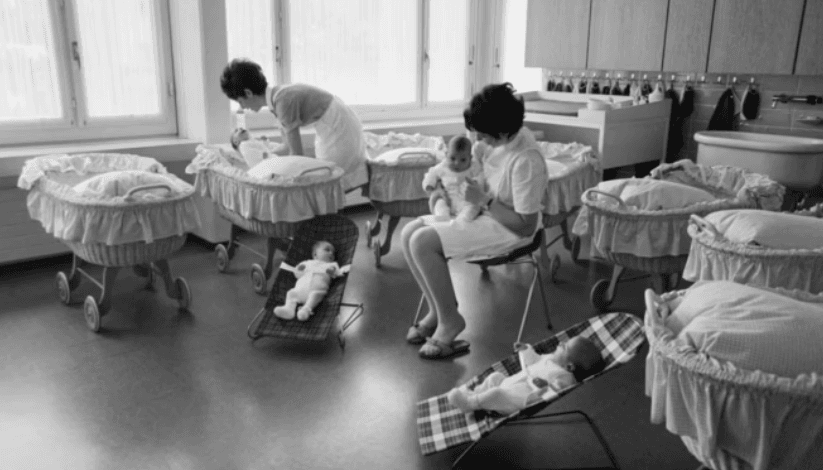
Researchers highlight that the primary cause behind this difference is not physical care, but emotional deprivation. Although children in institutions received adequate medical attention and basic physical care, they lacked stable emotional bonds, affection, and consistent developmental support.

In many cases, children spent most of their day alone, with limited interaction with caregivers—sometimes less than one hour per day. This isolation was largely due to institutional practices aimed at preventing disease transmission.

The study analyzed data from 830 individuals. More than half of the participants had grown up in childcare institutions between 1958 and 1961, while the rest were raised in family settings.

Findings showed that premature deaths before the age of 40 were approximately twice as common among those raised in institutions compared to those raised in families.

Miss Switzerland Finalist Murder Case: Husband’s Motive Revealed.

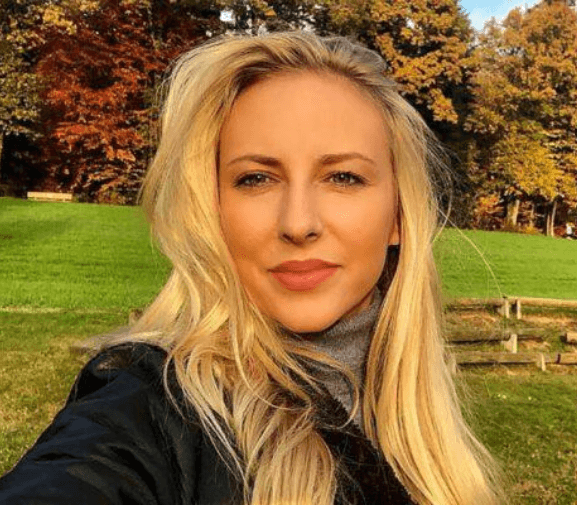
The shocking murder case of former Miss Switzerland finalist Kristina Joksimovic has taken a new turn as investigators reveal details about the alleged motive behind the crime.

The case, which took place in 2024 in Switzerland, caused nationwide and international outrage after it was reported that her husband, Marc Rieben, killed her and later dismembered her body.

According to investigative reports, the couple had appeared to live a stable family life since their marriage in 2017. Neighbours described Rieben as a responsible father and socially active individual, making the crime even more shocking.

Dispute Over Divorce Triggered Violence

Prosecutors from the Basel-Landschaft canton stated that the incident was preceded by a serious argument over divorce proceedings. On February 13, during a lunch conversation, the couple reportedly clashed over custody arrangements and financial conditions.

Investigators believe Rieben refused to accept the separation and demanded full custody of their children while denying financial support to his wife. This dispute is now considered a key trigger behind the fatal escalation.

isturbing Post-Crime Behaviour

Authorities also revealed disturbing details about the aftermath. Experts suggest the nature of the body dismemberment may indicate possible psychological instability.

Shockingly, during the act of dismembering the body, the suspect reportedly watched videos on his mobile phone, according to investigation findings.

Ongoing Court Proceedings

The full details of the case are currently under judicial review. Prosecutors expect further clarity on the exact circumstances and psychological factors during the upcoming court proceedings.

The case continues to draw intense public attention due to its brutality and the profile of the victim.

Switzerland Intensifies Global Crackdown on Tax Evasion

Authorities in Switzerland have stepped up efforts to combat undeclared assets and tax evasion through expanded international cooperation and data exchange.

According to the Federal Tax Administration, the country received information on approximately 3.5 million foreign bank accounts in 2025 as part of global transparency measures.

At the same time, Switzerland submitted 61 administrative assistance requests to 26 countries, slightly fewer than in previous years but still reflecting ongoing enforcement efforts. Officials confirmed that the highest number of requests were directed to Germany and Cyprus.

Notably, no data exchange took place with Russia during this period.

Meanwhile, incoming requests from other countries remain high. In 2025 alone, Switzerland received 6,968 administrative assistance requests, leading to the exchange of information related to around 3.8 million bank accounts.

These requests primarily came from countries including France, Austria, Germany, Spain, Ukraine, and the United States.

Officials noted that the presence of a large number of foreign residents, including refugees, may contribute to the volume of requests. However, the overall number remains lower compared to previous years—particularly 2016, when more than 66,000 requests were recorded.

Switzerland continues to strengthen its role in global tax transparency, signaling a firm stance against tax evasion and financial secrecy.

Tamil Doctor Joins Swiss Military Leadership in Historic Appointment

A Tamil doctor in Switzerland has achieved a major milestone by joining the leadership of the Swiss military medical system. Abiram Chandrelegar has been appointed Vice President of the Swiss Armed Forces Medical Association, marking a proud moment for the global Tamil diaspora.

Born in Geneva, Lieutenant Abiram Chandrelegar earned this position through dedication, expertise, and consistent service within the Swiss Armed Forces. His appointment highlights the increasing recognition of diverse professionals in Switzerland’s national institutions.

The ASMD, established in 2025, plays a crucial role in strengthening the medical division of the Swiss military. Alongside him, David M. V. Kremer has been appointed as President of the association.

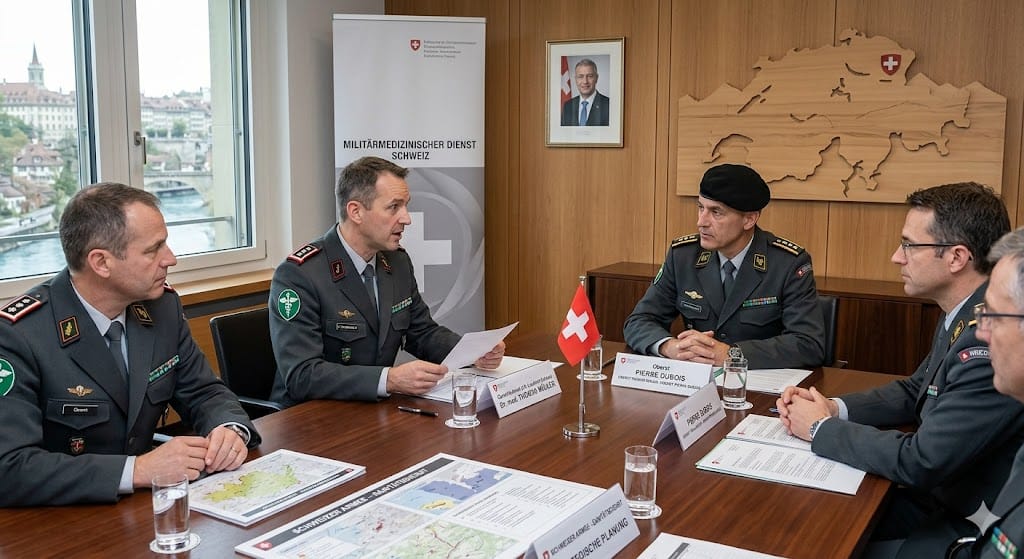
A high-level meeting was recently held in Zug, where the new leadership engaged with senior military officials to discuss global security challenges and the evolving role of military healthcare services.

The meeting included key figures such as Martin Pfister and Thomas Süssli, underlining the importance of strategic medical planning within Switzerland’s defense system.

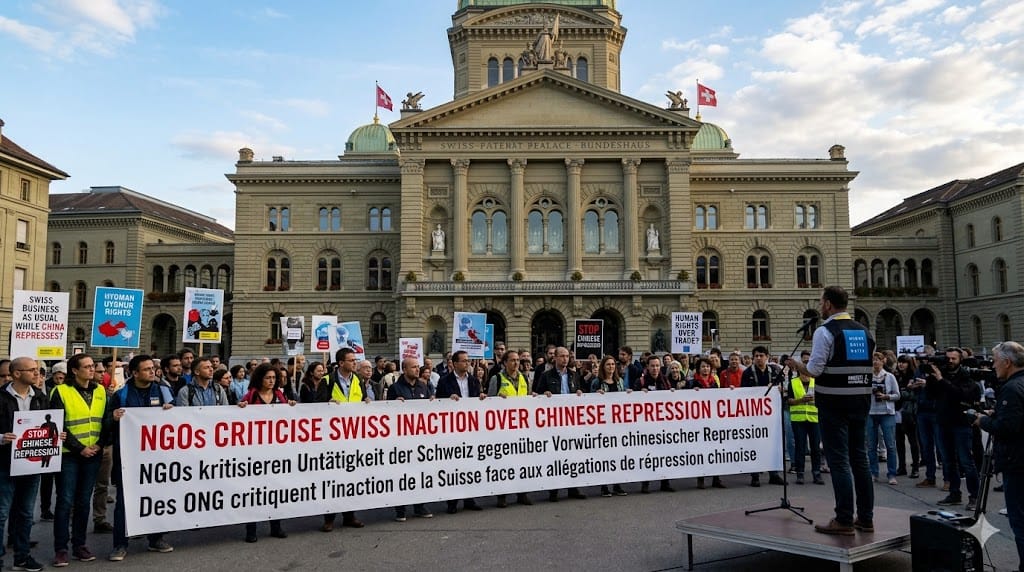
NGOs Criticise Swiss Inaction Over Chinese Repression Claims

Human rights organisations have criticised Switzerland for failing to take concrete action against alleged transnational repression targeting Tibetan and Uyghur communities.

According to NGOs, including Voices, there has been little progress since the Federal Council acknowledged last year that individuals in Switzerland were being affected by pressure and surveillance linked to Chinese authorities.

Selina Morell, programme manager at Voices, expressed disappointment, stating that expectations for stronger protection measures have not been met. She noted that victims continue to face intimidation despite official recognition of the issue.

Experts describe this phenomenon as transnational repression, where governments attempt to influence or silence critics living abroad. Such actions can include surveillance, threats, and indirect pressure through family members.

Although there are no precise figures for incidents in Switzerland, observers report that the trend is increasing. Data from Freedom House indicates that at least 1,375 serious cases of transnational repression have been documented globally since 2014. These include incidents such as abductions, arbitrary detention, and physical assaults.

However, many forms of intimidation—such as monitoring and psychological pressure—are not included in these statistics, suggesting the true scale may be significantly higher.

The issue continues to raise concerns about the protection of human rights within Switzerland and the country’s response to international political pressures.

Anti-Consumerists Push for Advertising-Free Bern Initiative.

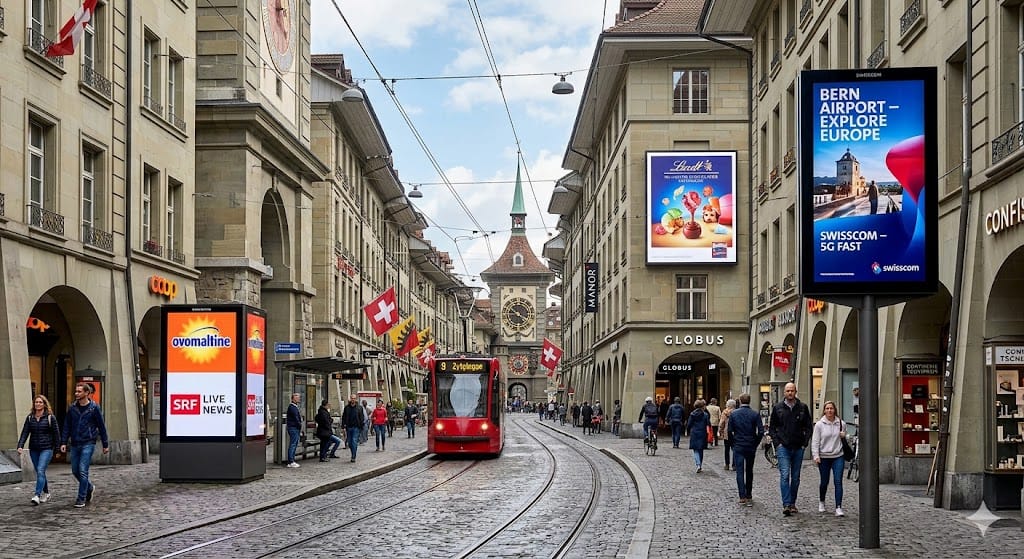
A citizen-led initiative in Bern is calling for a ban on commercial advertising in public spaces as part of a proposal titled “Bern without advertising.”

The initiative aims to remove consumer marketing from outdoor billboards and digital advertising screens across the city. However, cultural posters, public announcements, and local information boards would remain exempt from the ban.

Supporters of the proposal argue that reducing commercial advertising will help limit corporate influence in public spaces and create a more visually neutral urban environment.

In 2024, the Bern city council initially approved a motion to restrict advertising. However, during discussions on the 2026 budget, lawmakers reconsidered the plan, citing financial concerns.

Officials noted that advertising space generates more than Swiss Franc 5 million annually for the city, making it an important source of municipal revenue.

As a result, the debate has intensified between those advocating for a cleaner public space and those prioritizing financial stability for the city budget.

The proposal will continue to be discussed as Bern weighs economic needs against public space regulation.

Swiss Foreign Minister Holds Talks with Iranian Counterpart.

Switzerland’s foreign minister held a phone conversation with his Iranian counterpart amid ongoing regional tensions, according to the Federal Department of Foreign Affairs.

The FDFA confirmed the call but declined to disclose specific details about the discussion. Reports shared by the media outlet Iran Nuances on the social media platform X suggest that both officials focused on the current regional situation.

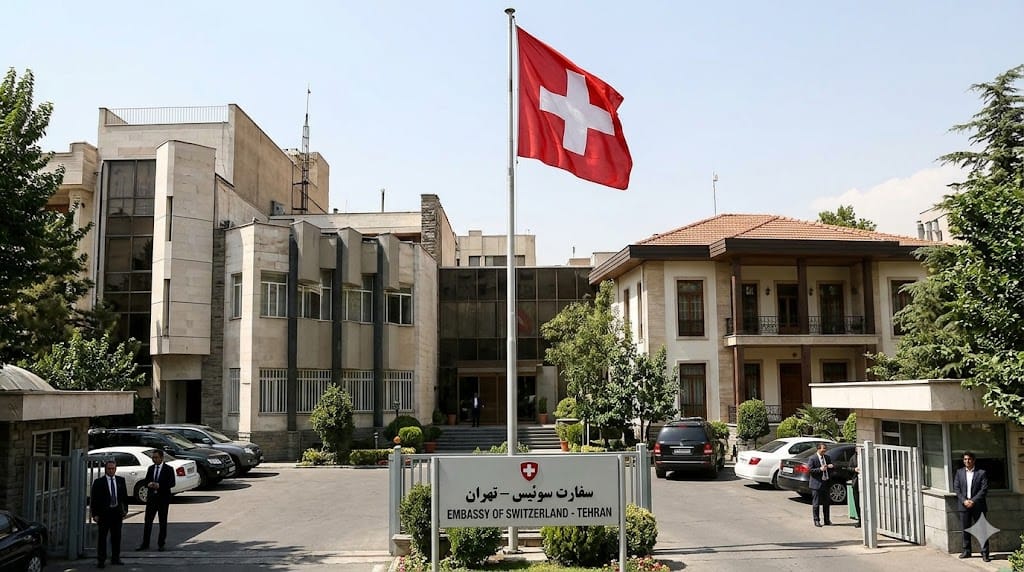
The conversation comes shortly after Switzerland announced the partial reopening of its embassy in Tehran. The diplomatic mission had been temporarily closed on March 11 due to security concerns.

Officials in Bern had earlier cited a precarious security environment linked to escalating tensions in the region, including military actions involving the United States and Israel.

Switzerland plays a unique diplomatic role by representing United States interests in Iran, making such communications particularly significant during periods of geopolitical instability.

Authorities have not released further information, but the call highlights Switzerland’s ongoing efforts to maintain diplomatic engagement and stability in the region.

Switzerland Chicken Consumption Surge Drives Imports Higher

Chicken consumption in Switzerland has increased significantly over the past few years, reflecting a major shift in dietary habits. Consumers are choosing poultry more frequently, making it one of the most popular meat options in the country.

In 2024, the average per capita chicken consumption reached 15.9 kilograms. This marks a 70% increase compared to the year 2000. While pork consumption has declined and beef remains stable, chicken has gained a dominant position in everyday diets.

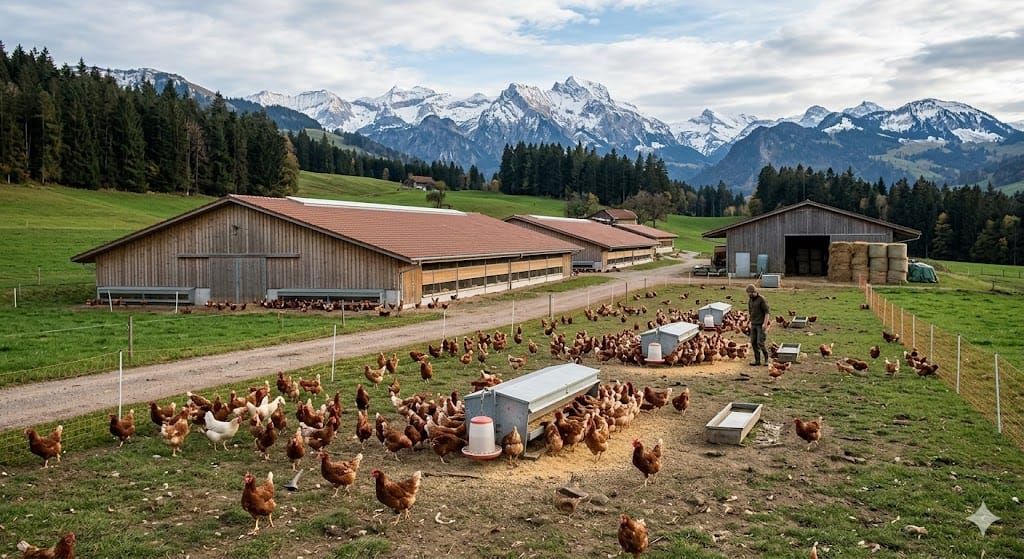
In 2025, more than 82 million chickens were raised for meat production in Switzerland. Despite this large-scale production, domestic supply still falls short of demand. As a result, nearly one-third of chicken meat is imported from countries such as Brazil.

Restaurants and fast-food chains have played a key role in boosting chicken consumption. Chicken-based meals have become increasingly popular, and several international food brands that previously struggled in Switzerland are now succeeding by focusing on poultry offerings.

The growing demand has created new opportunities for local farmers. Many farmers are shifting from dairy production to poultry farming. While dairy farming faces price pressure, poultry farming offers more stable returns and better pricing structures.

This shift indicates a broader transformation in Switzerland’s agricultural sector. Farmers are adapting to changing consumer preferences and market conditions, ensuring a steady supply of poultry products in the future.

The rapid rise in chicken consumption highlights evolving food trends in Switzerland. As demand continues to grow, both imports and local production will play a crucial role in meeting consumer needs.

Switzerland Records Lowest Tax Burden in Europe, Says OECD Report.

Switzerland continues to offer one of the lowest tax burdens in Europe, according to a new report by the Organisation for Economic Co-operation and Development. The findings highlight a major financial advantage for residents despite the country’s high cost of living.

The OECD report, released on April 22, reveals that Switzerland ranks among the lowest-taxed countries within its 38 member nations. Only a few countries, including Colombia, Chile, New Zealand, and Mexico, report lower overall tax contributions.

On average, individuals in Switzerland pay around 22.9% of their income in taxes and social security contributions. This figure stands well below the OECD average of 35.1%, making Switzerland the lowest-tax country in Europe.

Families with children enjoy even greater financial advantages. Tax deductions vary across cantons, but dual-income households with two children see their tax burden drop from 22.9% to approximately 17.1%. Larger families benefit from even higher reductions.

Residents can expect additional tax relief in 2026. Local governments across several cantons have approved tax reductions and adjustments linked to lower inflation. These changes aim to reduce financial pressure on households.

Tax savings vary by region. Residents in Geneva can expect savings of at least 1,000 Swiss francs. In Zurich, St. Gallen, Graubünden, and Ticino, savings range between 500 and 1,200 francs. Areas such as Lucerne, Aargau, and Schwyz also report significant reductions.

Several factors explain Switzerland’s low tax rates. The country maintains a very low unemployment rate, allowing more people to contribute to tax revenue. In addition, Switzerland spends less on social welfare programs compared to countries like Sweden, promoting a system where individuals remain financially independent.

For many residents, including members of the Tamil community living and working in Switzerland, these lower taxes provide financial relief. However, experts advise careful financial planning due to the country’s high living costs.

Switzerland’s low tax structure continues to strengthen its economic appeal. With further tax reductions expected in 2026, residents are likely to experience improved financial stability despite rising living expenses.

Swiss Government Faces Criticism Over Actions Against Nurses Amid Shortage.

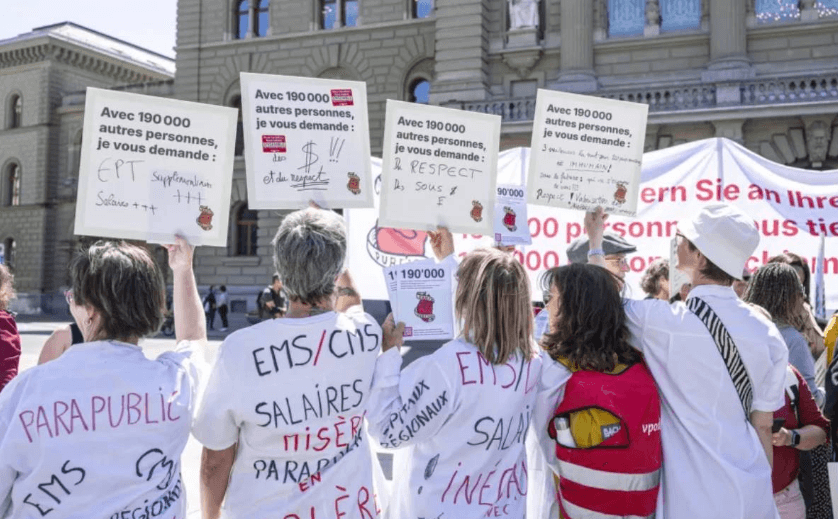
Labor unions in Switzerland have raised concerns over government actions affecting nurses, despite a severe shortage in the healthcare sector. The situation has triggered criticism and growing tension between healthcare workers and authorities.

Switzerland currently faces a shortage of approximately 14,000 nurses. Many hospitals and healthcare facilities struggle to fill vacancies, putting pressure on existing staff and reducing service efficiency.

Nurses have requested a reduction in weekly working hours from 50 to 45 hours. However, the Swiss National Council has rejected this demand. Instead of easing workloads, authorities continue to enforce existing policies, which unions argue worsen working conditions.

The government has also delayed proposals for higher pay on Sundays and public holidays. Officials have indicated that only a 25% increase in pay will apply, disappointing many healthcare workers who expected better compensation.

Labor unions warn that these decisions could deepen the crisis. They argue that failing to support nurses may lead to increased resignations and further shortages in the healthcare system.

The ongoing dispute highlights serious challenges in Switzerland’s healthcare sector. As pressure mounts, the government faces growing calls to take immediate action to support nurses and stabilize the system.