

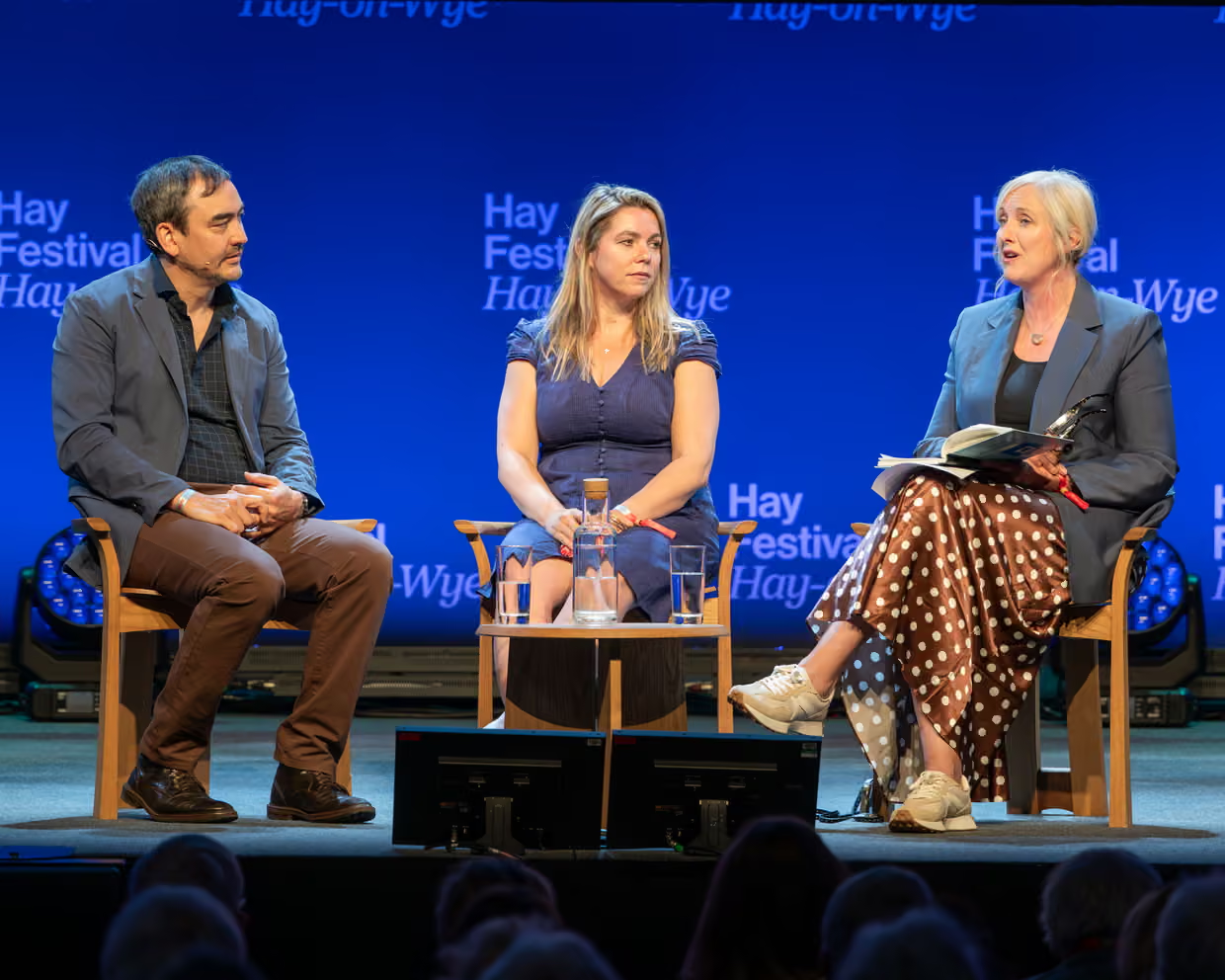

Meta Legal Action Silences Facebook Whistleblower at Hay Festival.
Facebook whistleblower Sarah Wynn-Williams was unable to speak during a panel discussion at the Hay Festival after legal warnings linked to ongoing action by Meta, the parent company of Facebook and Instagram.
Wynn-Williams, who authored the bestselling memoir Careless People, was scheduled to appear in conversation with investigative journalist Carole Cadwalladr and academic Tim Wu. However, she remained silent on stage throughout the hour-long event, following legal advice that speaking could risk further sanctions.
Her book details allegations about her experience working at Facebook, including claims related to internal company culture, political influence, and concerns about the platform’s impact on young users. Meta has strongly disputed the claims made in the publication.
During the session, Wynn-Williams was physically present but unable to speak, respond, or even gesture, as she faced restrictions stemming from an emergency legal order obtained by Meta. The order reportedly prohibits her from publicly discussing certain aspects of her book and imposes significant financial penalties for breaches.
The unusual situation drew strong reactions from the audience and speakers. Carole Cadwalladr described the moment as unprecedented, while audience members later gave Wynn-Williams a standing ovation in a show of support.
Festival organisers also referred to the moment as an act of solidarity with someone they described as being silenced under legal pressure. The event has since sparked wider debate about free speech, corporate power, and the limits of legal action in restricting public discussion.
Meta has maintained that the legal measures are necessary and continues to challenge the claims made in the whistleblower’s book through legal channels. The case highlights ongoing tensions between large technology companies and former employees who publish critical accounts of their internal operations.
As discussions around tech accountability grow, the incident at the Hay Festival has become a focal point in the broader debate over transparency, whistleblower protections, and freedom of expression in the digital age.