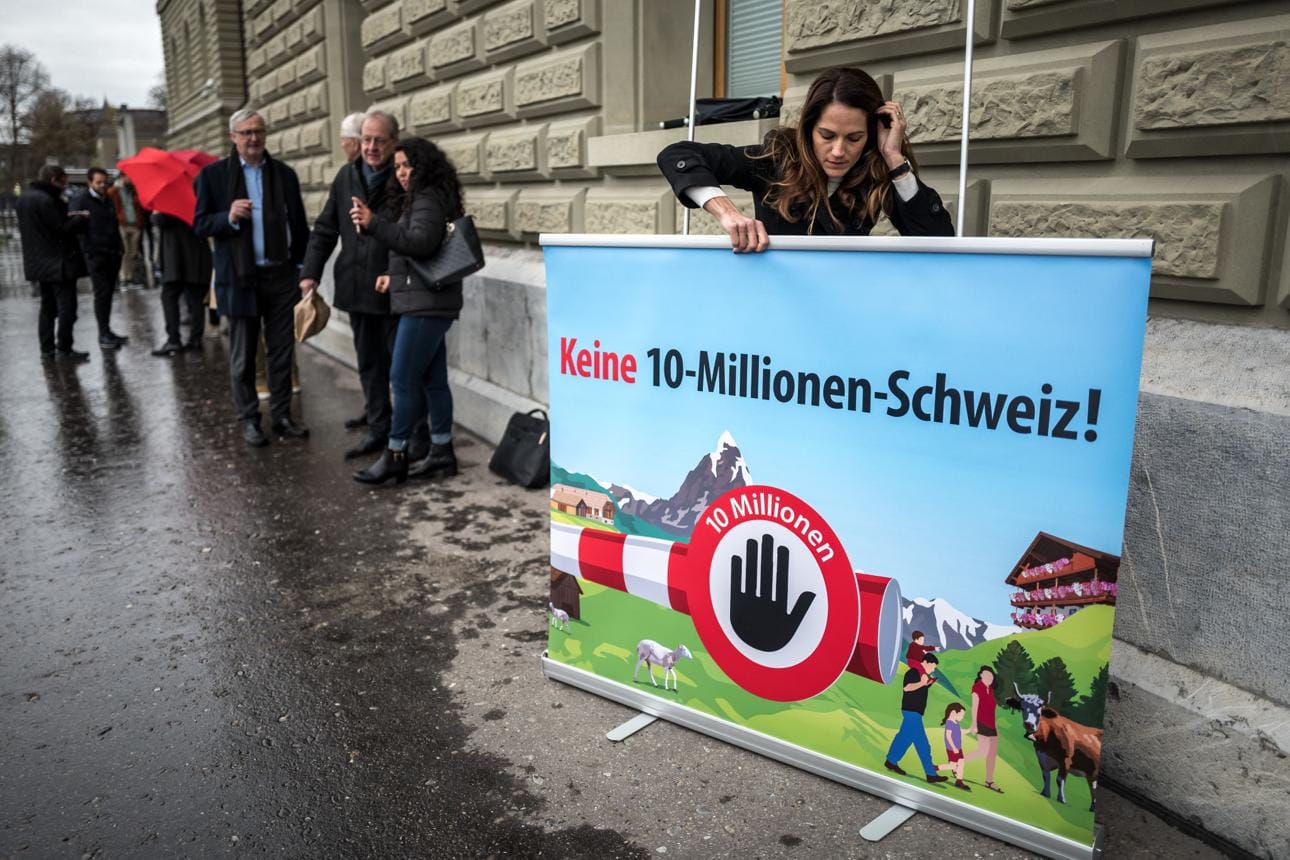
Swiss Expert Rejects “10 Million Population” Fear Claim.

A Swiss population expert has stated that Switzerland is unlikely to reach the controversial 10 million population threshold, even as political debate intensifies over immigration and population growth limits.

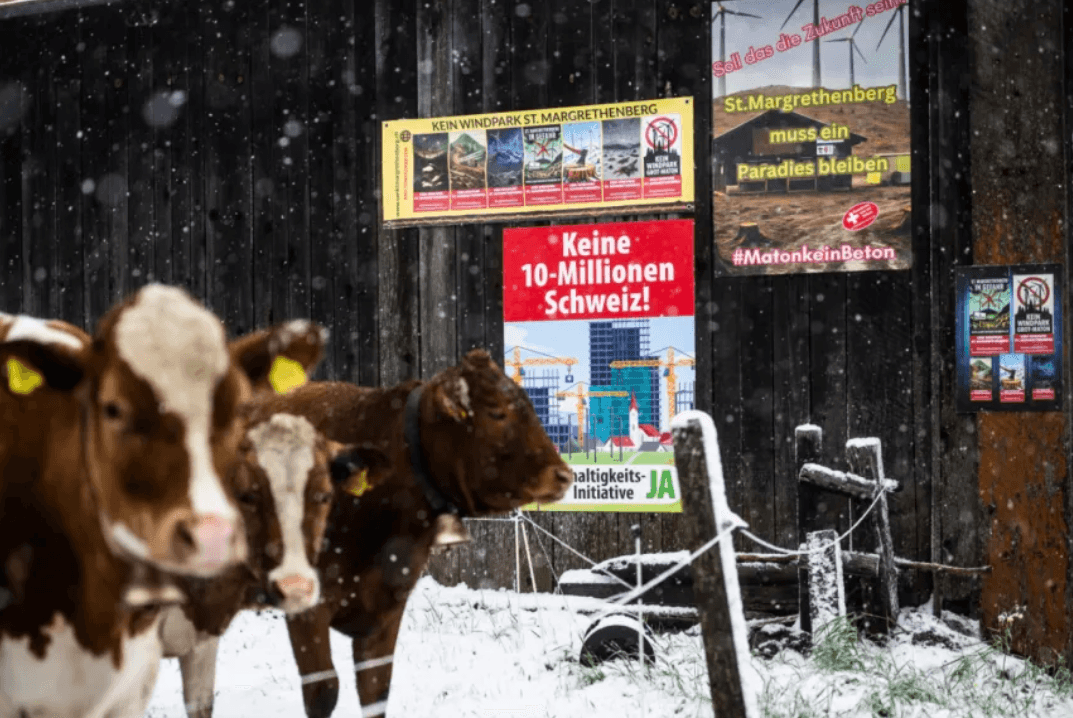
The discussion has been driven by a proposal titled “No to 10 Million Switzerland,” supported by the Swiss People’s Party, which aims to restrict population growth by limiting immigration into the country.

The initiative has gained significant public attention and is scheduled for a nationwide vote on June 14. The proposal argues that Switzerland should take stronger measures to prevent population growth from exceeding 10 million, mainly through tighter immigration controls.

However, a population specialist has challenged these concerns, stating that Switzerland is unlikely to reach the 10 million mark under current demographic trends. The expert’s remarks directly question the assumptions behind the initiative and its long-term projections.

The debate reflects broader tensions in Swiss politics over immigration, labor needs, housing pressure, and national identity. While supporters of the initiative emphasize limits on population growth, critics argue that Switzerland’s economy depends heavily on skilled migration.

As the vote approaches, the issue is expected to remain a central topic in Swiss political discourse, with strong opinions on both sides regarding the future direction of the country’s population policy.

Swiss Cantons Oppose Converting Asylum Status Into Work Permits

Several Swiss cantons have opposed a federal proposal that would allow asylum seekers with temporary protection status to convert their residency into work permits after five years.

The Conference of Cantonal Directors of Social Affairs of Central Switzerland warned that the policy could place significant financial pressure on cantons and municipalities across Switzerland.

The debate mainly concerns refugees holding Switzerland’s temporary protection status S, many of whom arrived from Ukraine following the ongoing conflict. Cantonal authorities argue that status S was originally designed as a short-term humanitarian measure rather than a pathway to permanent residence.

According to the cantons, automatically converting S permits into B residence permits after five years would fundamentally change the purpose of the protection system. Officials stated that such a move would transform a temporary protection mechanism into a long-term immigration model.

The cantons also criticized the federal government’s financial approach. Under the proposal, Bern plans to reduce or stop federal financial support after five years, while local governments would continue covering social welfare and integration costs.

Regional leaders are now demanding greater authority over social assistance policies and adjustments to federal regulations to ensure that cantons are not left carrying the long-term financial burden alone.

The Conference of Cantonal Directors of Social Affairs of Central Switzerland includes the cantons of Lucerne, Uri, Schwyz, Nidwalden, Obwalden, and Zug.

The issue is expected to remain politically sensitive as Switzerland continues balancing refugee protection policies with economic and social integration challenges.

93-Year-Old Chinese Widow Ordered to Leave Switzerland.

A 93-year-old Chinese woman has been ordered to leave Switzerland despite receiving intensive care from her daughter living in the country.

The decision was confirmed by the Bern Administrative Court after authorities ruled that the legal requirements for residency based on family dependency had not been sufficiently proven.

The elderly woman’s daughter, who holds a Swiss passport, lives with her family in the Bern region. In 2018, she travelled to China to care for her seriously ill father.

Following his death, she brought her mother to Switzerland in late 2021 on a visa and later applied for a residence permit on humanitarian and family grounds.

According to the appeal documents, the 93-year-old widow suffers from mild dementia and several age-related health conditions.

Her legal representatives argued that she was emotionally and psychologically dependent on her daughter for daily support and care.

However, the Bern Administrative Court ruled that Swiss immigration law requires proof of an “indispensable dependency” to justify a right to remain in the country for family reasons.

The judges concluded that this level of dependency had not been clearly established in the case.

The court also stated that medical diagnoses such as mild dementia do not automatically guarantee residency rights in Switzerland. Judges further argued that appropriate care could still be arranged in the woman’s hometown of Nanjing in China.

Additionally, the court found that the woman lacked sufficiently strong ties to Switzerland to qualify for a pensioner residence permit.

Authorities also rejected claims of humanitarian hardship, stating that there was insufficient evidence proving that returning to China would result in a premature death.

The woman has been ordered to leave Switzerland before June 17, 2026. However, the case may still be appealed to the Swiss Federal Court, leaving a final legal decision pending.

The ruling has sparked discussion among immigration observers and human rights advocates regarding elderly care, family reunification policies, and humanitarian considerations within the Swiss legal system.

Swiss Immigration Vote Sparks Nationwide Debate Ahead of Referendum

A major political debate is gaining momentum in Switzerland as the country prepares for a crucial national referendum on immigration. The proposal, widely known as “No to 10 Million Switzerland,” aims to limit the country’s population growth by introducing stricter immigration controls. The referendum is scheduled to take place on June 14 and has already attracted nationwide attention unlike any recent public vote in the country.

The proposal was introduced by the Swiss People’s Party, a political group known for its strong stance against large-scale immigration. Supporters of the initiative argue that rapid population growth is increasing pressure on housing, transportation, healthcare, and public infrastructure across Switzerland. They believe tighter immigration policies are necessary to protect the country’s long-term stability and quality of life.

However, strong opposition to the proposal is also growing across the country. Business leaders, economists, and several political groups warn that reducing immigration could create serious labor shortages in key sectors. Industries including healthcare, construction, hospitality, and technology heavily depend on foreign workers to maintain daily operations and economic growth.

Critics of the proposal argue that immigration plays a vital role in strengthening the Swiss economy. They say limiting the number of immigrants could slow economic development, reduce workforce availability, and negatively impact Switzerland’s international competitiveness. Many experts also point out that skilled migrants contribute significantly to innovation, productivity, and tax revenue.

As the referendum date approaches, both supporters and opponents are spending heavily on nationwide campaigns to influence voters. Political advertisements, public debates, social media campaigns, and television discussions have intensified in recent weeks, turning the immigration referendum into one of the most talked-about political issues in Switzerland this year.

The outcome of the vote could shape the future of immigration policy in Switzerland and influence debates across Europe. With public opinion sharply divided, the referendum is expected to become a defining political moment for the country.

Record CHF15.5 Million Spent on Swiss Immigration Referendum Campaigns

Political groups in Switzerland are spending record amounts ahead of the upcoming “No to ten million” immigration referendum, with campaign budgets reaching CHF15.52 million so far.

According to figures released by the Swiss Federal Audit Office, this is the highest declared campaign spending since Switzerland introduced mandatory political budget reporting rules.

Swiss voters are scheduled to head to the polls on June 14 to decide whether stricter immigration limits should be introduced.

The campaign supporting the initiative has so far declared CHF6.44 million in funding. Much of the financial backing comes from the Swiss People’s Party, including contributions from current and former politicians as well as business figures linked to the party.

Meanwhile, opponents of the proposal have declared approximately CHF9 million in donations. More than CHF4 million reportedly comes from Economiesuisse, the Swiss Business Federation, which argues that restricting immigration could damage the country’s economy and labour market.

The “No to ten million” initiative has become one of the most politically divisive issues in Switzerland, with supporters arguing that population growth is placing pressure on housing, infrastructure, and public services. Opponents warn that limiting immigration could weaken economic growth, worsen labour shortages, and reduce tax revenues.

Campaign spending linked to another national vote concerning amendments to the Civilian Service Act remains comparatively modest and more balanced between supporters and opponents.

Political analysts say the sharp rise in referendum campaign spending reflects the growing importance of immigration and economic policy debates in Swiss national politics.

Swiss Households Could Pay CHF 635 More Per Year if Anti-Immigration Proposal Passes

Switzerland households could face higher annual costs if the proposed “No to 10 million” anti-immigration initiative is approved, according to opponents of the plan.

Campaigners against the proposal warn that the policy could increase the average household burden by around CHF 635 per year, driven by reduced tax revenues, higher public service costs, and increased pressure on the national economy.

The initiative aims to significantly restrict immigration levels in Switzerland, but critics argue that such limits would weaken the country’s labour market and strain public finances.

Opponents claim that fewer working-age migrants would reduce tax contributions while increasing per-capita costs for healthcare, pensions, and infrastructure. They also warn that businesses could face labour shortages, potentially slowing economic growth.

The warning adds to a growing debate ahead of the referendum on whether Switzerland should introduce stricter population controls. Government-linked analyses have previously suggested that long-term fiscal impacts could outweigh any benefits such as reduced housing pressure.

Supporters of the initiative argue that limiting population growth would ease housing shortages and reduce overcrowding in urban areas, but critics say these gains would be limited compared to broader economic losses.

The proposal remains highly contested, with both sides presenting sharply different forecasts about its impact on the economy and everyday living costs.

Swiss Population Cap Could Cost Billions, Study Warns

Switzerland could face significant long-term economic losses if the proposed “No to ten million” population cap initiative is approved, according to a new study published by the Swiss migration authorities ahead of the upcoming federal referendum.

The report, released by the government’s migration office, concludes that restricting immigration would provide only limited relief to housing pressure, while generating substantial financial costs for the economy and public finances.

While the study acknowledges that limiting population growth could slightly ease overcrowding in certain urban areas and the housing market, it states that these benefits would be far smaller than the broader economic consequences.

The analysis warns that Switzerland’s pension system would be severely affected, with the state pension fund potentially losing several billion francs annually over the coming decades due to a shrinking workforce.

It also projects a decline in tax revenues, noting that public income would fall more sharply than government spending reductions. As a result, the share of healthcare and social costs relative to national income would increase compared to a scenario without population limits.

The report further states that savings in social assistance and supplementary benefits would not be sufficient to compensate for reduced tax income. This imbalance could eventually lead to higher taxes for residents, particularly impacting the working-age population.

The initiative, which proposes limiting Switzerland’s population growth to around ten million people, has sparked strong political debate, especially regarding its impact on economic stability, labour shortages, and public services.

The study concludes that while migration control may offer short-term relief in specific sectors, the long-term fiscal impact could be significantly negative for the Swiss economy.

Switzerland Voters Divided Over Proposal to Limit Population to 10 Million

A new opinion poll shows voters in Switzerland are evenly divided over a proposed referendum that aims to limit the country’s population to 10 million people before 2050.

The initiative, supported by the Swiss People’s Party (SVP), will go to a national vote on June 14. The proposal calls for stricter immigration controls and suggests Switzerland should end its freedom of movement agreement with the European Union if the population limit is exceeded.

According to a survey conducted by polling company GfS Bern for Swiss public broadcaster SRG, 47% of respondents support the proposal, while another 47% oppose it. The remaining participants said they were undecided. The poll included nearly 20,000 respondents and had a margin of error of plus or minus 2.8 percentage points.

Supporters of the proposal argue that rapid population growth is placing pressure on housing, transportation, healthcare, and public infrastructure across Switzerland. Concerns about overcrowding and rising living costs have increased public debate on immigration and urban development.

However, the Swiss government opposes the initiative and warns that ending free movement agreements with the European Union could harm Switzerland’s economy, labour market, and international cooperation. Business groups also fear that stricter immigration rules may create worker shortages and reduce economic growth.

Switzerland’s population recently surpassed 9 million people, and official statistics show that foreign nationals accounted for more than 27% of the country’s population in 2024.

Switzerland Could Face Major Worker Shortages Under Anti-Immigration Proposal

Switzerland could face severe labour shortages if voters approve the proposed anti-immigration initiative, according to new economic and demographic studies.

Experts warn that Switzerland may experience a shortage of tens of thousands of workers in the coming years due to an aging population, low birth rates, and increasing retirements. Immigration currently plays a key role in filling positions across healthcare, construction, technology, hospitality, and manufacturing sectors.

Research estimates suggest the country could face a workforce shortage ranging between 87,000 and 245,000 employees depending on future immigration policies and economic conditions.

Swiss businesses and economic analysts say restricting immigration could place additional pressure on the labour market and slow economic growth. Many industries already struggle to recruit qualified workers, especially in highly skilled professions.

Supporters of the anti-immigration proposal argue that stricter migration controls would reduce pressure on housing, transportation, and public services. However, critics believe the measure could weaken Switzerland’s economy and create long-term workforce challenges.

Economists say foreign workers remain essential to maintaining Switzerland’s healthcare system, public infrastructure, and business operations. The debate over immigration continues to be one of the country’s most important political and economic discussions in 2026.

Migrants Essential for Switzerland’s Pension System, Minister Says

Elisabeth Baume-Schneider has stated that migrant workers play a crucial role in sustaining Switzerland’s public pension system. Speaking in a recent media interview, the minister responsible for social insurance highlighted the importance of immigration in maintaining the financial stability of the country’s pension scheme.

According to Baume-Schneider, many residents in Switzerland receive more in pension benefits than they contribute during their working years. This imbalance makes the contributions of foreign workers essential to keeping the system financially balanced. She emphasized that migrant workers typically pay more into social insurance programs than they withdraw in benefits.

The minister’s remarks come amid ongoing political debate surrounding the “No to 10 million” immigration control initiative. The proposal, supported by Swiss People’s Party, argues that foreign nationals place a burden on Switzerland’s social welfare system.

However, Baume-Schneider strongly rejected this claim. She warned that Switzerland’s aging population is increasing rapidly, and without migrant workers actively participating in the labor market, it would become increasingly difficult to sustain the pension system in the long term.

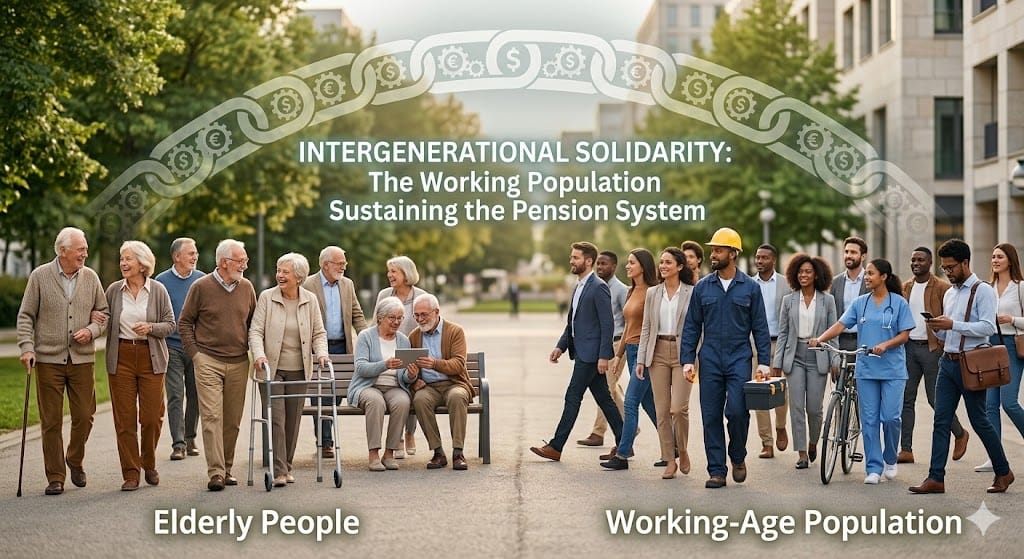
Switzerland’s AHV Pension System operates on a pay-as-you-go model, where current workers fund the pensions of retirees. In this system, a steady and sufficient workforce is critical to ensure continuous payments. The minister stressed that immigration remains a key factor in maintaining this balance.

This issue has become a central topic in Switzerland’s economic and political discussions, as the country seeks to balance demographic challenges with sustainable social security policies. The outcome of the ongoing debate will significantly influence the future of Switzerland’s pension system and immigration strategy.