Switzerland Praises WHO for Strong Hantavirus Management.

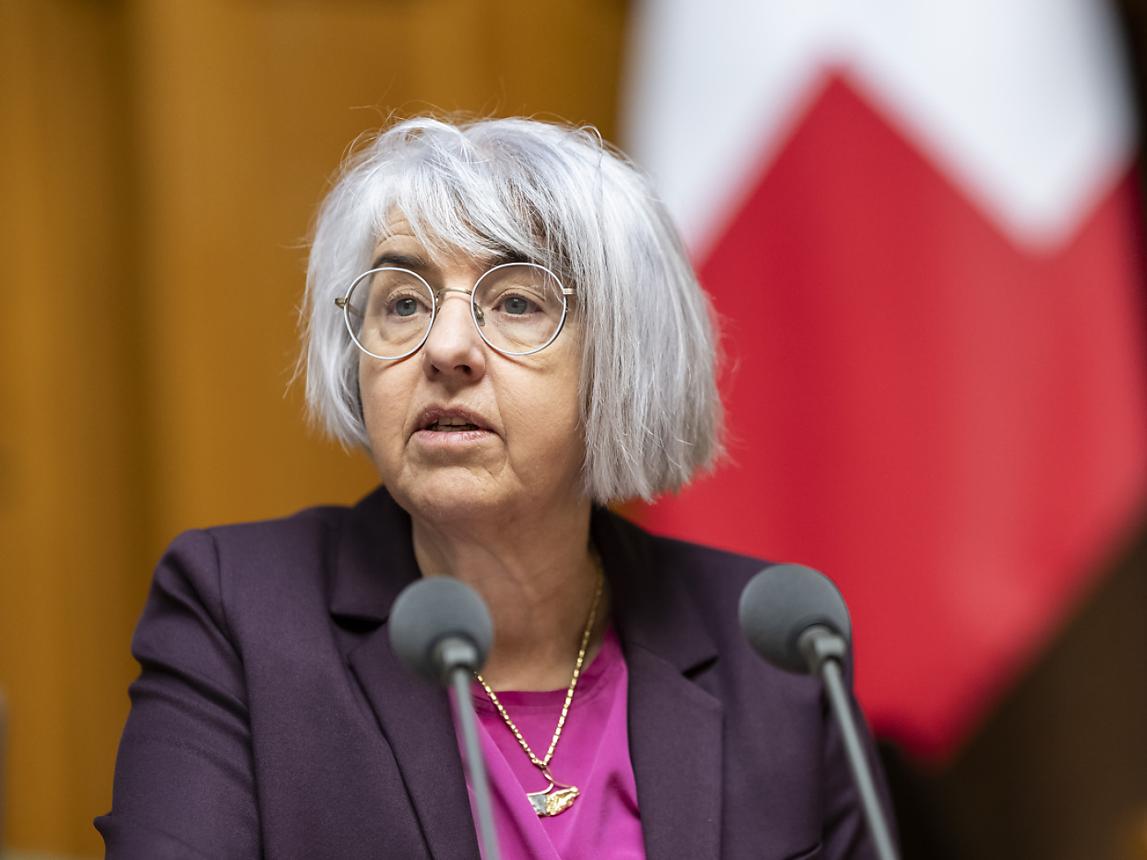
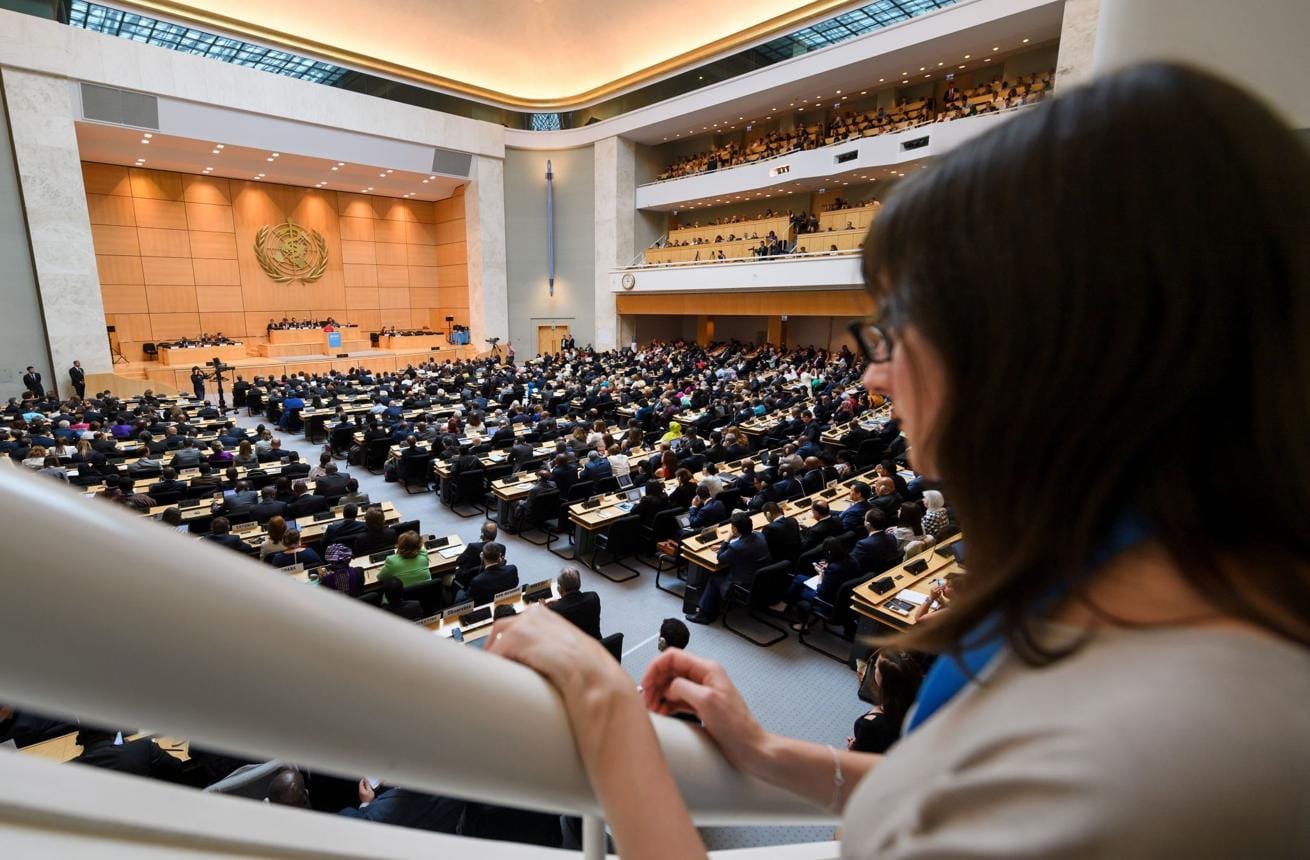
Switzerland has praised the role of the Geneva-based World Health Organization (WHO) for leading the global response to the hantavirus outbreak. During the opening of the World Health Assembly in Geneva, Swiss Interior Minister Elisabeth Baume-Schneider emphasized the importance of international cooperation and transparent health communication during future global health emergencies.

Baume-Schneider stated that the WHO remains an essential institution for global public health despite growing political pressure and financial challenges. She called for a realistic and efficient international system that allows countries to share pathogen information and medical countermeasures quickly during pandemics. Switzerland strongly believes that global cooperation is necessary to prevent future health crises and protect millions of lives worldwide.

The minister also highlighted the WHO’s active response to both hantavirus and Ebola outbreaks. She acknowledged that the organization continues to perform its responsibilities effectively even after facing a budget reduction of nearly $1 billion and the loss of approximately 1,300 staff members. Switzerland reaffirmed its support for the WHO and stressed that the organization plays a critical role in global disease monitoring, emergency response, and healthcare coordination.

Recent criticism from countries such as the United States and Argentina has created uncertainty around the WHO’s future funding and leadership. However, Switzerland continues to support the Geneva-based organization and recognizes its contribution to international health security. Swiss officials believe that strengthening the WHO will improve global preparedness for future pandemics and emerging infectious diseases.

Experts say hantavirus infections remain a serious public health concern in several regions worldwide. The disease spreads mainly through contact with infected rodents and can cause severe respiratory complications. Health authorities continue to monitor the situation closely while encouraging countries to improve disease surveillance and emergency response systems.

Baume-Schneider Praises WHO Response to Hantavirus Management

Swiss Interior Minister Elisabeth Baume-Schneider has praised the World Health Organization (WHO) for its ongoing management of the hantavirus response, highlighting the importance of strong international coordination in global health emergencies.

Speaking in Geneva at the start of the World Health Assembly, Baume-Schneider emphasized that the WHO remains “irreplaceable” despite facing financial pressure and workforce reductions in recent years.

She noted that the organization is continuing to play a key role in managing current health threats, including hantavirus and Ebola, even after significant budget cuts and nearly 1,300 job reductions.

Baume-Schneider also called for a more “realistic and functional” global system for sharing information about pathogens and countermeasures during future pandemics.

A key focus of ongoing discussions is the proposed pathogen-related sharing system (PABS), which aims to regulate how countries share biological data and medical resources in the event of outbreaks.

However, member states have yet to reach a consensus on the framework, despite an agreement reached in 2025 aimed at strengthening global pandemic preparedness.

Switzerland has reiterated its support for a practical and enforceable system that ensures clear responsibilities and effective coordination between countries.

The statement comes amid increasing global debate over the role and funding of the WHO, particularly after criticisms and partial withdrawals from some countries.

ILO Warns of 14 Million Job Loss Risk

The International Labour Organization (ILO), based in Geneva, has warned that an escalating crisis in the Middle East could lead to severe global job losses if oil prices continue to surge.

According to a new report published on Monday, the organization estimates that up to 14 million full-time equivalent jobs could be lost this year if the price of oil rises by 50% above early-year averages. By 2027, this number could increase dramatically to around 38 million jobs worldwide.

The ILO report highlights that global working hours may fall by 0.5% this year and by 1.1% next year, reflecting a broader slowdown in economic activity linked to energy price shocks and geopolitical instability.

Real labour income is also expected to decline significantly. The report projects losses of 1.1% this year and up to 3% next year, representing an estimated global income reduction of $1.1 trillion and $3 trillion respectively.

Unemployment rates are also expected to rise modestly but steadily, increasing by 0.1 percentage points this year and 0.5 percentage points in the following year.

The report notes that regions such as Arab states and Asia-Pacific economies are likely to be the most heavily affected due to their strong economic ties to Gulf oil markets and energy supply chains.

In the most severe scenario, working hours in Arab countries could drop by more than 10%, a level of disruption described by ILO economists as significantly worse than the early impact of the COVID-19 pandemic.

ILO Chief Economist Sangheon Lee described the situation as a “slow and potentially long shock,” warning that the effects could persist if geopolitical tensions and energy instability continue.

The findings highlight growing concerns about how regional conflicts can trigger global economic ripple effects, particularly through energy prices, inflation, and labour market instability.

Geneva Scientists Advance Diabetes Cure.

Scientists at the University of Geneva have announced a major breakthrough that could pave the way toward an insulin-free future for patients with type 1 diabetes.

Researchers from University of Geneva and Geneva University Hospitals have developed an innovative hydrogel called Amniogel, which has shown promising results in preclinical tests on mice.

The study, led by Professor Ekaterine Berishvili, focuses on improving the survival and function of insulin-producing cells after transplantation into the body. Traditional pancreatic islet transplants often face challenges such as immune rejection, inflammation, and poor blood supply, especially when placed in the liver.

Amniogel, derived from human amniotic membrane, helps create a supportive microenvironment for transplanted cells. It promotes the formation of a microvascular network before transplantation, allowing better integration with the host’s bloodstream.

Researchers say this “protective environment” enables the transplanted cells to function effectively and maintain normal blood glucose levels.

In experiments involving diabetic mice, small grafts using the hydrogel maintained stable blood sugar levels for at least 100 days without the need for external insulin injections.

This marks a significant step forward in the development of a bioartificial pancreas, a long-term goal in diabetes research aimed at reducing or eliminating the need for daily insulin therapy.

The next phase of research will focus on scaling up the technology, increasing graft size and quantity, and preparing for potential human clinical trials.

Beyond diabetes treatment, scientists believe the hydrogel platform could be adapted for other types of cell-based therapies, potentially opening new possibilities in regenerative medicine.

Geneva Prepares Special Security Measures Ahead of G7 Summit in Evian

Authorities in Switzerland are preparing extensive security measures ahead of the upcoming G7 Summit scheduled to take place in Evian, France, near the Swiss border.

The Geneva Public Prosecutor’s Office has announced a large-scale operational plan to handle potential incidents during the summit, which will run from June 15 to June 17 on the French side of Lake Geneva.

Geneva public prosecutor Olivier Jornot said authorities are preparing for the “most dangerous scenario,” including possible mass arrests linked to protests or security incidents.

To manage the expected pressure, the prosecutor’s office plans to double or even triple its usual staffing levels during the summit period. Up to six prosecutors per day will reportedly be placed on standby to handle urgent legal procedures.

Officials also confirmed that routine hearings involving detainees will be significantly reduced during the summit in order to prioritize emergency response and security-related cases.

Security planning has identified two main risk areas. The first involves potential threats against heads of state and delegations, which falls under federal-level Swiss security responsibility. The second concerns civil disturbances, including protests, vandalism, and property damage, which will be handled by Geneva authorities.

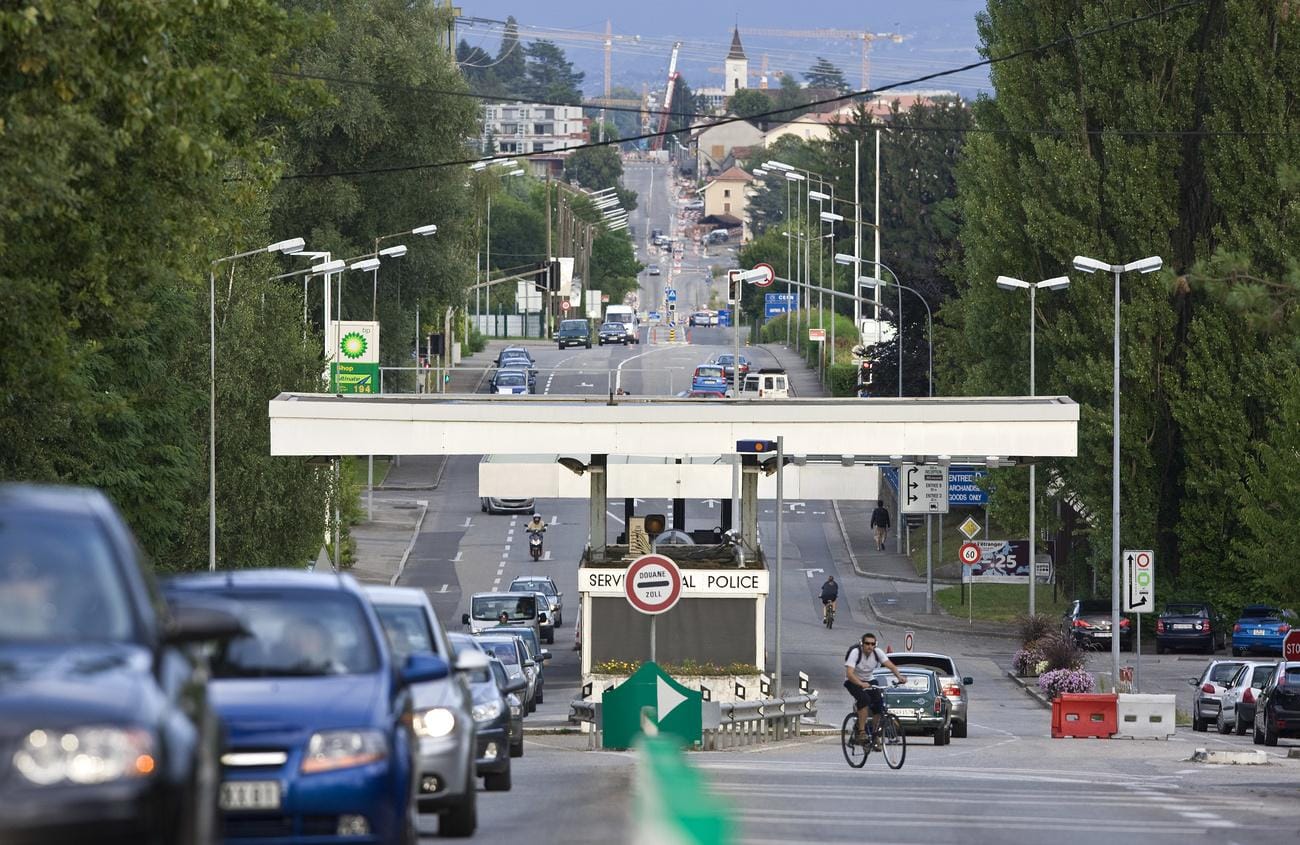
In response to these risks, Geneva will also tighten border controls during the summit period. Between June 12 and June 18, only seven of the canton’s 35 border crossings will remain open to regulate movement and strengthen security monitoring.

Authorities have cited lessons learned from the 2003 G8 summit in Evian, when protests led to significant damage on the Swiss side of the border.

The coordinated Swiss-French security strategy highlights the importance of cross-border cooperation during major international political events held in the Lake Geneva region.

Royal Pop Watches Trigger Massive Queues Across Switzerland

The launch of the new Royal Pop watch collection by Swatch Group created huge excitement across Switzerland, with hundreds of people lining up outside stores in multiple cities.

Large crowds began gathering from Friday night in hopes of purchasing the trendy new watches when sales officially opened on Saturday morning. In Geneva alone, more than a thousand people reportedly filled nearby streets around the Swatch store as police officers monitored the growing crowds.

Hundreds of customers also gathered near the Swatch Group headquarters in Biel/Bienne, while around 400 people queued outside the Zurich store early Saturday morning. Due to the overwhelming demand, the Zurich branch reportedly opened earlier than scheduled.

The situation became tense in some cities as crowd-control problems emerged. Local media reported scuffles and minor clashes in Basel and Lausanne, forcing police to intervene to maintain order and public safety.

Following the incidents, Swatch announced on Instagram that several stores would remain closed temporarily. Branches located on Rue du Marché in Geneva, as well as stores in Lausanne and Basel, were shut down due to safety concerns linked to the large crowds.

The Royal Pop launch quickly became one of the biggest retail events in Switzerland this year. Social media hype, limited availability, and growing collector interest contributed to the massive turnout.

Industry observers say the event highlights the strong global demand for limited-edition Swiss watches and the growing influence of hype-driven fashion culture. Videos and photos of long queues outside stores have already gone viral online, attracting international attention.

The Swiss watch industry continues to remain a major global luxury market, with brands increasingly using exclusive launches and social media marketing to drive consumer excitement.

Sri Lanka Mobile Embassy Service Successfully Held in Zurich, Switzerland

A mobile consular service organized by the Sri Lankan diplomatic mission in Zurich was successfully conducted on May 09 and 10, 2026, in collaboration with local Sri Lankan associations and community groups.

The initiative was coordinated by the Permanent Mission of Sri Lanka in Geneva to improve accessibility for Sri Lankans living in Switzerland. The service was designed to allow citizens to access essential embassy services without traveling long distances, ensuring greater convenience for the diaspora community.

The event was inaugurated by Sri Lanka’s Permanent Representative to the United Nations in Geneva, Ambassador Sumith Dassanayake. He stated that, under the guidance of Foreign Minister Vijitha Herath, similar mobile consular services will be expanded across Switzerland in the future, including cities such as Bern, Aargau, and Solothurn. The Zurich program marks the beginning of this broader initiative.

During the two-day service, the diplomatic team provided several important consular services. These included accepting passport applications, issuing birth registrations, providing e-BMD certified birth, marriage, and death certificates, processing dual citizenship applications, and certifying civil status documents and affidavits.

Alongside the consular work, the Ambassador also held discussions with key Sri Lankan community organizations in Switzerland, including the Swiss Sri Lanka Association and the Dharma Union (Hindu-Buddhist organization). These discussions focused on strengthening cooperation and improving services for the Sri Lankan community.

He also visited the Sri Bodhirajaramaya Buddhist Temple in Lenzburg and the Sri Sivasubramaniar Temple in Adliswil, where he engaged with community members and religious leaders to understand their concerns and needs.

This mobile embassy service is considered an important step toward improving diplomatic accessibility and delivering efficient public services to Sri Lankans living abroad.

Meghan Markle Travels to Switzerland for Online Child Safety Event

Meghan Markle will visit Geneva this weekend to support a major global initiative focused on online child safety and digital protection.

The Duchess of Sussex is expected to attend the inauguration of the Lost Screen Memorial at Place des Nations on May 17 alongside Tedros Adhanom Ghebreyesus, global health leaders, and families affected by online harm.

The event is being organised by World Health Organization and Archewell Foundation ahead of the 79th World Health Assembly.

The memorial will feature 50 illuminated lightboxes displaying the lock screen images of children who lost their lives due to online violence and digital harm. Meghan Markle is expected to honour the children remembered in the installation and call for stronger international protections for children online.

The exhibition will remain open in Geneva until May 22 and was created in partnership with The Parents’ Network.

Rare Watch Auction in Geneva Breaks Records with CHF33 Million in Sales

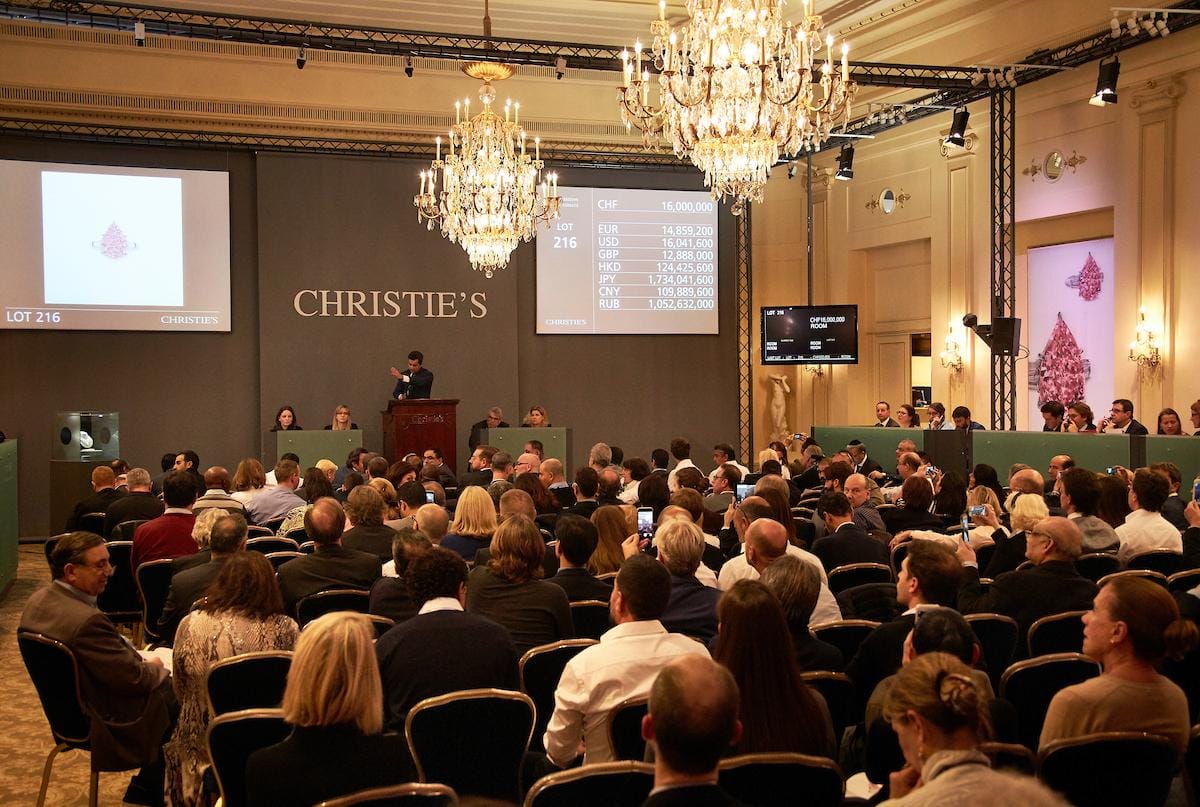
A luxury watch auction in Geneva has set a new sales record after collectors spent more than CHF33 million on rare timepieces during a major event organised by Christie’s.

The “Rare Watches” auction achieved total sales of CHF33,054,441, marking the highest amount ever generated by Christie’s for a multi-owner watch auction. The event also recorded a remarkable 99% sale rate per lot, with average final prices reaching 188% above their minimum estimates.

One of the standout pieces was the highly sought-after Cartier Crash London watch from 1990, which sold for CHF1,585,000 — more than triple its initial estimate and a new world record for the model.

The most expensive item of the auction was the extremely rare F.P. Journe Platinum Tourbillon Souverain Ref. T, which sold for CHF2,439,000. Originally introduced at Baselworld in 1999, the watch attracted intense interest from international collectors.

Another major highlight included the Patek Philippe Tiffany Blue Nautilus Ref. 5711/1A-018, which sold for CHF1,270,000. A rare Patek Philippe Ref. 3970EP-047 previously owned by American entertainment executive Michael Steven Ovitz also exceeded expectations, reaching CHF1,016,000.

According to Christie’s, the auction attracted strong international participation. Buyers from Europe, the Middle East, and Africa accounted for 44% of sales, while Asia-Pacific represented 19% and the United States 28%. Around 30% of participants were new customers to Christie’s auctions.

Remi Guillemin said the results demonstrate continued confidence in the global luxury watch market and growing demand for rare collector timepieces.

The auction also recorded strong performances for brands such as Audemars Piguet, A. Lange & Söhne, Daniel Roth, and Krayon, reflecting broad interest across the premium watch industry.

France Demands Switzerland Reform Cross-Border Jobless Benefits System

France is increasing pressure on Switzerland to reform unemployment benefit rules for cross-border workers following a new agreement between Switzerland and the European Union.

French Labour Minister Jean-Pierre Farandou urged Switzerland to accelerate implementation of the revised system, which would shift responsibility for unemployment payments to the country where a person works rather than where they live.

Under the current arrangement, France pays unemployment benefits to many French residents employed in Switzerland after they lose their jobs.

French officials argue that this system creates a major financial burden for neighbouring countries with large numbers of cross-border commuters.

Speaking before the French parliament, Farandou stated that France currently loses around €860 million annually under the existing rules.

He noted that a timetable for implementation has already been agreed with Luxembourg and stressed that Switzerland must also comply with agreements linked to the European Union.

The reform proposal follows nearly a decade of negotiations between EU member states and aims to modernise rules affecting thousands of cross-border workers across Europe.

However, Swiss authorities have raised concerns about the financial impact of the changes.

According to estimates from the State Secretariat for Economic Affairs (SECO), Switzerland could face additional annual costs ranging between CHF600 million and CHF900 million if the new rules are implemented.

The issue is particularly significant for border regions where many residents commute daily between France and Switzerland for work.

Analysts say the debate could become an important topic in future Switzerland-EU relations and labour market negotiations.

The proposed reform highlights the growing economic and political challenges surrounding cross-border employment in Europe as governments seek fairer distribution of social welfare costs.