


Switzerland Praises WHO for Strong Hantavirus Management.
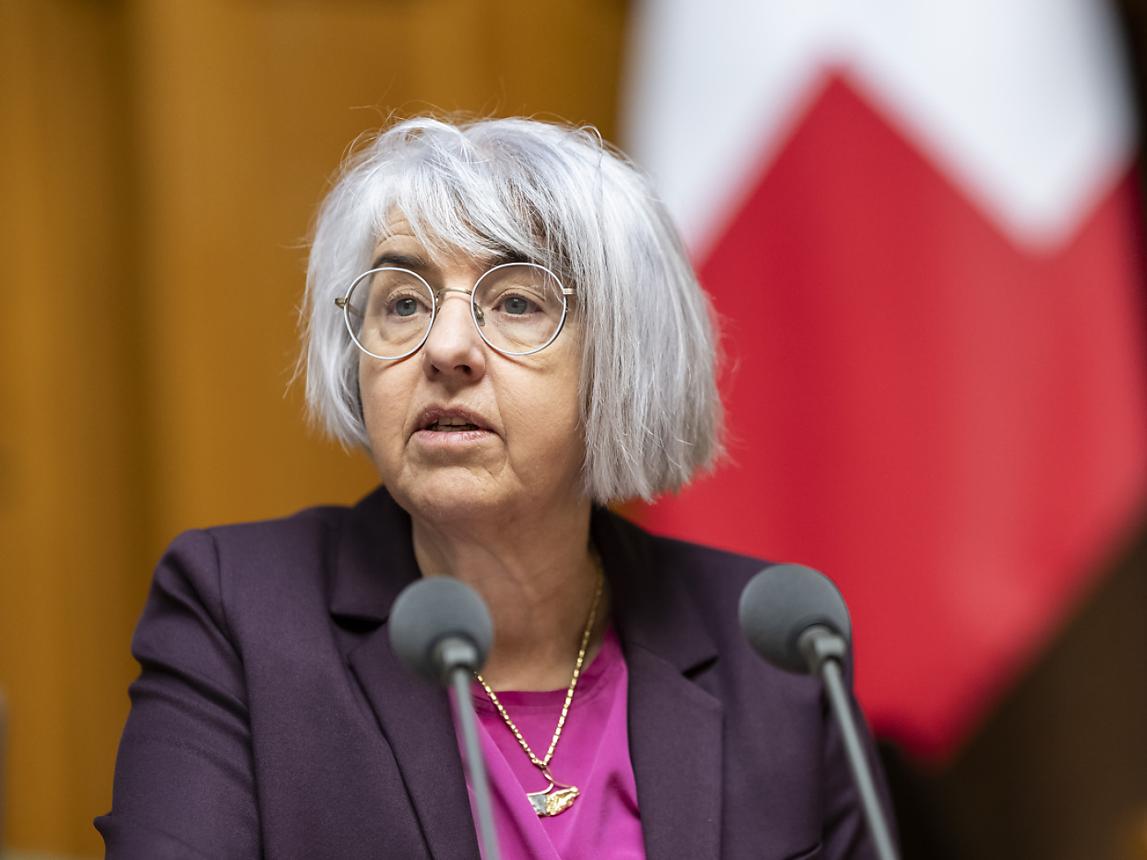
Switzerland has praised the role of the Geneva-based World Health Organization (WHO) for leading the global response to the hantavirus outbreak. During the opening of the World Health Assembly in Geneva, Swiss Interior Minister Elisabeth Baume-Schneider emphasized the importance of international cooperation and transparent health communication during future global health emergencies.
Baume-Schneider stated that the WHO remains an essential institution for global public health despite growing political pressure and financial challenges. She called for a realistic and efficient international system that allows countries to share pathogen information and medical countermeasures quickly during pandemics. Switzerland strongly believes that global cooperation is necessary to prevent future health crises and protect millions of lives worldwide.
The minister also highlighted the WHO’s active response to both hantavirus and Ebola outbreaks. She acknowledged that the organization continues to perform its responsibilities effectively even after facing a budget reduction of nearly $1 billion and the loss of approximately 1,300 staff members. Switzerland reaffirmed its support for the WHO and stressed that the organization plays a critical role in global disease monitoring, emergency response, and healthcare coordination.
Recent criticism from countries such as the United States and Argentina has created uncertainty around the WHO’s future funding and leadership. However, Switzerland continues to support the Geneva-based organization and recognizes its contribution to international health security. Swiss officials believe that strengthening the WHO will improve global preparedness for future pandemics and emerging infectious diseases.
Experts say hantavirus infections remain a serious public health concern in several regions worldwide. The disease spreads mainly through contact with infected rodents and can cause severe respiratory complications. Health authorities continue to monitor the situation closely while encouraging countries to improve disease surveillance and emergency response systems.