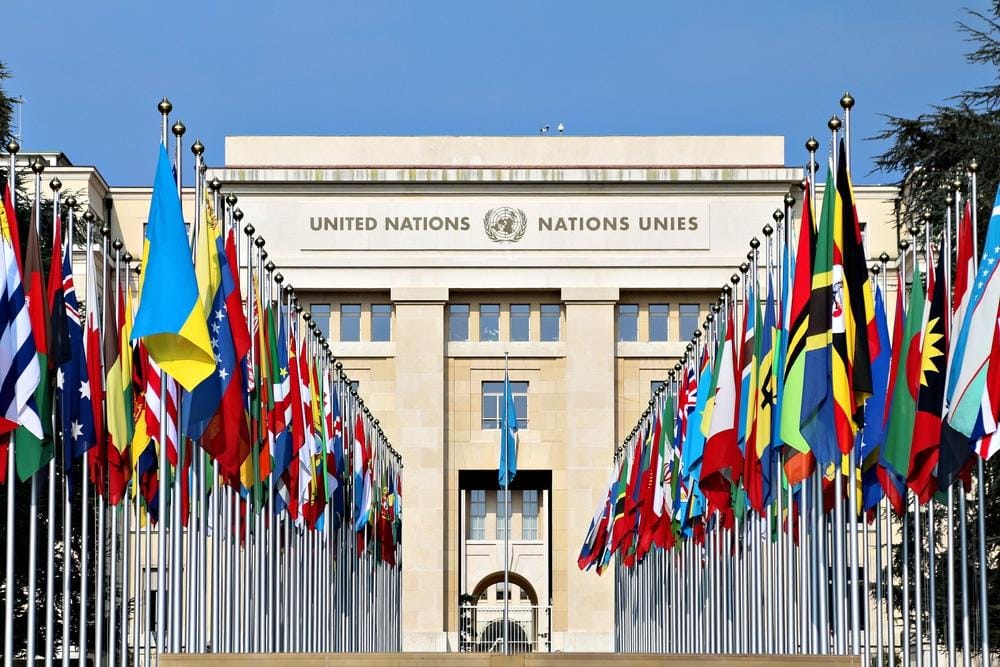
Switzerland Hosts Over 140 Foreign Diplomatic Missions.

Switzerland is widely recognized as one of the world’s most important diplomatic centers, hosting a large number of foreign embassies and international representations.

According to available figures, around 146 countries maintain official diplomatic representation in Switzerland. Of these, nearly half have established full embassies directly in the capital city, Bern.

Bern alone hosts approximately 91 foreign embassies, making it a key center for bilateral diplomatic relations. These embassies manage political, economic, and consular relations between Switzerland and their respective countries.

In addition to Bern, Geneva plays a crucial international role. The city is home to the United Nations Office at Geneva and dozens of other global organizations. Around 64 permanent missions representing various countries operate there, focusing on multilateral diplomacy and international cooperation.

Beyond embassies and permanent missions, Switzerland also hosts more than 180 consulates across different cities. These consular offices provide services such as visa processing, assistance to citizens abroad, and trade support.

While Bern serves as the political capital for diplomatic relations, Geneva functions as a global hub for international dialogue, peacebuilding, and humanitarian coordination.

Overall, Switzerland’s diplomatic network reflects its long-standing policy of neutrality and international engagement. With over 140 countries represented in various forms, the country continues to play a central role in global diplomacy and international governance.
Switzerland Ready for June G7 Summit.

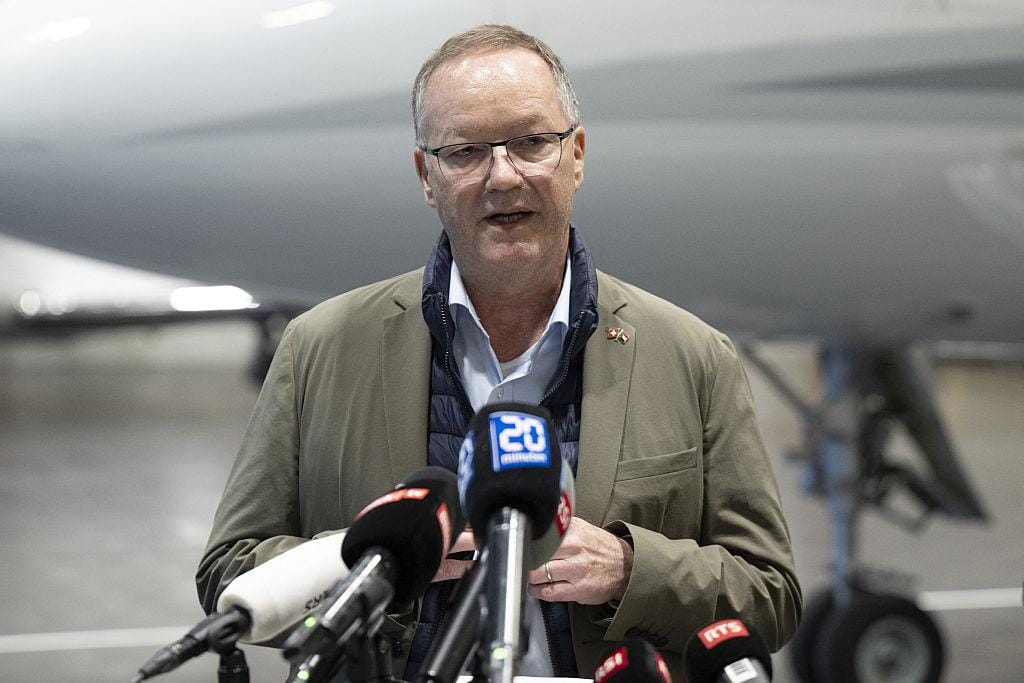
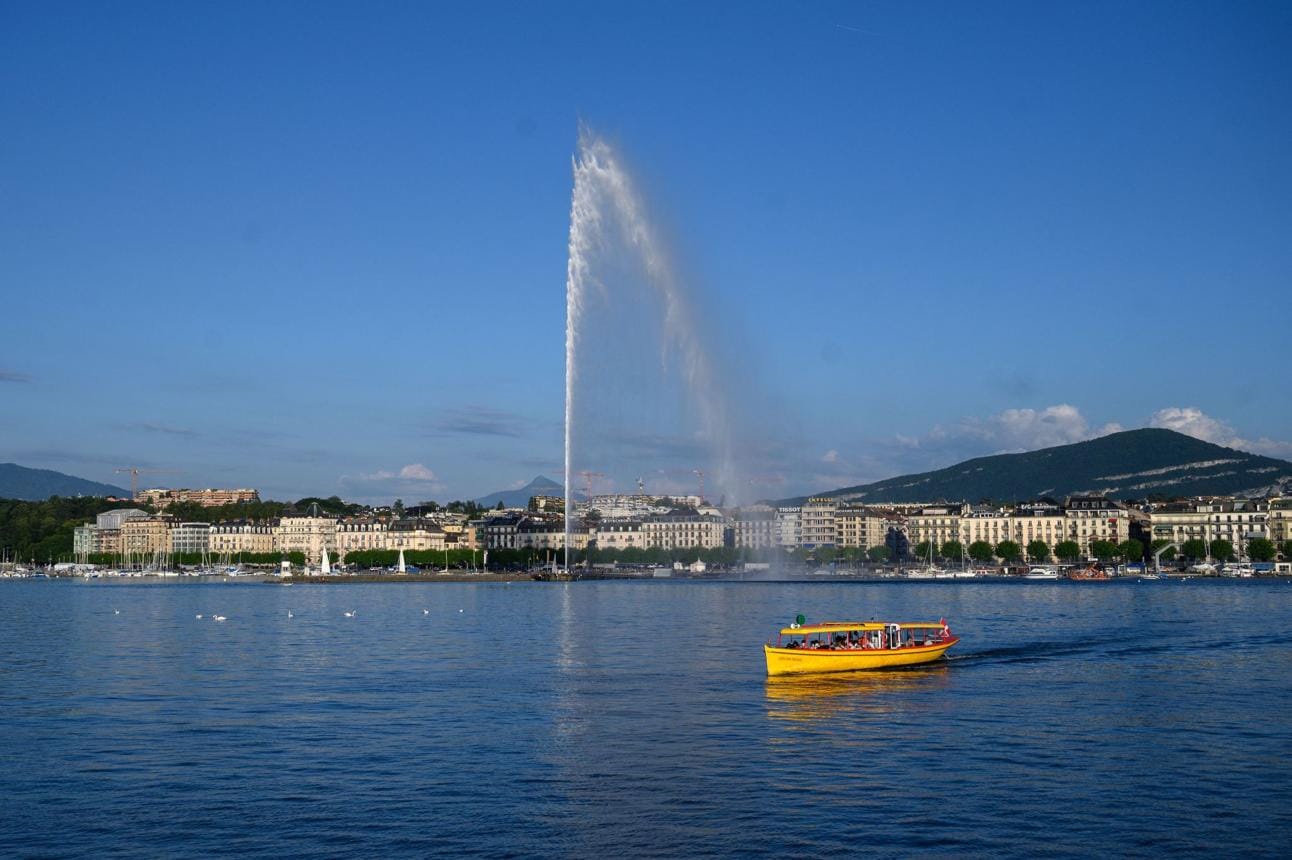
Switzerland is making final preparations for the upcoming G7 Summit in Evian, France, with Swiss President Guy Parmelin expressing confidence that the country will be ready for the high-profile international event. The summit, scheduled to take place from June 15 to 17, will bring together some of the world’s most influential political leaders.

As part of the event, several heads of state are expected to arrive through Geneva before attending meetings in nearby Evian. Parmelin said authorities are working closely on security, logistics, and diplomatic arrangements to ensure smooth operations throughout the summit period.

Speaking in Geneva, the Swiss president acknowledged that major international events often come with unexpected challenges. He recalled the 2021 summit between former US President Joe Biden and Russian President Vladimir Putin, noting that numerous unforeseen issues emerged during preparations.

Swiss authorities continue to coordinate with their French counterparts regarding security measures and financial responsibilities linked to the event. Discussions are ongoing concerning a potential French contribution toward Switzerland’s security costs, which Parmelin indicated could be significant.

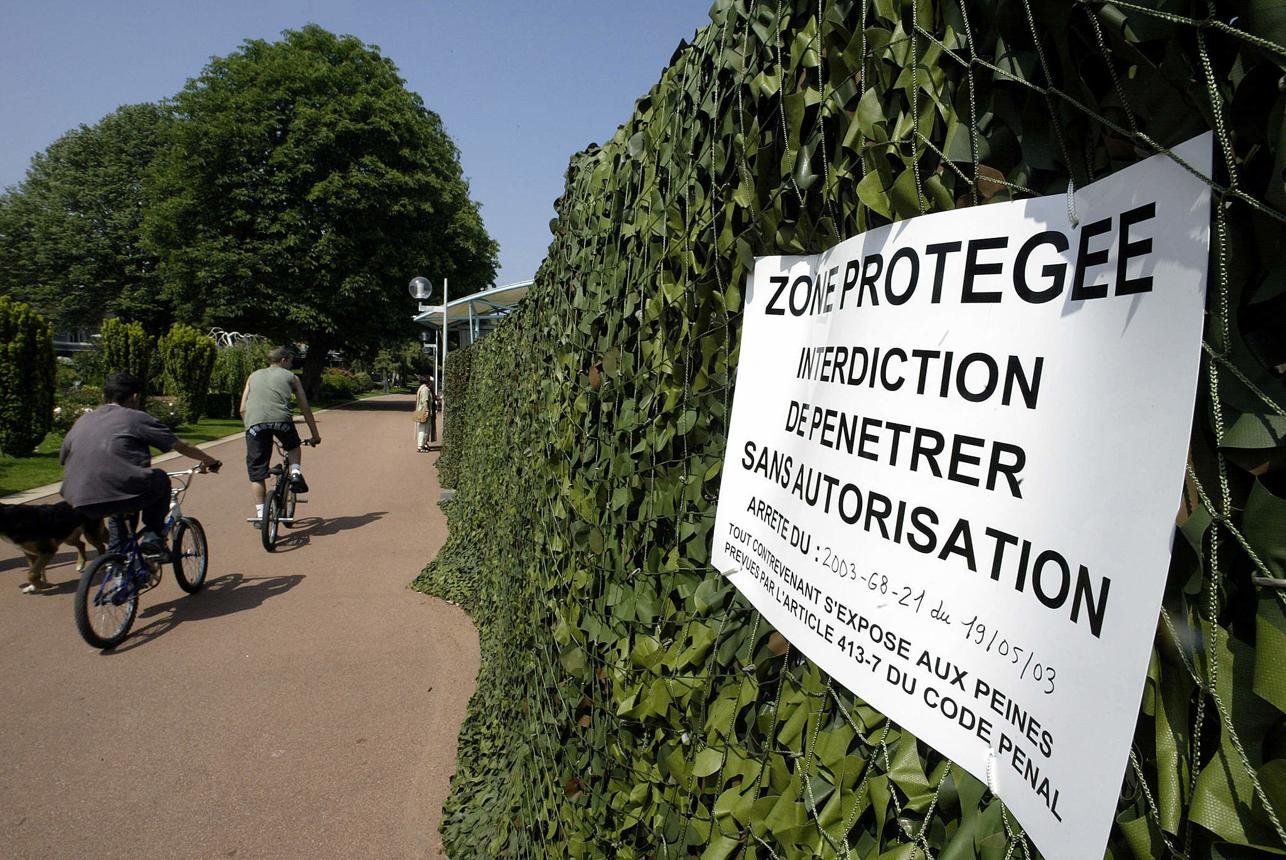
The president also met with Geneva police commander Monica Bonfanti to review preparations. Authorities aim to maintain public safety while managing expected diplomatic activities and potential demonstrations. A planned protest in Geneva on June 14 is also being monitored as part of the broader security strategy.

Parmelin emphasized that both Switzerland and France share a common objective: ensuring the summit proceeds smoothly and securely. The event is expected to place Geneva at the center of international attention as world leaders gather to discuss global political and economic challenges.

With security planning intensifying and diplomatic coordination continuing, Switzerland is preparing to play an important supporting role in one of the year’s most significant international meetings.

Geneva Authorities Question Security Costs for France-Based G7 Summit

Authorities in Switzerland’s Geneva canton have raised concerns over who should bear the financial burden of security operations linked to an upcoming G7 summit taking place in Évian, France.

Background of the Issue

The debate traces back to events surrounding the 2003 G8 summit in Évian, where protests in nearby Geneva escalated into violent riots and looting. The incident left long-lasting concerns about public safety and cross-border security coordination.

Renewed Concerns Ahead of G7 Summit

With another major G7 summit scheduled in Évian next month, Swiss authorities fear that similar protests or unrest could spill over into Geneva. As a result, Geneva police have already begun preparing enhanced security measures.

Financial Responsibility Dispute

Geneva officials argue that Switzerland is being forced to bear significant security costs for an event taking place in France. They have requested that the French government share the expenses due to the cross-border impact of the summit.

However, French authorities have reportedly rejected the request, stating that protests in Switzerland are not directly caused by the summit itself, but are influenced by domestic political developments within Switzerland.

Political Tensions Rising

The disagreement has sparked frustration among some Swiss lawmakers, who question why Swiss taxpayers should fund security for an international event hosted in another country.

At the same time, Geneva authorities fear that the financial burden could become significant if large-scale protests or cross-border incidents occur again during the summit period.

Conclusion

The dispute highlights the challenges of managing security in highly interconnected border regions like Geneva, where international events in neighboring countries can have direct domestic consequences.

Swiss Anti-Immigration Vote Could Hurt Economy.

Switzerland is preparing for a major national referendum that could significantly affect the country’s economy, workforce, and international border relations. The proposal, introduced by the Swiss People’s Party, aims to stop Switzerland’s population from exceeding 10 million people under the campaign slogan “No to 10 Million Switzerland.”

Swiss voters will cast their votes on June 14. Supporters of the proposal argue that limiting immigration will reduce pressure on housing, transportation, and public services. However, economic experts warn that the decision could create serious long-term problems for Switzerland.

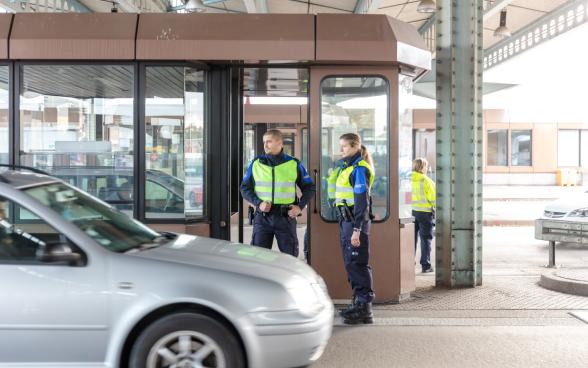
Research organization Ecoplan states that if the proposal succeeds, Switzerland could face difficulties within the Schengen zone. Neighboring countries including France, Germany, Italy, and Austria may introduce stronger border checks. These restrictions could heavily affect thousands of workers who cross borders daily for employment.

Regions such as Geneva, Ticino, and Basel are expected to face the biggest impact. Nearly 400,000 cross-border workers travel into Switzerland every day. If stricter controls begin at all borders, workers may experience delays of more than one hour while commuting.

Experts believe that many foreign workers may eventually stop working in Switzerland because of these delays and restrictions. Reports suggest that nearly two-thirds of cross-border employees could leave their jobs if the situation becomes difficult.

Healthcare services may suffer the most. Swiss hospitals and essential service sectors depend heavily on international workers. A reduction in foreign employees could create staff shortages and affect public services across the country.

Economic analysts warn that the referendum may weaken Switzerland’s economy, reduce workforce availability, and increase operational challenges for businesses. As the national vote approaches, the debate over immigration and economic stability continues to grow across Switzerland.

UNRWA Faces Uncertain Future Amid Deepening Crisis

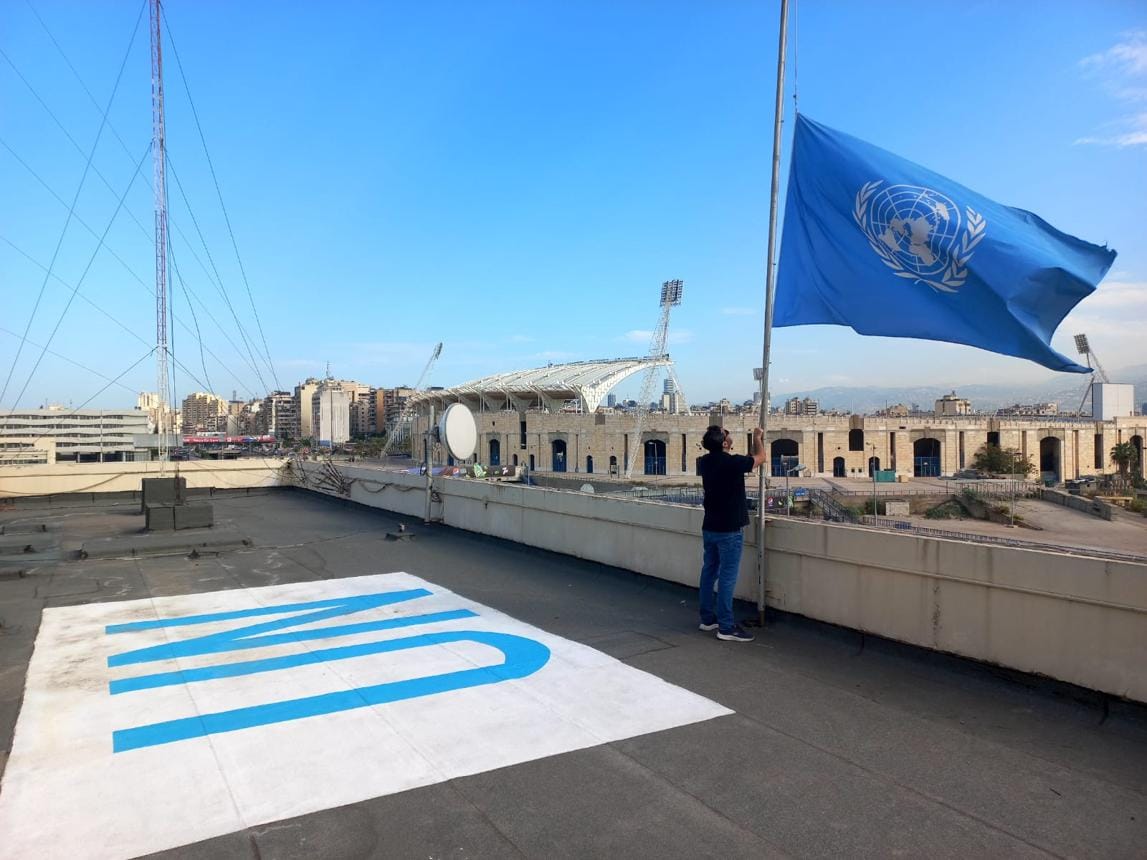
The United Nations Relief and Works Agency for Palestine Refugees (UNRWA) is facing what officials describe as the most serious crisis in its history, with growing financial strain, political pressure, and operational challenges threatening its future.

UNRWA Commissioner-General Philippe Lazzarini warned that the agency is approaching a point where it may become “unviable,” highlighting the severe difficulties it is currently facing.

The agency, based in Geneva, was originally established in 1949 to provide relief services to Palestinian refugees displaced during the 1948 conflict. Over time, it has evolved into a major humanitarian provider, delivering essential health, education, and social services across the Middle East.

Despite its expanded role, UNRWA was intended as a temporary organization until a political resolution to the Israeli-Palestinian conflict was reached. However, the absence of a lasting settlement has led to repeated renewals of its mandate.

Today, UNRWA operates under increasing pressure, particularly in Gaza, where access and operational capacity have been significantly affected by ongoing conflict and political restrictions.

Financial constraints have further intensified concerns, with donor uncertainty and political debates impacting the agency’s ability to maintain essential services for millions of refugees.

The situation has sparked global debate about the future of humanitarian aid structures in the region and whether UNRWA’s responsibilities should be restructured or replaced in the long term.

As the crisis deepens, international stakeholders continue to assess how best to ensure continuity of aid for Palestinian refugees while addressing the agency’s long-standing structural challenges.

Lawyer Criticises Swiss Response to Gaza Flotilla Detentions.

A lawyer representing Swiss participants in the recent Gaza flotilla mission has strongly criticised the response of Swiss authorities following the activists’ detention by Israel.

Speaking to Swiss public broadcaster RTS, Claire Dechamboux accused the Federal Department of Foreign Affairs (FDFA) of failing to act despite prior warnings and testimonies describing violence allegedly experienced by the activists.

Seven of the eight Swiss flotilla participants returned to Geneva on Saturday, where they were welcomed by family members, supporters, and humanitarian activists at the airport.

According to Dechamboux, the activists are physically stable but remain deeply affected by the experience. She stated that they appeared psychologically exhausted and traumatised after the detention.

“They are trembling; you can see it was a very difficult experience,” the lawyer explained while describing the emotional condition of the returning activists.

The flotilla mission, which aimed to reach Palestinian territory with humanitarian intentions, was intercepted by Israeli authorities earlier this week. Participants were reportedly detained before later being released and transported back to Europe.

The controversy has intensified political debate in Switzerland over the country’s diplomatic responsibilities and response to citizens involved in international humanitarian missions.

Human rights organisations and supporters are now calling for greater transparency and stronger diplomatic engagement regarding the treatment of activists detained during the operation.

Swiss Gaza Flotilla Activists Return Home.

Seven Swiss participants involved in the international Gaza flotilla mission returned to Geneva on Saturday after being detained by Israeli authorities earlier this week.

The activists arrived at Geneva Airport wearing keffiyehs and were welcomed by family members and supporters, including people who had participated in earlier flotilla missions.

The flotilla boats, which were heading toward Palestinian territory with humanitarian intentions, were intercepted by the Israeli military on Monday. Following the operation, hundreds of participants were reportedly detained aboard ships before later being transferred to detention facilities in Israel.

According to statements made by some of the returning activists, participants experienced physical, psychological, and sexual violence during detention. They described the alleged treatment as extremely serious and called for international attention to the issue.

The activists also criticised the response of the Federal Department of Foreign Affairs (FDFA), accusing Swiss authorities of providing insufficient support during the incident.

One activist stated that Switzerland had been informed in advance about the risks faced by participants but allegedly failed to take stronger diplomatic action. Several supporters present at the airport accused both Swiss officials and sections of the media of failing to adequately address the situation.

Legal and medical support for the activists is now being organised in Switzerland. Lawyer Claire Dechamboux explained that doctors in Lausanne are preparing to assess the physical and psychological condition of the returning participants.

She noted that many of those involved may be traumatised and will require time and professional care before fully discussing their experiences.

The incident has added to growing international debate surrounding humanitarian missions to Gaza, human rights concerns, and diplomatic responses by European governments.

Historic Organ Restored at Geneva’s Saint Peter’s Cathedral.

Visitors in Geneva will soon be able to experience the newly restored Metzler organ at Saint Pierre Cathedral as part of celebrations marking the 490th anniversary of the Reformation in Geneva.

The restoration project highlights the importance of preserving Switzerland’s religious and cultural heritage while bringing new life to one of the cathedral’s iconic musical instruments.

According to the Protestant Church of Geneva, special inauguration concerts are scheduled for May 29 and May 31, with an additional performance planned the following week.

The celebrations will also include several cultural events linked to the Church Assembly. On May 30, audiences will experience a performance titled “Black Church,” combining music and public discussion around cultural and spiritual themes.

Another artistic event will feature a theatrical adaptation of the book The Walking Man, exploring themes of movement, stillness, and human experience through live performance.

The restored Metzler organ is expected to become a major attraction for music lovers, tourists, and cultural visitors interested in Geneva’s historical and religious landmarks.

Saint Peter’s Cathedral remains one of Switzerland’s most significant historic churches and played a central role during the Protestant Reformation led by John Calvin in the 16th century.

WHO Flags High Regional Risk for Ebola?

The World Health Organization (WHO) has warned that the current Ebola outbreak likely began several months ago, raising concerns about delayed detection and spread.

According to officials at the Geneva-based World Health Organization, the outbreak is now assessed as “high” risk at both national and regional levels, while the global risk remains “low”.

WHO health emergencies lead Anaïs Legand stated that investigations are ongoing to determine how the virus first emerged. However, based on current transmission patterns, the organization believes the outbreak may have been circulating undetected for months before being identified.

Health authorities are now focusing on tracing infection chains, strengthening surveillance systems, and improving early detection in affected regions to contain further spread.

Ebola is a severe viral disease that spreads through direct contact with infected bodily fluids. Past outbreaks have highlighted the importance of rapid response, isolation measures, and coordinated international health action.

The WHO emphasized that while the global risk remains limited for now, continued monitoring and containment efforts are critical to prevent escalation.

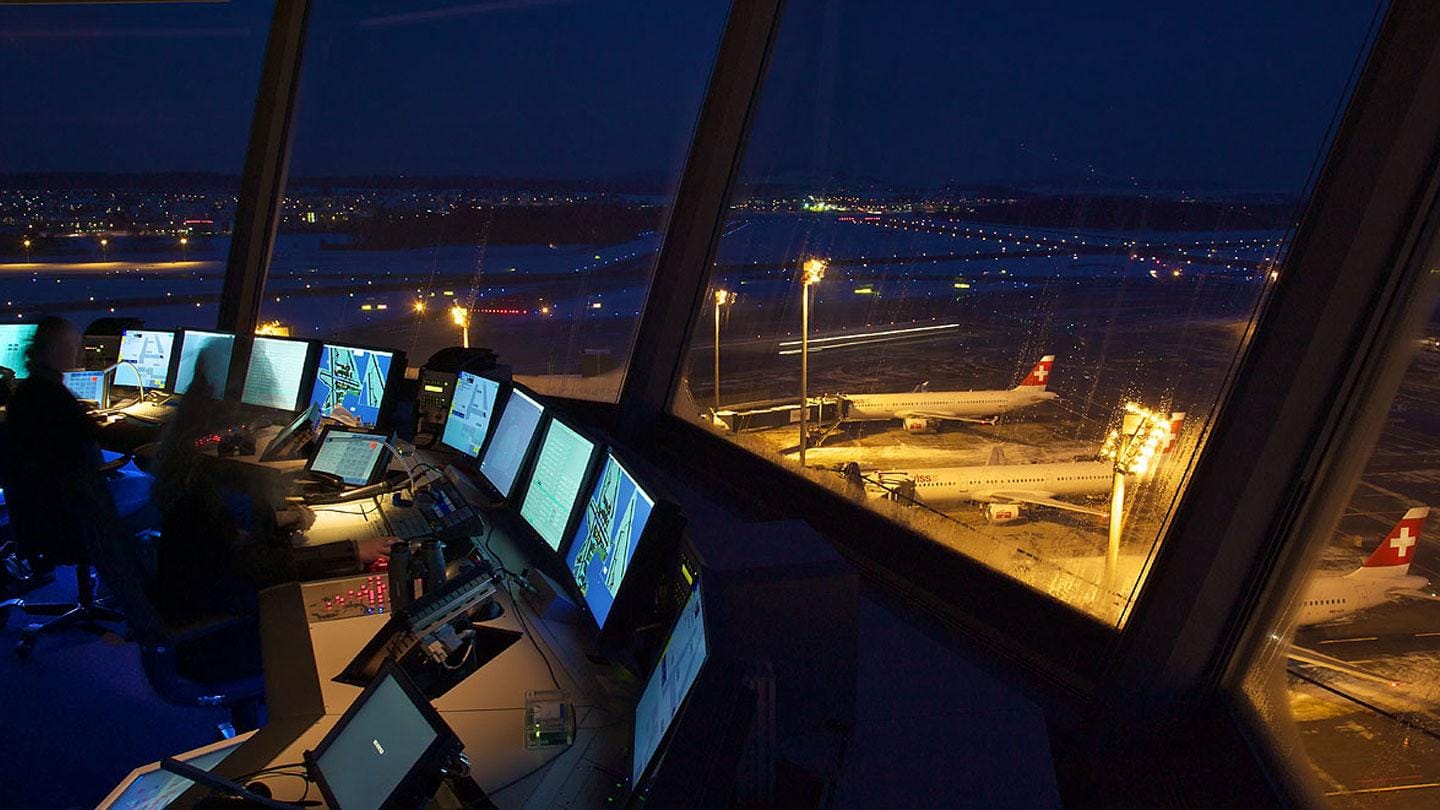
Swiss Air Traffic Controller Skyguide Plans Up

Skyguide has announced plans to reduce its workforce by up to 220 positions by the end of 2027 as part of a major restructuring aimed at improving financial stability and operational efficiency.

The Swiss air traffic control company is responding to rising personnel and systems costs, uncertain revenue forecasts, and increasing European efficiency requirements. Internal complexity has also been cited as a key reason for the planned changes.

The restructuring will be carried out in two phases. Around 90 jobs will be affected between September and November this year, followed by up to 130 additional positions between May and June 2027.

Sites including Geneva-Cointrin and the Dübendorf airfield are expected to be impacted by the cuts, although operational air traffic control roles will remain protected to ensure safety standards are maintained across Switzerland’s airspace.

Skyguide reported total expenditure of CHF 576 million in 2025, including CHF 382 million in personnel costs, highlighting the financial pressure driving the restructuring plan.

The company emphasized that safety and service continuity remain its top priorities. It stated that air traffic operations will continue without disruption throughout the restructuring process.

As part of a formal consultation procedure that began on Tuesday and runs until June 18, Skyguide is working with employee representatives to explore alternatives to job cuts. These include internal transfers, early retirement schemes, reduced external hiring, and limited recruitment.