
GemGenève Hits Record Attendance Amid Market Uncertainty.

The international fine jewellery exhibition GemGenève has closed its 10th edition with record attendance, despite ongoing global economic and geopolitical uncertainty.

Held at Palexpo Geneva from May 7 to 10, the event attracted 5,365 visitors, surpassing the previous edition’s 4,970 attendees. Organisers confirmed that this marks one of the most successful editions since the show began in 2018.

The event brought together exhibitors including traders, jewellers, designers, and artisans from around the world. Participants reported strong engagement, high-quality business discussions, and favourable conditions for completing transactions, even in a challenging global market environment.

Co-founder Ronny Totah said the show demonstrated that the jewellery market remains resilient, driven by rarity, craftsmanship, and trust. He added that despite geopolitical tensions and slowing markets, demand for fine jewellery continues to show strong international interest.

This year’s edition featured participants from 109 nationalities, with notable increases in repeat visitors. Attendance rose by more than 10% compared with the previous year, with strong representation from Switzerland, France, Italy, Belgium, the United Kingdom, and the United States.

Organisers stated that GemGenève continues to position itself as a global hub for the jewellery industry, connecting traditional craftsmanship with modern design innovation. The strong turnout signals ongoing confidence in the high-end luxury sector despite global financial uncertainty.

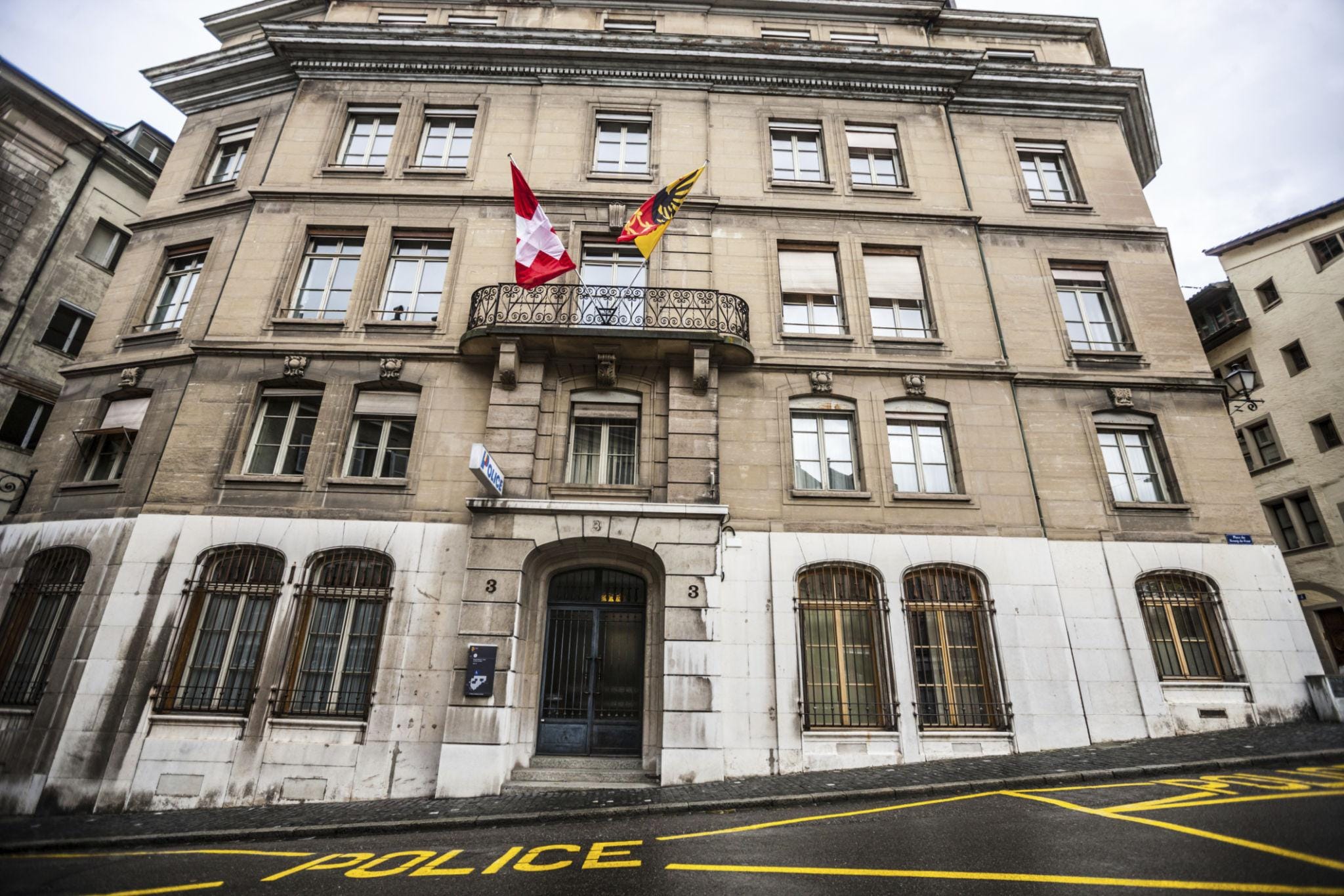
Geneva Police Introduce Switzerland’s First Real-Time Sign Language Support System.

Geneva has become the first city in Switzerland to introduce a real-time sign language interpretation service within its municipal police department. The new system aims to improve communication and accessibility for deaf and hard-of-hearing residents.

Starting Monday, individuals visiting police counters or interacting with officers will be able to connect instantly with professional sign language interpreters through a live video system. The service works using a QR code that officers can activate directly on their smartphones while assisting the public.

The initiative was developed in partnership with the PROCOM Foundation and marks a major step forward for accessibility in Swiss public services.

Marie Barbey-Chappuis stated that the city wants to ensure equal access to public services for everyone under fair conditions. Meanwhile, Christine Camp described the project as an important milestone for inclusive policing in Switzerland.

According to official estimates, between 20,000 and 30,000 people in Switzerland are deaf, while nearly one million residents live with some form of hearing impairment. Geneva’s new accessibility system also supports upcoming revisions to Switzerland’s federal disability equality legislation.

Experts believe this digital interpretation service could become a model for police departments and government institutions across the country.

Geneva Police Launch Real-Time Sign Language Service for Deaf Community

Geneva has become the first city in Switzerland to introduce a real-time sign language interpretation system within its municipal police service, improving accessibility for deaf and hard-of-hearing residents.

Starting Monday, people who visit police counters or interact with officers will be able to connect instantly with a professional sign language interpreter via video call. The system is activated through a QR code, allowing staff to quickly initiate communication through a smartphone or device in the field.

The initiative is supported by the PROCOM Foundation, which provides remote interpretation services. This innovation ensures that communication barriers are reduced during police interactions, emergency support, and administrative procedures.

City officials emphasized that the goal is to guarantee equal access to public services for all residents. Marie Barbey-Chappuis described the project as an important step toward inclusivity, while Christine Camp highlighted its significance for improving public service communication.

Authorities estimate that between 20,000 and 30,000 people in Switzerland are deaf, while nearly one million live with some form of hearing impairment. The new system also aligns with upcoming revisions to Switzerland’s federal disability equality laws.

Geneva’s approach is being closely watched as a potential model for other Swiss cities aiming to improve accessibility in public services through digital innovation.

Housing Prices Continue to Rise Across Switzerland in 2026

Housing prices in Switzerland continue to increase steadily in 2026, with major cities such as Zurich, Geneva, and Lausanne experiencing significant price growth in the property market.

According to recent 2026 housing market data, apartment prices across Switzerland have increased by nearly 4% annually, while prices for individual houses have risen by around 3%. Real estate experts say strong demand and limited housing supply continue to push prices higher across the country.

Property demand remains especially high in Zurich and other large urban areas. However, the pace of new housing construction has not matched the growing population and demand, creating pressure on the Swiss housing market.

Several major factors continue to drive the increase in Swiss housing prices. Rising immigration, limited construction of new homes, and low interest rates have contributed to higher demand for residential properties. Switzerland’s reputation as a safe and stable investment destination has also attracted both local and international investors.

Economic experts additionally point to Switzerland’s high salaries and strong employment opportunities as reasons why many foreign workers continue to move to the country. This growing workforce further increases demand for housing in major Swiss cities.

The continued rise in property prices has become an important topic among residents, investors, and policymakers. Many people are now concerned about long-term housing affordability, especially for middle-income families and first-time home buyers in Switzerland.

WHO Reassures Public Over Hantavirus Cases Linked to Cruise Ship Outbreak

The World Health Organization has moved to calm growing public concern over recent hantavirus infections linked to a cruise ship outbreak, stressing that the situation is not developing into an epidemic or pandemic.

Health officials confirmed that eight hantavirus cases have been identified so far, including five laboratory-confirmed infections. Three people — a Dutch couple and a German national — have died following the outbreak connected to the MV Hondius expedition cruise.

Speaking at a press conference in Geneva, WHO officials emphasized that the virus behaves very differently from COVID-19 and currently presents a low public health risk.

Maria Van Kerkhove, WHO Director for Epidemic and Pandemic Management, stated that hantavirus is far less contagious than coronavirus and insisted that the current situation should not be compared to the global pandemic experienced in 2020.

WHO Director-General Tedros Adhanom Ghebreyesus also confirmed that health authorities are closely monitoring people who had contact with infected individuals and are showing symptoms.

Experts believe the outbreak may remain limited if countries continue applying strict public health measures and maintain international cooperation.

Hantavirus is typically transmitted through infected rodents and their excretions. However, certain variants, including the Andes virus, can occasionally spread through close human contact in rare situations.

WHO officials warned that additional infections could still emerge because the incubation period can last up to six weeks.

Authorities in several countries are continuing retrospective contact tracing efforts to identify and monitor individuals who may have been exposed during the cruise.

In Switzerland, contact tracing measures were launched after an infected patient was admitted to Zurich University Hospital.

Despite international attention surrounding the outbreak, WHO continues to classify the overall risk to the general public as low.

Health experts are encouraging people to remain informed while avoiding unnecessary panic, noting that hantavirus outbreaks remain rare and typically limited in scale.

Swiss and French Ministers Meet in Geneva Ahead of G7 Summit

Ignazio Cassis and Jean-Noël Barrot held a high-level bilateral meeting in Geneva on Friday evening to discuss preparations for the upcoming G7 summit in France.

The meeting focused mainly on security coordination, diplomatic cooperation, and organisational planning for the G7 summit scheduled to take place next month in Évian.

Speaking after the discussions, Swiss Foreign Minister Ignazio Cassis described the summit as a significant international event for both Europe and the wider global community.

Cassis stated that Switzerland is proud to support France in organising the summit and ensuring strong regional security cooperation during the event.

He also highlighted the importance of International Geneva in supporting global diplomacy and managing international events during a period marked by geopolitical instability and global tensions.

The upcoming G7 summit is expected to attract major world leaders and international delegations, increasing the need for enhanced security measures across the Lake Geneva region.

Authorities in Switzerland and France have already announced additional border controls and security preparations ahead of the summit.

Recent concerns surrounding protests, cyber threats, and regional security challenges have led both countries to strengthen cooperation between law enforcement and diplomatic agencies.

The bilateral meeting reflects the growing strategic partnership between Switzerland and France on international security and diplomatic matters.

Officials say continued coordination will remain essential in the coming weeks to ensure the successful and secure organisation of the G7 summit.

Comédie de Genève Removes Artistic Director Séverine Chavrier Amid Controversy

Comédie de Genève has officially dismissed its artistic director Séverine Chavrier amid growing controversy surrounding the theatre’s management and workplace environment.

The decision was announced on Friday by the Fondation d’art dramatique, which confirmed that it had ended its professional relationship with Chavrier after a majority vote by the foundation’s board.

The board meeting took place shortly after Philippe Juvet was elected as the new chairperson earlier this week, replacing Lorella Bertani, who recently resigned from the position.

Following the decision, staff members at Comédie de Genève were informed that Chavrier would no longer continue in her role as artistic director.

The dismissal comes during an ongoing controversy linked to a human resources audit involving nearly 150 employees and collaborators connected to the theatre institution.

However, the results of the audit have not yet been publicly released after Chavrier’s lawyer, Romain Jordan, secured a legal ban preventing publication through emergency judicial measures.

In a strongly worded statement, Jordan criticised the foundation and accused it of misconduct. He claimed the institution had become “dysfunctional” and alleged that the board intended to remove his client “at any cost.”

The controversy has attracted attention across Geneva’s cultural sector, with growing debate surrounding leadership, workplace management, and governance within major Swiss arts institutions.

Comédie de Genève is one of Switzerland’s most prominent theatre venues and plays an important role in Geneva’s cultural landscape.

Observers say the dispute could have long-term effects on the institution’s reputation and future artistic direction.

Swiss Foreign Minister Urges OSCE to Coordinate on Emerging Technologies.

Swiss Foreign Minister Ignazio Cassis has called on member states of the Organization for Security and Co-operation in Europe to develop a common and proactive approach toward emerging technologies.

Speaking at a two-day OSCE conference in Geneva, Cassis emphasized the importance of anticipating scientific and technological developments before they create political, social, or security challenges.

“If no one controls them, they will control us,” Cassis warned while referring to rapidly advancing technologies such as artificial intelligence and quantum computing.

The Swiss foreign minister stressed that the greatest danger today is not technological innovation itself, but political delays in responding to technological change.

According to Cassis, if regulations fail to keep pace with innovation, societies may face mistrust, instability, misjudgements, and rising tensions.

He noted that new technologies already influence all major dimensions of the OSCE, including military security, economic competition, civil liberties, and social cohesion.

Conference participants discussed how artificial intelligence, quantum computers, and advanced digital systems could reshape security and cooperation across Europe.

Delegates also explored how technology could help countries manage scarce resources more effectively and support international collaboration.

Switzerland is seeking to strengthen international cooperation on technology governance following initiatives introduced at the United Nations Security Council during Switzerland’s chairmanship in 2024.

Cassis also highlighted the role of a Geneva-based foundation that has worked for years on identifying technological risks and opportunities before they create wider social problems.

He clarified that the goal is not to regulate every technological development, but rather to focus on the most urgent and high-impact challenges facing societies today.

The conference reflects growing international concern over the global impact of artificial intelligence, cyber threats, digital warfare, and emerging technologies on democracy and security.

European Court Rules Switzerland Violated Protest Organizer’s Rights.

The European Court of Human Rights has ruled that Switzerland violated the rights of a protest organizer linked to a demonstration held in Geneva in 2019.

The case involved an International Women’s Day protest that had received official authorization from local authorities. Before the event, organizers were informed that they could be held personally responsible if permit conditions were violated during the demonstration.

During the protest, riots and disturbances reportedly occurred, leading Swiss authorities to accuse the organizer of failing to maintain an effective security service.

Swiss courts later convicted the organizer under criminal law and imposed a fine of CHF200.

The organizer appealed the decision to the European Court of Human Rights in Strasbourg, arguing that her fundamental rights had been violated.

In its verdict published on Thursday, the ECHR concluded that Switzerland violated several rights protected under the European Convention on Human Rights, including freedom of assembly, freedom of association, freedom of expression, and the right to a fair trial.

The ruling represents another significant judgment involving Switzerland and human rights protections under European law.

Legal experts say the decision could influence how Swiss authorities manage public demonstrations and assess the responsibilities of protest organizers in future events.

The case also highlights the ongoing balance between maintaining public order and protecting democratic rights such as peaceful protest and freedom of expression.

The ECHR has played a major role in shaping human rights standards across Europe, with its rulings often leading member states to review legal procedures and public policies.

Russian Exiles Warn of Kremlin Victory Day Propaganda in Switzerland.

Russian exile groups in Switzerland have warned that upcoming Victory Day events linked to Russia may be used to spread Kremlin propaganda and political influence across Europe.

The concerns focus on “Immortal Regiment” rallies scheduled to take place in Geneva and Basel during Russia’s Victory Day commemorations.

According to the exile organization Russia of the Future – Switzerland, the original remembrance movement has been transformed into a political tool connected to Russian state messaging.

The group stated that what initially began as a civil society initiative to honor relatives who died during the Second World War has now been “completely appropriated by the Kremlin.”

Exiled activists argue that the events are increasingly being used to justify Russia’s actions in Ukraine and promote narratives aligned with Russian state ideology.

The association further warned that some participants often display symbols such as the St George’s Ribbon, which critics say has become associated with Russian military aggression and the war in Ukraine.

The debate highlights growing concerns across Europe regarding foreign influence operations, political symbolism, and propaganda activities linked to geopolitical conflicts.

Switzerland has faced increasing scrutiny in recent years over misinformation campaigns, cyber threats, and international political influence activities connected to the ongoing tensions between Russia and Western nations.

Authorities have not announced any bans on the planned gatherings, but security and political discussions surrounding such events continue to intensify throughout Europe.