Swiss Banking Fraud Cases Increase in 2025, Ombudsman Reports.

Financial fraud cases have increased in Switzerland in 2025, according to the Swiss Banking Ombudsman, with online banking and card payment scams driving most complaints.

The Swiss Banking Ombudsman handled 2,575 cases last year, marking a 4% increase compared with the previous year, as reported by Ombudsman Andreas Barfuss during a press conference.

Fraud-related complaints rose significantly to 316 cases in 2025, up from 270 in 2024. Officials said phishing attacks and digital payment fraud remain the most common issues affecting customers.

Regionally, 55% of complaints came from German-speaking Switzerland, while 23% originated from abroad. French-speaking Switzerland accounted for 19%, and Italian-speaking regions remained stable at 3%.

The report noted that in 90% of cases, the disputed amount was below CHF 100,000, indicating that most incidents involve relatively moderate financial losses.

Authorities emphasized that banks are not generally legally required to reimburse victims of such fraud cases. However, each complaint is assessed individually based on the circumstances and evidence provided.

Experts warn that the rise in digital fraud reflects growing cybersecurity risks as more banking services move online, highlighting the importance of stronger user awareness and preventive security measures.


Rising Fuel Prices Change Swiss Travel Habits, Survey Finds

Rising fuel prices are significantly changing travel behavior in Switzerland, as residents increasingly turn to public transport and more sustainable mobility options, according to a new survey.

A study conducted by Marketagent Schweiz found that 42.1% of respondents are now using public transport more often, while 35.2% report walking more frequently due to higher fuel costs.

The survey, based on 1,000 participants, also shows that 23.6% are cycling or using scooters more often, and 14.7% are working from home more regularly to reduce commuting expenses.

Despite growing concerns about persistently high fuel prices, more than half of respondents (56.9%) said they do not plan to switch to electric vehicles. Only 4.2% have already purchased an electric car, while 16.9% are considering doing so.

When asked about future car purchases, 32.6% of participants preferred hybrid vehicles. Petrol cars remained closely behind at 31%, while electric vehicles accounted for 26.1%. Diesel vehicles are declining in popularity, with just 7.1% of respondents considering them.

Industry data shows rising interest in electric mobility, with strong growth in searches and sales on platforms such as AutoScout24. However, the share of electric cars in overall registrations remains relatively stable at around 21.7%.

A separate analysis by Swisscharge highlights the cost advantage of electric vehicles. Charging an EV can cost around CHF 5.23 per 100 km, compared with CHF 11.08 for a petrol-powered car, especially when charging at home or at work.

Experts suggest that while cost pressures are encouraging behavioral change, long-term adoption of electric vehicles will depend on infrastructure expansion, affordability, and consumer confidence.

Six in Ten Swiss Companies Now Use AI, UBS Study Finds

A new study by UBS shows that around six out of ten companies in Switzerland are now using artificial intelligence, highlighting rapid but uneven adoption across the business sector.

Economist Alessandro Bee noted that while AI is widely used, most companies are not yet applying it in a structured or systematic way. The study found that smaller firms mainly use AI for data analysis, while larger corporations focus more on automating business processes.

Overall, Swiss companies view AI more as an opportunity than a risk. Many businesses expect the technology to significantly improve productivity and efficiency in the coming years.

However, concerns remain. Companies highlighted data protection, cybersecurity risks, and the possibility of incorrect decisions caused by flawed algorithms or poor-quality data as key challenges.

The survey also found that just over half of the companies plan to expand their use of AI or adopt it for the first time within the next five years. At the same time, nearly one-third of businesses currently do not use AI and have no plans to implement it in the near future.

UBS economist Pascal Zumbühl emphasized that AI adoption in Switzerland is growing, but not uniformly, with a clear divide between early adopters and companies still hesitant about the technology.

The findings suggest that AI will play an increasingly important role in Switzerland’s economic future, but its integration will depend on how businesses address trust, regulation, and implementation challenges.

Middle East Conflict and Oil Prices Threaten Swiss Economic Growth

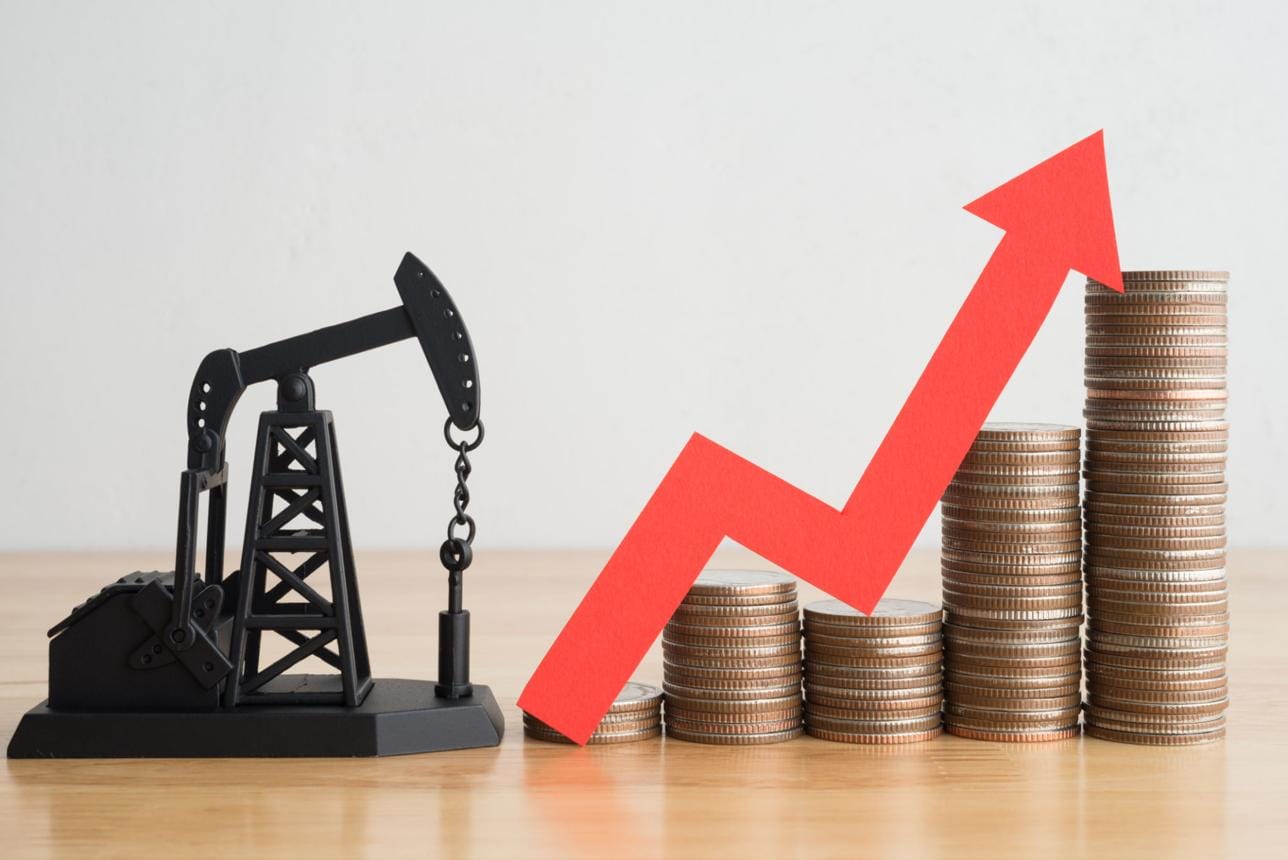
The ongoing Middle East conflict is likely to slow down Switzerland’s economic growth while increasing inflation, according to new projections from UBS economists.

Analysts Alessandro Bee and Matteo Mosimann warn that if tensions between the United States and Iran continue, oil prices could rise above $150 per barrel. Such a surge would significantly increase global energy costs and raise fears of a broader economic slowdown.

The report highlights that higher fuel prices are already impacting Swiss households. Increased costs for petrol and heating oil are currently costing consumers around CHF 170 million per month, although this still represents less than 0.5% of total household spending.

Despite rising prices, consumer confidence has weakened. UBS noted that morale dropped in March and April to its lowest level in nearly two and a half years. However, industrial sentiment has remained relatively stable, showing limited immediate impact on production activity.

Economists expect some stabilization if geopolitical tensions ease in the coming months, with global oil supply likely to normalize in the second half of the year. However, they still caution that the Swiss economy will face pressure even under improved conditions.

UBS has revised its growth outlook downward. For 2026, Swiss GDP is now expected to grow by just 0.7%, compared with earlier forecasts of 0.9%. In 2027, growth is projected at 1.4%, slightly below previous estimates.

Despite the slowdown, economists believe Switzerland could benefit indirectly from fiscal stimulus measures in Europe, including Germany’s tax package, which may support confidence and economic activity in the longer term.

Overall, the outlook suggests moderate but manageable economic pressure rather than a severe downturn.

Switzerland Raises Concerns Over Italy’s Cross-Border Health Tax Plan.

Switzerland has raised serious concerns over Italy’s proposed “health tax” on cross-border workers, a move that could affect thousands of commuters, especially in the border region of Canton of Ticino.

During discussions in Bellinzona, Swiss Foreign Minister Ignazio Cassis emphasized the importance of maintaining strong bilateral relations between Switzerland and Italy. He expressed hope that ongoing dialogue would remain constructive as both countries address sensitive cross-border issues.

The proposed Italian policy would allow border regions to impose a levy of around 3% to 6% on net wages earned in Switzerland by Italian cross-border workers. Swiss authorities warn that this could create economic pressure and disrupt labor mobility between the two countries.

Officials also raised concerns about Italy’s idea of introducing “special economic zones” in border areas. These zones aim to reduce taxes and bureaucracy to encourage businesses to stay in Italy instead of relocating to Switzerland.

In addition, discussions included broader financial topics such as inter-cantonal financial equalization, budget tightening measures, and the promotion of the Italian language in Switzerland. The Ticino government has urged reforms to prevent widening economic gaps between Swiss cantons.

The issue will remain politically sensitive as both nations prepare for the upcoming OSCE Ministerial Council meeting in Lugano, scheduled for December 3–4, where diplomatic cooperation will be further tested.

ILO Warns of 14 Million Job Loss Risk

The International Labour Organization (ILO), based in Geneva, has warned that an escalating crisis in the Middle East could lead to severe global job losses if oil prices continue to surge.

According to a new report published on Monday, the organization estimates that up to 14 million full-time equivalent jobs could be lost this year if the price of oil rises by 50% above early-year averages. By 2027, this number could increase dramatically to around 38 million jobs worldwide.

The ILO report highlights that global working hours may fall by 0.5% this year and by 1.1% next year, reflecting a broader slowdown in economic activity linked to energy price shocks and geopolitical instability.

Real labour income is also expected to decline significantly. The report projects losses of 1.1% this year and up to 3% next year, representing an estimated global income reduction of $1.1 trillion and $3 trillion respectively.

Unemployment rates are also expected to rise modestly but steadily, increasing by 0.1 percentage points this year and 0.5 percentage points in the following year.

The report notes that regions such as Arab states and Asia-Pacific economies are likely to be the most heavily affected due to their strong economic ties to Gulf oil markets and energy supply chains.

In the most severe scenario, working hours in Arab countries could drop by more than 10%, a level of disruption described by ILO economists as significantly worse than the early impact of the COVID-19 pandemic.

ILO Chief Economist Sangheon Lee described the situation as a “slow and potentially long shock,” warning that the effects could persist if geopolitical tensions and energy instability continue.

The findings highlight growing concerns about how regional conflicts can trigger global economic ripple effects, particularly through energy prices, inflation, and labour market instability.

Swiss President Criticises EU Steel Tariffs as Harmful

Swiss President Guy Parmelin has strongly criticised new steel tariffs approved by the European Union, calling the measures “counterproductive” and harmful to European supply chains.

Speaking to Swiss public broadcaster SRF, Parmelin said he had already warned European Commission President Ursula von der Leyen that the tariffs could become an “own goal” for Europe.

The EU plans to introduce stricter protections for its steel sector starting July 1, including a major reduction in duty-free steel import quotas. Swiss steel producers are expected to be affected by the changes despite Switzerland’s close economic integration with European manufacturing industries.

Parmelin argued that Switzerland plays a crucial role in European industrial supply chains, particularly in sectors such as aerospace and advanced manufacturing. He warned that restricting Swiss steel imports could negatively impact European companies that depend on Swiss materials and components.

The Swiss government and the European Commission are now expected to negotiate updated import quotas through the framework of the World Trade Organization.

The Swiss president also expressed frustration over new EU rules concerning unemployment benefits for cross-border workers. Under the proposed regulation, unemployed cross-border workers would receive benefits from the country where they last worked instead of their country of residence.

According to Switzerland’s State Secretariat for Economic Affairs (SECO), the change could cost Switzerland up to CHF900 million annually. Parmelin described the move as unhelpful and said he was surprised that the EU had raised several sensitive issues while Switzerland and the EU were still discussing broader agreements on bilateral relations.

At the same time, Switzerland’s trade discussions with the United States are also facing difficulties. Parmelin noted that uncertainty surrounding a recent US Supreme Court decision on presidential tariff powers has complicated negotiations between Bern and Washington.

Swiss officials are still awaiting a formal response from the US regarding Switzerland’s trade proposals. Analysts say the situation highlights the increasing pressure facing Switzerland as it navigates complex trade relationships with both the EU and the United States.

How Switzerland Became the World’s Second-Largest Coffee Exporter

Switzerland has become one of the most surprising leaders in the global coffee export market, despite not producing a single coffee bean due to its climate. Today, it ranks as the second-largest coffee exporter in the world, only behind Brazil.

The success is driven not by cultivation, but by high-value processing and re-exporting. Green coffee beans are imported into Switzerland at relatively low prices and then transformed into premium roasted products for global markets. According to research from the University of St. Gallen, raw coffee beans are imported at around $5 per kilogram, while processed exports can reach up to $26.80 per kilogram.

This massive value addition has made coffee Switzerland’s most important agricultural export, even surpassing traditional Swiss products such as cheese and chocolate in total export share.

A major contributor to this industry is global food and beverage giant Nestlé, which has built a strong global coffee ecosystem through brands like Nespresso and Nescafé. Switzerland has also become a key hub for trading, roasting, packaging, and distribution of coffee to international markets.

Experts say Switzerland’s success lies in its strong logistics infrastructure, political stability, financial systems, and high-tech food processing capabilities. These advantages allow companies to import raw materials, add value through advanced processing, and re-export finished goods efficiently.

However, the story of Swiss coffee dominance also has a complex side. While Switzerland profits significantly from coffee trading, most coffee is grown in developing countries where farmers often receive only a small portion of the final retail value. This global imbalance has sparked ongoing discussions about fairness in the coffee supply chain.

Today, Switzerland’s coffee industry stands as a powerful example of how a country can dominate global trade not through raw production, but through innovation, branding, and value-added processing.

Why Some Swiss Banks Avoid U.S. Citizens: The FATCA Effect Explained

Many people believe that citizens of the United States cannot open bank accounts in Switzerland. However, this is not entirely true. While it is possible for U.S. citizens to hold Swiss bank accounts, many Swiss banks choose not to accept them due to strict international tax regulations and compliance risks.

The main reason behind this situation is the U.S. law known as FATCA (Foreign Account Tax Compliance Act), introduced in 2010. This law requires all foreign banks to report financial information of U.S. citizens to the Internal Revenue Service (IRS). If banks fail to comply, they may face heavy penalties or restrictions from the U.S. financial system.

As a result, Swiss banks face significant operational challenges. One major issue is the increased administrative burden. Banks must collect additional tax documentation, maintain detailed reporting systems, and implement complex compliance software to track U.S. account holders.

Another concern is legal risk. Even small reporting errors can result in serious financial penalties. To avoid this risk, some banks prefer not to onboard U.S. clients at all and clearly state policies such as “U.S. persons not accepted.”

Historically, Switzerland was known for strong banking privacy laws. However, international pressure—especially from the U.S.—has significantly reduced banking secrecy. Investigations involving major banks like UBS played a major role in changing Swiss banking compliance rules.

Additionally, U.S. citizens are subject to worldwide taxation, meaning they must report global income regardless of where they live. This creates further reporting complexity for foreign banks handling their accounts.

Despite these challenges, not all Swiss banks reject U.S. citizens. Some institutions, including major banks and financial service providers such as PostFinance, may still allow accounts under strict conditions. These often include higher minimum balances, additional tax forms, enhanced compliance checks, and certain investment restrictions.

In summary, the issue is not discrimination against U.S. citizens. Instead, it is the result of strict U.S. tax laws, compliance costs, and regulatory risks that make it difficult for many Swiss banks to offer services to American clients.

Swiss Immigration Vote Sparks Nationwide Debate Ahead of Referendum

A major political debate is gaining momentum in Switzerland as the country prepares for a crucial national referendum on immigration. The proposal, widely known as “No to 10 Million Switzerland,” aims to limit the country’s population growth by introducing stricter immigration controls. The referendum is scheduled to take place on June 14 and has already attracted nationwide attention unlike any recent public vote in the country.

The proposal was introduced by the Swiss People’s Party, a political group known for its strong stance against large-scale immigration. Supporters of the initiative argue that rapid population growth is increasing pressure on housing, transportation, healthcare, and public infrastructure across Switzerland. They believe tighter immigration policies are necessary to protect the country’s long-term stability and quality of life.

However, strong opposition to the proposal is also growing across the country. Business leaders, economists, and several political groups warn that reducing immigration could create serious labor shortages in key sectors. Industries including healthcare, construction, hospitality, and technology heavily depend on foreign workers to maintain daily operations and economic growth.

Critics of the proposal argue that immigration plays a vital role in strengthening the Swiss economy. They say limiting the number of immigrants could slow economic development, reduce workforce availability, and negatively impact Switzerland’s international competitiveness. Many experts also point out that skilled migrants contribute significantly to innovation, productivity, and tax revenue.

As the referendum date approaches, both supporters and opponents are spending heavily on nationwide campaigns to influence voters. Political advertisements, public debates, social media campaigns, and television discussions have intensified in recent weeks, turning the immigration referendum into one of the most talked-about political issues in Switzerland this year.

The outcome of the vote could shape the future of immigration policy in Switzerland and influence debates across Europe. With public opinion sharply divided, the referendum is expected to become a defining political moment for the country.